معرفی
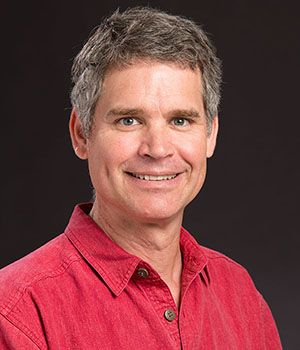
Annette Bollmann is an Associate Professor in the Department of Microbiology at Miami University, with affiliations in the Ecology Research Center, the Cell, Molecular and Structural Biology Graduate Program, and the Center for Aquatic and Watershed Sciences. Her research bridges molecular microbiology and ecosystem-level processes in freshwater environments.
Research Interests: Dr. Bollmann's work centers on the ecophysiology of ammonia-oxidizing microorganisms, including bacteria (AOB), archaea (AOA), and recently discovered comammox bacteria. She investigates how these key players in the nitrogen cycle adapt to low ammonium conditions, compete for resources, and interact with heterotrophic microbes. A major focus is on developing innovative cultivation techniques to study previously 'unculturable' microorganisms from diverse environments, especially freshwater lakes and contaminated subsurface sediments.
Research Trends from Publications: Her recent publications reveal a strong emphasis on combining genomic, physiological, and ecological approaches to understand nitrification. Studies span from genome sequencing of novel isolates like Nitrosomonas sp. Is79 to field-based investigations of microbial community dynamics in the Great Lakes. A recurring theme is the competitive advantage of AOA under low ammonium conditions and the role of microbial interactions in enhancing survival and function.
Scientific Funding and Collaboration: Her research is supported by the National Science Foundation. She collaborates with Dr. Ken Greis from the Cancer Institute at the University of Cincinnati, highlighting interdisciplinary connections. While specific students are not listed, she leads an active research laboratory with multiple ongoing projects.
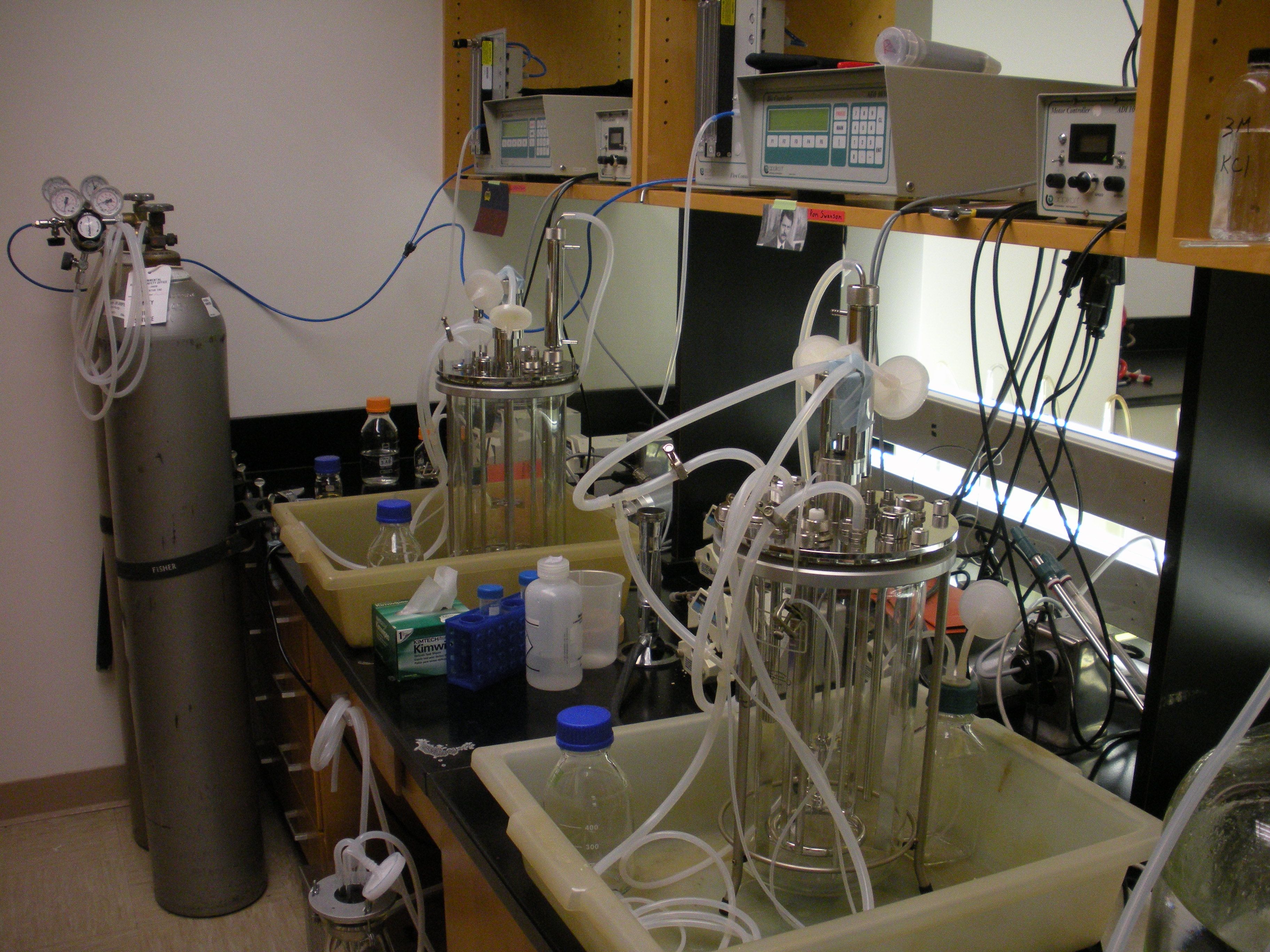
Laboratory and Research Groups: Dr. Bollmann leads a research lab focused on microbial ecology and physiology. Her team conducts experiments using enrichment cultures (e.g., G5-7, AC1-AC5), chemostats, and molecular tools to study microbial interactions, stress responses, and niche differentiation. The lab is actively involved in both cultivation-dependent and independent methods to explore microbial diversity in natural and contaminated environments.