معرفی
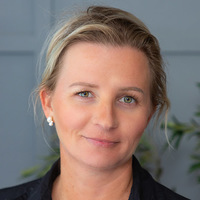
Angela Blakston serves as an Associate Research Fellow at Deakin University's Alfred Deakin Institute for Citizenship and Globalisation within the Faculty of Arts and Education. Her work bridges communication theory and practical media challenges, focusing on audience behaviors in evolving digital landscapes across Australian regional communities.
Her academic foundation includes:
- PhD Candidate in Communication, RMIT University
- Bachelor of Communication (Honours), Deakin University
- Bachelor of Business, Queensland University of Technology
Blakston's research examines critical gaps in news consumption, particularly among rural populations and teenagers. She investigates why potential audiences disengage from local news despite perceived relevance, identifying structural barriers like cost and accessibility. Her methodology combines large-scale surveys with qualitative analysis of digital media habits, revealing how news becomes 'incidentally encountered' through platforms like Google. This work has established the influential concept of 'latent audiences' – individuals who desire news access but remain invisible to traditional metrics.
Analysis of her 2021-2024 publications shows consistent thematic focus on Australian media ecosystems, with increasing theoretical sophistication from descriptive surveys to conceptual frameworks explaining audience barriers. Her research demonstrates strong regional applicability while addressing universal challenges in digital news sustainability.
Blakston operates within Deakin's collaborative research environment, evidenced by recurring partnerships with scholars like Kristy Hess and Lisa Waller. While specific grant details aren't public, her active publication record indicates sustained research funding. She is based at Geelong Waurn Ponds Campus and maintains direct engagement with regional media through projects like the Sunraysia news needs assessment.
The Alfred Deakin Institute provides her primary research ecosystem, offering interdisciplinary resources for studying citizenship in globalized contexts. This affiliation enables her community-centered approach to media research through institutional support for fieldwork and academic collaboration.