معرفی
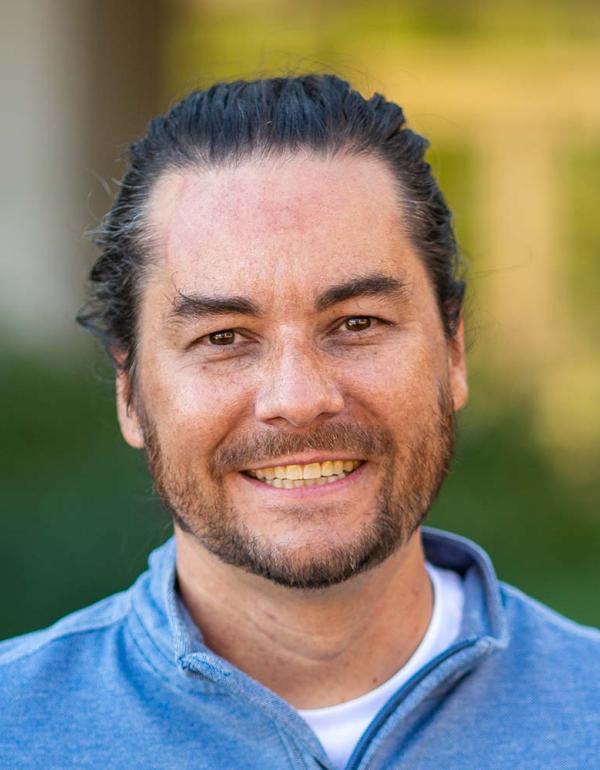
Dr. Andrés Bendesky is an Associate Professor of Ecology, Evolution, and Environmental Biology at Columbia University and a Principal Investigator at Columbia's Zuckerman Institute. He integrates genetics, neuroscience, and evolutionary biology to study the molecular and neural mechanisms underlying complex social behaviors such as parental care, aggression, and exploratory tendencies in animals ranging from Caenorhabditis elegans to Siamese fighting fish and mice.
Education:
- MD from Universidad Nacional Autónoma de México (UNAM)
- PhD from The Rockefeller University
- Postdoctoral Fellowship at Harvard University (Helen Hay Whitney Fellow, 2012-2015)
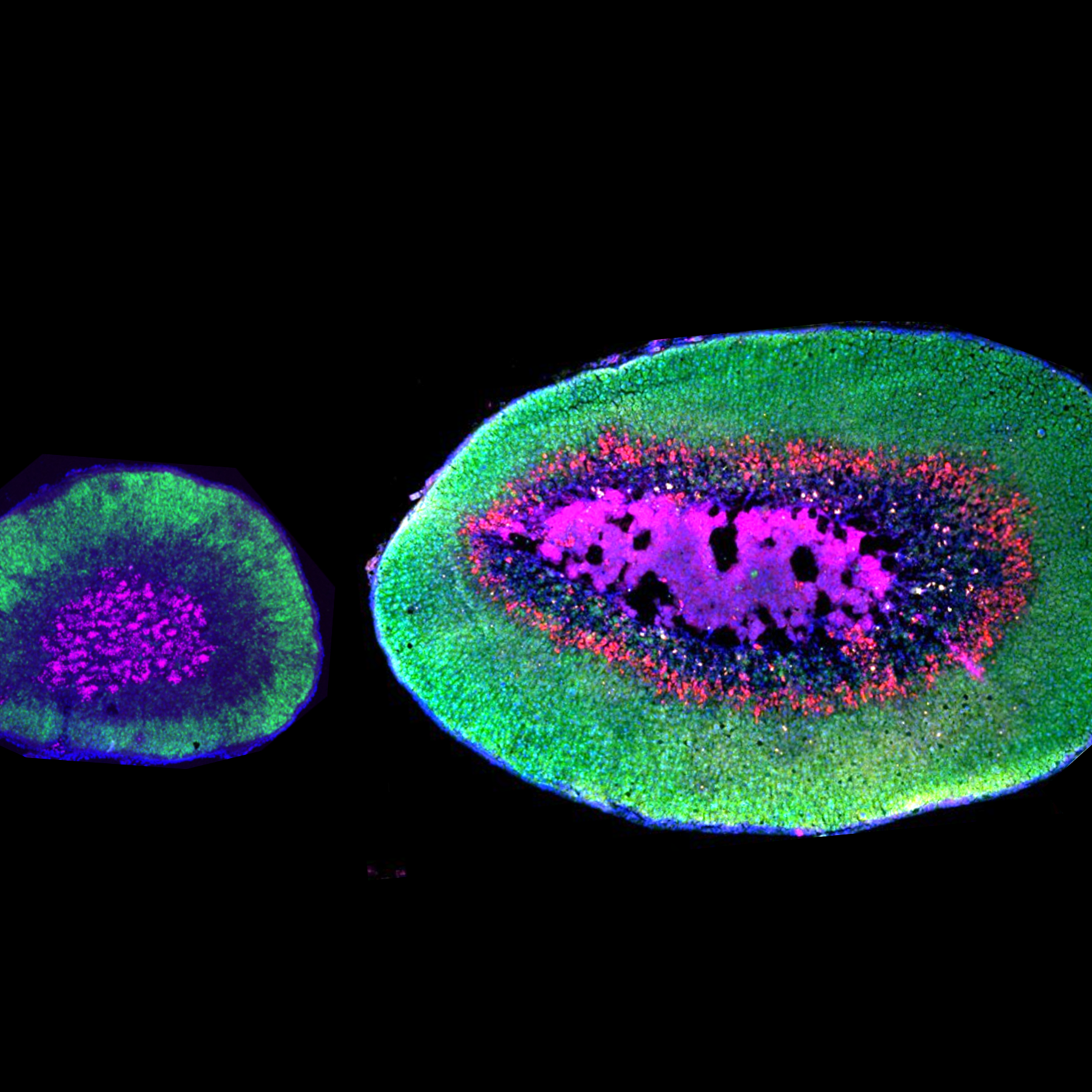
Research Interests: Dr. Bendesky explores how genes and neural circuits evolve to shape behaviors like monogamy, aggression, and decision-making. His work spans species to uncover conserved genetic pathways, such as adrenaline-regulated satiety in worms and vasopressin-linked parental care in mice, with implications for understanding human behavior. Current projects focus on aggression in Betta fish and novel adrenal cell types in mice.
Scientific Awards:
- Sloan Research Fellow (2019)
- Klingenstein-Simons Neuroscience Fellow (2018)
- Searle Scholar (2018)
- NIH R00 (2017-2020) and K99 (2015-2017) Career Development Awards
Advising & Collaborations: Dr. Bendesky has mentored numerous PhD and Master’s students, including Natalie Niepoth (Regeneron), Claire Everett (TikTok data science), and Kimberly Hernandez (jointly with Steve Siegelbaum). His lab collaborates on projects spanning genomic tools for Betta fish, neural circuits in vocal communication, and evolutionary mechanisms of social behavior.