معرفی
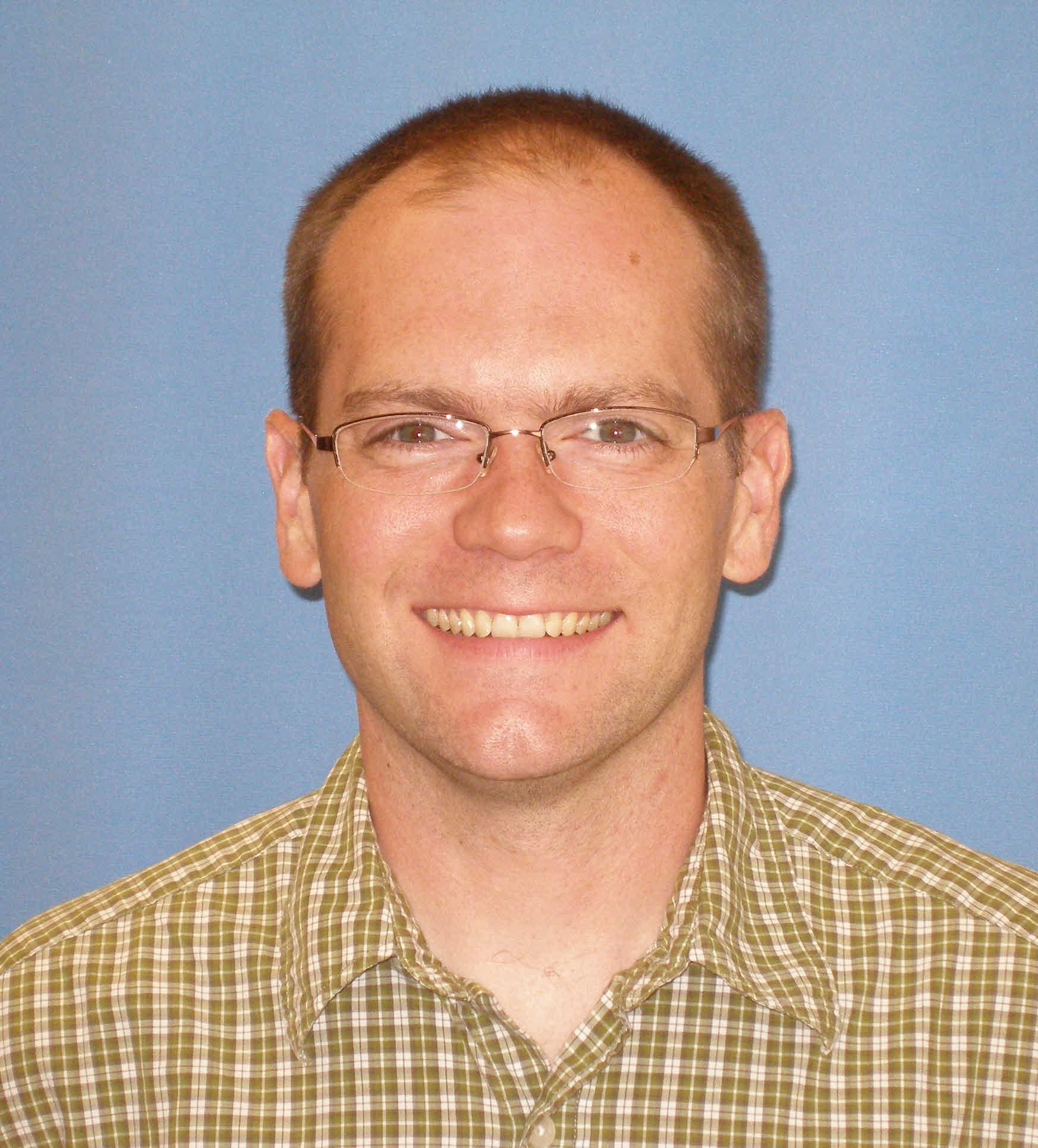
Andrew Schoeffield serves as Associate Professor in the Department of Biology at Loyola University Maryland, maintaining his laboratory in Jenkins Hall 006D. His research program centers on microbial ecology within aquatic environments, with specialized expertise in bacterial predation dynamics.
Dr. Schoeffield's primary research investigates bdellovibrios bacteria as ecological regulators in aquatic systems. His laboratory demonstrated bdellovibrios' capacity to prey on viable-non-culturable pathogens—forms that retain disease-causing potential while evading standard detection. Current work examines bdellovibrios' tripartite relationship with biofilms: their integration into communities, predation on susceptible members, and reduction of attached pathogens. This research extends to insecticide-contaminated biofilms, exploring implications for both ecosystem health and potential bioremediation applications, given biofilms' dual roles in water purification and toxin accumulation.
His publication record reveals significant interdisciplinary reach across forensic entomology (developing immunoassays for fly artifact detection in bloodstain analysis), reproductive endocrinology (elucidating estrogen receptor beta functions in GnRH neurons using murine models), and microbial biochemistry (structural characterization of Bdellovibrio enzymes). These diverse projects collectively demonstrate how fundamental bacterial interactions influence environmental, medical, and forensic contexts.
Dr. Schoeffield leads an active research team at Loyola University Maryland focused on bacterial predation mechanisms and biofilm ecology. While specific details regarding advising activities, grant funding, and scientific awards are not documented in available sources, his laboratory continues to advance understanding of microbial community dynamics with potential applications in environmental management and public health.