معرفی
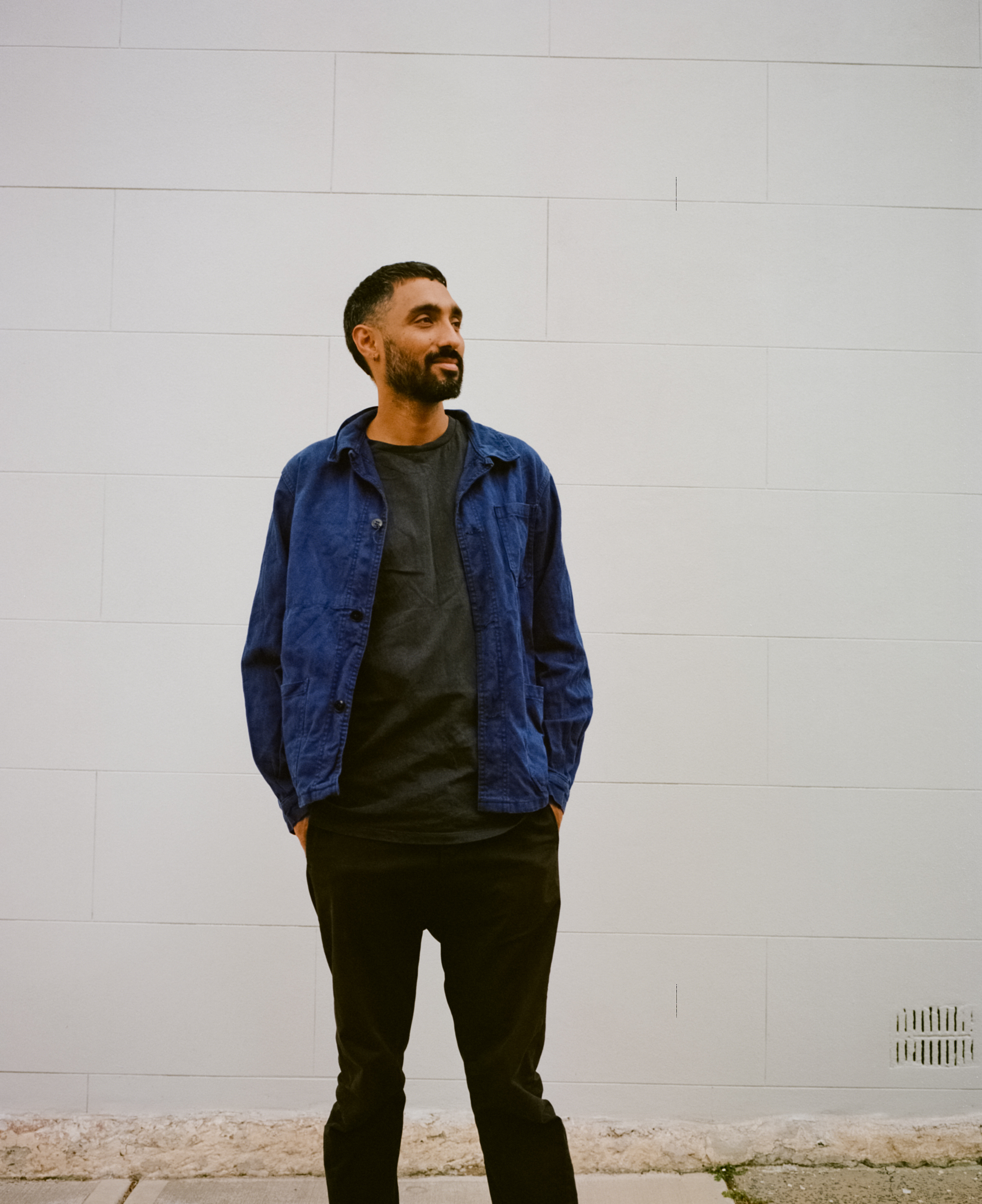
Andrew Navin Brooks is a Lecturer in Media Cultures at the School of Arts and Media, University of New South Wales (UNSW). His academic work focuses on contemporary media events, systems, and infrastructures, with particular attention to the politics of race, embodiment, and listening.
Brooks' research interests span multiple interdisciplinary fields. His work engages deeply with Critical Race Studies, examining how race and embodiment operate within media culture. He also contributes significantly to Media Studies and Cultural Theory, developing frameworks for understanding contemporary media systems. A distinctive aspect of his research is in Sound Studies, particularly the politics of noise and listening. His work on Infrastructure Studies explores infrastructural inequalities, while his engagement with Decolonial Theory informs his critique of settler colonialism. Additional research areas include Gender and Sexuality Studies, Visual Culture, and Poetics.
As a member of the Infrastructural Inequalities research network and the critical art collective Snack Syndicate (with Astrid Lorange), Brooks bridges academic research with creative practice. His scholarly output includes 25 journal articles, 2 books, 5 book chapters, and various creative works that demonstrate his commitment to interdisciplinary knowledge production.
- Founding member of the Infrastructural Inequalities research network
- One half of the critical art collective Snack Syndicate
- Member of the publishing collective Rosa Press
Brooks is available for MPhil, MFA, and PhD supervision across media, cultural studies, critical race theory, contemporary art, literature, and poetry and poetics. His supervision expertise encompasses the politics of media systems, de- and anti-colonial methodologies, anti-racist practices, Marxist and feminist methodologies, listening and sound studies, infrastructure, and border/migration studies.
He teaches the undergraduate course "Working with Data (ARTS1092)" and maintains an active creative practice alongside his academic work, reflecting his belief in the interconnection between theoretical inquiry and artistic production.