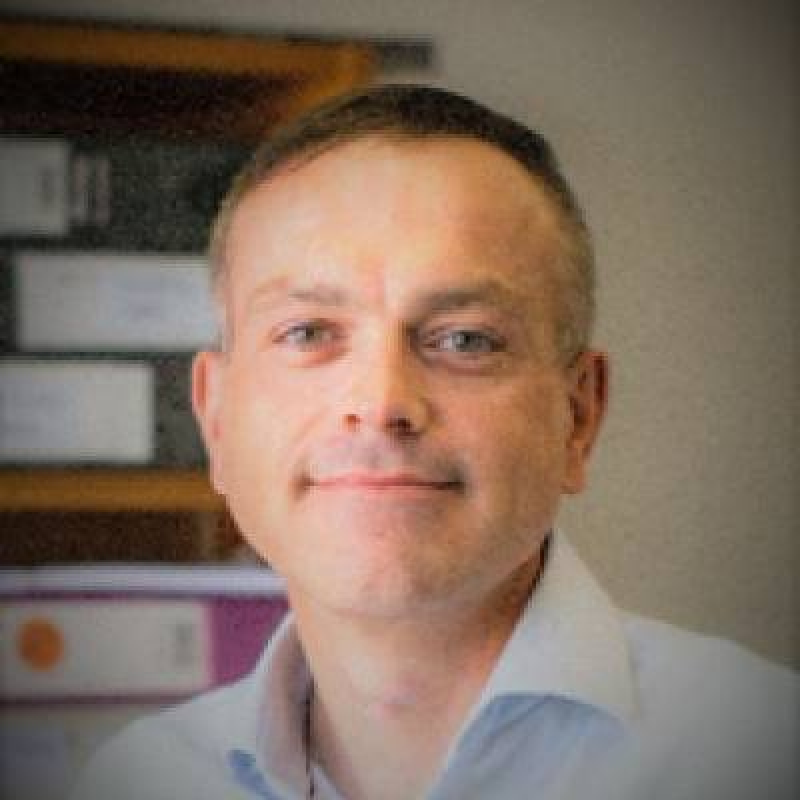
معرفی
Andrew Jahoda is Professor of Learning Disabilities at the University of Glasgow's Institute of Health and Wellbeing, where he leads research on mental health interventions for individuals with intellectual and developmental disabilities. His work focuses on adapting evidence-based psychological therapies for this population, with particular emphasis on depression treatment and pandemic-related mental health impacts.
His academic background includes a PhD in Psychology from the University of Stirling and an MPhil in Clinical Psychology from the University of Edinburgh. These qualifications underpin his clinical and research expertise in disability psychology.
Professor Jahoda's research program centers on psychological well-being in intellectual disabilities, including Behavioral Activation therapy adaptation, family network dynamics, stigma reduction, and pandemic resilience. He employs mixed-methods approaches across longitudinal studies, randomized controlled trials, and qualitative evaluations to develop accessible mental health interventions. His work consistently addresses real-world implementation challenges in clinical and community settings.
Analysis of his 2022-2025 publications reveals accelerating focus on autism-intellectual disability comorbidity, pandemic-specific mental health trajectories, and structural barriers to community participation. Key trends include therapy adaptation for severe/profound disabilities, caregiver-inclusive treatment models, and intersectional analyses of discrimination. His work increasingly incorporates participatory research methods with people with lived experience.
He directs significant grant-funded research, including a current Chief Scientist Office project (2023-present) on Behavioral Activation for depression in severe learning disabilities, and previously led the NIHR-funded BEAT-IT RCT (2013-2017). His UKRI-funded pandemic impact study generated critical evidence for disability-inclusive crisis response.
Professor Jahoda collaborates extensively with UK-wide networks including Richard Hastings, Chris Hatton, and Jill Bradshaw. His work with the Glasgow-based Intellectual Disability and Mental Health research group informs national policy through partnerships with NHS Scotland and third-sector organizations focused on disability rights and inclusion.