معرفی
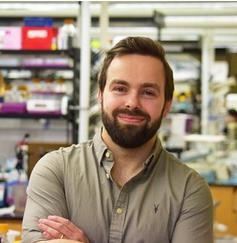
Anastasia Ludwig is a University Researcher and Associate Professor in Neuroscience at the University of Helsinki, affiliated with the Neuroscience Research Center under the Faculty of Biological and Environmental Sciences. She holds a PhD in Physiology (2008) and a Docent title in Neuroscience (2013) from the University of Helsinki, along with an MSc in Biochemistry (1997) from Moscow State University.
- Education
- MSc in Biochemistry (Moscow State University, 1997)
- PhD in Physiology (University of Helsinki, 2008)
- Docent in Neuroscience (University of Helsinki, 2013)
- MSc in Bioinformatics (University of Helsinki, expected 2024)
Ludwig’s research focuses on neuroscience, particularly the KCC2 protein and its role in chloride homeostasis, neuronal development, and neurodegenerative disorders. Her work spans molecular biology, neurogenetics, and neuropharmacology, with applications in epilepsy and schizophrenia. Recent publications highlight her contributions to inorganic voltage nanosensors and ITPR3 mutations in neurological diseases.
Her research integrates functional ultrasound imaging, in vivo cellular imaging, and iPSC modeling to explore neuronal-glial interactions and synaptic maturation. She has led projects such as Modulators of chloride homeostasis for treating neurological disorders and StopSeizures R2B, supported by the Magnus Ehrnrooth Foundation and Business Finland.
Ludwig currently serves as a Senior Scientist at Herantis Pharma Plc (2024–2025) and has participated in international collaborations, including a postdoctoral fellowship at the Institute of Biology of the École Normale Supérieure (2016–2019). Her laboratory utilizes advanced equipment like two-photon microscopes and fiber photometry systems for neuronal studies.