معرفی
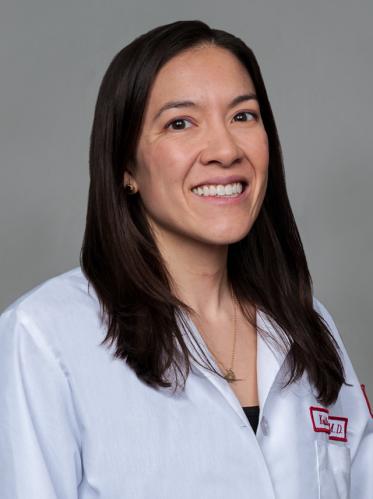
Amisha Wallia, MD, MS, is an Associate Professor at Northwestern University Feinberg School of Medicine with primary appointments in the Department of Medicine (Division of Endocrinology, Metabolism and Molecular Medicine), Medical Social Sciences, and Preventive Medicine. Her clinical research focuses on diabetes mellitus in high-risk populations including solid organ transplant recipients, with emphasis on patient safety and quality improvement.
Her educational background includes:
- MD from Georgetown University (2005)
- MS from Northwestern University (2011)
- Internal Medicine Residency at Northwestern University, McGaw Medical Center (2008)
- Endocrinology Fellowship at Northwestern University, McGaw Medical Center (2011)
Dr. Wallia's research spans diabetes care optimization, health disparities in technology access, and implementation science for vulnerable populations. Her methodologies include retrospective cohort studies, clinical trials, and intervention studies addressing gaps in transplant diabetes management and underserved community care.
Recent publications demonstrate growing focus on diabetes technology equity, patient education toolkits, and intersections of chronic conditions like HIV with diabetes in aging populations, alongside mental health impacts of Long COVID on healthcare systems.
Her teaching excellence is recognized through multiple awards:
- Outstanding Teacher, Feinberg School of Medicine (2021)
- She for She Nominee, Women in Medicine (2021)
- Outstanding Teaching Awards for Scholarly Concentration Mentorship (2016, 2018)
She actively mentors medical trainees through resident research projects and the Scholarly Concentration program. As President of the American Diabetes Association Illinois Chapter and member of national committees including CMS Diabetes Clinical Committees and Endocrine Society quality improvement initiatives, her leadership shapes clinical guidelines. Current collaborations with the Northwestern University Transplant Outcomes Research Collaborative and Center for Diabetes and Metabolism drive interdisciplinary quality improvement in diabetes care.