معرفی
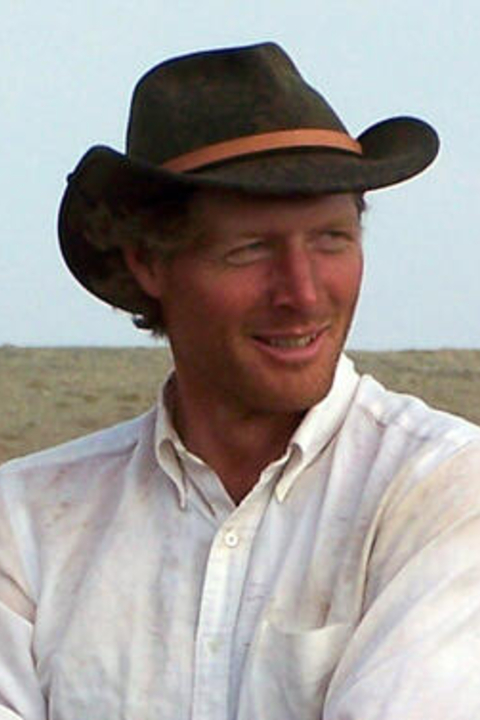
Alicia Ventresca-Miller is an Assistant Professor of Anthropology and Assistant Curator of Archaeological Sciences at the University of Michigan. She holds affiliations with the Museum of Anthropological Archaeology, Department of Anthropology, and Max Planck Institute for the Science of Human History. Her research focuses on ancient diets, mobility, and pastoral lifeways in Central Asia, Inner Asia, and Siberia, using biomolecular techniques like isotopic and proteomic analyses. She leads the Ancient Protein and Isotope Laboratory at U-M, studying ancient cuisines and human mobility. Current projects include investigating proto-urban centers in Central Asia and life under the Mongol Empire through dietary and disease transmission studies.
Education: Ph.D. (University of Pittsburgh), MA (New Mexico State University), BA (SUNY Buffalo).
Research interests emphasize integrating science and anthropology to challenge narratives about nomadic societies. Key projects include the Mongol Northern Realms initiative and Sustenance in the Hungry Steppe, exploring urbanization mechanisms and agricultural intensification. Her lab work combines archaeology with chemistry to analyze dietary and mobility patterns in prehistoric populations.
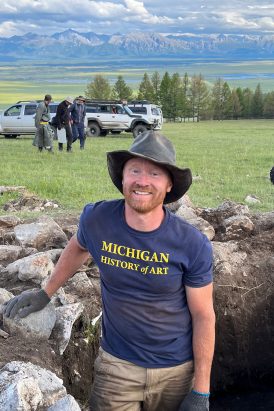
She actively collaborates on excavations in Mongolia, including salvaging looted Mongol-era cemeteries. Her fieldwork addresses globalization impacts on diets and pathogens during the Mongol Empire. She co-edited Isotopic Investigations of Pastoralism in Prehistory, advancing methodologies in isotopic analysis.