معرفی
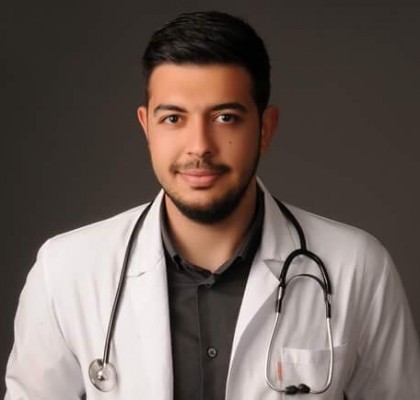
Ali Said DURMUŞ is a Professor at the Faculty of Veterinary Medicine, Firat University, Elazig, Turkey, where he has maintained an active academic position since 1993. His primary role involves conducting surgical research and teaching within veterinary medicine, with specialization in surgical techniques and pharmacological interventions for animal health.
He obtained his Professor Doctorate (Prof. Dr.) in Surgery from Firat University in 1993, establishing his expertise in veterinary surgical sciences. This qualification represents the highest academic rank in the Turkish university system for surgical disciplines.
Dr. DURMUŞ's research focuses on critical challenges in veterinary surgery, particularly adhesion prevention, wound healing mechanisms, and orthopedic condition management. His work consistently explores pharmacological and natural interventions using rodent and rabbit models, with significant contributions in osteoarthritis treatment, corneal repair, and reproductive surgery complications. Key innovations include evaluating polyherbal formulations, amniotic fluid applications, and nutraceutical compounds for enhancing surgical outcomes.
Analysis of his 38 publications reveals a cohesive research trajectory centered on experimental surgical models. Recent work (2021-2023) emphasizes novel formulations for osteoarthritis and diabetic wound healing, while earlier studies (2012-2020) established foundational knowledge on oxidative stress management and adhesion prevention. His methodology consistently integrates hematological, histopathological, and biochemical analyses to validate therapeutic interventions.
Scientific Awards:
No specific awards, fellowships, or medals were documented in the provided information.
Advising and Grants:
While his extensive publication record suggests mentorship activities, no specific students, grant funding details, or research project descriptions were mentioned in the available materials.
Laboratory and Team Affiliations:
Dr. DURMUŞ collaborates across Turkish academic institutions including Ankara University and Bingöl University, but dedicated laboratory facilities or formal research teams were not specified in the source documentation.