معرفی
Ali Mohebi is an Assistant Professor in the Department of Psychology at the University of Wisconsin-Madison. His research focuses on the neurobiology of cognitive control, particularly the role of neuromodulators like dopamine and acetylcholine in learning, decision-making, and motivation. He employs advanced optical and electrophysiological techniques in rodent models to study brain dynamics during behavioral tasks. Mohebi holds a PhD in Electrical and Computer Engineering from Michigan State University, followed by postdoctoral training in Psychology at the University of Michigan and Neurology at UCSF.
Key research areas include:
- Neuromodulatory Systems: Investigating how dopamine, serotonin, acetylcholine, and norepinephrine influence neural activity and cognitive functions.
- Decision-Making: Exploring how neuromodulators shape reward learning, effort-based decisions, and working memory.
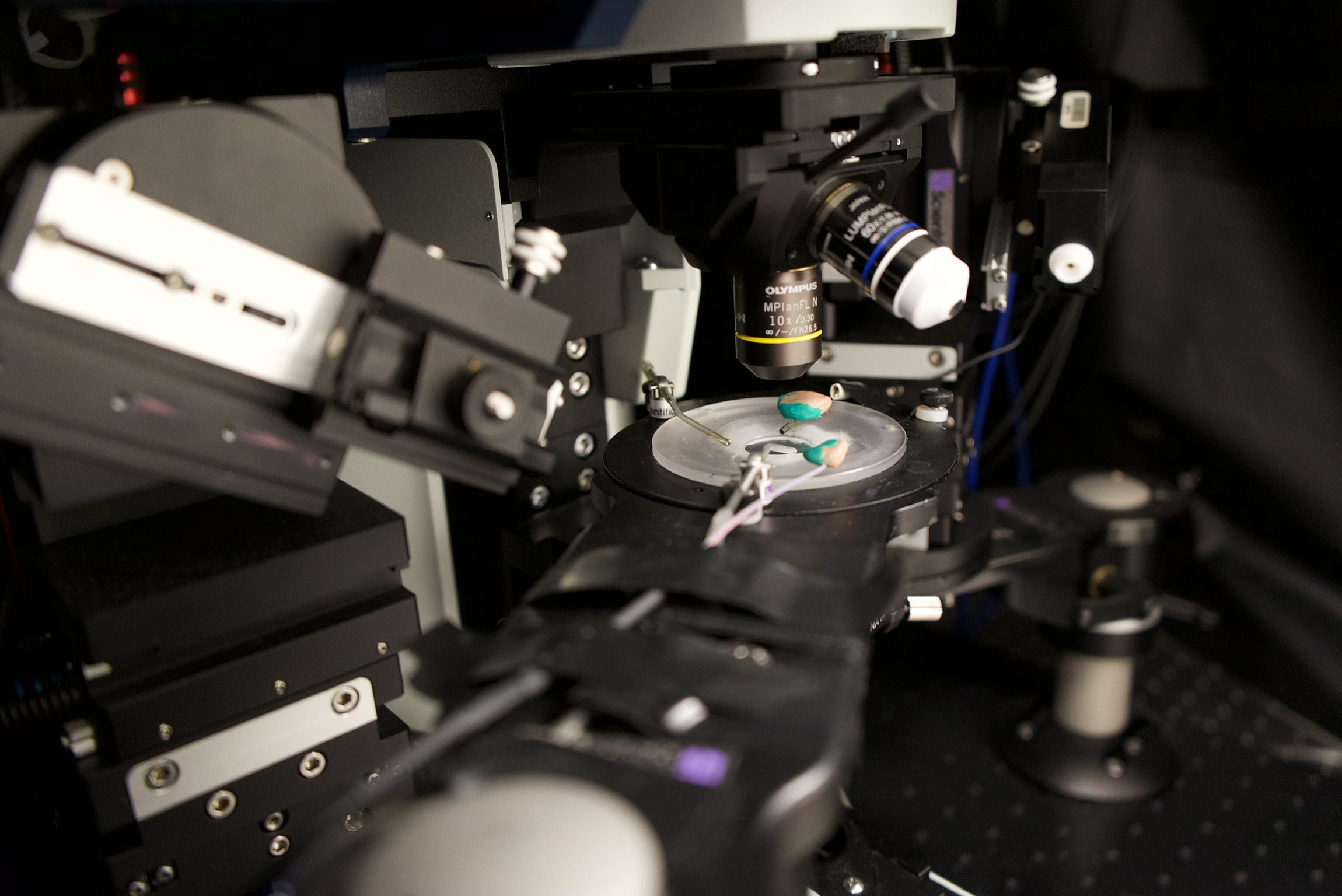
- Techniques: Pioneering fiber photometry, in vivo electrophysiology, and viral tools for circuit mapping.
Mohebi has received prestigious awards including the K01 and NARSAD grants. His lab, Mohebi & Associates, emphasizes diversity and collaborative science. Current lab members include graduate student Lilian Pelattini and undergraduate Tianrui Yang. Recent work highlights the dissociation between dopamine cell activity and local dopamine release in motivating behavior.