معرفی
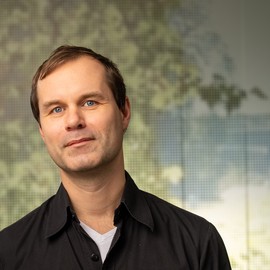
Alexander Wenz serves as a Research Fellow in Survey Methodology at the Mannheim Centre for European Social Research (MZES) at the University of Mannheim and holds the position of Vice President of the European Survey Research Association (ESRA) for 2023-2027. Within MZES, he operates in the Data and Methods Unit, providing comprehensive methodological consulting for survey design, data collection, and analysis across institute projects.
Education:
- Ph.D. in Survey Methodology (2018), University of Essex
- B.A. in Politics and Public Administration (2014), University of Konstanz
Dr. Wenz's research program centers on advancing digital data collection methodologies, with particular emphasis on identifying and mitigating representation and measurement errors across web surveys, smartphone applications, wearable sensors, and online panels. His work integrates social psychology with survey methodology to develop frameworks for improving participation rates and data validity in technology-mediated research contexts. Key contributions include typologies of digital divides and validation studies comparing self-reported behavior with digital behavioral data.
Analysis of his 2019-2025 publications reveals consistent focus on mobile data collection challenges, with recurring themes including smartphone acceptance barriers, measurement discrepancies between survey and sensor data, and innovative strategies for enhancing representativeness. His work spans interdisciplinary venues including Survey Research Methods, Social Science Computer Review, and Mobile Media & Communication, demonstrating methodological rigor applied to contemporary digital research paradigms.
Scientific Awards:
- No specific awards mentioned in source text
As Principal Investigator for the Baden-Württemberg Stiftung-funded project "Acceptance of Smartphone Technologies for Social Science Data Collection" (2023-2026), Dr. Wenz leads development of theoretical frameworks explaining participation willingness in smartphone-based studies. His collaborative publication record shows extensive partnerships with leading survey methodologists across international institutions, though no student advising is documented.
He actively shapes methodological discourse through co-organization of the Mannheim Research Colloquium on Survey Methods and the MZES Social Science Data Lab, creating platforms for advancing computational social science methodologies and fostering cross-institutional collaboration in survey innovation.