معرفی
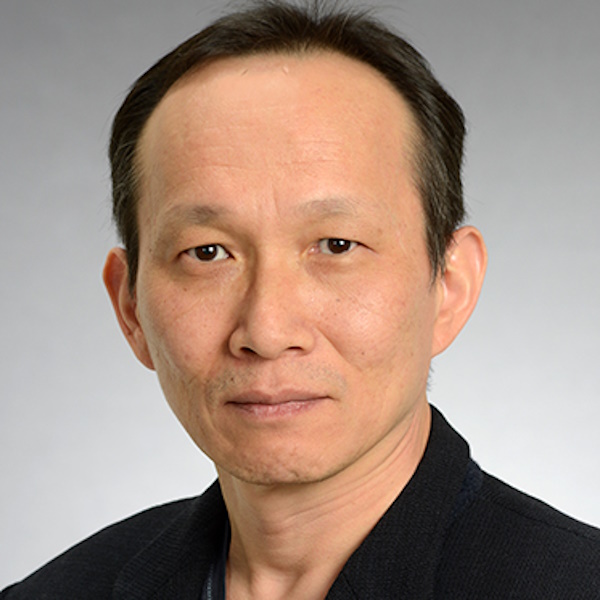
Alexander Heyl is a Professor in the Department of Biology at Adelphi University, within the College of Arts and Sciences. His research focuses on the molecular evolution and function of plant signaling pathways, particularly cytokinin signaling across diverse plant lineages.
Education:
- Habilitation (Post-doctoral qualification), Free University Berlin, Germany (2010)
- Ph.D., University of Cologne, Germany (1999)
- German Diploma, University of Tübingen, Germany (1995)
Dr. Heyl's research centers on the origin and molecular mechanisms of cytokinin signal transduction in plants. He employs both wet-lab experiments and bioinformatics to study how cytokinin signaling evolved from algae to land plants. His work often involves Physcomitrella patens (moss) as a model system to understand ancestral signaling mechanisms. Research interests include protein-protein interactions, transcriptional regulation, receptor evolution, and the role of whole-genome duplications in pathway diversification.
His recent publications highlight trends in the evolutionary analysis of cytokinin receptors across the plant kingdom, the discovery of novel receptor subfamilies, and the functional characterization of signaling components in non-vascular plants. These studies contribute to understanding how complex signaling systems evolved during plant terrestrialization.
Scientific Awards:
- No awards listed in the provided text.
Dr. Heyl advises graduate students in thesis research related to protein interactions, transcription factors, and hormone signaling in moss. While specific grant information is not mentioned, his extensive publication record and active research program suggest ongoing research support. He has delivered numerous invited and conference presentations internationally, reflecting his active role in the plant science community.
Labs and Teams: Dr. Heyl leads the Heyl Lab, which can be accessed at heyllab.wordpress.com. The lab integrates molecular biology, genetics, and computational approaches to study plant signaling evolution.