معرفی
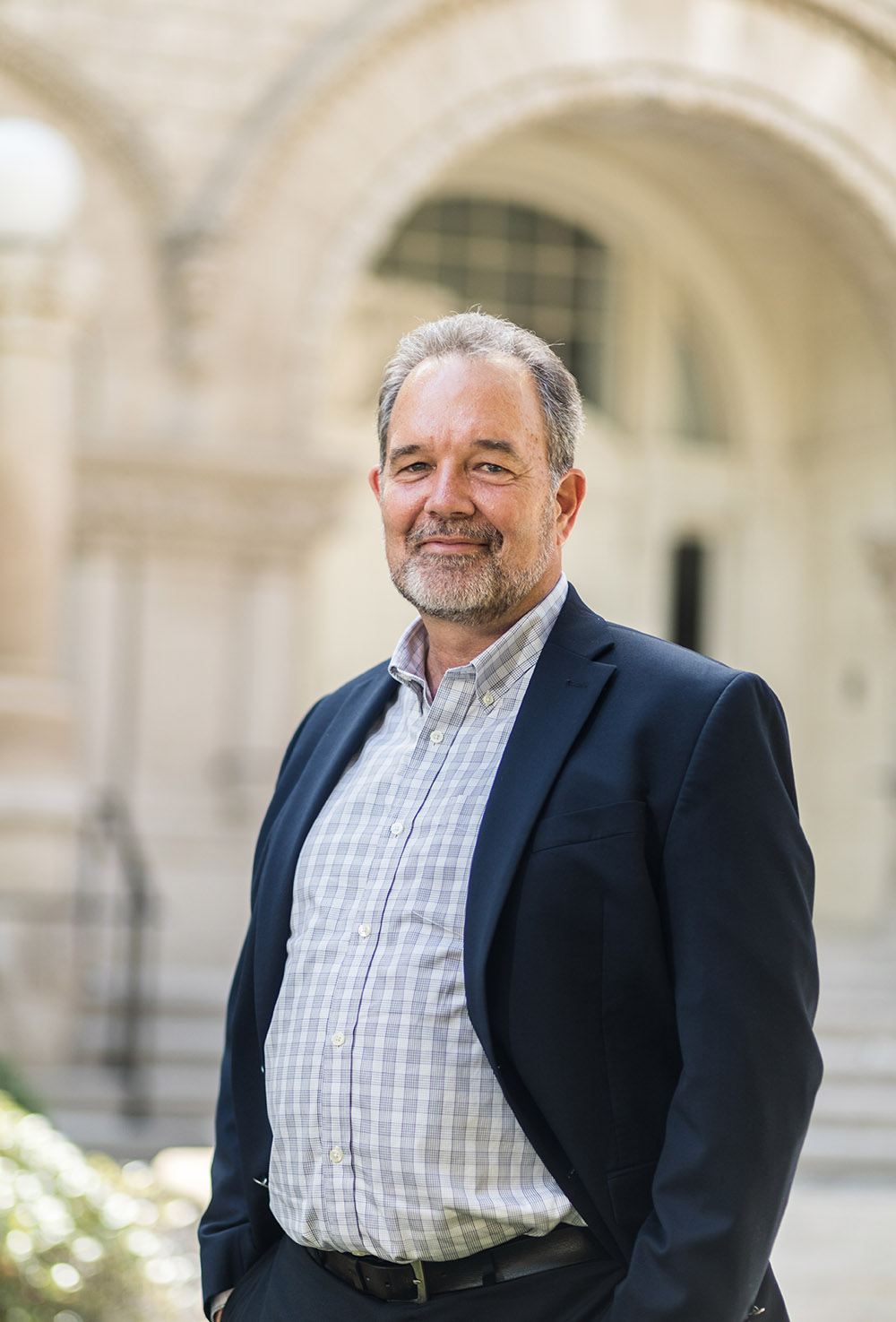
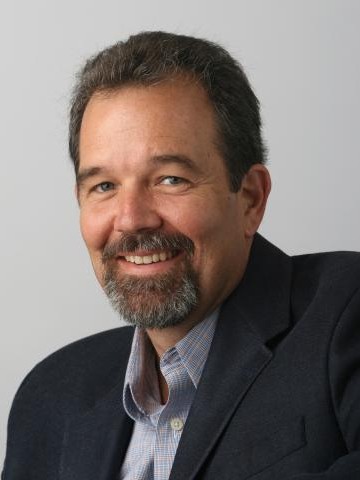
Alastair Norcross is Professor and Director of the Center for Values and Social Policy at the University of Colorado, Boulder, within the Department of Philosophy, College of Arts and Sciences. He has held academic appointments at Southern Methodist University, Rice University, and Hobart and William Smith Colleges, and was a visiting associate professor at the University of Arizona. He earned his Ph.D. from Syracuse University in 1991 and a B.A. in Classics from Christ Church, Oxford.
His research centers on ethical theory, particularly consequentialism and utilitarianism, where he defends a unique scalar approach that evaluates actions on a continuum rather than in binary terms of right or wrong. He also contributes significantly to applied ethics, including animal rights, abortion, euthanasia, and moral psychology. His work challenges deontological frameworks and explores the moral implications of aggregation, harm, and intention.
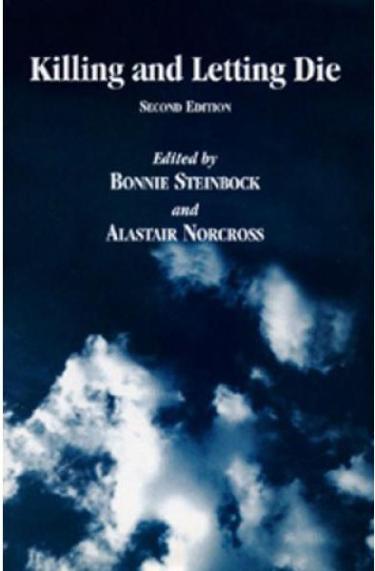
His recent publications reflect a sustained focus on value comparison, moral intuitions, and the ethical status of animals. Themes across his work include the rejection of absolute moral rights, the defense of utilitarian reasoning, and the critique of non-consequentialist theories. He is the author of Morality by Degrees: Reasons Without Demands (2020), which elaborates his scalar utilitarianism.
- Baker College Special Service Award, 2004
- SMU President's Associates Outstanding Faculty Award, 2001
- SMU Ethics Development Grant, 2001
- Maguire Teaching Fellowship, 1997
- Sam Taylor Fellowship, 1994
Norcross has served as president of the Southwestern Philosophical Society and the North Texas Philosophical Association. He is on the editorial boards of several leading journals, including The Journal of Moral Philosophy and Southwest Philosophy Review. He has advised on curriculum development and ethics programs and has delivered numerous invited lectures nationally. He has not listed any doctoral or master’s students in the provided materials.
He is fluent in French, Ancient Greek, and Latin, and continues to be an active contributor to philosophical discourse through publications, conferences, and public engagement.