معرفی
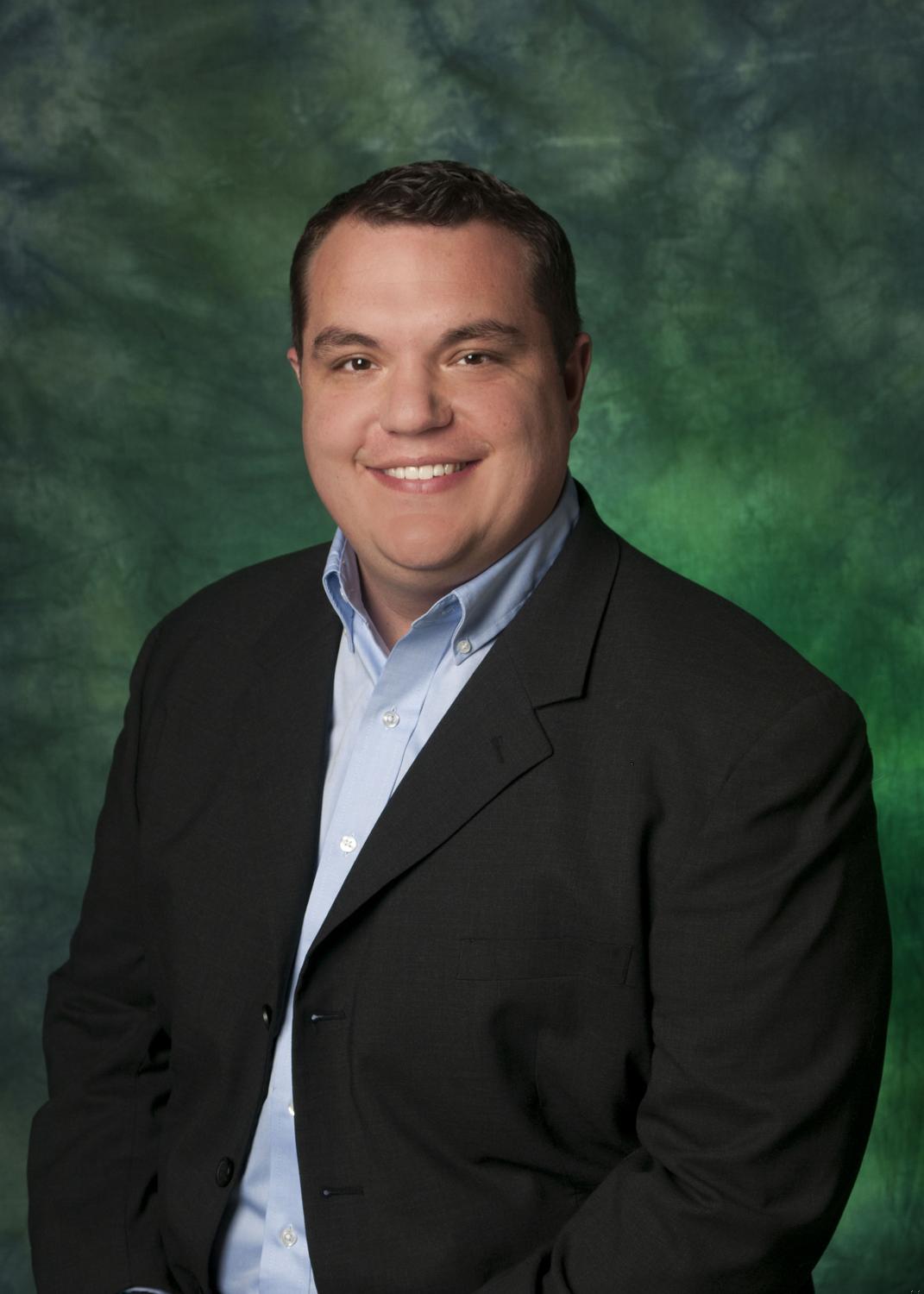
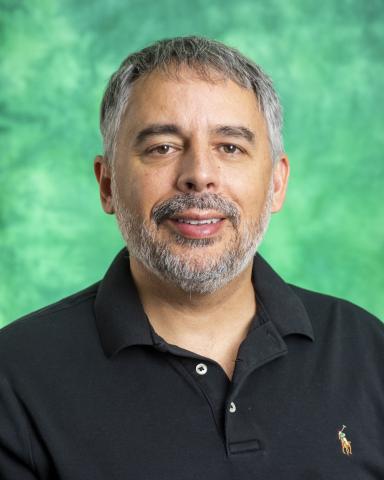
Adriel Boals is a Professor in the Department of Psychology at the University of North Texas, where he directs the Boals Lab. His research focuses on trauma psychology, particularly how individuals cope with traumatic experiences through autobiographical memory processes. He maintains an active research program with numerous publications and graduate student mentorship.
His educational background includes a B.S. in Psychology from the University of Florida (1995), a Ph.D. in Social Psychology from North Carolina State University (2002), and a Post-Doctoral Fellowship in Cognitive Psychology at Duke University.
Boals' primary research examines three interconnected areas: perceptions of posttraumatic growth (how trauma survivors may grow from adversity), the etiology of PTSD, and various coping strategies that impact mental and physical well-being. His work emphasizes event centrality—how trauma becomes integrated into one's identity—and explores cognitive mechanisms like mind wandering, flashbulb memories, and religious coping. Recent studies investigate illusory posttraumatic growth phenomena, spinal cord injury psychology, and veteran mental health.
His publication record shows consistent output in high-impact journals spanning trauma psychology, cognitive science, and clinical applications. Key trends include methodological refinements in growth measurement, interdisciplinary approaches combining cognitive and clinical perspectives, and practical applications for trauma recovery interventions.
Boals has mentored 13 Ph.D. graduates (2011-2017), currently advises two doctoral students, and has chaired 13 undergraduate honors theses and seven McNair Scholar projects. His lab demonstrates strong commitment to training across academic levels, with students frequently co-authoring publications. While specific grants aren't detailed in available materials, his extensive publication record suggests sustained research funding.
The Boals Lab operates within UNT's Department of Psychology, maintaining active collaborations across institutions and disciplines to advance understanding of trauma responses and recovery mechanisms.