معرفی
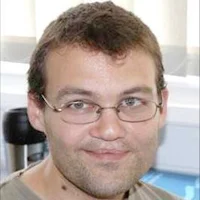
Professor Adrian Harwood is a neuro-cell biologist and co-Director of Research at the Neuroscience and Mental Health Research Institute (NMHRI), Cardiff University, within the School of Biosciences. He holds a PhD and is a Fellow of the Royal Society of Biology (FRSB), with a distinguished career in molecular signaling and cellular mechanisms in psychiatric and neurodevelopmental disorders.
Harwood’s research focuses on the cellular and molecular underpinnings of psychiatric conditions such as schizophrenia, autism spectrum disorder (ASD), and dementia. He utilizes human induced pluripotent stem cells (iPSC), CRISPR gene editing, and Multi-Electrode Array (MEA) technologies to model disease and investigate synaptic function, neurodevelopment, and epigenetic regulation. His work has been pivotal in understanding how mood stabilizers like lithium affect inositol phosphate signaling, a discovery published in Nature in 2002. Current projects examine lipid signaling (e.g., FADS2), chromatin remodeling (e.g., EHMT1, CHD proteins), and neuronal network dysfunction in genetic models of neuropsychiatric disorders.
His recent publications reflect a strong emphasis on iPSC-based disease modeling, epigenetic mechanisms, and translational neuroscience. Articles span high-impact journals such as Nature Communications, Molecular Psychiatry, and Translational Psychiatry, highlighting his leadership in developing cellular models for psychiatric conditions and advancing neuropharmacological testing standards.
- Fellow of the Royal Society of Biology (FRSB)
- Wellcome Trust Senior Biomedical Fellowship
Harwood leads the European COST Action MINDDS, serves on editorial boards for Scientific Reports and Cells, and is an active grant reviewer. He has secured funding from the Wellcome Trust, Waterloo Foundation, and UKRI. He mentors a research group focused on human iPSC models and collaborates internationally with institutions in Amsterdam, Stockholm, and the UK Dementia Research Institute. He has no known labs or teams explicitly named, but leads a research group within NMHRI. His career trajectory includes early work on GSK-3 and Wnt signaling in Dictyostelium, transitioning to human cellular neuroscience at Cardiff since 2005.
حوزههای پژوهشی