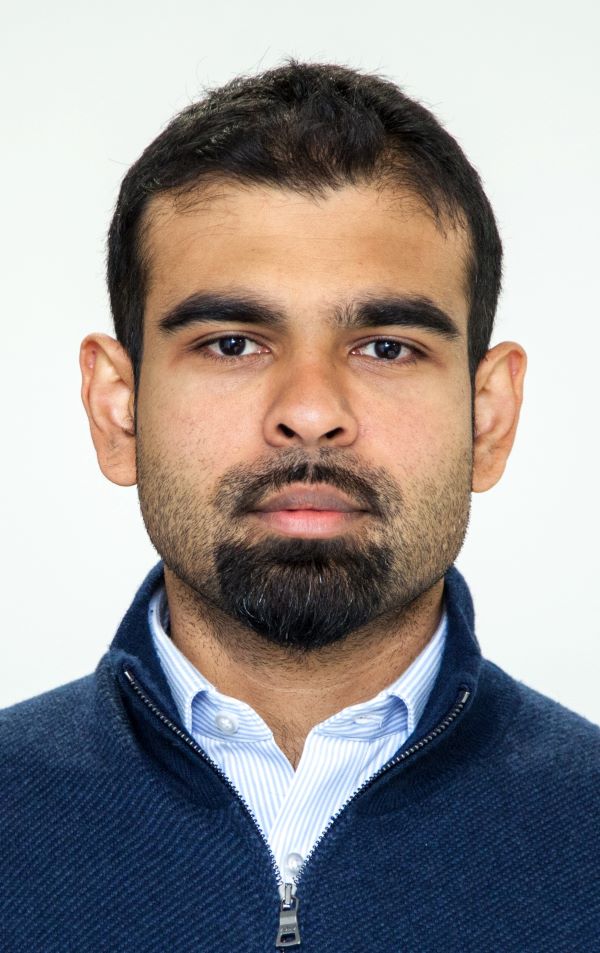
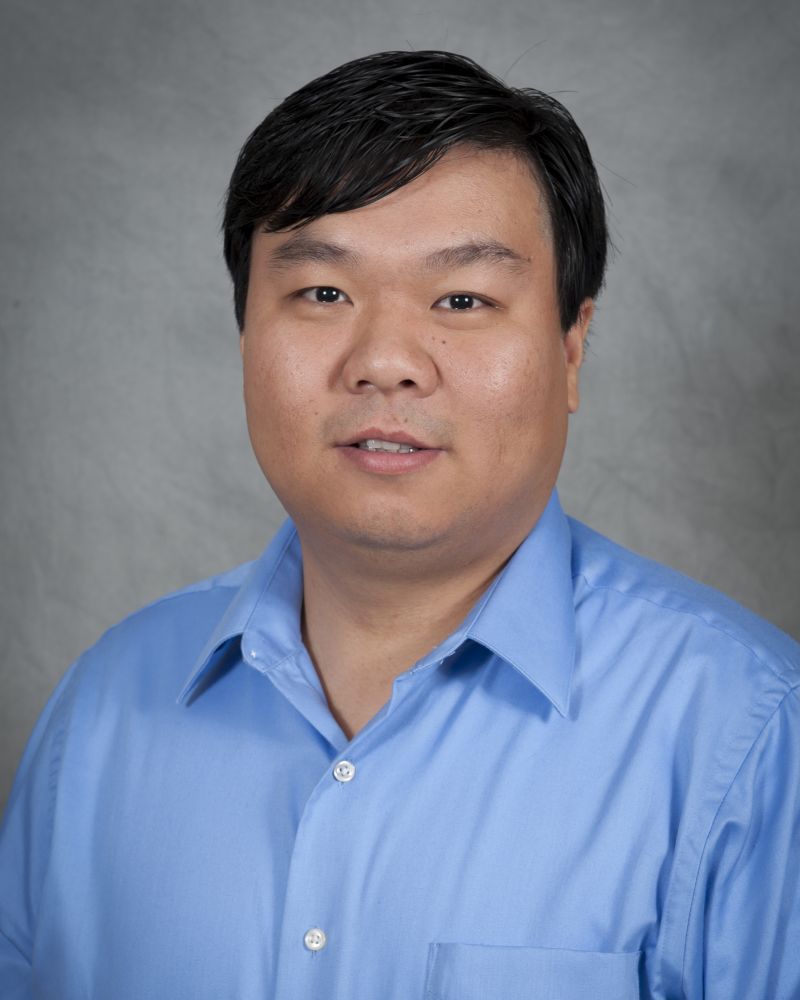
معرفی
Aditya Paranjape is an Associate Professor in the Department of Mechanical & Aerospace Engineering at Monash University, Faculty of Engineering. His research spans nonlinear control systems, aerospace dynamics, and multi-agent robotics, with applications in flexible wing control, digital twins, and resilient team coordination.
Research Interests: His work focuses on nonlinear control of infinite-dimensional systems, particularly in modeling and stabilizing very flexible wings. He also investigates distributed control in robotic teams, including adversarial disruptions and communication constraints. Additionally, he applies modeling and simulation techniques to real-world problems such as climacteric fruit supply chains through digital twin frameworks.
Recent Research Trends: Over the past few years, his publications reveal a growing emphasis on boundary control for aeroelastic systems, digital twin integration in logistics, and robustness of swarm behaviors under adversarial conditions. These reflect interdisciplinary efforts combining mechanical engineering, control theory, and computational modeling.
Collaborations and Affiliations: He actively collaborates with researchers across institutions and contributes to international forums such as the AIAA SciTech Forum and IEEE CDC. His work aligns with UN Sustainable Development Goals, particularly in sustainable industry and innovation.
Advising and Grants: While specific students and funding sources are not listed in the provided text, his extensive publication record and collaborative projects suggest active supervision and research leadership. He likely mentors graduate students in aerospace and control systems through thesis projects and joint publications.
Labs and Research Teams: Though no formal lab name is mentioned, his research areas imply involvement in groups focused on aerospace dynamics, control systems, and modeling & simulation at Monash University. These teams likely engage in both theoretical development and practical implementation of control algorithms.