معرفی
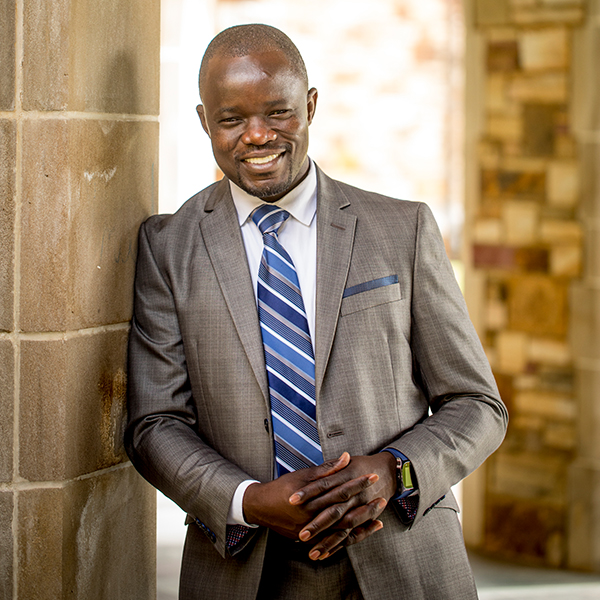
Abou B. Bamba is an Associate Professor of History and Africana Studies at Gettysburg College, where he teaches courses in both the History Department and the Africana Studies program. Originally from Ivory Coast, Professor Bamba brings a unique transnational perspective to his academic work, bridging African and American scholarly traditions.
Education:
- PhD in History, Georgia State University, 2008
- Graduate Certificate in Geographic Information Science (GIS), Georgia State University, 2008
- MA in American Studies, Université d'Abidjan-Cocody, 1996
- BA, Université d'Abidjan-Cocody, 1995
Professor Bamba's research focuses on post-1945 transnational histories of modernization, U.S.-Africa relations, migration/expatriation, and the search for the 'good life' in Africa. His scholarly work critically examines the intersection of colonialism, decolonization, and development in Francophone Africa, particularly Ivory Coast. His approach combines historical analysis with insights from geography and political economy, reflecting his interdisciplinary training including GIS certification. His research has significantly contributed to understanding how African nations navigated the complex terrain of post-colonial development amid competing global influences.
His extensive publication record, spanning from 2010 to 2025, reveals a consistent focus on transnational historical connections between Africa and the wider world. His work demonstrates particular expertise in Cold War-era African diplomacy, urban development in West Africa, migration patterns (including the often-overlooked migration of Europeans to Africa), and the political economy of development in post-colonial states. His acclaimed book 'African Miracle, African Mirage' has reshaped understanding of Ivory Coast's celebrated economic development.
Professor Bamba's teaching portfolio is equally impressive, covering a wide range of topics from introductory African Studies to advanced seminars on decolonization. His courses reflect his research interests while providing students with comprehensive understanding of African history and contemporary issues.