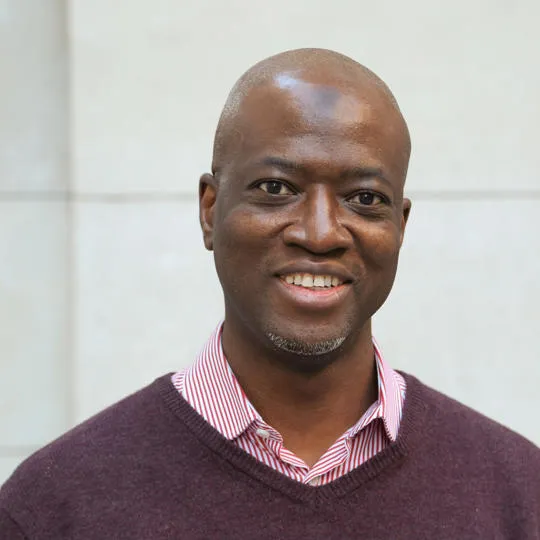
Joel HartterView profile
Professor
Joel Hartter is a Professor in the Department of Environmental Studies at the University of Colorado, where he also served as the founding director of the Masters of the Environment and Outdoor Recreation Economy programs. With dual BS degrees in Mechanical Engineering and German from the University of Michigan, an MS in Forest Engineering from Oregon State University, and a PhD in Geography from the University of Florida, his expertise bridges sustainability science, policy, and practice. His research focuses on private sector engagement in sustainability, ESG frameworks, climate action, and the Sustainable Development Goals (SDGs), with particular attention to net-zero strategies, bioeconomy implementation, and nature-based solutions. Dr. Hartter’s work emphasizes stakeholder engagement, inclusive decision-making, and bridging science with practical applications in conservation, climate resilience, and economic development. He has led projects globally in Africa, South America, and the US, addressing challenges such as wildlife conservation, sustainable supply chains, and community-based natural resource management. As a National Geographic Explorer and advisor to Fortune 500 companies, NGOs, and governments, he integrates sustainability into organizational strategies to drive innovation and competitive advantage. His teaching reaches over 20,000 students annually through courses on sustainability leadership and workforce development. Dr. Hartter’s interdisciplinary approach combines geospatial analysis, participatory methods, and behavioral science to address complex socio-ecological issues. His research spans topics like climate migration, household vulnerability, and the impact of conservation policies on communities. Notable projects include studying land-use changes in Uganda’s Albertine Rift and evaluating the effects of oil exploration on protected areas in Murchison Falls Conservation Area. Dr. Hartter collaborates closely with communities, governments, and international organizations to create equitable, actionable sustainability solutions.