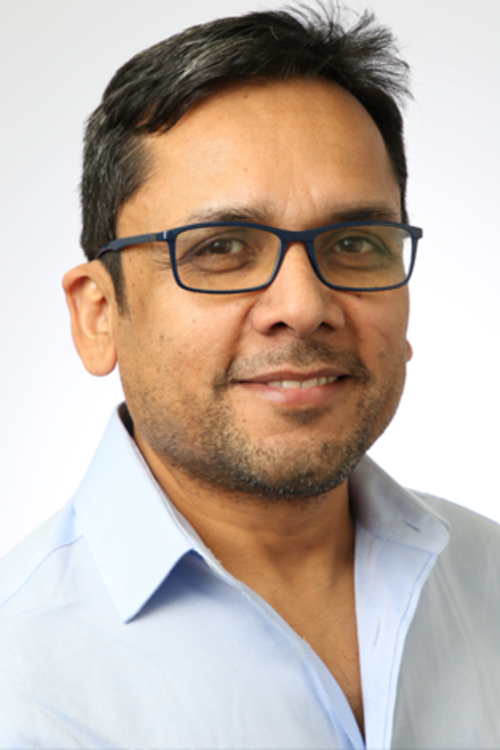
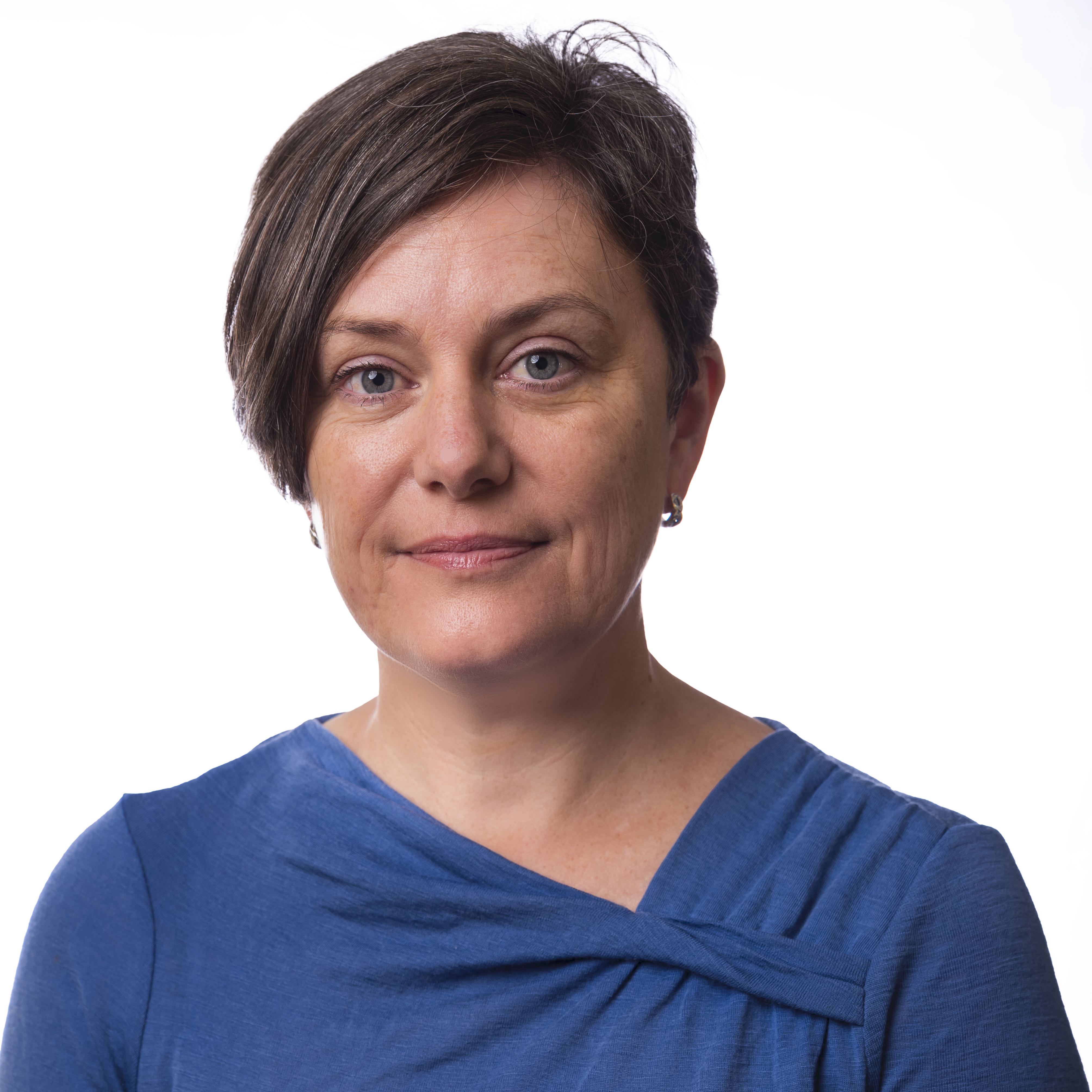
Akhilesh Kumar, PhD, serves as an Assistant Professor in the Department of Medicine at the University of Minnesota Medical School, specializing within the Division of Hematology, Oncology & Transplantation. His academic appointment bridges regenerative medicine and oncology, focusing on the development of novel cellular therapies through stem cell engineering and immunological research. Dr. Kumar's research program centers on hematopoietic stem cell differentiation, with particular emphasis on T cell and natural killer cell development from pluripotent stem sources. His work investigates molecular regulators like BCL11B in lymphoid specification and explores therapeutic targets such as DLL3 in neuroendocrine tumors. Current projects include engineering multi-antigen targeting cellular therapies for thoracic cancers and multiple myeloma, generating vasculogenic cell populations for regenerative applications, and enhancing natural killer cell function through metabolic modulators like nicotinamide. This research integrates stem cell biology, immunology, and translational oncology to address unmet needs in cancer treatment. Analysis of Dr. Kumar's recent publications (2023-2025) reveals a strong translational focus with significant contributions to hematopoietic development and cancer immunotherapy. His team has pioneered methods for arterial hemogenic endothelium production, elucidated transcription factor networks in blood cell specification, and advanced clinical applications including NK cell therapy for lymphoma. The work demonstrates interdisciplinary reach, spanning from basic mechanisms of lymphoid development to computational approaches in drug delivery and building aerodynamics, reflecting collaborative efforts across engineering, computational biology, and clinical oncology domains.
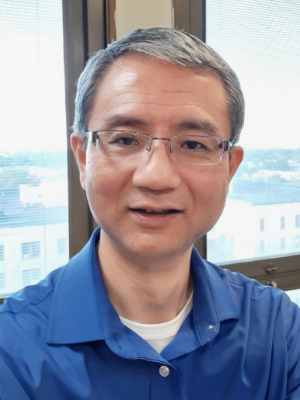
Chongmin Huan, PhD, MD, serves as Assistant Professor in the Department of Cell Biology at SUNY Downstate Health Sciences University's College of Medicine, with additional appointments as Principal Investigator and Graduate Student Supervisor in the School of Graduate Studies' Molecular and Cellular Biology Program. His research focuses on autoimmune disease mechanisms, particularly systemic lupus erythematosus (lupus), utilizing genetically modified mouse models and human clinical samples to investigate B cell tolerance pathways. Dr. Huan's primary research centers on sphingomyelin synthase 2 (SMS2) as a critical regulator of B cell tolerance in germinal centers. His seminal work demonstrates that SMS2 prevents lupus pathogenesis by activating protein kinase C delta (PKCd)-mediated apoptosis in autoreactive B cells. Current investigations examine SMS2/PKCd pathway impairment in lupus patients and its role in existing therapeutic mechanisms, with pharmacologic SMS2 activation showing promise in preclinical models. Analysis of his publication record reveals a consistent research trajectory in sphingolipid metabolism across immunology, gastroenterology, and cardiology. His work spans lupus pathogenesis, inflammatory bowel disease, pancreatitis, and atherosclerosis, consistently identifying sphingomyelin synthases as pivotal regulators of immune tolerance and inflammatory responses through molecular and in vivo approaches. No scientific awards were explicitly mentioned in the provided information. Dr. Huan actively mentors graduate researchers including PhD candidate Sailee Chavan and MD/PhD candidate Shreya Desikan. His collaborative team includes Dr. Christopher Roman (Cell Biology) and Dr. Ellen Ginzler (Medicine: Rheumatology). He teaches Histology and Physiology courses for the College of Medicine, specializing in small intestine and pancreas structure and carbohydrate/water/electrolyte absorption mechanisms. His laboratory employs advanced techniques including germinal center B cell purification protocols to investigate how sphingolipid metabolism governs immune tolerance. The research program maintains strong translational focus with ongoing efforts to develop SMS2-targeted therapies for lupus and related autoimmune conditions.
Olaf Von Ramm is the Thomas Lord Distinguished Professor of Engineering and Professor of Biomedical Engineering at Duke University. His research focuses on diagnostic ultrasound imaging systems, infrared imaging, and medical instrumentation. He has pioneered advancements in high-speed 3D ultrasound imaging, cardiac function quantification, and ultrasonic transducer design. B.S., University of Toronto (1968) M.S., University of Toronto (1970) Ph.D., Duke University (1973) Dr. von Ramm's research spans diagnostic ultrasound systems , medical device development , and cardiovascular imaging technologies . Key projects include: Real-time volumetric ultrasound systems Cardiac stimulation devices for arrhythmia prevention Harmonic wavefront correction techniques Acoustic scatter imaging for tissue characterization His work combines engineering innovation with clinical applications , particularly in cardiology and vascular disease diagnostics. Notable trends include: Progressive development from 2D to 4D imaging systems Integration of VLSI ASICs and piezoelectric micromachined transducers Advancements in angle-independent blood flow measurement Scientific recognition includes: Fellow, American Institute for Medical and Biological Engineering (1998) Thomas Lord Distinguished Professor of Engineering Dr. von Ramm's laboratory employs advanced equipment including second-generation phased array systems, Kontron image processors, and 256-channel ultrasound data acquisition systems. He has coauthored over 40 publications in ultrasound imaging , cardiac function analysis , and transducer array design , with recent work focusing on 4D imaging systems and autogenic cardiac wave visualization.
Bing Ye is the Burton L. Baker Collegiate Professor of the Life Sciences at the University of Michigan. He holds academic roles across multiple institutions: Research Associate Dean at the U-M Life Sciences Institute (LSI), Research Professor at LSI, Professor of Cell and Developmental Biology at the U-M Medical School, and Adjunct Professor in the Department of Molecular, Cellular, and Developmental Biology (MCDB) within the College of Literature, Science, and the Arts (LSA). His research focuses on neuronal development and its impact on nervous system assembly, with a particular emphasis on understanding how defects in this process lead to brain disorders like Down syndrome. He employs a multidisciplinary approach integrating genetics, cell biology, biochemistry, advanced imaging, electrophysiology, computational methods (including machine learning), and behavioral studies. Notably, his lab developed LabGym, an AI-based tool for analyzing animal behavior across species. Bing Ye has a robust educational background: B.S. in Physiology (Nanjing University), M.S. in Neurobiology (Chinese Academy of Sciences), Ph.D. in Neuroscience (Johns Hopkins), and postdoctoral training at UCSF. He is committed to mentoring, training future scientists, and promoting inclusivity in science. His awards include Pew Scholar (2010), Kavli Fellow (2012), and AAAS Fellow (2021). He serves on editorial boards for journals like PLOS Biology and is affiliated with multiple institutes, including the Michigan Neuroscience Institute and the Kresge Hearing Research Institute. His lab actively seeks postdoctoral researchers to advance AI-driven behavior analysis and mouse models of neural disorders.
Dr. Lirong Yan is a tenured Associate Professor at Northwestern University's Feinberg School of Medicine and McCormick School of Engineering. She specializes in developing MRI techniques for cerebrovascular and perfusion imaging, particularly arterial spin labeling (ASL) and 4D MRA. Her research focuses on translating innovations into clinical applications for stroke, Alzheimer’s disease, and neurodegenerative conditions. She directs the Neurovascular Imaging Technology and Translation (NITT) lab, emphasizing non-invasive diagnostic tools and imaging biomarkers. Education: PhD in Biophysics from Chinese Academy of Sciences (2010), Postdoc at UCLA (2013). Professional roles include leadership in ISMRM and American Society of Neuroradiology. Research interests span MRI sequence development, fast imaging, and clinical translation. Key areas include cerebral vascular disease, neurovascular coupling, and aging-related vascular changes. Awards include Alzheimer’s Greater Los Angeles Young Investigator Award (2018) and multiple ISMRM accolades. Active clinical trials investigate cerebrovascular dysfunction in neurodegenerative diseases, using MRI to assess collateral flow and microvascular health. Her work bridges basic science and clinical practice, advancing early detection and treatment monitoring strategies.
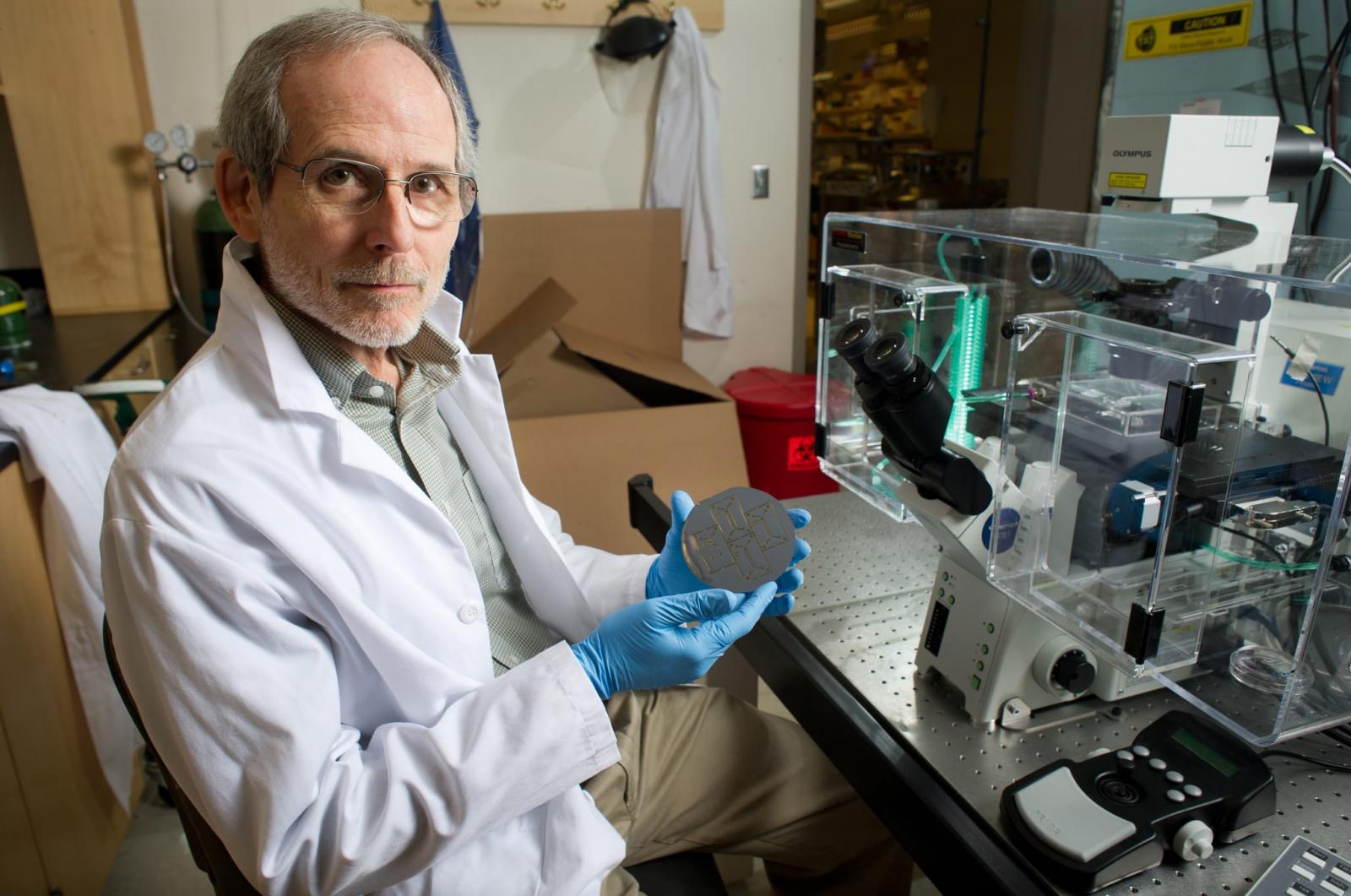
Roger Dale Kamm is the Cecil and Ida Green Distinguished Professor at the Massachusetts Institute of Technology (MIT) in the departments of Mechanical Engineering and Biological Engineering . As a leading figure in mechanobiology, he directs the NSF Center on Emergent Behaviors of Integrated Cellular Systems and co-chairs the MIT faculty. His research focuses on microfluidic models for diseases such as metastatic cancer , Alzheimer’s , and ALS , with an emphasis on integrated cellular systems and living machines . His work bridges cell mechanics , biological systems , and vascular engineering , producing organ-on-a-chip and vascularized organoids for drug screening and disease modeling. Recent publications highlight innovations in neurovascular barriers , mechanical memory in cancer metastasis , and glymphatic system studies for neurodegenerative diseases. His lab develops 3D microfluidic platforms to simulate cardiovascular dynamics , neurological disease , and immune cell trafficking . Scientific Awards : National Academy of Engineering Fellow (2020) Shu Chien Achievement Award (2020) Nerem Medal (2018) Huiskes Medal (2015) Everett Moore Baker Award (2001) He has mentored numerous researchers and graduate students, including Ellen Kan and Marie Floryan . His Mechanobiology Lab at MIT pioneers microphysiological systems for vascular, neurological, and oncological applications, partnering with biotech/pharma for translational research.
Nicola Armstrong is a Professor at Curtin University in Western Australia, where she serves in the School of Electrical Engineering, Computing and Mathematical Sciences within the Faculty of Science and Engineering. She is currently the Discipline Lead for Mathematics and Statistics (2024-25) and serves as president of the Western Australian branch of the Statistical Society of Australia. Dr. Armstrong received her PhD from the Department of Statistics at UC Berkeley. Her academic journey has taken her from postdoctoral work in the Netherlands to positions at the Netherlands Cancer Institute as a senior statistician and the Garvan Institute as a senior bioinformatics officer before joining Curtin University. Her research spans multiple disciplines at the intersection of statistics, genomics, and biomedical science. Dr. Armstrong has made significant contributions to: Development of statistical methodology for genomic analysis Application of statistics to cancer research Studies of healthy ageing and dementia Genome-wide association studies (GWAS) Epigenetics and biomarker research Analysis of her recent publications reveals a strong focus on the genetic and epigenetic factors influencing brain structure, cognitive function, and age-related diseases. Her work often involves large-scale collaborative efforts through international consortia, particularly in the areas of neuroimaging genetics and dementia research. Many of her recent studies employ multi-omics approaches to understand the complex interplay between genetic variation, environmental factors, and disease outcomes. Dr. Armstrong actively contributes to the academic community through her teaching of statistics and data science courses at both undergraduate and postgraduate levels, including STAT1006 Regression and Non-parametric Statistics, STAT3001 Statistical Modelling, STAT4002 Introduction to Applied Statistics, STAT5009 Decision Methods and Predictive Analytics, and ACTL4003 Predictive Analytics Principles.
Joseph Miller is an Assistant Teaching Professor in the Department of Mathematics at The Pennsylvania State University, part of the Eberly College of Science. His office is located in 422 McAllister Building, and he can be reached at jlm145@psu.edu . While his academic appointment is in Mathematics, his research interests and publications focus prominently on neurological disorders, particularly Parkinson’s disease and related neurodegenerative conditions. His work spans interdisciplinary areas such as neuroimaging, vascular risk factors in neurodegenerative diseases, and the impact of pharmacological interventions on cognitive and motor functions. Recent studies include investigations into dopamine replacement therapy effects, dysautonomia in Parkinson’s, and the role of exercise in cognitive health. He has also contributed to epidemiological analyses of vascular risk factors and their association with Parkinson’s disease-dementia. Miller’s publications reflect a strong emphasis on translational research, bridging clinical neurology with diagnostic advancements. He has explored biomarkers like synuclein seed amplification in cerebrospinal fluid and collaborated on studies involving magnetic resonance imaging (MRI) markers for movement disorders. His research also addresses neuropsychiatric comorbidities, such as impulse control disorders linked to antidepressant use in Parkinson’s patients. No scientific awards or grants are explicitly mentioned in the provided materials. He currently has no listed advisees or students.
Benjamin Stacey is a Lecturer in Clinical Science at the University of South Wales's Faculty of Life Sciences and Education. His research examines physiological adaptations to environmental stressors including hypoxia, with focus on cerebrovascular function, oxidative-nitrosative stress, and neurovascular coupling. He coordinates modules in biophysics, biomechanics, and clinical diagnosis while maintaining research at the Neurovascular Research Laboratory. Stacey's research spans environmental physiology (high-altitude adaptation, thermoregulation), exercise physiology in elite athletes, nitric oxide metabolism, and cerebral hemodynamics. His investigations bridge clinical science with environmental challenges, examining both acute stressors and chronic adaptations. His publications demonstrate dual expertise in physiological research and quality-of-experience measurement, with recent emphasis on neurovascular adaptations to hypoxia and cerebral bioenergetics during extreme apnea.
Jeremy G Powell is a Professor in the Department of Animal Science within the Dale Bumpers College of Agricultural, Food and Life Sciences at the University of Arkansas. He serves as the Director of the Experiment Station and has been with the university since 2002, progressing from Assistant Professor to Associate Professor and ultimately to his current Professor position. His primary responsibilities include planning, coordinating and executing beef cattle research, with a focus on health management and disease prevention. Dr. Powell earned his BS in Animal Science from the University of Arkansas, Fayetteville, followed by a DVM in Veterinary Medicine from Oklahoma State University, Stillwater, and completed his PhD in Animal Science from the University of Arkansas, Fayetteville. His educational background has provided a strong foundation for his research and teaching career in veterinary medicine and animal science. Dr. Powell's research focuses primarily on beef cattle health, with specific interests in health management, disease prevention, parasitology, animal wellbeing, and immunology. His work evaluates strategies and technologies to improve cattle health and wellbeing, particularly in relation to castration methods, pain management, reproductive management, and parasite control. He has conducted extensive research on anthelmintic efficacy, estrous synchronization protocols, and the effects of various management practices on cattle performance and health. His research portfolio demonstrates a strong commitment to improving practical beef production systems through scientific investigation. Analysis of Dr. Powell's recent publications reveals consistent focus areas in beef cattle production, with particular emphasis on reproductive management, parasite control, pain management alternatives, and nutritional interventions for cattle grazing endophyte-infected tall fescue. His work bridges basic science with practical applications for producers, addressing critical issues in the beef industry through innovative research approaches including microneedle drug delivery systems and computational analysis of cattle phenotypes. The Arkansas Governor's Cup, First Place Agri. Division Faculty Advisor, 2018 NACADA Faculty Academic Advising National Award, 2010 DBCAFLS Alumni Society Outstanding Advising Award, 2009 The Honor Society of Agriculture Gamma Sigma Delta Honorary Inductee for Outstanding Student Advising, 2006, University of Arkansas Golden Key National Honor Society Dr. Powell is actively involved in pre-veterinary student advising, for which he has received multiple awards including the NACADA Faculty Academic Advising National Award in 2010. His teaching responsibilities include three undergraduate courses: Introduction to Animal Health, Diseases of Livestock, and Companion Animal Management. He also serves as the faculty administrator for the UA beef cow-calf research farm and provides veterinary patient care for university animals including beef cattle, sheep, swine and horses. His work demonstrates significant collaboration with colleagues across multiple institutions, as evidenced by the extensive co-authorship on his publications. As faculty administrator for the UA beef cow-calf research farm, Dr. Powell oversees research operations focused on practical beef production issues. His research team investigates various aspects of cattle health management, with recent projects examining microneedle patch technology for drug delivery, evaluation of alternative castration methods, and reproductive management strategies using sex-sorted semen. The research program maintains strong connections with industry stakeholders to ensure practical relevance of findings to beef producers.
Scott DeBerard is a Professor in the Combined Clinical/Counseling Psychology specialization at Utah State University's Psychology Department, part of the Emma Eccles Jones College of Education and Human Services. His clinical expertise spans primary care psychology, health psychology, and behavioral medicine. He currently supervises graduate practicum students at USU's Student Health and Wellness Center and Brigham City Hospital's Cardiac Rehabilitation Program. Dr. DeBerard is actively involved in research focusing on biopsychosocial factors influencing surgical outcomes, particularly lumbar fusion and spine surgery in workers’ compensation patients, as well as neurodegenerative disorders like Alzheimer’s disease through the Cache County Dementia Progression Study. His work emphasizes psychosocial predictors of health outcomes, caregiver coping strategies, and cost-benefit analyses in healthcare settings. Research interests include health-related quality of life, pain management, and the interplay between physical activity, genetics, and cognitive aging. He has contributed extensively to understanding sex differences in Alzheimer’s risk and vascular factors. Dr. DeBerard’s publications highlight the importance of pre-surgical psychological assessments and the role of biopsychosocial models in predicting surgical and medical costs. He is currently accepting students for the Fall 2025 cohort, focusing on clinical/counseling psychology training. His professional activities include integrated behavioral healthcare program development and leadership in academic training. Personal interests include outdoor activities like hiking, triathlons, and family life with his wife and three children.
Dr. José Díaz Varela is a Professor of Plant Physiology at the University of A Coruña in Spain. He leads the FISAPLANT research group and has over 20 years of teaching experience, delivering courses in BSc Biology, MSc Molecular and Cell Biology, and MSc Advanced Biotechnology. His academic career spans from 1990 with a BSc in Biological Sciences at the University of Santiago of Compostela to a PhD in Biology at the University of A Coruña in 1995. PhD in Biology (1995), University of A Coruña BSc in Biological Sciences (1990), University of Santiago of Compostela His research focuses on plant disease resistance mechanisms, specifically: Induction of resistance by biotic/abiotic agents against fungal and oomycete pathogens Host-specific resistance in solanaceous plants Copper stress effects and cross-protection against pathogens Hormonal regulation of peroxidases and capsaicinoids in plant species Recent publications highlight his work on biocontrol agents, stress physiology, and pepper crop protection. His teaching innovations include pandemic-era hybrid learning models and cooperative learning strategies aligned with sustainable development goals.
Stephen Sau-Shing Cheung is a Professor in Kinesiology and Senior Research Fellow at Brock University. He leads the Environmental Ergonomics Lab (EEL), focusing on environmental stress impacts on human physiology and performance. His work spans fundamental research into physiological mechanisms and applied solutions for extreme settings, collaborating with military, firefighting, athletic, and industrial sectors. He holds academic appointments in the Faculty of Applied Health Sciences and has authored influential textbooks including Advanced Environmental Exercise Physiology and Cycling Science . Research interests include thermal stress responses, ergonomics in extreme environments, hydration strategies, and altitude physiology. His lab develops practical solutions such as survival models, protective clothing, and heat adaptation protocols. Publications highlight interdisciplinary work across physiology, sports science, and biomedical engineering. Notable contributions address sex differences in heat acclimation, pandemic-era physiology education, and vascular adaptations to exercise. His applied research bridges academic inquiry with real-world safety and performance improvements. Dr. Cheung is also a cycling enthusiast and sport science advocate, contributing to pezCyclingNews and collaborating with training software developers. His outreach emphasizes translating complex science into actionable insights for athletes and practitioners.
Dr. Daisha Jane Cipher is a Professor with Tenure at the University of Texas at Arlington (UTA), affiliated with the College of Nursing and Health Innovation (CONHI). She serves in the Dean's Office, Nursing-Grad program and holds the Myrna R. Pickard Endowed Professorship. Her research focuses on biostatistical methodologies, health outcomes analysis, and educational tools for nursing and medical students. Cipher has authored over 100 publications and textbooks, including Statistics for Nursing Research: A Workbook for Evidence-Based Practice . Education: PhD in Psychology from Southern Methodist University (1998), MS in Psychology from University of Texas Southwestern Medical Center (1996), BA in Psychology from University of Texas at Austin (1994). Research Interests : Multivariate statistical modeling (structural equation modeling, hierarchical linear models), analysis of large national healthcare databases, development of statistical education resources for healthcare professionals. Current projects include investigating clinical outcomes in cardiovascular patients, optimizing nursing education curricula, and evaluating interventions for vulnerable populations such as veterans and dementia caregivers. Professional Contributions : Principal biostatistician on 25+ funded grants; recipient of 2021 and 2018 American Journal of Nursing Book of the Year Awards. Active in mentoring over 40 graduate students and postdoctoral researchers. Leads the Nursing Education Research Initiative, focusing on evidence-based practice and statistical literacy in healthcare education. Labs/Teams : Directs the Nursing Education Research Initiative and collaborates with interdisciplinary teams at UTA's Center for Research and Scholarship. Partnerships include VA medical centers, spinal cord injury programs, and global health initiatives in Kenya.
Mark D Ricard is a Professor in the Department of Kinesiology at The University of Texas at Arlington (UTA), part of the College of Nursing and Health Innovation. His research focuses on biomechanics of human movement, injury prevention, and optimizing musculoskeletal health through analyzing joint forces and moments. Ricard has held academic roles since 1986, transitioning from Illinois State University to UTA in 2005. He earned a PhD in Biomechanics from Southern Illinois University Carbondale (1986), an MAT in Physical Education from Southeast Missouri State University (1982), and a BS in Physical Education from the University of Vermont (1978). Recipient of multiple teaching awards, including the President’s Award for Excellence in Teaching (2010) and numerous Outstanding Academic Advisor recognitions. Led federally funded research projects (NSF, NIH), including REU programs in assistive technologies for disabilities and studies on cardio-mechanical interactions in heart failure. Published over 100 peer-reviewed articles in journals like Journal of Biomedical Optics , International Journal of Sports Medicine , and European Heart Journal . Ricard's research spans sports biomechanics, rehabilitation engineering, and musculoskeletal health. Notable projects include developing mouse models for osteoarthritis and analyzing wheelchair mobility biomechanics. He has advised doctoral students on topics like ACL rehabilitation and trunk function in manual wheelchair users. His work integrates clinical applications with advanced technologies such as near-infrared spectroscopy and dynamic posturography. Grants include a $4M NIH grant (2024) studying neural-motor interactions in aging populations and a $600K NSF grant for fall prevention exoskeleton research. Ricard serves on editorial boards for Measurement in Physical Education and Exercise Science and reviews for Annals of Biomedical Engineering .