David Blair is a Professor at James Cook University, specializing in parasitic flatworms, molecular systematics, and evolutionary biology. His research focuses on understanding the genetic diversity, phylogeography, and host-parasite interactions of species such as Schistosoma, Paragonimus, and Opisthorchis. He has contributed extensively to studies on the molecular evolution of parasitic organisms and their implications for human and wildlife health. Key research areas include: molecular taxonomy of trematodes, phylogenetic analysis of parasitic flatworms, and genomic studies of host-parasite coevolution. Collaborations span global institutions, addressing public health challenges like paragonimiasis and fasciolosis. His work integrates field studies, lab-based molecular techniques, and computational biology to unravel evolutionary dynamics and ecological adaptations. Recent studies focus on the genetic diversity of Daphnia species, dugong population genetics, and drug-resistant Mycobacterium tuberculosis. His publications in journals like *Parasitology*, *Molecular Phylogenetics and Evolution*, and *Scientific Reports* highlight interdisciplinary approaches to parasitology and conservation biology.
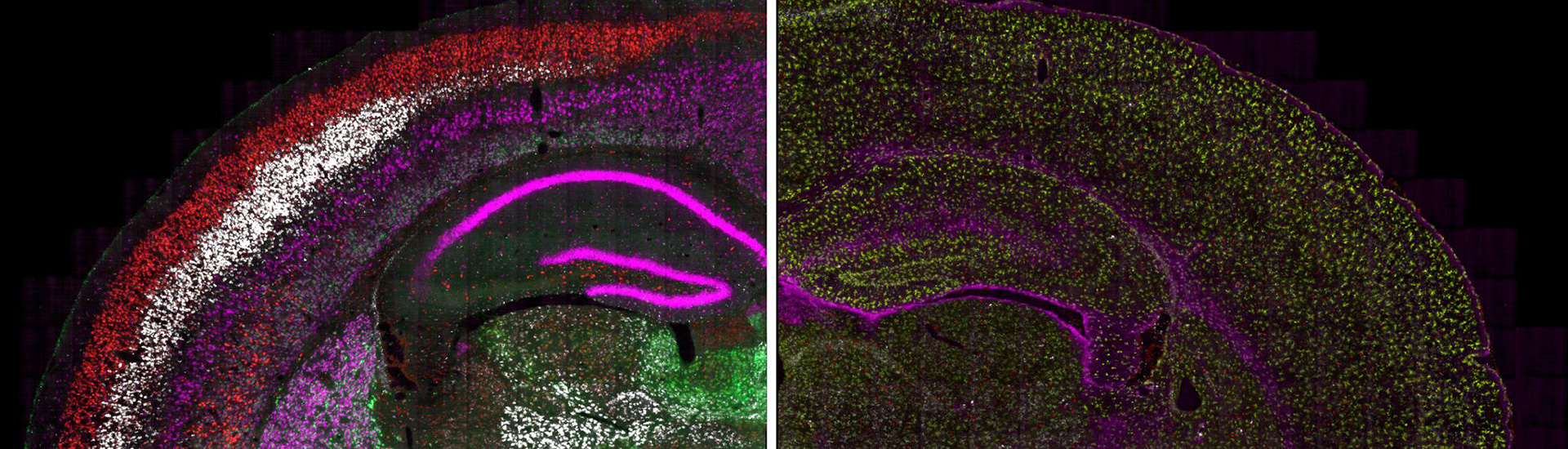
Omer Bayraktar is a Group Leader at the Wellcome Sanger Institute , leading research in the Cellular Genomics Programme. His work focuses on decoding human brain cellular diversity using spatial transcriptomics , imaging , and functional screening to study neural complexity in health and disease. Bayraktar's educational background includes a PhD from HHMI under Chris Doe, investigating neural diversity development in Drosophila , followed by postdoctoral work at University of California, San Francisco and University of Cambridge as a Life Sciences Research Foundation Fellow. He developed a spatial transcriptomic pipeline during his postdoc to analyze astrocyte heterogeneity in the cerebral cortex. His research explores neural cell type mapping , glial-neuronal interactions , and cellular pathways in neurodevelopmental disorders . Recent publications emphasize 3D tissue mapping , multi-omic integration , and computational tools like Cell2fate and WebAtlas. His work bridges neurogenetics and computational biology to advance understanding of human tissue ecosystems. Bayraktar's lab collaborates with the Human Cell Atlas initiative and develops technologies such as automated histology pipelines and highly-multiplexed smFISH for molecular cell typing. His team also investigates glia-based therapies and astrocyte functional heterogeneity in neurodevelopmental contexts. Key scientific contributions include: Discovering astrocyte layer patterns independent of neuronal laminae Developing cell2location for spatial cell mapping Characterizing Drosophila neural stem cell models with human relevance Notable awards include the Life Sciences Research Foundation Fellowship during his postdoctoral training. His current group includes a PhD student , Senior Data Scientists , and Bioinformaticians .
Leonie Bentsink is a Professor at the Laboratory of Plant Physiology , part of Wageningen University . Her research focuses on molecular mechanisms underlying seed dormancy, germination, and longevity in plants like Arabidopsis thaliana . She leads projects investigating translational regulation, seed microbiomes, and abiotic stress tolerance, supported by an NWO Vici grant (2018). Dr. Bentsink supervises multiple PhD candidates and has authored over 69 publications. Key contributions include discovering roles for genes like DOG1 and ANAC060 in dormancy regulation, and developing tools like the SeedTransNet translational network. Key Projects: Seed microbiome impacts on drought tolerance Seed germination cell communication mechanisms Spatial transcriptomics for abiotic stress resilience Datasets: 11 publicly available datasets on seed transcriptomes/metabolomes, including seed dormancy cycling and parental effect studies. Citations: Over 70 publications since 2000, with notable work on seed longevity and translational regulation.
Katy D. Heath is a Professor of Plant Biology and Affiliate Professor in Microbiology at the University of Illinois Urbana-Champaign (UIUC). She leads the Plant Biology department and is affiliated with the Carl R. Woese Institute for Genomic Biology. Her research focuses on the evolution of mutualisms, particularly plant-microbe interactions such as legume-rhizobium symbiosis, emphasizing genetic and ecological factors influencing symbiotic stability and adaptation. She investigates how environmental pressures (e.g., global change) shape mutualistic relationships and microbial community dynamics. Education: B.S. (2000) and Ph.D. (2007) from the University of Illinois and University of Minnesota, respectively, followed by postdoctoral work at the University of Toronto (2007–2009). Research Interests: Symbiosis evolution, microbial genetics, plasmid transmission dynamics, and the impacts of agricultural practices on rhizobia populations. She studies diverse systems, including Medicago-Sinorhizobium, soybean-Bradyrhizobium, and invasive legume-rhizobium interactions. Recent publications (2020–2025) highlight studies on endophyte impacts on soybean yield, rhizobia diversity under conventional farming, and genomic analyses of symbiotic coevolution. Her work integrates molecular biology, quantitative genetics, and ecology. Grants & Collaborations: Lead PI on a $12.5M NSF Biology Integration Institute (Genomics and Eco-evolution of Multi-scale Symbiosis). Her team includes collaborations with institutions like Indiana University and the University of Chicago. Labs & Teams: Heath Lab focuses on symbiosis research, with active projects on microbiome dynamics, plasmid-host coevolution, and community outreach (e.g., Boys and Girls Club collaborations). Recent lab highlights include student graduations (e.g., Ivan Sosa Marquez, Chase) and awards like the John R. Laughnan Award in Plant Biology.
Prof. Dr. Oliver Krüger is a behavioral ecologist and evolutionary biologist at Bielefeld University 's Faculty of Biology , where he leads the Department of Animal Behaviour since 2013. His research spans avian and marine mammal systems, focusing on life history strategies, parasite-host interactions, and environmental adaptation. Education: Biology studies at Bielefeld University (1994-1996) MSc in Oxford (1996-1997) PhD at Bielefeld University with Fritz Trillmich and Jan Lindström (1998-2000) Research Themes: Behavioral ecology, evolutionary biology, and population dynamics across tropical and temperate ecosystems. Key projects include NC³ (Niche Choice/Construction) and studies on Galápagos sea lions, common buzzards, and pinniped species. Scientific Leadership: Spokesperson, SFB TRR 212 "NC³" (2018-2025) Advisory Board member: German Ornithologists Union, IUCN SSC pinniped group, German Primate Centre Peer review roles: Humboldt Foundation, DFG, HFSP, NSF Awards: Leopoldina Prize (2001) Niko Tinbergen Award (2008) DFG Heisenberg Professorship (2010-2015)
Madeleine Torcasso is an Assistant Professor in the Department of Medicine-Hematology and Oncology at the University of Chicago. She leads the Torcasso Lab, which investigates spatial patterns of disease within native tissue environments, bridging computational methods with clinical applications. Her research focuses on tumor-immune interactions using high-dimensional spatial proteomic and transcriptomic data to uncover mechanisms of disease progression and therapeutic resistance. Her lab integrates artificial intelligence with spatial omics to identify biomarkers and decode cellular communication in the tumor microenvironment. Key research interests include computational pathology, spatial biology, and translational oncology, with an emphasis on developing analytical tools for complex tissue data. Her sole recent publication (2024) introduces a computational method for classifying cells in multiplexed immunofluorescence images, advancing automated analysis of tissue microenvironments. No awards, students, or grants are detailed in available sources.
Dr. Michael Baym is an Associate Professor of Biomedical Informatics at Harvard Medical School with affiliate appointments in Microbiology and the Laboratory of Systems Pharmacology, and as an Associate Member of the Broad Institute. He leads the Baym Lab, which studies microbial evolutionary genomics and antibiotic resistance through a hybrid of experimental, computational, and theoretical approaches. His research focuses on: Antibiotic Resistance Evolution and practical interventions Mobile Genetic Elements (plasmids, phages, transposons) Computational Genomic Algorithms for big data analysis Synthetic Biology tools and technologies Key recent publications explore phage discovery systems , phylogenetic compression of microbial genomes, and RNA-guided gene drives in plasmids. His work is supported by multiple NIH/NIGMS and NSF grants including a MIRA award. Scientific honors include: Packard Fellowship (2018) Pew Biomedical Scholarship (2020) Sloan Research Fellowship (2020) A. Clifford Barger Excellence in Mentoring Award (2021) SSQBio Mentorship Award (2022) The lab actively trains PhD students and postdoctoral fellows with alumni occupying academic and industry positions globally. Current team members include researchers from interdisciplinary backgrounds working at the intersection of experiment, computation, and theory .
Christopher E. Nelson is an Assistant Professor in the Department of Biomedical Engineering at the University of Arkansas, College of Engineering. His lab focuses on developing biologically inspired strategies for controlled drug and gene delivery, particularly in the context of gene therapy and regenerative medicine. He is actively supported by the NIH, DoD, and Arkansas Bioscience Institute. Education: Postdoctoral Fellow – Duke University Ph.D. – Vanderbilt University B.S. – University of Arkansas Research Focus: Dr. Nelson’s lab integrates genome editing technologies with targeted delivery systems to address challenges in treating genetic diseases and promoting tissue regeneration. Major themes include CRISPR/Cas9 delivery , gene regulation in wound healing , and safe-harbor genome integration in skeletal muscle. His work spans viral and non-viral delivery vehicles , including lipid nanoparticles and AAV vectors, with a strong emphasis on preclinical validation in models of Duchenne muscular dystrophy and inflammatory disease. Scientific Awards: Controlled Release Society Postdoctoral Fellowship The Hartwell Foundation Postdoctoral Fellowship NIH Pathway to Independence Award (K99/R00) Funding & Support: The Nelson Lab is currently funded by: NIH NIGMS R35 DoD CDMRP DMD IDEA Award Arkansas Bioscience Institute University of Arkansas Engineering & Honors Colleges Lab & Team: The Nelson Lab is a dynamic, interdisciplinary team working at the intersection of gene editing, biomaterials, and regenerative medicine. They regularly present at national conferences such as ASGCT and NCUR, and mentor undergraduate researchers through SURF and Honors College grants.
Prof. Veronika Somoza is a leading academic in Nutritional Systems Biology, currently affiliated with the University of Vienna and Technical University of Munich (TUM). She holds a professorship in Molecular Food Science and has led key research groups such as the Institute of Physiological Chemistry and the Christian Doppler Laboratory for Bioactive Aromatics. Her career includes roles at institutions like the German Research Institute for Food Chemistry (Garching) and the University of Wisconsin-Madison. Education: Diplom (Justus Liebig University Giessen, 1991), PhD (University of Vienna, 1995), Habilitation (Kiel University, 2002) Research Focus: Bioactive food compounds, flavor chemistry, taste receptor signaling, and gastrointestinal physiology Her work bridges food science and human health, particularly in understanding how food ingredients influence digestion, inflammation, and disease. Notable contributions include discoveries on bitter peptide effects on gastric acid secretion and flavor perception modulation. Awards: FEMA Excellence in Flavor Science (2016), ACS AGFD Fellow (2020), Hans Adolf Krebs Prize (2004) Prof. Somoza has pioneered methodologies in atomic force microscopy for foodborne virus detection and developed bitterness-masking compounds for pharmaceuticals. Her interdisciplinary approach integrates nanobiophysics with nutrition to advance functional food design and clinical applications.
Brian Hie is an Assistant Professor of Chemical Engineering at Stanford University , a Dieter Schwarz Foundation Stanford Data Science Faculty Fellow , and an Innovation Investigator at Arc Institute . He leads the Laboratory of Evolutionary Design , focusing on the intersection of biology and machine learning . His prior roles include a Stanford Science Fellow in the Stanford University School of Medicine and a Visiting Researcher at Meta AI . Education: Ph.D. , Electrical Engineering and Computer Science , Massachusetts Institute of Technology (2021) Bachelor’s Degree , Stanford University Research Interests: Brian’s work bridges machine learning and computational biology , with a focus on protein engineering , single-cell RNA sequencing , and viral evolution . His Evolutionary velocity framework predicts protein evolutionary dynamics across timescales, while his Scanorama algorithm enables efficient integration of heterogeneous single-cell datasets. He also develops structure-informed language models for antibody optimization and uncertainty-aware ML for biological discovery. Publication Trends: His recent work (2023) emphasizes structure-based inverse folding for antibody evolution, evolutionary scale modeling , and unsupervised optimization . Earlier studies (2022-2021) cover evolutionary velocity , multi-modal single-cell analysis , and viral escape prediction using natural language analogies. Scientific Awards: Stanford Science Fellow (2021) National Defense Science and Engineering Graduate Fellowship (2019) Advising: He mentors doctoral students including Brandon Ameglio , Garyk Brixi , and Chang M. Yun , with a focus on biological design and computational methods . Labs & Collaborations: His lab collaborates with Bio-X and the Institute for Human-Centered Artificial Intelligence (HAI) , and he maintains affiliations with Sarafan ChEM-H and Stanford Data Science .
Lior S. Pachter is the Bren Professor of Computational Biology and Computing and Mathematical Sciences at the California Institute of Technology (Caltech). He holds a B.S. from Caltech (1994) and a Ph.D. from MIT (1999). His affiliations include the Division of Biology and Biological Engineering at Caltech. Roles: Faculty member, Principal Investigator Departments: Computational Biology and Computing and Mathematical Sciences Research interests span computational and experimental genomics, with a focus on single-cell sequencing technologies and RNA biology. His lab develops tools like kallisto, sleuth, and gget for genomic analysis. Key contributions include methods for quantifying RNA-Seq data and analyzing high-dimensional genomic datasets. Publications highlight advancements in spatial genomics, bioinformatics tools, and genomic data retrieval. His work emphasizes open-source software, with repositories hosted on GitHub.
Ovijit Chaudhuri is an Associate Professor of Mechanical Engineering at Stanford University, with a courtesy appointment in Bioengineering. He leads research at the interface of mechanics and biology, focusing on how cellular and extracellular mechanical properties influence biological processes like cancer progression and tissue formation. His work employs advanced tools such as atomic force microscopy and 3D cell culture systems. Education: Ph.D., University of California, Berkeley/San Francisco (Bioengineering, 2009) B.S., University of California, Berkeley (Engineering Physics, 2003) Postdoctoral Fellow, Harvard University (Biomaterials, 2013) Research Interests: His lab explores molecular mechanisms behind cellular mechanics, extracellular matrix dynamics, and how mechanical cues regulate cell behavior. Key areas include cancer metastasis, mechanotransduction, and engineered biomaterials for 3D cell culture. Publications Trends: Recent work emphasizes viscoelastic hydrogels, matrix mechanics in cancer progression, and mechanistic insights into cell migration. Over 50 publications since 2015 highlight interdisciplinary approaches in biomaterials and mechanobiology. Awards: Not explicitly listed in provided materials. Advising & Labs: No specific advisee names listed, but his lab focuses on collaborative projects in mechano-biology. Active in developing biomaterial systems for drug discovery and tissue engineering applications. Labs/Teams: Leads the Chaudhuri Lab at Stanford, which integrates engineering principles with biological systems to address complex disease mechanisms and therapeutic strategies.
Joshua B. Gross is an Associate Professor in the Department of Biological Sciences at the University of Cincinnati, where he has been conducting research since 2010. His work focuses on evolutionary biology, particularly using the Mexican cavefish ( Astyanax mexicanus ) as a model system to study adaptation to extreme environments. Dr. Gross received his academic training at prestigious institutions: Ph.D. in Organismic and Evolutionary Biology from Harvard University (2005) M.S. with Distinction in Biological Sciences from University of Denver (2001) B.A. in Psychology from Miami University (1995) Dr. Gross's research explores the genetic and developmental basis of evolutionary changes, with a focus on how organisms adapt to extreme environments. His primary model system is the Mexican cavefish ( Astyanax mexicanus ), which exists in both surface-dwelling (with eyes and pigmentation) and cave-dwelling (blind and depigmented) forms. His work integrates quantitative genetics, transcriptomics, and phenotypic analysis to understand the genetic changes underlying cave adaptation, including both regressive traits (like eye loss) and constructive traits (like enhanced taste systems). Analysis of Dr. Gross's recent publications reveals a strong focus on sensory adaptation and craniofacial evolution in cavefish. His work has increasingly incorporated genomic and transcriptomic approaches to understand how cavefish adapt to low-oxygen environments, changes in sensory systems (particularly taste and lateral line), and craniofacial modifications. There's a clear trajectory toward understanding the integration between different biological systems, such as how sensory neuromasts influence skeletal development. Dr. Gross has received several notable awards and recognitions: National Academies Education Fellow in the Life Sciences (2014-2015) Young Investigator Winner, Sigma Xi, University of Cincinnati Chapter (2016) Honorable Mention, Excellence in Doctoral Mentoring Award Nominated for 2018 Dean's Award for Innovative Instruction Young Anatomist's Publication Award from the American Association of Anatomists (2004) As a principal investigator, Dr. Gross has secured substantial funding from the National Science Foundation and National Institutes of Health, including multiple R01 grants from NIH and major awards from NSF. His current projects include "The developmental basis for sensory-skeletal integration: The osteo-inductive role of neuromasts" (NSF IOS-2205928, 2022-2026) and "The constructive evolution of gustation: Molecular, organismal and environmental attributes of taste tuning" (NSF DEB-2343857, 2024-2028). He has mentored numerous undergraduate and graduate students through research projects and has been recognized for his teaching excellence, particularly in Human Genetics. Dr. Gross leads a research laboratory focused on evolutionary and developmental biology at the University of Cincinnati. His team employs a multidisciplinary approach combining field work in Mexican caves, laboratory experiments, genomic analysis, and developmental studies. He has organized international scientific meetings, including the Astyanax International Meeting, fostering collaboration among researchers studying cave-adapted organisms worldwide.
Xiaoyu Cai is an Assistant Professor at the Department of Medicine, Loyola University Chicago, specializing in lung regeneration, aging biology, and stem cell plasticity. Her research focuses on the molecular mechanisms governing alveolar type 2 (AT2) stem cell dynamics during aging and chronic lung diseases. Education: Bachelor of Medicine (Peking University, 2012), Master of Science (Peking University, 2015), PhD in Biology of Aging (USC & Buck Institute, 2021) Key Research Areas: Lung regeneration, inflammation resolution, stem cell aging, 3D organoid cultures Methodologies: Single-cell multiome, mouse genetics, multicellular organoid systems Collaborations: Translational partnerships with clinical teams for bench-to-bedside applications Dr. Cai's recent work explores lineage plasticity in aged lung stem cells, ferroptosis suppression via CRISPR screens, and cellular aging atlases across species. She previously held a postdoctoral position at Genentech Inc. and maintains a professional lab website. Contact: xcai2@luc.edu | Office: CTRE 123
Professor Colin Semple is a leading researcher at the University of Edinburgh's Institute of Genetics and Cancer (IGC), where he serves as Group Leader and Head of Bioinformatics. His work is conducted within the MRC Human Genetics Unit, focusing on computational genomics and the analysis of structural mutations in both germline and cancer contexts. Professor Semple's research investigates the origins and impacts of structural mutations in the human genome, with particular emphasis on how these alterations affect gene function in developmental contexts and drive cancer progression. His group studies complex structural rearrangements in challenging cancer types including ovarian cancer, glioblastoma, and mesothelioma, where tumor genomes undergo dramatic reorganization. The research is guided by four key questions: What are the origins of structural mutations? How do they impact gene function? How does structural complexity drive disease progression? How do diverse mutational constellations combine to create adaptations and vulnerabilities? Analysis of Professor Semple's publications reveals a consistent focus on structural variation in cancer genomics, with particular attention to ovarian cancer mechanisms, lesion segregation in tumor evolution, and the functional consequences of genomic rearrangements. His work frequently employs whole genome sequencing approaches to uncover previously hidden layers of genomic variation that affect more of the genome than traditional short variants. Professor Semple leads a substantial research team including bioinformaticians and PhD students, and oversees the Bioinformatics Analysis Core which provides collaborative expertise to over 500 researchers at the IGC. His group maintains strong collaborations with both local researchers at the University of Edinburgh and international consortia, working closely with clinicians to translate genomic findings into potential diagnostic and therapeutic approaches. The Semple Lab is funded by major organizations including the Medical Research Council (MRC), Cancer Research UK (CRUK), and the Chief Scientist Office (CSO).



.png)