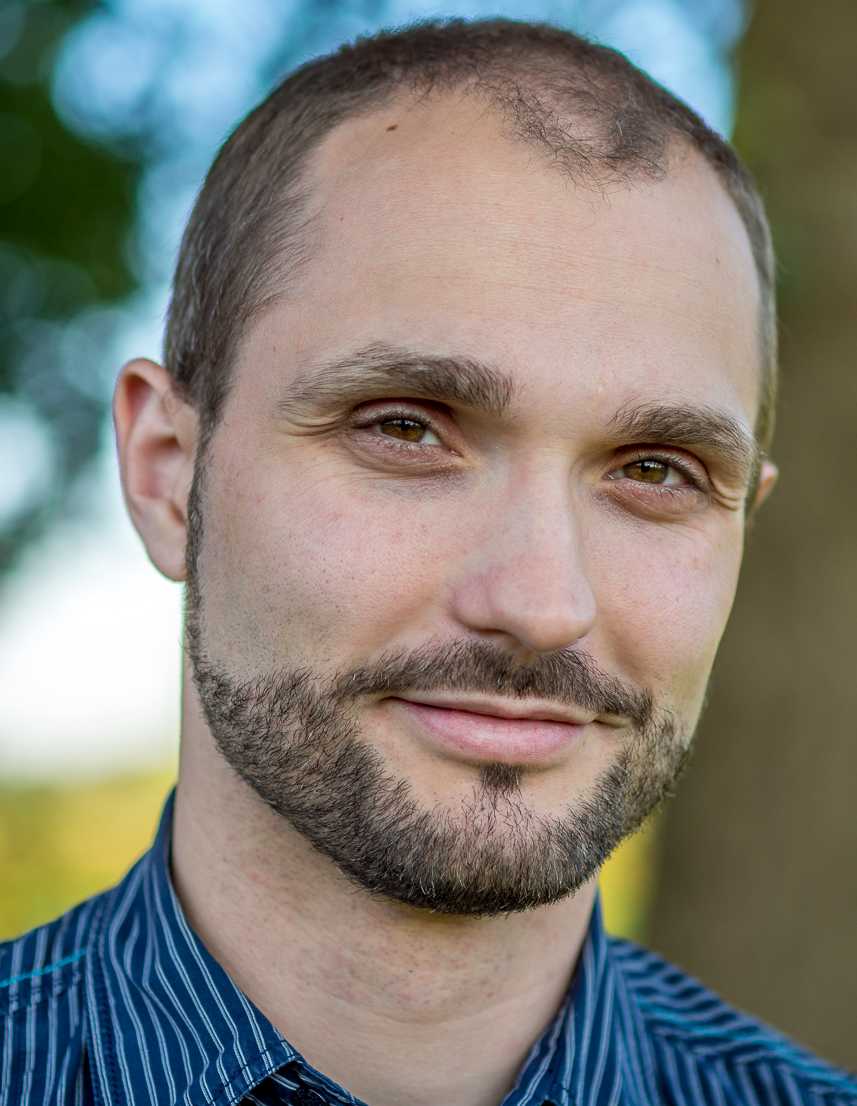
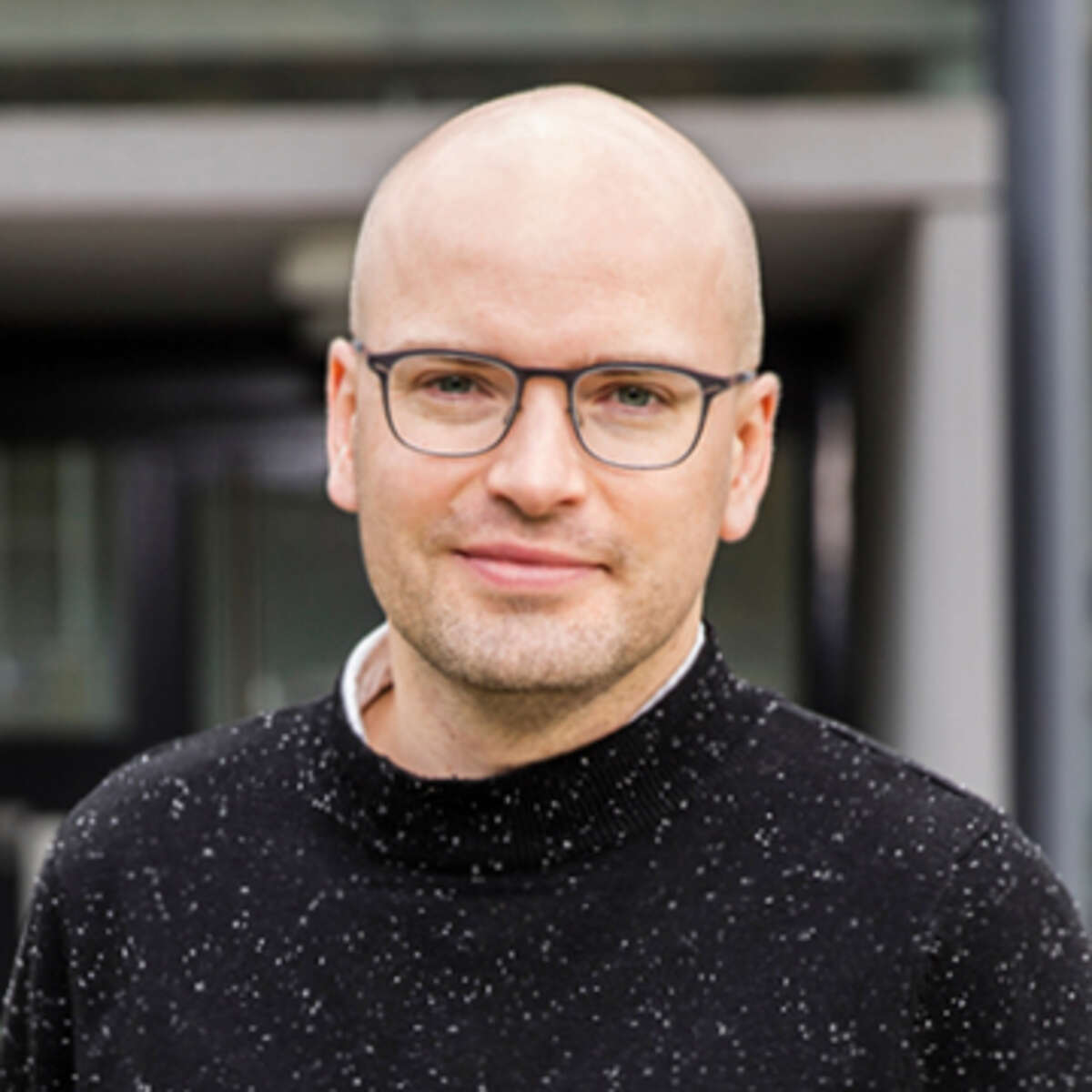
Prof. Dr. Helmuth Gehart is a faculty member at the Institute of Molecular Health Sciences , ETH Zurich . He leads the Tumor and Stem Cell Dynamics research group, focusing on dynamic cell identity in regeneration and cancer. Research Interests : Stem cell-environment interactions, organoid technology, single-cell sequencing, and mechanisms of tissue repair/tumorigenesis. Publications : 10+ articles (2015-2024) on organoid models, stem cell dynamics, and cancer biology.
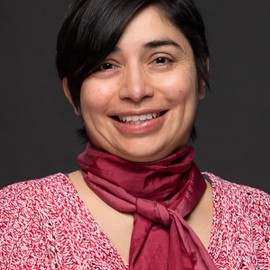
Dr. Lourdes Pena-Castillo is a Professor jointly appointed in the Departments of Computer Science and Biology at Memorial University of Newfoundland's Faculty of Science. Her research focuses on applying machine learning and bioinformatics to study bacterial gene regulation, with emphasis on transcriptomics, gene expression pathways, and microbiology. She leads the Bioinformatics Lab at MUN, developing computational tools like Promotech for promoter prediction and sRNARFTarget for sRNA target identification. Education: BSc in Information Systems Engineering, ITESM-Mexico MSc in Computer Science, University of Alberta PhD in Computer Science (Doktoringenieurin), Otto-von-Guericke Universität Magdeburg Postdoc in Bioinformatics, University of Toronto Research Interests: Bioinformatics, Genomics, Machine Learning, Artificial Intelligence, Transcriptomics, Gene Regulation, Microbiology Her work integrates computational methods with biological data to address challenges in molecular biology, including analyzing bacterial sRNA functions, promoter recognition, and disease diagnostics using machine learning. She has advised numerous graduate students, including PhD candidates Purvikalyan Pallegar and Bonita McCuaig, and MSc students like Ruben Chevez-Guardado and Kratika Naskulwar. Her lab focuses on translational research with applications in both basic science and clinical contexts. Publications span computational methods for bacterial gene regulation, bioinformatics tool development, and interdisciplinary projects in VR and healthcare informatics. Her research has contributed to understanding symbiotic relationships in marine organisms, inflammatory bowel disease diagnostics, and clavulanic acid production in Streptomyces. Grants & Collaborations: Works with interdisciplinary teams across computer science and biology, supported by grants enabling projects in bacterial genomics and computational tool development. Labs & Teams: Leads the Bioinformatics Lab at MUN, fostering collaborations with researchers in microbiology, computer science, and healthcare.
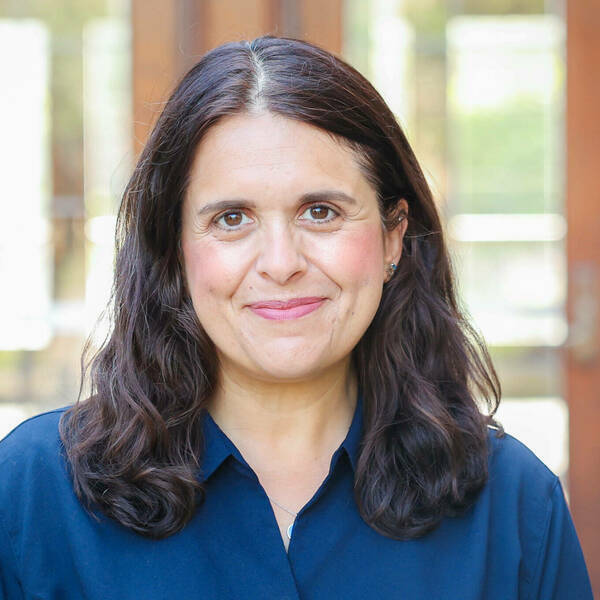
Daiwei (David) Zhang, PhD, is an Assistant Professor (tenure-track) in the Department of Biostatistics at the University of North Carolina at Chapel Hill School of Medicine, with a joint appointment in the Department of Genetics. His research focuses on developing AI frameworks for analyzing high-dimensional biomedical data, particularly in spatial omics, computational pathology, and medical imaging. Education: MS (Biostatistics) and PhD (Biostatistics and Scientific Computing) from the University of Michigan. Postdoctoral Training: University of Pennsylvania. Research interests include applying machine learning to address biomedical challenges such as tumor heterogeneity, immune interactions, and tissue architecture. His work spans computational methods for spatial transcriptomics, proteomics, and histology integration. Recent publications emphasize spatial multi-omics analysis of cancer ecosystems, tertiary lymphoid structures, and metabolic coordination. These studies leverage advanced machine learning algorithms and interdisciplinary approaches to advance precision medicine. No scientific awards are explicitly mentioned, but his work reflects significant contributions to biomedical AI research. Grants and advising details are not provided in the text.
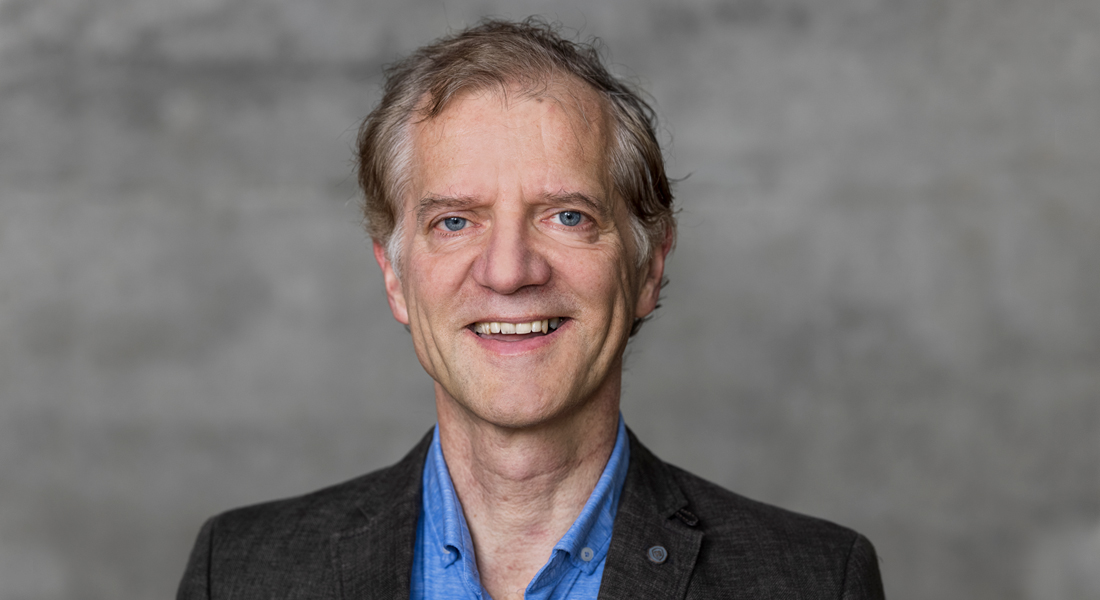
Britney Schmidt is Associate Professor in Earth and Atmospheric Sciences and Astronomy at Cornell University, where she leads the Planetary Habitability and Technology Lab. She develops robotic tools like the Icefin underwater vehicle to study Earth's ice shelves and glaciers, providing insights into climate change and analogs for ocean worlds like Europa. Her research bridges glaciology, planetary science, and astrobiology. Research focuses on ocean world habitability, ice-ocean interactions, and Antarctic climate systems. Fieldwork includes extensive campaigns in Antarctica and the Arctic using robotic explorers. Recent publications explore Europa's habitability, Thwaites Glacier dynamics, microbial communities in hypersaline environments, and planetary analog studies. Technical developments include novel instrumentation for under-ice exploration. Awarded the 2024 Blavatnik National Award for groundbreaking research. Leads multiple international collaborations including NASA's Europa Clipper mission and Thwaites Glacier projects.
Carina Mallard is Professor of Experimental Perinatal Brain Injury Research and Pro-Vice-Chancellor at the University of Gothenburg since July 2023, where she oversees research infrastructure and chairs the Research Board. She previously served as Deputy Vice-Chancellor (2021–2023) and Head of Core Facilities (2018–2021). Her academic career began with a Physiology degree from Lund University and a PhD in Pediatrics at the University of Auckland (1995), followed by a professorship appointment in 2006. Her research focuses on perinatal brain injury , particularly in premature infants , investigating neuroinflammatory mechanisms maternal dietary interventions neurovascular unit dynamics microglia activation long-term consequences of maternal obesity . Recent publications highlight her work on neonatal rodent models , transcriptomic profiling , and anti-inflammatory therapies . Key themes include RNA degradation , mitochondrial protection , and immune-neurovascular interactions . She has supervised 20 doctoral students since 2004 and collaborates internationally with institutions like King's College London. Contact details include two institutional emails and physical addresses across Gothenburg's biomedical campuses. Her leadership roles span research strategy, doctoral education, and EU-level scientific initiatives.
Manuel R. Amieva is a Professor at Stanford University School of Medicine , holding joint appointments in Pediatrics - Infectious Diseases and Microbiology & Immunology . He is also a member of the Maternal & Child Health Research Institute (MCHRI) . His clinical practice at Stanford Medicine Children's Health focuses on pediatric infectious diseases. Education: Medical Education: Stanford University School of Medicine (1997) Fellowship: Stanford University Pediatric Infectious Disease Fellowship (2004) Internship & Residency: Stanford Health Care at Lucile Packard Children's Hospital (1998-1999) Dr. Amieva's research investigates host-pathogen interactions at epithelial barriers, with specific expertise in Helicobacter pylori , Listeria monocytogenes , Salmonella enterica , and Staphylococcus aureus . His lab develops innovative organoid culture systems with controlled polarity to study microbial colonization and oncogenic mechanisms. Key discoveries include: H. pylori's manipulation of epithelial junctions via the CagA protein Listeria's exploitation of cell extrusion sites for invasion Staphylococcus toxin interactions with adherens junctions Gastric stem cell activation by pathogens Recent publication trends show continued leadership in infectious disease mechanisms (2020-2025), with a focus on: Pathogen-specific epithelial breach strategies Organoid modeling of viral/bacterial interactions Redox-dependent host factor regulation Single-cell spatial transcriptomic analyses Multi-institutional educational frameworks His scientific collaborations span disciplines including: Gastric cancer genomics initiatives COVID-19 lung infection models Stem cell-microbe interactions Medical education reform projects Dr. Amieva maintains active clinical research while mentoring students in both the Microbiology & Immunology and Pediatrics programs. His lab at Stanford employs advanced 3D confocal microscopy and organ-on-a-chip technologies to visualize epithelial colonization dynamics.
Johannes Larsch is a tenure-track Assistant Professor at the Center for Integrative Genomics within the Faculty of Biology and Medicine at Université de Lausanne (UNIL). His research focuses on understanding the neuronal mechanisms underlying social interactions, using larval zebrafish as a model organism. He employs advanced techniques like virtual reality and optical imaging to study how social signals are processed in the brain. Education: Bachelor of Biology, University of Konstanz, Germany PhD in Neurobiology, Rockefeller University, USA (lab of Cori Bargmann) Postdoc at Max Planck Institute of Neurobiology, Germany (with Herwig Baier) Research interests center on neuronal circuits driving group behavior, social recognition, and the interplay between genetics and environment in shaping behavior. His lab investigates how individual brains coordinate collective social behaviors through studies of neuronal activity and circuit dynamics. Current lab openings include fully funded PhD and PostDoc positions focused on social neuroscience and neurogenomics. Contact: johannes.larsch@unil.ch .
Patricia Champion is a Professor in the Department of Biological Sciences at the University of Notre Dame, where she holds the title of Notre Dame Collegiate Professor. Her research is centered on the molecular mechanisms of mycobacterial pathogenesis, with a focus on protein transport and virulence. She is affiliated with the Eck Institute for Global Health and the Center for Rare and Neglected Diseases. PhD in Molecular Biology, Princeton University (2003) B.S. in Biological Sciences, Carnegie Mellon University (1998) Her research interests lie in understanding how pathogenic mycobacteria, including Mycobacterium tuberculosis and M. marinum , cause disease through targeted protein secretion, particularly via the Type VII (ESX-1) secretion system. She investigates how secreted proteins function as effectors and regulate gene expression, and how post-translational modifications like acetylation influence virulence. Her lab employs an interdisciplinary approach combining genetics, molecular biology, proteomics, and transcriptomics. The recent publications highlight a strong focus on ESX-1-mediated secretion, identification of novel substrates, regulatory mechanisms (e.g., WhiB6, EspM), and post-translational modifications. The work spans fundamental bacterial physiology to host-pathogen interactions, contributing to the broader goal of identifying targets for anti-virulence therapeutics against tuberculosis. Her scientific recognition includes being named a Notre Dame Collegiate Professor, a distinguished honor reflecting her scholarly excellence. Dr. Champion leads an active research laboratory committed to fostering an inclusive and respectful environment, emphasizing core values such as integrity, teamwork, and excellence. Her lab's work is supported by ongoing research grants, though specific funding sources are not detailed in the text. The Champion Lab operates within the Department of Biological Sciences and collaborates with key institutes at Notre Dame focused on global and neglected diseases.
Owen R. White is a Professor in the Department of Epidemiology & Public Health at the University of Maryland School of Medicine, serving as Associate Director of the Institute for Genome Sciences and Associate Director of Research Collaboration & Development. He leads a team of 25 scientists and engineers developing genomic annotation pipelines and data analysis tools for state-of-the-art research in microbiome and multi-omic studies. His academic background includes: BS in Biotechnology from the University of Massachusetts (1985) PhD in Molecular Biology from New Mexico State University (1992) Postdoctoral Fellowship in Genome Informatics at the Institute for Genomic Research (TIGR) (1994) Dr. White's research spans bioinformatics, genomics, transcriptomics, and metagenomics with emphasis on data management, metadata standards, ontologies, and cloud systems. His work has been foundational for large-scale initiatives like the Human Microbiome Project (HMP) and Integrative Human Microbiome Project (iHMP), generating over 50,000 datasets totaling 10 terabytes of multi-omic data. Analysis of his recent publications reveals a strong trend toward neuroscience multi-omics (BRAIN Initiative), cloud-based data infrastructure, and ethical data sharing frameworks. His work consistently bridges microbiome research with emerging fields like single-cell analysis and Alzheimer's disease biomarker discovery through integrated data platforms. Notable awards include: Benjamin Franklin Award for Open Access in the Life Sciences (2015) Kumho Science International Award in Plant Molecular Biology and Biotechnology (2001) As Principal Investigator for major NIH-funded centers, he has secured sustained support for the HMP Data Analysis and Coordination Center and iHMP Data Coordination Center. His team's work combines fee-for-service models with collaborative research funding to maintain cutting-edge genomic analysis capabilities. The Institute for Genome Sciences houses his computational team responsible for developing production annotation pipelines, database systems, and visualization tools that serve researchers across the University of Maryland School of Medicine and national consortia.
Professor Matthias Mann is a world-leading scientist serving as Director of the Proteomics and Signal Transduction department at the Max Planck Institute of Biochemistry in Martinsried, Germany, and Director of the Proteomics department at the Novo Nordisk Foundation Center for Protein Research, Faculty of Health Sciences, University of Copenhagen, Denmark. With an h-index exceeding 277 and over 350,000 citations, he is recognized as the highest cited German researcher and one of the most influential scientists globally in proteomics. His educational background includes: Ph.D. in Chemical Engineering from Yale University (1988) Master's Degree in Physics from Georg August University Göttingen (1984) Bachelor's of Arts in Mathematics from Georg August University Göttingen (1982) Professor Mann's research focuses on advancing mass spectrometry-based proteomics to understand biological systems at the protein level. His work spans technological developments in mass spectrometry, bioinformatics and computational analysis, signal transduction and posttranslational modifications, and clinical proteomics applications for disease diagnosis and treatment. The Mann lab has pioneered groundbreaking methods like SILAC for quantitative proteomics and MaxQuant for proteome data analysis. Their vision is to translate proteomics knowledge into clinical practice for predictive, diagnostic, and preventive medicine, with recent work focusing on AI-guided platforms for analyzing proteomes from minimal tissue samples. Analysis of Professor Mann's recent publications reveals a strong trend toward clinical applications of proteomics, particularly in cancer research, metabolic diseases, and neurodegenerative disorders. His work increasingly integrates spatial proteomics, single-cell resolution techniques, and artificial intelligence approaches to uncover disease mechanisms and identify potential biomarkers, with a clear shift from basic technology development toward direct clinical applications and personalized medicine. Professor Mann has received numerous prestigious awards throughout his career: 2025: Elected member of the American National Academy of Sciences 2024: Dr. H.P. Heineken Award for Biochemistry and Biophysics 2023: Otto Warburg Medal 2019: Nominated member of the Bavarian Academy of Sciences 2013: Elected member of Leopoldina German National Academy of Sciences 2012: Körber European Science Award, Louis-Jeantet Foundation Prize for Medicine, Ernst Schering Prize, and Leibniz Prize Professor Mann leads a highly collaborative research team involved in multiple international networks including the Bill & Melinda Gates Foundation, Michael J. Fox Foundation for Parkinson's Research, CLINSPECT-M, and Munich Heart Alliance. His lab has mentored numerous successful researchers, with several former postdocs receiving prestigious ERC Starting Grants. The Mann group has developed innovative clinical proteomics pipelines for analyzing archived tissue specimens and body fluids, aiming to identify protein markers for early detection of diseases such as diabetes and cancer. The Mann lab operates across two major research centers with state-of-the-art mass spectrometry facilities. Their Clinical Knowledge Graph platform integrates multi-omics data with extensive metadata, creating an ecosystem for machine learning applications in proteomics. Current research focuses on developing highly sensitive methods that can profile thousands of proteins from minimal cell samples, enabling the identification of critical disease-related proteins and supporting the development of individualized therapies.
Prof. Knut Drescher is an Associate Professor at the Biozentrum, University of Basel , leading a research group focused on bacterial biofilms , swarming , and microbial multicellularity . Previously, he served as a Professor of Biophysics and Max Planck Research Group Leader at Philipps-Universität Marburg (2015-2021) and conducted postdoctoral research at Princeton University. Research Interests: Physical and biological mechanisms of biofilm formation Cell-cell interactions in microbial communities Antibiotic resistance in biofilms Hydrodynamics of bacterial swarms Evolution of cooperation in multispecies biofilms Development of bioimaging software (BiofilmQ, BacStalk) Scientific Awards: 2023: SNSF Consolidator Grant 2019: Heinz Maier-Leibnitz Prize (DFG), VAAM Research Prize, IUPAP Young Scientist Prize 2016: ERC Starting Grant Advising & Grants: Advises PhD and Master's students in microbiology, biophysics, and bioinformatics Secured major grants from ERC , HFSP , and DFG
Mary K. Firestone is Professor of the Graduate School in the Department of Environmental Science, Policy and Management at UC Berkeley. Her research revolutionized understanding of soil microbial processes, particularly oak regeneration techniques and microbial mediation of carbon/nitrogen cycling in terrestrial ecosystems. Firestone's work examines microbial responses to environmental change, including drought, rewetting, and warming scenarios. Her lab develops innovative methods like quantitative stable isotope probing (qSIP) to trace microbial activity in complex soil environments. Research spans grassland, rangeland, and agricultural ecosystems. Honors include election to the National Academy of Sciences (2017), Soil Ecology Society Career Achievement Award (2017), and American Geophysical Union Fellowship (2016). She holds the Betty and Isaac Barshad Chair in Soil Sciences. Current PhD candidates and postdoctoral researchers in the Firestone Lab investigate viral-bacterial interactions in soil, mycorrhizal carbon transfer, and drought impacts on soil carbon persistence. Field studies at California's Hopland Research Center examine grassland responses to climate variability.
Zhe Ji is an Assistant Professor in the Department of Biomedical Engineering at McCormick School of Engineering and the Department of Pharmacology at Feinberg School of Medicine, Northwestern University. His research integrates computational and experimental genomics to study gene transcription and RNA translation in cell fate commitment and oncogenic processes, aiming to develop precision medicine strategies. **Education**: Postdoctoral Fellow in Cancer Systems Biology, Harvard Medical School Postdoctoral Fellow in Computational Biology, Broad Institute of MIT and Harvard Ph.D. in Computational Genomics, Rutgers University B.S. in Biotechnology, Nanjing University, China **Research Focus**: Keywords include Data Science, Computational Biology, Functional Genomics, RNA, Cancer, Inflammation, and Machine Learning. The lab explores regulatory mechanisms underlying disease, with a focus on translational control, cancer metastasis, and inflammatory networks. **Grants & Advising**: No specific grants or student advisees listed. The lab emphasizes collaborative projects and computational-experimental approaches. **Lab Affiliations**: Zhe Ji’s lab is part of Northwestern’s interdisciplinary environment, bridging engineering and medicine to advance genomic technologies and therapeutic strategies.
Professor Francis Butler is a Full Professor at University College Dublin's School of Biosystems and Food Engineering, where he has been since 1990. His academic roles include research leadership in food safety, food chain integrity, and microbial risk assessment. He leads the UCD Institute for Food and Health and the UCD Centre for Food Safety as a Principal Investigator. Education: BE, Grad Dip University Teaching & Learning, MBA, and PhD from University College Dublin. Research Focus: His work centers on food safety hazards, quantitative risk assessment, and next-generation sequencing for pathogen identification. Recent projects include Listeria monocytogenes growth modeling, norovirus in oysters, and hepatitis E in pork products. He has secured over €6 million in research grants, including EU-funded projects like FOODINTEGRITY and SIGMACHAIN. Awards & Recognition: European Food Safety Authority Fellowship, Marie Sklodowska-Curie Fellowship, and UCD Teaching Grant. He coordinates international educational programs, including the UCD MSC Food Safety and Risk Analysis. Professional Activities: Member of EFSA advisory committees, editorial boards (e.g., Microbial Risk Analysis ), and international conference chairs. His work bridges academia, industry, and policy to enhance food safety standards globally.
Harri Lähdesmäki is an Associate Professor (tenured) at the Department of Computer Science, Aalto University, where he leads the Computational Systems Biology research group. His work focuses on probabilistic machine learning and deep generative models with applications in biomedicine and molecular biology. Key Research Interests: Probabilistic machine learning, deep generative models, computational biology, bioinformatics, longitudinal data modeling Contact: harri.lahdesmaki@aalto.fi | Konemiehentie 2, 02150 Espoo, Finland His recent publications highlight advancements in: Gaussian process priors for scalable deep generative models Single-cell analysis of immune repertoires in leukemia and diabetes Probabilistic deconvolution methods for RNA-seq data Epigenetic analysis using hidden Markov and mixed models Transformer-based survival prediction and missing data handling Harri’s work integrates mechanistic modeling with Bayesian inference, particularly applied to immunology, cancer biology, and early disease prediction.