California Institute of Technology (Caltech)United States
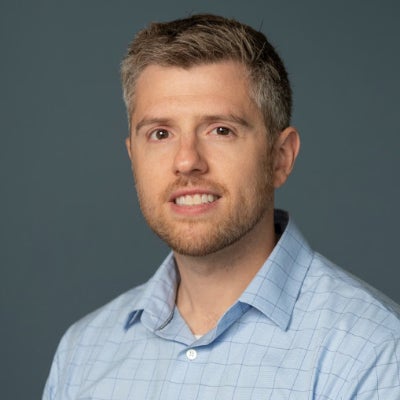
Shasha Chong is an Assistant Professor of Chemistry at the California Institute of Technology and a Ronald and JoAnne Willens Scholar. She earned her B.S. from the University of Science & Technology of China (2008) and Ph.D. from Harvard University (2014). Her research bridges chemistry, physics, and biology to investigate the molecular mechanisms of cellular processes, focusing on intrinsically disordered regions (IDRs) in transcription proteins. Research Focus: IDRs in transcriptional regulation, cancer biology, liquid-liquid phase separation, and single-molecule imaging techniques. Grants & Awards: CCE Innovation Award (2024), ALSF Innovation Grant, Mallinckrodt Research Grant, Margaret E. Early Medical Research Trust Grant. Collaborations: Caltech-City of Hope Biomedical Research Initiative Grant (2025). Teaching: Co-instructor for courses like Biochemistry Laboratory (Ch 11) and Advanced Topics in Biochemistry (BMB/Bi/Ch 174). Labs & Teams: Leads the Chong Laboratory at Caltech, focusing on interdisciplinary approaches combining single-molecule imaging, genome editing, and bioinformatics.
Jered Haun is an Associate Professor at the Samueli School of Engineering , University of California, Irvine , with joint appointments in Biomedical Engineering , Chemical and Biomolecular Engineering , and Materials Science and Engineering . Based in 3107 Natural Sciences II , his research focuses on developing nanoengineering and molecular medicine technologies to improve disease diagnosis and treatment. Email: jered.haun@uci.edu Phone: (949) 824-1243 Research Interests include: Nanomaterial Probes for molecular profiling and disease detection Microfabricated Platforms for cell analysis and tissue processing Targeted Delivery Carriers that interact with unique disease molecules Technologies employed in his lab encompass: Fluorescence imaging and MRI enhancements Bioorthogonal chemistry and nanosensor development Micro-NMR for tumor analysis Quantum dot-based detection systems Awards include: NIH National Cancer Institute's Innovative Molecular Analysis Technologies Funding The Haun Laboratory actively recruits graduate and undergraduate students for projects related to nanoengineering, molecular medicine, and microfluidic device development.
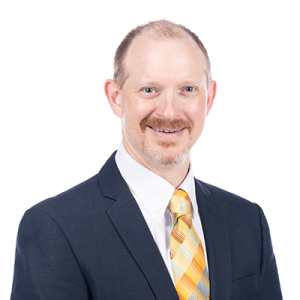
Dr. Daniel Roxbury is an Associate Professor and Graduate Director at the Department of Chemical, Biomolecular and Materials Engineering within the University of Rhode Island's College of Engineering. With expertise in nanoscience and carbon nanomaterials, his research focuses on nano-bio interactions, developing functionalized nanotubes for biomedical applications and environmental monitoring through his NanoBio Engineering Laboratory. His work spans multiple disciplines including: Biomedical nanosensors Smart wearable biomaterials Targeted drug delivery systems Environmental nanotechnology Single-molecule imaging Nanotoxicology Recent publications emphasize machine learning-enhanced spectral analysis, coral reef conservation nanotechnology, and wearable stress monitoring textiles. His 2024 ACS Nano study introduces AI-driven macrophage phenotyping, while 2023 Nature Nanotechnology work explores coral reef restoration strategies using nanomaterials. Awarded the 2019 NSF CAREER grant for cellular nanometrology, he leads multiple NIH-funded projects including: $820,000 NSF CAREER: Spectral Imaging for Sub-Cellular Nanometrology $140,000 Miriam Hospital COBRE: Cortisol Detection Textiles $700,000 NSF EAGER: Multiplexed Wound Biomarker Detection His laboratory houses state-of-the-art equipment including: Near Infrared Hyperspectral Microscope Custom NIR Fluorescence Spectrometer Jasco UV/VIS/NIR Spectrophotometer Biosafety Cabinet Cell Culture Incubator Cryo-Storage System
Matthew Lakin is an Associate Professor with tenure in the Department of Computer Science at the University of New Mexico, with a courtesy appointment in the Department of Chemical & Biological Engineering. He is affiliated with the UNM Center for Biomedical Engineering and the School of Engineering, and collaborates extensively with the UNM Health Sciences Center and external institutions. Education: Ph.D., Computer Science, University of Cambridge, 2010 M.A. (Cantab), University of Cambridge, 2009 B.A. (Hons), Computer Science, University of Cambridge, 2005 Dr. Lakin's research focuses on molecular computing, DNA nanotechnology, synthetic biology, and formal verification of biomolecular circuits. He develops computational models and experimental systems for programmable biological devices, especially using heterochiral DNA to enhance stability in living cells. His work spans software tools for biodesign and experimental validation in mammalian systems, with applications in nanomedicine and biosensing. The recent publications highlight a strong trend in engineering robust, intelligent biomolecular systems. His work integrates machine learning concepts into chemical reaction networks, advances geometric modeling of DNA systems, and pioneers L-DNA-based circuits for intracellular applications. The research spans theoretical foundations, software tools, and wet-lab experimentation, emphasizing interdisciplinary innovation. Scientific Awards: Presidential Early Career Award for Scientists and Engineers (PECASE), 2025 NSF CAREER Award, 2021 UNM School of Engineering Junior Faculty Research Excellence Award, 2021 Multiple student awards under his mentorship, including the Outstanding Graduate Student Award and DNA28 Best Student Presentation recognition Dr. Lakin has advised numerous graduate and undergraduate students, including Ph.D. graduates in Biomedical Engineering and Computer Science. He leads major funded projects such as the NSF CAREER grant on heterochiral molecular computing, an EPSCoR Research Fellowship, and a $3M NSF grant on heavy metal biosensing in collaboration with Native American communities. He is also PI on multiple NSF grants related to synthetic cells and nucleic acid technologies. He directs the Lakin Lab for Programmable Biology, which operates within the Department of Computer Science and collaborates with Chemical & Biological Engineering and the Center for Biomedical Engineering. The lab emphasizes both computational modeling and experimental molecular biology, and runs an NSF-funded biotechnology summer camp in partnership with ¡Explora! science museum to strengthen STEM education in New Mexico.
Robert J. Schoelkopf is the Sterling Professor of Applied Physics at Yale School of Engineering & Applied Science, with a secondary appointment in the Department of Physics (Faculty of Arts and Sciences). He co-founded the field of circuit quantum electrodynamics (circuit QED), pioneering breakthroughs in solid-state quantum computing, including the transmon qubit, quantum bus, and first demonstrations of quantum algorithms and error correction. He directs the Yale Quantum Institute. Ph.D., California Institute of Technology A.B., Princeton University Research Interests: His work focuses on superconducting devices for quantum information processing, enabling revolutionary advances in quantum computing and sensing. Key contributions include foundational circuit QED innovations and quantum error correction protocols. Awards & Honors: Comstock Prize in Physics (2024) Connecticut Medal of Science (2017) John Stewart Bell Prize (2013) Joseph F. Keithley Award (2009) Yale University Junior Faculty Fellowship (2002) Packard Fellowship (2000) Leadership & Collaborations: Schoelkopf collaborates extensively with Michel Devoret and Steven Girvin. He co-founded Quantum Circuits Inc. and leads the Yale Quantum Institute. His lab emphasizes a fun, inclusive environment aligned with Yale's quantum research initiatives.
Cagri A. Savran is a Professor of Mechanical Engineering at Purdue University, with courtesy appointments in Biomedical Engineering and Electrical and Computer Engineering. He holds a B.S. from Purdue University (1998), an M.S. and Ph.D. from MIT (2000 and 2004, respectively). His research focuses on MEMS, nanotechnology, and biosensors, particularly in protein detection, aptamers, and biomedical applications. His work spans fluid mechanics, systems control, and micro/nano fabrication. Education: B.S., Purdue University, 1998 M.S., MIT, 2000 Ph.D., MIT, 2004 Research Interests: Dr. Savran pioneers innovations in bioMEMS and nanoscale biosensing technologies. His lab develops platforms like immunomagnetic diffractometry and microfluidic systems for real-time pathogen detection and clinical diagnostics. Key areas include aptamer-based assays, magnetic nanoparticle integration, and single-molecule studies of DNA packaging motors. Awards: Motorola PhD Fellowship (2001-2004) NSF U.S.-Japan Young Researchers Exchange (2007) #1 News in Analytical Chemistry (2007) #1 News in JACS Weekly (2007) Labs & Teams: The Savran Lab (savranlab.org) integrates engineering and biology to create next-generation biomedical devices. Research emphasizes translating nanotechnology into practical diagnostic tools for healthcare and environmental monitoring.
Steven A. Soper is a Foundation Distinguished Professor in the Department of Chemistry and Mechanical Engineering at the University of Kansas. He serves as Director of the NIH-funded Center for BioModular Multi-Scale Systems for Precision Medicine and leads international collaborations with institutions like UNIST in South Korea. His career spans faculty roles at LSU, UNC, and KU, with interdisciplinary research bridging chemistry, biomedical engineering, and materials science. Ph.D. in Bioanalytical Chemistry, University of Kansas (1989) Postdoctoral Fellow, Los Alamos National Laboratory (1991) B.S. in Chemistry and Psychology, University of Nebraska (1980-1982) Research Interests focus on micro-/nanofabricated biochemical analysis systems for clinical diagnostics, particularly circulating tumor cell analysis , cell-free DNA detection , and single-molecule fluorescence applications. His work integrates polymer microfabrication, FRET-based assays, and thermoplastic nanofluidics for cancer, stroke, and infectious disease diagnostics. Scientific Awards include: R&D 100 Award (2010) Shannon Award (NIH) (1994) Distinguished Research Master, LSU (2002) Fellow, AAAS/RSC/SAS (2010) Sutton Family Research Impact Award (2021) Teaching & Collaboration involves mentoring 39 professional-degree recipients, organizing multidisciplinary research teams, and co-teaching courses in Biofluid Mechanics and Nanotechnology . His lab partners with institutions in South Korea and UNC/NCSU, while hosting international students and professionals. Labs & Centers : Leads the Soper Research Group and the Center for BioModular Multi-Scale Systems , which provides access to state-of-the-art nanofabrication tools and collaborative expertise across 12 institutions.
University of Illinois Urbana-ChampaignUnited States
Jacob P. Covey is an Assistant Professor in the Department of Physics at the University of Illinois at Urbana-Champaign (UIUC). He holds a Ph.D. in Physics from the University of Colorado Boulder (2017) and B.S. in Engineering Physics from the University of Wisconsin-Madison (2011). His research focuses on quantum optics, atomic physics, and quantum information science, particularly in quantum control of ultracold atoms and molecules, superradiance phenomena, and quantum networking. He leads the Covey Lab, which explores topics such as neutral atom quantum processors, Rydberg atom interactions, and precision measurement with optical clocks. Academic Positions: Assistant Professor at UIUC (2020–present); Richard Chace Tolman Postdoctoral Scholar at Caltech (2017–2020). Research highlights include pioneering work on Dicke superradiance in ordered atomic arrays and telecom-band quantum networking with Yb-171 atom arrays. He teaches undergraduate courses in mechanics, electromagnetism, thermodynamics, quantum physics, and quantum information. Scientific Awards: NSF CAREER Award (2024), Young Investigator Awards from AFOSR (2023) and ONR (2022), Springer Thesis Award (2018), and multiple fellowships including the Richard Chace Tolman Postdoctoral Fellowship (2017). His work bridges experimental and theoretical advances in quantum technologies, with contributions to quantum state control, precision metrology, and many-body quantum systems.
Maizie Zhou is an Assistant Professor in Biomedical Engineering and Computer Science at Vanderbilt University’s School of Engineering. She holds dual PhDs in Computer Science (Stanford University) and Neuroscience (Wake Forest School of Medicine), with additional degrees from Wake Forest University and Huazhong University of Science and Technology. Her research focuses on computational genomics, bioinformatics, and machine learning applied to problems in cancer genomics, single-cell and spatial transcriptomics, and computational neuroscience. She leads the Zhou Lab, which develops algorithms for structural variant detection, neural circuit analysis, and integrative omics approaches. Recent work includes tools like VolcanoSV and stDyer, and she has received grants from NIH, Vanderbilt Brain Institute, and industry partnerships. Key achievements include VUSE Best Paper Awards, Global Engagement Travel Grants, and mentoring students in prestigious programs like the Provost’s Pathbreaking Discovery Award. Her lab also explores the neural underpinnings of cognitive maturation in primates, combining computational and experimental neuroscience. Education: PhDs in Computer Science (Stanford) and Neuroscience (Wake Forest), MS (Computer Science, Wake Forest), BS (Biotechnology, Huazhong). Research interests span computational genomics (e.g., structural variant detection, haplotype phasing), spatial transcriptomics (clustering, integration), and computational neuroscience (neural circuit dynamics, prefrontal cortex plasticity). Her lab’s tools address challenges in precision medicine, cancer genomics, and understanding adolescent brain development. Recent projects include NIH-funded work on spatial transcriptomics and collaborations with Dr. Meltzer’s lab on cancer genomics. Publications highlight advancements in bioinformatics tools and neural mechanisms, with trends toward multi-omics integration and algorithmic innovation in genomics. Awards include the Global Engagement Travel Grant and CCSB Accelerator Fund. Students under her mentorship have excelled in qualifying exams and travel grants, reflecting her impactful training program.
Regina Ragan is a Professor in the Department of Materials Science and Engineering at the Samueli School of Engineering, University of California, Irvine. Her research focuses on nanomaterials, self-assembly, and surface-enhanced Raman scattering (SERS) for applications in optical communication, energy systems, and biomedical diagnostics. Education: Ph.D. in Applied Physics, California Institute of Technology, 2002 M.S. in Applied Physics, California Institute of Technology, 1998 B.S. in Materials Science and Engineering, University of California, Los Angeles, 1996 Her work integrates scanning probe microscopy and first-principles calculations to study thermodynamic driving forces in self-assembly and structure-function relationships. Recent publications highlight applications in antimicrobial susceptibility testing, environmental monitoring, and plasmonic device fabrication. The Ragan group develops low-cost diagnostic tools using SERS for telemedicine applications. Current lab members include graduate students and postdoctoral researchers working on nanoscale systems from atomic to mesoscale. Scientific Awards: NSF CAREER Award for fundamental studies of biological/inorganic interfaces Research Trends: Recent articles show a focus on SERS-based diagnostics, plasmonic nanoantennas, machine learning-assisted spectral analysis, and scalable synthesis of 3D graphene architectures. Subfields span quantum plasmonics, stress-activated materials, and biofilm monitoring.
Christopher E. Carr is an Assistant Professor at the Daniel Guggenheim School of Aerospace Engineering in the College of Engineering at Georgia Institute of Technology, with a secondary appointment in the School of Earth and Atmospheric Sciences in the College of Sciences. He runs the Planetary eXploration Lab (PXL) and is a member of the Space Systems Design Lab (SSDL). His work focuses on searching for and expanding the presence of life beyond Earth while enabling a sustainable human future in space environments. Dr. Carr's research interests include: Astrobiology and space biology Development of life detection instruments Microbial habitability in extreme environments Molecular evolution and biosignature detection Miniaturization and integration of scientific instrumentation Interplanetary mission design Micro and nano device engineering for space applications His recent publications demonstrate a strong focus on life detection technologies, planetary exploration, and space biology. The articles span topics from developing biosignature detection methods to analyzing microbial survival in extreme environments, with particular attention to Mars, Venus, and Europa exploration. Scientific awards and recognitions include: Scott M. Johnson Fellow in the U.S. Japan Leadership Program Dr. Carr's laboratory affiliations include: Planetary eXploration Lab (PXL) Space Systems Design Lab (SSDL) He is affiliated with the Center for Space Technology and Research at Georgia Tech.
Sudin Bhattacharya is an Associate Professor at the BioMolecular Science Gateway, Michigan State University, with affiliations in the Genetics & Genome Sciences Program and Cell & Molecular Biology Program. His research bridges computational biology and toxicology to understand complex biological systems. Email: sbhattac@msu.edu Research Interests Dr. Bhattacharya specializes in systems toxicology, focusing on computational modeling of gene regulatory networks, single-cell transcriptomics, and molecular dynamics in response to environmental toxicants. His work examines how chemical exposures disrupt cellular pathways and contribute to disease mechanisms. Article Trends His recent publications emphasize: Single-cell and single-nucleus RNA sequencing for toxicological profiling Computational models of circadian rhythms and intercellular communication Dose-dependent responses to environmental chemicals like TCDD and heavy metals Mechanistic studies of adipose tissue remodeling and hypertension Applications of machine learning in chemical risk assessment Integrative approaches to liver metabolism and disease modeling Scientific Contributions Dr. Bhattacharya has pioneered multiscale modeling of biological systems, particularly in hepatic and vascular contexts. His work on the aryl hydrocarbon receptor and PPARα signaling networks has advanced predictive toxicology frameworks.
Robert C. Dunn is a Professor in the Department of Chemistry at the University of Kansas, where he leads an active research group focused on developing novel optical and spectroscopic techniques for chemical and biological analysis. His laboratory specializes in single-molecule detection methods, high-resolution microscopy, and advanced capillary electrophoresis systems. Professor Dunn's research interests span analytical chemistry, biophysics, and nanotechnology. His group develops instrumentation including backscatter interferometry, near-field scanning optical microscopy, and scanning resonator microscopy to study biological systems at the nanoscale. Key research areas include membrane biophysics (investigating lipid domains and protein dynamics), nuclear pore complex function, and the development of ultrasensitive detection methods for clinical diagnostics and biochemical analysis. His recent publications demonstrate strong focus on miniaturized separation and detection platforms, particularly high-speed capillary electrophoresis systems integrated with novel optical detection schemes. Research trends show advancement towards point-of-care diagnostic tools, with innovations in refractive index sensing, femtoliter-volume detection, and label-free biosensing applications. Professor Dunn mentors graduate and undergraduate researchers in his group, with current students including Prabhavie Opallage (graduate student), Stanslaus M Kariuki (undergraduate), and Mei Ling Upp (undergraduate). His laboratory is developing new chemical analysis approaches using optical techniques including whispering gallery mode sensing, scanning resonator microscopy, and single-molecule fluorescence imaging.
Dr. Richard Y. Zhao is a tenured Professor in the Department of Pathology and Microbiology-Immunology at the University of Maryland School of Medicine. His research combines molecular biology, fission yeast genetics, mammalian biology, and virology to study virus-host interactions, particularly for HIV and Zika virus. He previously held academic positions at Northwestern University and Columbia University and has contributed to over 120 peer-reviewed articles. B.S., China Oceanography University (1981) M.S., Oregon State University (1995) Ph.D., Oregon State University (1991) Postdoctoral Training, Columbia University (1991-1992) Dr. Zhao's research focuses on: Virus-host interactions and pathogenicity High-throughput drug screening for antivirals Role of viral proteins in neuroinflammation and cancer Translational genomics in precision medicine His recent publications highlight SARS-CoV-2 ORF3a, Zika envelope proteins, and HIV protease inhibitors, emphasizing host-pathogen mechanisms across species. He has served on NIH panels and editorial boards for journals like Cell Research and Retrovirology . Scientific awards include: Fellow, American Academy of Microbiology (2019) Bernard L Mirkin Endowed Chair (2001-2004) Honorary Director, Shandong Gallo Institute (2009) Distinguished Service from SCBA (2015) Outstanding Service from CBA-USA (2016) Dr. Zhao also contributes to clinical diagnostics and personalized medicine through molecular testing and pharmacogenetics programs.
University of California, Los AngelesUnited States
David B. Bensimon is a world-leading biophysicist and Professor in the Department of Chemistry and Biochemistry at the University of California, Los Angeles, holding the prestigious Regent's Professor title since 2007. He maintains a dual academic position, serving as Directeur de Recherche at the French National Center for Scientific Research (CNRS) at the Ecole Normale Supérieure (ENS) in Paris while teaching and conducting research at UCLA for one quarter each year. His academic journey began with a Ph.D. from the University of Chicago in 1986 under Leo Kadanoff, followed by postdoctoral research at Bell Laboratories and ENS Paris. Professor Bensimon's research spans multiple frontiers in biophysics and molecular biology, with particular expertise in single-molecule studies of nucleic acids and their proteins. His laboratory pioneered the Magnetic Trap technique for manipulating individual DNA molecules, enabling groundbreaking investigations into DNA mechanics, topoisomerase interactions, and molecular combing. His recent work has expanded into optogenetics, developmental biology using zebrafish models, and cancer research, with significant contributions to understanding how single-cell oncogene activation leads to tumorigenesis. His research output shows remarkable breadth across disciplines, with recent publications spanning biophysics, developmental biology, cancer research, and genomic technology development. Bensimon's work on opto-chemical tools has particularly transformed how researchers can control biological processes with unprecedented spatiotemporal precision, especially in zebrafish models. His laboratory has developed photoactivatable versions of key molecular tools including Cas9 (OptoCas9) and cyclofen systems that allow precise control of protein activity at the single-cell level. 2007 Regent's Professor at UCLA 1997 Vinci of Excellence Award for phospholipid vesicle research 1994 Jacques Monod Prize for Molecular Combing discovery Special Prize of the French Physical Society for DNA mechanics work ICAM Fellow KITP-UCSB Representative Bensimon has made significant contributions to both basic science and translational applications, co-founding Depixus for nucleic acid sequencing and epigenetic analysis. His laboratory continues to push boundaries in single-molecule biophysics while expanding into developmental biology and cancer research, with recent work demonstrating that activation of kRas in dedifferentiated cells increases tumorigenesis probability by two orders of magnitude. His mentorship has produced notable researchers including X. Michalet, and his theoretical work extends to the philosophical unification of scientific disciplines as evidenced by his book "The Unity of Science".