Peter Brodersen is a Professor at the Department of Biology, University of Copenhagen , specializing in Bioinformatics and RNA Biology . His research focuses on RNA modification (m6A), YTHDF proteins, and small RNA pathways in plants. Recent research trends from his group include: (1) molecular mechanisms of ARGONAUTE-small RNA interactions, (2) m6A-YTHDF regulatory systems in plant development, and (3) RNAi-independent roles of DICER-LIKE proteins in antiviral defense. Collaborations span Denmark and international institutions. Publications highlight cross-disciplinary work bridging computational biology and experimental plant genetics. Key subfields include RNA structure, epigenetic regulation, and antiviral immunity.
Hai-Quan Mao is a Professor of Materials Science and Engineering at Johns Hopkins University, with a joint appointment in the Biomedical Engineering Department (School of Medicine). He directs the Institute for NanoBioTechnology (INBT) and leads the Translational Tissue Engineering Center. His research focuses on biomaterials, regenerative engineering, and immunoengineering, particularly developing nanomaterials for therapeutic delivery and tissue regeneration. Mao holds 35 U.S. patents, co-founded two biotech companies, and received prestigious awards including National Academy of Inventors Fellow and NSF CAREER Award. Education: BS in Chemistry (1988) and PhD in Polymer Chemistry (1993) from Wuhan University. Postdoctoral training at Johns Hopkins (1995–1998), followed by roles at Johns Hopkins Singapore (1999–2003) before joining the Whiting School faculty. Research emphasizes nanofiber scaffolds for liver/nerve regeneration, DNA/lipid nanoparticle engineering for gene therapy, and artificial lymph node matrices for immunotherapy. His lab translates biomaterials innovations into clinical applications, with NIH-funded projects addressing cancer, malaria, and tissue damage. Awards include over 60 provisional patents, multiple Johns Hopkins translational awards, and Thalheimer Awards for research. He serves as associate editor of Biomaterials and editorial board member of major journals. Lab activities include scalable nanoparticle manufacturing, machine learning for material design, and collaborations with industry/clinical partners. Recent work includes lipid nanoparticle optimization for mRNA vaccines and exosome-based therapies for Crohn’s disease.
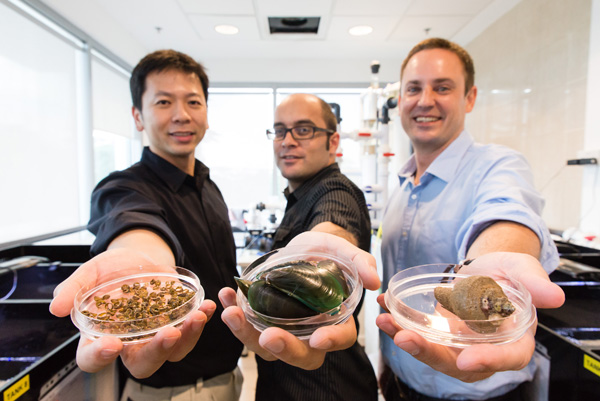
Professor Ali Gilles Tchenguise Miserez holds a joint appointment as Professor in the School of Materials Science and Engineering and the School of Biological Sciences at Nanyang Technological University (NTU) in Singapore. He is also the President's Chair in Materials Science and Engineering. His research group, the Biological and Biomimetic Materials Laboratory (BBML), is highly interdisciplinary, bringing together molecular biologists, chemists, bio-physicists, and materials scientists to study natural materials with unique properties not found in man-made materials. Prof. Miserez's research interests span multiple areas including bioelastomeric membranes & coiled-coil engineering, mechanisms of biofouling adhesion & anti-adhesive coatings, molecular biomimetics of non-mineralized hard tissues, biomineralized structures with graded properties, and liquid-liquid phase separation. His work focuses on understanding the molecular, physico-chemical, and structural principles of biological materials and translating these designs into novel biomimetic synthesis strategies. His laboratory emphasizes "green chemistry" approaches that mimic nature's energy-efficient synthesis methods under ambient conditions. Prof. Miserez's publication record demonstrates significant impact across multiple disciplines, with work appearing in top journals including Science, Nature Materials, Nature Biotechnology, Nature Chemical Biology, and Advanced Materials. His recent research has particularly focused on peptide coacervates for intracellular delivery of therapeutics, with applications in cancer treatment, mRNA delivery, and nucleic acid therapeutics. This work represents a convergence of materials science, biochemistry, and medicine with significant translational potential. Singapore National Research Foundation (NRF) Fellowship (2011) - $3 Million individual research grant for early career scientists Prof. Miserez has mentored numerous PhD students and postdoctoral researchers, many of whom have gone on to successful careers in academia and industry. His laboratory has developed strong international collaborations and has secured significant research funding. Current projects include developing peptide-based delivery systems for cancer therapeutics, understanding marine biofouling mechanisms, and creating biomimetic materials inspired by natural systems. The BBML laboratory is actively recruiting talented researchers interested in interdisciplinary work at the interface of biology and materials science.
Theresa Raimondo is the Manning Assistant Professor of Engineering at Brown University, with a secondary appointment in the Division of Biology and Medicine. She joined the Brown Engineering faculty in January 2024 after completing her postdoctoral training at MIT's Koch Institute. Dr. Raimondo leads the Raimondo Research Lab, which focuses on chemically modifying RNA and designing nanoparticles for therapeutic delivery to the body, an immunotherapy concept that holds immense promise in the field of immunoengineering. Her educational background includes: PhD in Engineering Sciences – Bioengineering from Harvard University (2019) MEng from Harvard University (2019) Sc.B. in Chemical and Biochemical Engineering from Brown University (2011) Dr. Raimondo's research is broadly focused on the design of targeted drug-delivery vectors and novel RNA-based therapeutics for applications in cancer, immunotherapy, and tissue regeneration. Her work primarily centers on developing novel lipid nanoparticles (LNPs) for RNA-based therapies, contributing to adjuvanted mRNA-based vaccines and siRNA-based cancer immunotherapies. By optimizing LNP formulation and modulating RNA constructs, she seeks to understand how RNA-LNPs modulate immunity and develop new therapeutic approaches. Her expertise spans biomaterials, drug delivery, biomolecular engineering, nanomedicine, tissue engineering, and regenerative medicine. Analysis of Dr. Raimondo's recent publications reveals a strong focus on RNA delivery systems and lipid nanoparticle technology. Her work spans from fundamental studies on nanoparticle design to applications in cancer immunotherapy, vaccine development, and tissue regeneration. A significant portion of her research involves optimizing lipid formulations for improved mRNA delivery and exploring how these systems interact with the immune system. Her publications demonstrate a trajectory from basic biomaterials research to increasingly translational work with therapeutic applications. Dr. Raimondo has received numerous prestigious awards: 2025 NAE Symposium selection (Grainger Foundation Frontiers of Engineering) 2025 appointment to the inaugural Early Career Board of ACS Applied Bio Materials 2024 selection as MIT Faculty Founder Initiative finalist 2022 Convergence Scholar fellowship from MIT's Marble Center for Cancer Nanomedicine National Science Foundation graduate research fellowship Harvard's Smith family graduate fellowship Dr. Raimondo is actively involved in mentoring students through courses including ENGN 0931L - Biomedical Engineering Design and Innovation II, ENGN 1490 - Biomaterials, and ENGN 1931L - Biomedical Engineering Design and Innovation II. Her research program is supported by various grants, though specific funding sources aren't detailed in the provided text. The Raimondo Research Lab represents a dynamic environment where engineering principles are applied to solve complex biological challenges in drug delivery and regenerative medicine. The Raimondo Research Lab at Brown University serves as a hub for innovation in RNA delivery and biomaterials design. The lab brings together expertise in chemical engineering, molecular biology, and immunology to develop next-generation therapeutic platforms. Current research directions include optimizing lipid nanoparticle formulations, exploring novel RNA modifications, and investigating immune responses to RNA therapeutics across various disease contexts.
Professor Hanadi Sleiman is a renowned academic in the Department of Chemistry at McGill University, specializing in DNA-based nanomaterials and their applications in drug delivery and supramolecular chemistry. She holds leadership roles, including Director of the NSERC CREATE training program in Nucleic Acids and President of the International DNA Nanotechnology Society (ISNSCE). Her research focuses on engineering DNA nanostructures for targeted therapies, such as cancer treatments, and advancing materials chemistry through DNA-functionalized systems. Education: Ph.D. in Chemistry, Stanford University (1990) Postdoctoral Fellow, University of Louis Pasteur (1993) Research Interests: Professor Sleiman’s work combines synthetic chemistry with DNA self-assembly to create programmable materials. Her lab designs DNA cages for drug encapsulation, explores DNA-minimal approaches to scalable materials, and integrates DNA with nanoparticles, polymers, and metals for biomedical applications. Key areas include cancer therapy, biosensors, and enzyme mimics. Awards & Honors: Fellow of the Royal Society of Canada (2017) Killam Research Fellowship (2018) R. U. Lemieux Award in Organic Chemistry (2018) William Dawson Scholar Award (2004–2012) Grants & Collaborations: She directs the NSERC CREATE program and collaborates with institutions like the Quebec Centre for Advanced Materials (QCAM) and the McGill Centre for Structural Biology (CRBS). Her training initiatives emphasize nucleic acid therapeutics and diagnostics. Labs & Teams: Her Sleiman Group at McGill develops innovative DNA architectures in the Otto Maass laboratory, with a focus on translational research for clinical applications.
Caitriona M. O'Driscoll is Professor and Chair of Pharmaceutics at University College Cork's School of Pharmacy, Ireland. With over four decades of academic experience, she previously served as Head of the School of Pharmacy at UCC from 2003-2009 and 2010-2013. Her established drug delivery research team spans from pre-formulation through to production and manufacture of prototype delivery systems suitable for clinical trial, with strong industry links underpinning many research projects. Her research interests focus on translational drug delivery with emphasis on 'problem' drugs including poorly water soluble compounds and biopharmaceuticals like peptide/protein drugs, plasma DNA and siRNA. She develops nano-sized delivery constructs that are robust enough to survive processing, stable on storage, and achieve cell/site specific delivery in vivo. Greater than 40% of new chemical entities are poorly water soluble Biopharmaceuticals now approach 50% of all new drugs in development Major barrier is design of efficient delivery systems Special focus on oral drug delivery despite challenges Analysis of her recent publications reveals a strong emphasis on targeted nanodelivery systems for cancer therapy, particularly prostate and colorectal cancer, as well as neurodegenerative diseases like Huntington's. Her work demonstrates expertise in cyclodextrin-based nanoparticles, siRNA delivery, and disease-specific formulations that account for conditions like Crohn's disease that affect drug delivery. Scientific awards include: 'Person of the Year award' by Parenteral Drug Association (Ireland Chapter) in 2013 'Award for Professional Excellence' by Helix Health in 2007/2008 'Award for Pharmacist of the Year' by Helix Health in 2007/2008 With €10.5M in career research income and 25 PhDs graduated, Professor O'Driscoll's work has attracted funding from diverse sources including Science Foundation Ireland, Enterprise Ireland, and industry partners. Her research group maintains strong links with Pharmaceutical Chemistry and Process & Chemical Engineering at UCC, creating a unique strength for drug development research from design through to clinical trial. She has served as external examiner for multiple universities and as PhD thesis examiner at institutions worldwide. Her research team operates within UCC's drug delivery group, which has established expertise spanning from pre-formulation through to production and manufacture of prototype delivery systems. The group maintains strong industry connections and offers various PhD positions, focusing particularly on translational research with product-driven applications.
Prof. Robbert Jan Kok is a Professor of Drug Delivery Technology at Utrecht University's Utrecht Institute for Pharmaceutical Sciences (UIPS) and Programme Director for the Bachelor of Pharmacy. He obtained his Pharmacy degree (1993) and PhD in renal drug targeting (1998) from the University of Groningen, followed by postdoctoral research on endothelial-targeted drug delivery. His work spans curriculum development for pharmacy programs and interdisciplinary research in drug innovation. Research Focus: Kok specializes in advanced drug delivery systems, including nanomedicines for kinase inhibitors, 3D-printed formulations, and stimuli-responsive carriers. Key areas include: Targeted delivery to tumors, kidneys, and inflamed tissues Polymeric micelles, liposomes, and microspheres for sustained release Biopharmaceutics and pharmacokinetic optimization Publication Trends: His recent work emphasizes nanotechnology-enabled therapies (e.g., curcumin nanodelivery, photodynamic micelles) and device-integrated drug release (3D-printed implants, macroencapsulation). Studies frequently combine material science with preclinical validation in cancer, renal diseases, and inflammatory disorders. Academic Leadership: Kok oversees student advising, laboratory operations, and international collaborations at UIPS. His team explores translational applications of drug delivery platforms, including partnerships for vascularized tissue engineering and combination therapies.
Jouni Hirvonen is a Professor in the Division of Pharmaceutical Chemistry and Technology at the University of Helsinki's Faculty of Pharmacy. He serves as Supervisor for doctoral programmes in both the Doctoral Programme in Drug Research and the Doctoral Programme in Materials Research and Nanosciences. With an extensive publication record spanning over three decades, Hirvonen has contributed 384 research outputs and participated in 3 major research projects. His research interests focus on pharmaceutical technology, particularly in drug delivery systems, nanoparticles, and drug dissolution and absorption. His work bridges pharmaceutical chemistry with cutting-edge nanotechnology applications, developing innovative delivery systems for therapeutic agents. His research spans from fundamental pharmaceutical sciences to translational applications in regenerative medicine, immunotherapy, and cardiovascular pharmacology. The analysis of his recent publications reveals a strong focus on advanced drug delivery platforms, particularly utilizing nanoparticles, lipid-based systems, and biomaterials for targeted delivery. His work increasingly integrates microfluidic technology for precise nanoparticle preparation, with applications spanning cancer immunotherapy, cardiovascular repair, tendon regeneration, and inflammatory disease treatment. The trend shows a growing emphasis on combination therapies, RNA delivery, and cell-mediated drug delivery approaches. Hirvonen has received several prestigious awards throughout his career: CRS/Eurand Grand Prize Award on Innovations in Oral Drug Delivery Technologies (2007) Suomen Valkoisen Ruusun Ritarikunnan I luokan ritarimerkki (2013) The Young Scientist in the University of Kuopio (1993) University of Helsinki Quality Teaching Unit, Faculty of Pharmacy (2005) Visiting Professor award (2015) With 25 instances of supervising doctoral theses and numerous academic activities including conference organization, committee memberships, and editorial work, Hirvonen has made significant contributions to academic mentorship and institutional development. His research has been supported by projects including Generation Green, 3i REGENERATION, and IVIVRe. His work appears to involve collaboration with multiple research teams focusing on drug delivery applications across various therapeutic areas.
Dr. Kathryn A. Whitehead is a Professor in the Department of Chemical Engineering and holds a courtesy appointment in the Department of Biomedical Engineering at Carnegie Mellon University. She joined the faculty in 2012 after completing postdoctoral training at MIT. Her research focuses on engineering drug delivery systems for RNA therapeutics, maternal-infant health, and overcoming biological barriers to enhance drug efficacy. Key areas include lipid nanoparticle (LNP) design for mRNA delivery, intestinal permeation enhancement, and leveraging maternal milk cells for therapeutic applications. Education: H.B.Ch.E., University of Delaware (2002); Ph.D., University of California, Santa Barbara (2007); Postdoctoral Fellow, MIT (2008–2012). Research Interests: Drug delivery systems, RNA interference, bionanotechnology, personalized medicine, and translational nanomedicine for diseases such as cancer and diabetes. Her lab develops novel LNPs for targeted delivery to tissues like the liver, brain, and pancreas. Awards and Recognition: AIMBE Fellow, DARPA Young Faculty Award (2016), CMBE Young Innovator Award (2016), MIT Technology Review Innovator Under 35 (2014), and NIH Director’s New Innovator Award. Her work has been cited over 9,000 times, with patents in RNA delivery and permeation enhancers. Lab Members: Active researchers include Ph.D. students, postdocs, and undergraduates working on projects such as LNP formulation, maternal milk cell biology, and siRNA therapies. Notable alumni have advanced to roles at Moderna Therapeutics, Verve Therapeutics, and academic institutions. Grants and Funding: Supported by NIH, DARPA, and industry partnerships. Current projects include NIH grants on pregnancy-safe mRNA delivery and DARPA funding for maternal-infant therapeutics.
Ueli Grossniklaus is an Ordinary Professor at the University of Zurich within the Faculty of Mathematical and Natural Sciences , affiliated with the Department of Plant and Microbiology . His work focuses on plant developmental biology, particularly epigenetic and genetic mechanisms governing reproduction and adaptation. Key Courses: Epigenetics, Plant Biology Workshop, Group Seminars on Current Research Laboratory Techniques: Advanced methods in plant cell mechanics, transcriptomics, and genome editing Research Interests span plant epigenetics, reproductive biology, and the interplay between environmental stress and genetic regulation. He investigates: Mechanistic control of gametogenesis and fertilization Epigenetic contributions to plant adaptation Evolutionary implications of asexual reproduction Biophysical forces in plant cell growth Publication Trends (2025–2018) reveal expertise in: Arabidopsis and fern model systems Epigenetic regulation (DNA methylation, histone dynamics) Apomixis and hybrid seed failure mechanisms Biomechanics of pollen tubes and carnivorous plants Genome editing tools (CRISPR) and long-read sequencing Scientific Collaborations include interdisciplinary projects on: Microfluidic devices for plant cell analysis Gene drive ecology and ethics 3D imaging of plant reproductive structures Advising and Grants focus on mentoring through research internships in developmental biology, genetics, and systems biology. His lab engages in: Epigenetic response to environmental stress Cell wall mechanics in reproduction Computational modeling of plant growth Laboratory Teams integrate plant biologists, bioengineers, and computational scientists to study: Mechanistic gene regulation Evolutionary developmental biology Microrobotics for cellular force measurement
Cynthia M McMillen is a Research Assistant Professor in the Department of Infectious Diseases and Microbiology at the University of Pittsburgh's Graduate School of Public Health, focusing on bunyavirus tropism and vertical transmission mechanisms using placental models and animal systems. Her educational background includes: Bachelor of Science in Biology from West Virginia University (2010) Ph.D. in Immunology and Microbial Pathogenesis from West Virginia University (2016) Post-doctoral training at University of Pittsburgh's Center for Vaccine Research (2019-2022) Dr. McMillen's research centers on bunyaviruses (Rift Valley fever, Cache Valley, Schmallenberg, La Crosse), investigating vertical transmission through placenta explants and rodent models. She develops 2D/3D trophoblast organoids to study host-virus interactions and creates therapeutics including neutralizing antibodies and inducible RNAi systems. Her publication record (2016-2024) demonstrates consistent focus on Rift Valley fever virus pathogenesis, vertical transmission mechanisms, and therapeutic interventions. Key contributions include establishing congenital infection models, testing antibody-based fetal protection strategies, and analyzing vaccine strain attenuation at the maternal-fetal interface. Dr. McMillen actively mentors students through classroom instruction and laboratory guidance, having served as guest lecturer for virology, immunology, and microbiology courses at University of Pittsburgh and West Virginia University since 2012. She conducts high-containment research within the Center for Vaccine Research and Regional Biocontainment Laboratory, utilizing placenta explants and trophoblast organoid systems to dissect viral tropism and transmission pathways.
Bradley Nilsson is a Professor of Chemistry at the University of Rochester, Department of Chemistry. He leads the Nilsson Group, focusing on peptide self-assembly, amyloid structures, and their applications in biomedicine and materials science. His work bridges organic, biological, and materials chemistry, with notable contributions to amyloid-inspired hydrogels and HIV transmission mechanisms. He received the 2016 Goergen Award for Excellence in Teaching and the 2012 NSF CAREER Award. Education: PhD in Organic Chemistry (2003, University of Wisconsin-Madison), postdoctoral research at UC Irvine. He joined Rochester in 2006. Research interests include molecular recognition in amyloid peptides, SEVI fibrils' role in HIV transmission, and hydrogel development for tissue engineering. His lab has pioneered studies on stimulus-responsive self-assembly and co-assembly of peptides. Key achievements include the reductive trigger for peptide hydrogelation (JACS 2010), and NIH-funded work on anti-HIV microbicides. Current projects explore amyloid-β oligomer toxicity, SEVI mechanisms, and functional biomaterials from simple amino acid derivatives. Lab members include graduate students Elena Quigley, Melissa Jagrosse, Francine Yanchik, Hannah Distaffen, and Chris Jones. The lab collaborates on interdisciplinary projects funded through NIH and NSF grants.
Guohua An, MD, PhD, is an Associate Professor in the Department of Pharmaceutical Sciences and Experimental Therapeutics at the University of Iowa College of Pharmacy. She holds expertise in mechanistic pharmacokinetic/pharmacodynamic (PK/PD) modeling, population PK in special populations, model-informed drug development, and quantitative systems pharmacology. Her research focuses on optimizing drug therapies for critically ill patients, infants, and surgical patients, with emphasis on antibiotics and novel drug candidates like HSD-1 inhibitors. Dr. An has a dual background in clinical pharmacy and pharmaceutical sciences, with industry experience at AbbVie and prior academic roles at the University of Florida. Education: MS in Clinical Pharmacology, Fudan University, China PhD in Pharmaceutical Sciences, SUNY University at Buffalo, USA Research Interests: Dr. An’s work integrates PK/PD modeling to inform drug development and clinical care, particularly in special populations. She explores mechanisms of drug disposition, target-mediated effects, and systems pharmacology to enhance therapeutic outcomes. Her recent studies address empiric dosing strategies for antibiotics (e.g., piperacillin-tazobactam), nonlinear pharmacokinetics of inhibitors, and quantitative models for incretin hormones. Publications: Her articles emphasize PK/PD modeling in antibiotics, HSD-1 inhibitors, and siRNA therapeutics. Key themes include population pharmacokinetics in cystic fibrosis patients, target-mediated drug disposition, and systems pharmacology approaches to diabetes therapies. Labs/Teams: Collaborates with interdisciplinary teams in clinical pharmacology and drug development, leveraging both academic and industrial partnerships.
Norbert O. Reich is a Distinguished Professor in the Department of Chemistry & Biochemistry at the University of California, Santa Barbara (UCSB), affiliated with the College of Letters and Science. He joined UCSB in 1987 after completing his Ph.D. at UCSF in 1984 and an NIH postdoctoral fellowship there. His research focuses on enzyme mechanisms, particularly DNA methylation and telomerase, with applications in antibiotic and cancer therapy design. He also develops innovative chemical biology tools, including gold nanoshell-based drug delivery systems and fluorescence-based protein tracking methods. Education: Ph.D. in Chemistry from UCSF (1984). Awards: Regent's Junior Faculty Fellowship (1987), American Cancer Society Faculty Research Award (1991), UC President's Award for Excellence in Undergraduate Research (1994). Research Interests: Epigenetic regulation via DNA methylation in bacteria and mammals Enzyme mechanisms of DNA methyltransferases (e.g., DNMT3A, CcrM) Design of therapeutic inhibitors targeting epigenetic enzymes Light-controlled delivery of proteins/RNA via gold nanoshells Protein-DNA interaction analysis using microfluidic arrays Awards and Recognition: His honors reflect contributions to both research and education, emphasizing his dual impact in science and teaching. Lab and Collaborations: Leads the Reich Lab, collaborating with researchers like Tom Pettus (UCSB) and Erkki Ruoslahti. Projects include antibiotic development, cancer epigenetics, and nanotechnology-driven drug delivery. Future Work: Expanding applications of nanoshell technology for targeted gene silencing and exploring allosteric inhibitors of DNMT3A for cancer treatment.
Ulrich Lächelt is an Assistant Professor in the Department of Pharmaceutical Sciences at the Faculty of Life Sciences. His research focuses on nanoparticle technology, drug delivery systems, and gene therapy, with a particular emphasis on CRISPR/Cas9 genome editing and RNA-based therapeutics. He leads a project on nanoformulations of prime editing ribonucleoproteins (2025–2029), aiming to advance precision medicine. His work contributes to UN Sustainable Development Goals, particularly in health and innovation. Research Interests: Nanoparticle design and material science CRISPR/Cas9 delivery systems siRNA and mRNA therapeutic formulations Cancer-targeted drug delivery Biomedical engineering applications Publications (2025–2023): Highlighted studies include dual pH-responsive CRISPR delivery systems and accelerated endosomal escape mechanisms. His work spans 40+ peer-reviewed articles, with recent trends focusing on xenopeptide carriers and tumor-targeted therapies. Grants & Projects: Current research funding includes a nanoformulations project (2025–2029). He actively collaborates on international initiatives, with recent presentations at global conferences on CRISPR delivery and gene editing strategies. Labs/Teams: Involved in interdisciplinary teams developing novel drug delivery platforms and screening tools for prime editor RNPs.