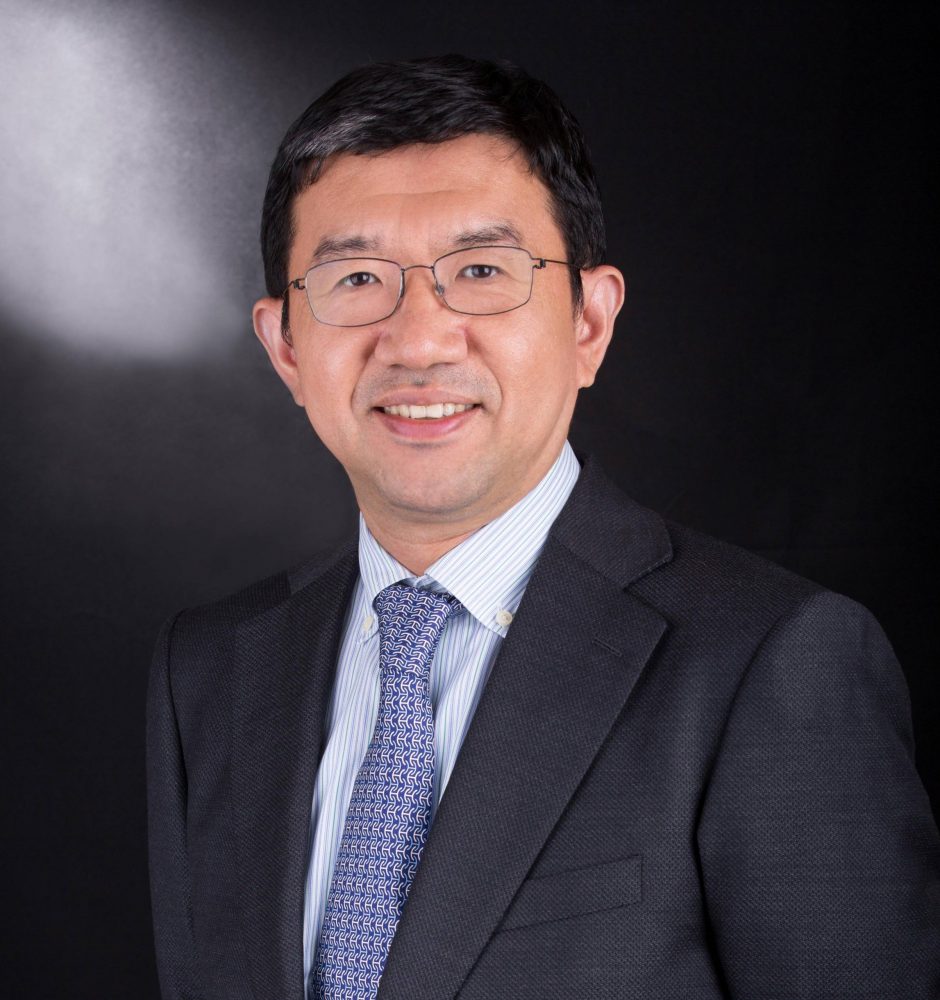
Bo HuView profile
Professor
Bo Hu is Professor of Biostatistics & Bioinformatics and Professor of Neurosurgery at Duke University, where he leads methodological and collaborative research at the intersection of biostatistics, bioinformatics, and clinical neurosciences. His dual appointments situate him within the Division of Biostatistics in the Department of Biostatistics & Bioinformatics and within the neurosurgical faculty. Education: Ph.D. in Biostatistics, University of Wisconsin–Madison, 2006 Research Interests: Professor Hu’s methodological work centers on advanced biostatistical and machine-learning techniques for high-dimensional biomedical data, including generative AI, synthetic data generation, and predictive analytics in medicine. Clinically, he collaborates on precision-medicine trials in oncology, neurodegeneration (Alzheimer’s disease), metabolic disease (type 2 diabetes and bariatric surgery), and treatment-resistant depression. His neuroimaging genetics portfolio explores structural brain endophenotypes in bipolar disorder and epilepsy using single-cell transcriptomic integration. Complementing his medical research, he maintains a vigorous program in remote-sensing informatics, developing deep-learning solutions for object detection, domain adaptation, and energy-infrastructure mapping from overhead imagery. Recent Grant Portfolio: Empagliflozin to Improve Right Ventricular Function in Pulmonary Arterial Hypertension – Cleveland Clinic Lerner College of Medicine (2025-2030) Gender and Asthma – Mayo Clinic Hospital-Arizona (2025-2027) Engaging Patients in Prenatal Genetic Testing Decisions – Cleveland Clinic Lerner College of Medicine (2025-2027) Laboratory & Collaborative Networks: Professor Hu leads interdisciplinary teams that bridge Duke’s Department of Biostatistics & Bioinformatics with clinical departments (Neurosurgery, Psychiatry, Medicine) and external partners such as Cleveland Clinic, Mayo Clinic, and multiple NIH consortia. These collaborations support large-scale clinical trials, multi-omics neuroimaging studies, and AI-driven remote-sensing analytics.