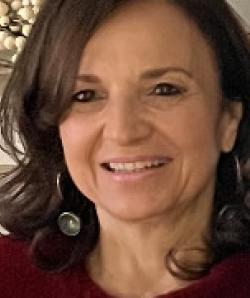
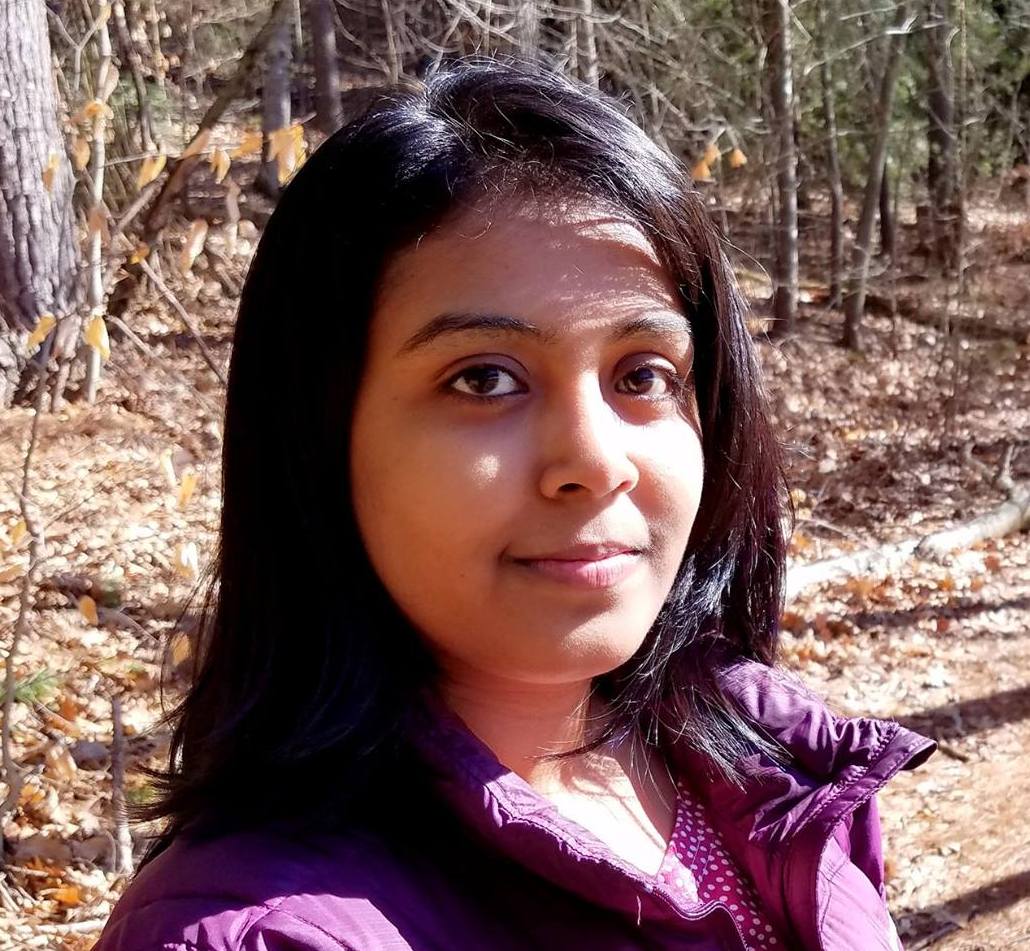
Maria Hatzoglou is a Professor in the Department of Genetics and Genome Sciences at Case Western Reserve University School of Medicine, with membership in the Molecular Oncology Program of the Case Comprehensive Cancer Center. Her research focuses on cellular stress responses in disease contexts, particularly cancer progression and metabolic disorders. Research Themes: Endoplasmic Reticulum (ER) stress mechanisms Translational control in chronic stress Metabolic reprogramming via redox-sensitive cysteine residues Cancer cell adaptation in breast cancer and glioblastoma stem cells Key Publications (2025–2013): Revealed novel translational plasticity in mammalian stress responses (Nature 2025) Discovered mTOR-dependent GCN2 phosphorylation for stress adaptation (JBC 2024) Linked ER stress to protein synthesis-driven cell death (Nature Cell Biology 2013)
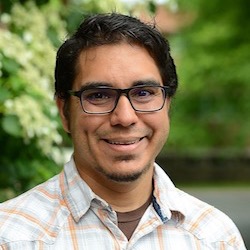
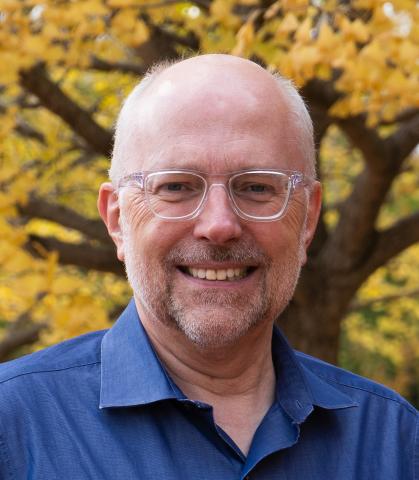
Marcos Caballero serves as Associate Professor at both the University of Oslo's Center for Computing in Science Education and Michigan State University. His work bridges physics education research with computational science instruction across educational levels from high school to graduate programs. His educational background includes: B.S. in Physics from University of Texas at Austin (2004) M.S. in Physics from Georgia Institute of Technology (opto-microfluidics research) Ph.D. in Physics Education Research from Georgia Tech (2011, first PER-focused doctorate there) Postdoctoral research at University of Colorado Boulder Caballero's research investigates how computational tools and science practices shape physics learning, employing both cognitive and sociocultural theoretical frameworks. Key projects examine measurement uncertainty assessment, computational literacy development, and equity in graduate admissions. His work spans micro-level analyses of student coding comprehension to macro-level studies of computing's impact across degree programs, with significant contributions to transforming upper-division physics curricula toward active learning environments. His recent publications (2021-2024) reveal concentrated focus on measurement uncertainty assessment instruments , computational thinking frameworks , and holistic graduate admissions reform . These works demonstrate increasing methodological sophistication through NLP applications and large-scale educational data analysis, while maintaining practical relevance for physics classroom transformation. Caballero co-founded Georgia Tech's Physics Education Research group and currently leads UiO's Center for Computing in Science Education and Michigan State's Physics Education Research Lab . His international partnership for computing in science education drives cross-institutional curriculum development, focusing particularly on integrating computational practices into core physics instruction while addressing equity challenges in STEM education.
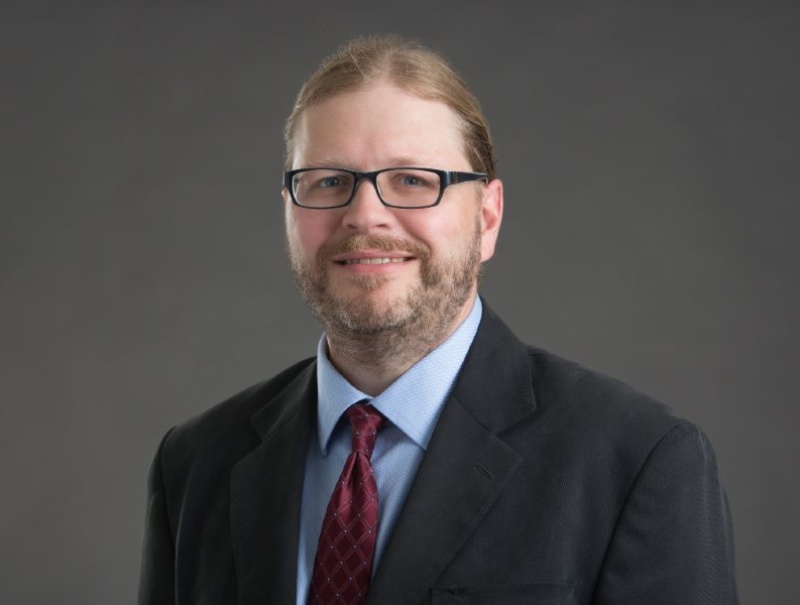
Tza-Huei (Jeff) Wang is a Professor in the Department of Mechanical Engineering and holds a secondary appointment in Biomedical Engineering at Johns Hopkins University . He is also affiliated with the Sidney Kimmel Comprehensive Cancer Center and the Institute for NanoBioTechnology , driving translational research in molecular diagnostics. Doctorate in Mechanical Engineering, UCLA (2002) Wang's research focuses on micro- and nano-biotechnologies for molecular analysis and biomedical applications. His work encompasses quantum dot-FRET nanosensors for cancer biomarkers, droplet magnetofluidics for infectious disease diagnostics, and single-molecule spectroscopy platforms like CICS. These technologies address critical needs in early cancer detection , antimicrobial resistance testing , and HIV viral load self-testing . Recent publications highlight advancements in digital PCR , CRISPR-assisted diagnostics , and high-throughput antimicrobial combination screening (e.g., RoboDrop platform). His team's work on HYPER-Melt enables ultrasensitive DNA methylation analysis at 0.00005% detection thresholds. Scientific Recognition NSF CAREER Award CRS Jorge Heller Award JALA Ten Award Cohen Translational Engineering Award Fellow, AIMBE, ASME, IEEE, and RSC Wang's laboratory trains future leaders in engineering and biomedical sciences, with alumni securing faculty positions at institutions like UCSD, Penn State, and Aarhus University. His innovations have resulted in 36 patents , including 14 U.S. patents, and secured $1.5M+ IMAT R33 and $2.2M NCI R01 grants for cancer screening technologies.
Xiaofei Xie is an Assistant Professor at the School of Computing and Information Systems (SCIS), Singapore Management University (SMU). He received his PhD from Tianjin University in 2018 and was a postdoctoral researcher at Nanyang Technological University (2018-2021) before joining SMU in 2022. His research focuses on software engineering, AI systems, and cybersecurity. Dr. Xie's primary research areas include program analysis, software testing, vulnerability detection, and quality assurance of AI systems. His work spans: Testing methodologies for autonomous systems and games AI security including backdoor detection and model robustness Automated program repair and code generation Formal methods and semantic code analysis His recent publications demonstrate strong emphasis on AI/ML system testing, cybersecurity applications, and program analysis techniques. Research trends show increasing focus on LLM-based program repair, autonomous system validation, and federated learning security. Major Awards: ACM SIGSOFT Distinguished Paper Awards (ASE'23, ISSTA'22, ASE'19, FSE'16) CCF Outstanding Doctoral Dissertation Award (2019) 3rd place in AI Singapore's Trusted Media Challenge (2022) Wallenberg-NTU Presidential Postdoctoral Fellowship (2019) APSEC Best Paper Award (2020) He currently advises 7 PhD/Master's students including CHENG Mingfei, KONG Jiaolong, and YU Jiongchi. Dr. Xie leads research in software reliability and AI security at SMU's SCIS.
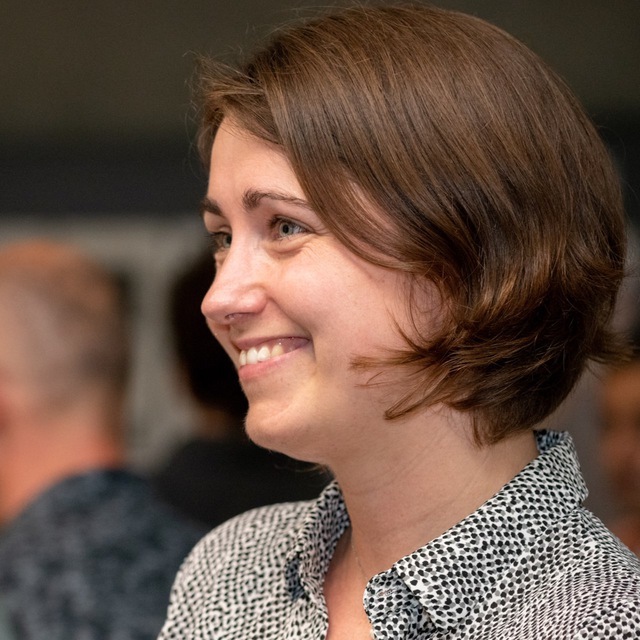
Noortje Venhuizen is an Assistant Professor in the Department of Cognitive Science and Artificial Intelligence at the Tilburg School of Humanities and Digital Sciences, Tilburg University. She serves as Academic Director for the BSc Cognitive Science and Artificial Intelligence program since 2024, and has held academic positions at Saarland University (2015-2022) including roles as Scientific Staff member and Principal Investigator in SFB 1102 projects. PhD in Computational Semantics (University of Groningen, 2015) MSc in Logic (ILLC, University of Amsterdam, 2011) BSc in Artificial Intelligence (Utrecht University, 2009) Her research focuses on expectation-based language comprehension, neurocomputational modeling of semantic processing, distributional formal semantics, and pragmatic reasoning in discourse. Key contributions include PDRT-SANDBOX (Haskell NLP library) and DFS Tools (Prolog implementation of distributional formal semantics). Recent publications (2023-2025) explore multimodal word meaning, informativity in reference production, and neurocognitive models of surprisal processing. Her work combines formal semantics with cognitive neuroscience and computational modeling. LOT Grotevragenprijs essay contest - Second Prize She has presented research at major conferences including CogSci, AMLaP, and Sinn und Bedeutung. Current teaching includes courses on artificial intelligence, statistics, and semantic theory.
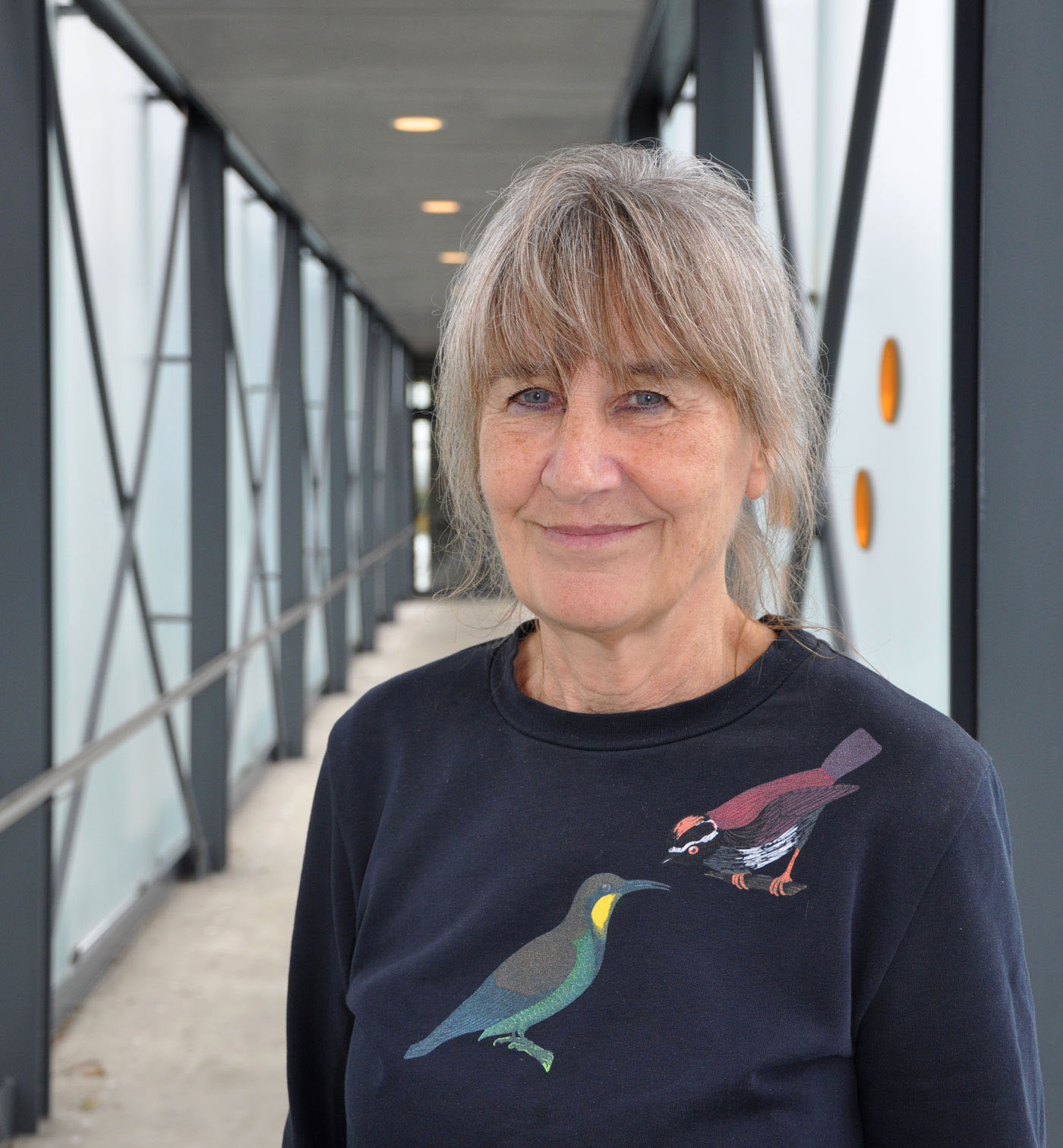
Adriana Gerarda Bus is a Professor at the University of Stavanger, Faculty of Arts and Education, and a leading researcher at the National Centre for Reading Education and Research. Her work bridges early literacy, digital media, and educational intervention, with a strong focus on how digital picture books can support children's language and reading development. Her research interests include early literacy, digital literacy, multimedia learning, bilingual and multilingual reading, home literacy environments, and educational technology. She investigates how digital enhancements in e-books influence story comprehension and vocabulary acquisition, particularly among young and language-minority children. Her work often employs meta-analytic methods to synthesize evidence across studies. The most recent articles highlight a consistent trend: exploring the efficacy, design, and accessibility of digital picture books across diverse contexts. Themes include screen vs. paper reading, multilingual access, nudging strategies to promote reading, and interventions like Bookstart. Her publications appear in high-impact journals such as AERA Open , Learning and Instruction , and Review of Educational Research . Building a Stronger Case for Independent Reading at School (2024) Nudging to Stimulate Reading in Primary and Secondary Education (2023) Efficacy of digital picture book enhancements... (2023) Free access to multilingual digital books... (2023) A Comparison of Children’s Reading on Paper Versus Screen: A Meta-Analysis (2021) She has received no explicitly mentioned scientific awards in the provided text. Her advising activities are not detailed, but she frequently collaborates with PhD students and early-career researchers. She has been involved in grant-funded projects related to digital literacy, Bookstart evaluations, and cross-cultural studies of reading interventions. She is affiliated with the National Centre for Reading Education and Research, a key hub for literacy research in Norway. Her team engages in both experimental and meta-analytic studies, often in collaboration with international partners from the Netherlands, the U.S., Poland, and Zambia. Future work appears to focus on expanding digital access for multilingual families and refining digital book designs for optimal learning outcomes.
Yiyi Li is an Assistant Professor in the Department of Marketing at the University of Texas at Arlington's College of Business. She previously served as an Assistant Professor at the University of Delaware and was an Instructor at the University of Texas at Dallas. Her research integrates quantitative marketing, applied econometrics, and empirical industrial organization to advance data-driven marketing strategies. Education: Ph.D. in Management Science (Marketing), University of Texas at Dallas, 2017 B.B.A. in Marketing, Fudan University, 2011 Her research centers on multi-channel advertising effectiveness , social media content strategy (text, image, video analytics), and online reviews . She combines rigorous econometric models with machine learning to analyze large-scale field data, offering actionable insights for firms. Her teaching includes Marketing Analytics, Marketing Research, and Digital Marketing. Her publications in Journal of Marketing , Journal of Marketing Research , and MIS Quarterly reflect her focus on empirical, data-intensive marketing science. These works explore advertising attribution, visual content engagement, and cross-device consumer behavior, demonstrating strong interdisciplinary reach across marketing, information systems, and econometrics. Scientific Awards: Distinguished Research Publication Award, UTA College of Business (2021) She advises undergraduate honors students and doctoral candidates, serving on dissertation and comprehensive exam committees. She has contributed to research grants and industry collaborations aimed at developing innovative marketing solutions. Her professional service includes committee roles in the College of Business and program development, as well as active peer review for top journals including Journal of Marketing , Marketing Science , and MIS Quarterly . Dr. Li is a member of the INFORMS Society for Marketing Science and regularly presents her work at major academic conferences such as the AMA Summer Academic Conference and the ISMS Marketing Science Conference.
Patrick Young serves as a Lecturer in the Department of Computer Science at Stanford University's School of Engineering. He currently teaches foundational courses including CS 105: Introduction to Computers (Autumn), CS 106EA: Exploring Artificial Intelligence (Winter, Spring), and CS 106E: Exploring Computing (Spring), while supervising 13 distinct independent study programs across all academic terms. His pedagogical focus centers on democratizing access to computing education, with specialized emphasis on AI literacy through courses like "Exploring Artificial Intelligence." His teaching portfolio spans from introductory computing concepts to advanced research mentorship, reflecting a commitment to both theoretical foundations and practical implementation in software development and human-centered technology design. Dr. Young maintains an extensive independent study supervision portfolio covering undergraduate research (CS 199/199P), senior thesis projects (CS 191/191W), graduate-level research (CS 399/399P, CS 499/499P), and professional training pathways (CS 390 series). This includes specialized tracks for part-time practical training (CS 390D) and programming service projects (CS 192), demonstrating comprehensive engagement with student development across academic and professional domains.
Dr. Anne M. Wallace is a Professor of Surgery and Director of the Comprehensive Breast Health Center at UC San Diego Health. She specializes in breast surgical oncology, reconstructive surgery, and gender-affirming care. Her work focuses on breast cancer detection, melanoma treatment, and clinical trials for novel therapies. Dr. Wallace has been a faculty member since 1995 and actively participates in teaching and leadership roles across UC San Diego committees. Education: MD: Creighton University School of Medicine (Omaha, NE) Residency: General Surgery (Georgetown University), Plastic Surgery (UC San Diego) Fellowship: Microvascular Cancer Reconstruction (MD Anderson Cancer Center) Research: Dr. Wallace pioneered molecular targeted imaging agents for breast cancer and melanoma detection. She leads a large-scale clinical trials program in breast health, emphasizing personalized care and risk management strategies. Awards & Recognition: 2024: Top Doctor in Surgery and Plastic Surgery 2020: TWIN Honoree for Professional Excellence 2018: Susan G. Komen Foundation Award Practice Locations: Koman Family Outpatient Pavilion, UC San Diego Health Systems. Accepts major insurance plans.
Nora Hoffmann is the Head of the Writing Center at Goethe University Frankfurt and a prominent researcher in academic writing didactics. With a background in Modern German Literature and higher education didactics, she has held key roles at Johannes Gutenberg University Mainz and Eberhard Karls University Tübingen. Current: Head of Writing Center, Goethe University Frankfurt Past: Research Assistant at Mainz Center for Quality Assurance (2012–2018) Her research focuses on the didactics of scientific reading and writing, writing center evaluation, and AI integration in academic writing. She has pioneered frameworks like TeKoER for text quality assessment and explored chatbot applications in educational contexts. Recent work examines generative AI's impact on student creativity and writing processes, based on nationwide surveys (2023–2024). She co-developed position papers on writing competence institutionalization and maintains leadership roles in the Society for Writing Didactics (gefsus) and European Writing Centers Association (EWCA). Key contributions include: Coordinating writing workshops across disciplines Developing faculty training programs for writing instruction Advancing quality management frameworks for academic texts Leading Germany-wide writing center surveys
Anna Fariha is an Assistant Professor in the Kahlert School of Computing at the University of Utah. She co-leads the Data Management Research Center for Human-centered, Efficient, and Scalable Systems. Her research focuses on enhancing data system usability, explainability, and trustworthiness through algorithmic innovations and practical implementations. She holds a Ph.D. from the Manning College of Information and Computer Sciences at the University of Massachusetts, Amherst, under Prof. Alexandra Meliou. Education: Ph.D. in Computer Science, University of Massachusetts Amherst (2021) Master's in Computer Science, University of Massachusetts Amherst (2020) Undergraduate work in Computer Science, unspecified institution Her research interests include data wrangling tools, constraint discovery, conversational AI for data science, and human-centered database systems. Recent work emphasizes automated data summary recommendations, constraint violation detection, and educational tools for data science programming. Grants & Awards: NSF CIRC: ENS/Grand: POWDER-ENS Award (2024) Stena Center Seed Grant for Fintech Data Analysis (2025) Microsoft Research Dissertation Grant (2020) SIGMOD 2022 Comprehensive Reproducibility Award Teaching: Recently taught Advanced Database Systems , Human-Centric Data Management , and Deep Learning courses at the University of Utah.
Charles Conover is an Associate Professor of Art and Director of the Digital Arts and Design Program at Long Island University, School of Visual Arts, Communications and Digital Technologies. He brings extensive professional experience in publication design and art direction, having worked for 12 years in the field, including a decade as Art Director for PC Magazine at Ziff-Davis Publishers. Educational Background: B.F.A., New York Institute of Technology M.A., New York University His research and creative work focus on editorial design, typography, and page layout , with a strong emphasis on print media and technical illustration. His graduate studies explored American history and silkscreening techniques, particularly the social effects of industrialization. He continues to create and exhibit prints and paintings, blending historical themes with visual design. Conover is the author of Designing For Print , a textbook published by John Wiley & Sons, which serves as a comprehensive guide for young professionals and students in imaging techniques, technical illustration, and layout design. Scientific and Professional Awards: AIGA Award for Technical Illustration and Layout Design Print Magazine Award for Technical Illustration and Layout Design He has exhibited widely across the tri-state area, with solo and group exhibitions at institutions such as the Hutchins Gallery, Wisser Memorial Library, and Lincoln Center. As an active educator and program director, he mentors students in digital arts and design, integrating industry standards and historical perspectives into the curriculum. His work bridges academic instruction with professional practice. Labs and Creative Spaces: While not explicitly named, his role as Director suggests leadership in studio and digital labs supporting print, painting, and digital design within the School of Visual Arts.
Andrew Melnyk is a Professor in the Department of Philosophy at the University of Missouri . His research focuses on philosophy of mind , philosophy of science , and metaphysics , particularly defending physicalism (or materialism) through the lens of realization theory. He is a member of the Heterodox Academy and the Academic Freedom Alliance . Education : B.A. in Literae Humaniores, Oxford University (1985) B.Phil. in Philosophy, Oxford University (1987) D.Phil. in Philosophy, Oxford University (1991) Research Interests : Defending physicalism via realization theory Philosophical methodology and naturalism Mind-body problem and phenomenal consciousness Reductionism vs. non-reductive physicalism Empirical evidence for materialism in neuroscience His publications, including the 2025 book Phenomenal Properties and the Intuition of Distinctness , critically engage with two-dimensionalism, supervenience, and the scientific plausibility of physicalism. His teaching includes Philosophy of Mind and Philosophy of Science courses at both undergraduate and graduate levels.
Scott G. Hasler, MD serves as an Associate Professor in the Department of Internal Medicine at Rush Medical College, Rush University. He concurrently holds critical administrative roles as Vice Chairperson and Director of the Internal Medicine Residency Program, shaping physician training standards across the institution. His professional focus centers on Internal Medicine and Medical Education , with specialized expertise in residency curriculum development and clinical training systems. As Residency Program Director, he oversees comprehensive physician development from intern selection through board certification, emphasizing evidence-based clinical practice and professional identity formation. In his dual leadership capacity, Dr. Hasler drives program accreditation compliance, faculty mentorship initiatives, and resident wellness frameworks. His operational scope includes managing 150+ resident positions, coordinating 30+ clinical training sites, and implementing innovative assessment methodologies for graduate medical education.
Christian Keitel is an Honorary Professor for Archival Science and Digital Archiving at the University of Applied Sciences Potsdam. He works at the Landesarchiv Baden-Württemberg, where he has served since 2000, currently as Deputy Head of Department 2 (Specialized Programs and Educational Work). His research focuses on conceptual principles of conventional and digital archiving, DIMAG systems, certification of digital archives, authenticity of digital records, and cooperative learning processes in digital archiving. University of Applied Sciences Potsdam – Honorary Professor (2015–) Landesarchiv Baden-Württemberg – Deputy Head of Department (2011–), Senior Archivist (2000–) Keitel’s scholarly work emphasizes digital preservation, metadata standards, and long-term archive certification. His publications address challenges in trustworthiness of digital repositories, significant properties of electronic records, and collaborative digital archiving frameworks. He co-authored DIN standards 31644 and 31645 for trustworthy digital archives. Recent articles highlight his contributions to digital ingest workflows, metadata extraction, and municipal archive solutions. His work explores intersections between traditional archival principles and modern digital challenges, including authenticity verification, system development, and cross-institutional cooperation.