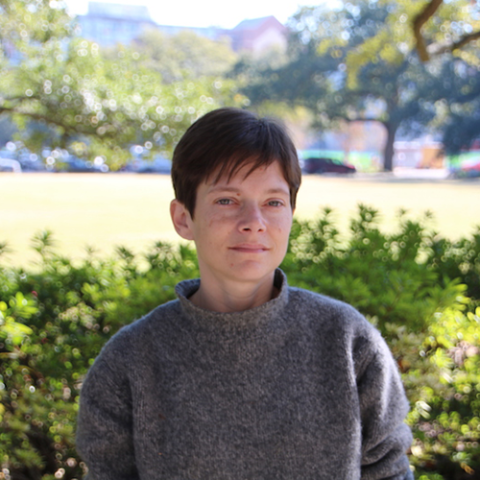
Dale Shuger is a Professor of Spanish & Portuguese in the School of Liberal Arts at Tulane University. His academic career includes roles as Visiting Assistant Professor (2012-2013), Assistant Professor (2013-2023), and Associate Professor (2018-2023) before his current position since 2023. He holds a Ph.D. from New York University (2008) and a B.A. from Harvard University (2001). Shuger’s research focuses on early modern Spanish literature, heterodox religions, and popular culture in Spain and colonial Latin America. His work bridges literary analysis with cultural history, exploring topics such as mysticism, the Inquisition, and symbolic practices in early modern texts. His publications include God Made Word: An Archaeology of Mystic Discourse in Early Modern Spain (2021) and articles on Cervantes, puppetry, and religious symbolism. His research has been supported by grants like the COR International Travel Fund and the Lurcy Award. Shuger has led Tulane’s Program in Medieval and Early Modern Studies (2014-2017) and currently serves on the School of Liberal Arts Curriculum Committee. He advises Spanish majors and has supervised one thesis in the past five years.
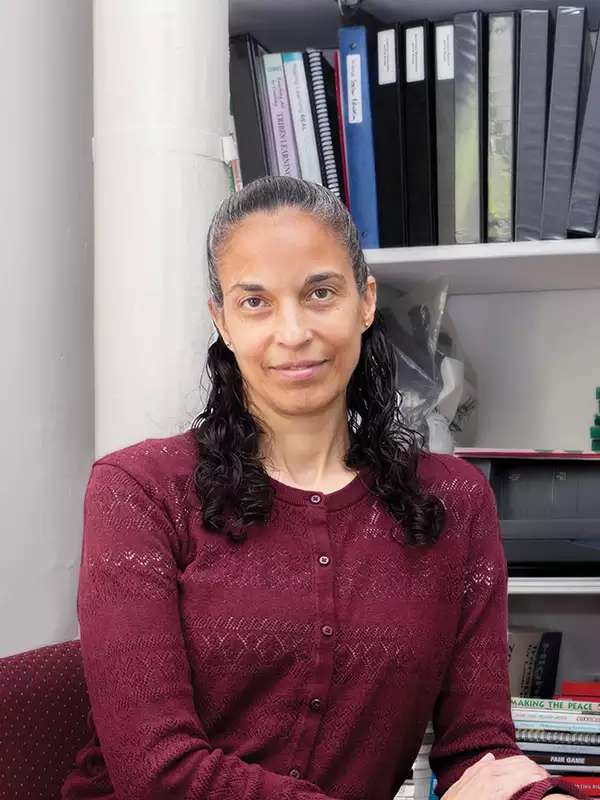
María Rivera Maulucci is the Ann Whitney Olin Professor of Education and serves as the Education Program Director/Chair at Barnard College, Columbia University. She is a proud alumna of Barnard (Class of 1988) and has been a faculty member since 2004. Her work centers on urban education, science pedagogy, and teacher development with a strong commitment to equity and social justice. Education: BS, Barnard College, Columbia University MFS, Yale School of Forestry & Environmental Studies M.Phil, Teachers College, Columbia University Ph.D., Teachers College, Columbia University Her research focuses on how teachers learn to teach for social justice, emphasizing the role of language, identity, and emotions in teacher development. She employs qualitative research and evaluation methods to explore transformative pedagogical practices in urban science education. Her scholarship bridges formal and informal learning contexts and investigates the interplay between teacher agency and structural constraints. Her recent publications and presentations highlight a sustained focus on equity, critical science inquiry, teacher identity, and professional development. She has contributed extensively to journals such as Journal of Research in Science Teaching and Cultural Studies of Science Education , and has authored chapters on social justice, identity, and assessment in science education. Scientific Awards: Barnard College Emily Gregory Teaching Award (2018) National Association for Research in Science Teaching Equity and Ethics Scholar (2007) She is the Principal Investigator of the NSF-funded Barnard College Robert Noyce Teacher Education Scholars Program, which supports future science teachers in urban schools. She advises students and collaborates with national organizations, including the National Association for Research in Science Teaching, Association for Science Teacher Education, and American Educational Research Association. Her teaching includes courses such as Science in the City , Urban School Practicum , and Performance Assessment of Teaching . She is actively engaged in professional development initiatives and has led workshops on family engineering nights, multicultural pedagogy, and social justice in science education. Her lab and programmatic work centers on the Noyce Scholars Program, which functions as a living laboratory for preparing socially conscious science educators.
Prof. Dr. Thomas Duve is a Director at the Max Planck Institute for Legal History and Legal Theory and holds the Professorship for Comparative Legal History at Goethe University Frankfurt am Main. His research focuses on global legal history, particularly the interplay between secular and religious knowledge in the Iberian empires of the early modern period, and the method of legal history and comparative law. Director, Max Planck Institute for Legal History and Legal Theory Professor of Comparative Legal History, Goethe University Frankfurt Co-editor of 'The School of Salamanca Working Paper Series' Duve’s research explores normative knowledge production, colonial law, and the glocalization of legal norms. He has led projects such as 'Glocalizing Normativities' and 'Mapping Conflicts in Iberian Worlds', emphasizing cross-cultural legal exchange and historical normativity regimes. His recent publications (2018–2025) address global legal history, transnational legal practices, and the role of canon law in colonial settings. Key themes include legal pluralism, indigenous rights, and the translation of legal norms across cultures, with methodological innovations in comparative and transnational legal studies. Duve collaborates extensively with international scholars and institutions, including the Max Planck Partner Group and the Oxford Handbook of Legal History. His work bridges European and Latin American legal traditions, offering critical insights into legal globalization and postcolonial legal analysis.
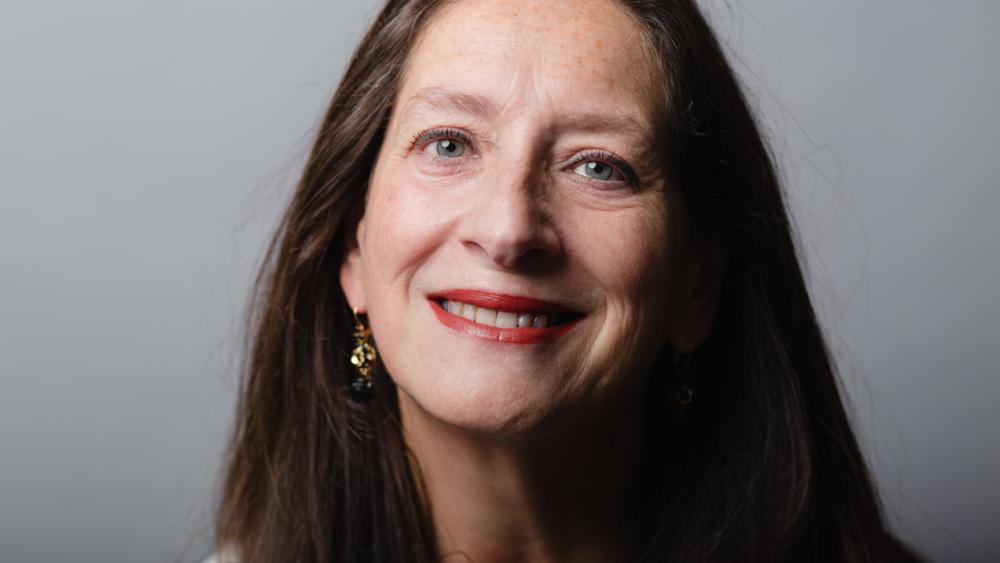
Dr. Ariel Lang is a Professor In Residence in the Department of Psychiatry at the University of California San Diego (UCSD) and holds an Adjunct Professor position in the Department of Family Medicine and Public Health. She serves as Co-Director of the Experimental Psychopathology Track in the SDSU/UCSD Joint Doctoral Program in Clinical Psychology, and directs the VA San Diego Healthcare System (VASDHS) Center of Excellence for Stress and Mental Health (CESAMH). She co-leads the VASDHS Advanced Fellowship in Women's Health and specializes in evidence-based psychotherapeutic approaches for anxiety and trauma-related disorders in military populations. Education: Bachelor of Arts (BA), Psychology, Stanford University (1991) Master of Arts (MA), Clinical Psychology, UCLA (1994) Doctor of Philosophy (PhD), Clinical Psychology, UCLA (1998) Master of Public Health (MPH), Public Health (Biometry), SDSU (2007) Research Interests: Dr. Lang's work centers on assessing and treating PTSD, anxiety disorders, and trauma-related conditions with a focus on complementary and integrative approaches. Her studies frequently intersect with military/veteran populations, women's health, and public health issues such as systemic racism and environmental exposures. She has pioneered interventions like Compassion Meditation , Adaptive Disclosure , and Mantram Repetition Program , often using randomized controlled trials (RCTs) to evaluate efficacy. Her research also addresses co-occurring disorders (e.g., PTSD and substance use), pregnancy/postpartum mental health, and intergenerational trauma effects. Publications Trends: Her recent articles emphasize trauma-focused treatments, integrative health modalities, and veteran-specific healthcare challenges. Over 50% of her recent work involves clinical trial methodologies, particularly RCTs evaluating novel interventions. She consistently explores interdisciplinary topics like the intersection of mindfulness and clinical psychology, and the impact of systemic stressors on mental health outcomes. Awards: In 2022, she was honored as the UCSD Dept of Psychiatry Faculty Champion of Diversity . Grants/Advising: She is Principal Investigator on NIH grants exploring compassion meditation and yoga interventions for veterans, and has led projects funded by the VA and DoD. Her role in the 2023 VA/DoD PTSD Clinical Practice Guideline underscores her influence in shaping national healthcare policies. Labs/Teams: Her work is anchored in the VASDHS CESAMH, a multidisciplinary research center focused on stress-related mental health conditions. She collaborates extensively with researchers in public health, neurology, and military medicine, evidenced by frequent co-authorships in these domains.
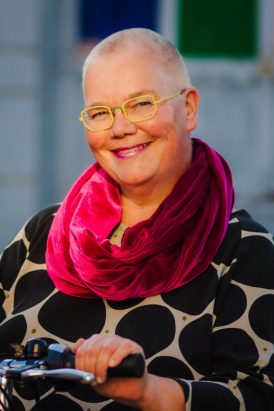
Petra Kuppers is a Professor at the University of Michigan, specializing in disability culture, performance art, and ecocriticism. She holds a PhD from Falmouth College of Art/Plymouth University (1999) and is affiliated with multiple departments, including English, Drama, and Gender Studies. Her work bridges academic research with community-based performance, emphasizing socially just futures through art. Key roles include Artistic Director of The Olimpias, co-founder of Turtle Disco, and a Just Tech Fellow (2024–2026) for 'Planting Disabled Futures,' a VR project blending disability culture and environmental ethics. She teaches graduate courses on disability studies and creative writing, advising students through a monthly 'Research Coven.' Kuppers has authored influential books like *Disability and Contemporary Performance* (2003) and *Eco Soma* (2022), recognized with awards such as the Guggenheim Fellowship and ATHE Book Prize. Her poetry collections, including *Gut Botany* (2020) and *Diver Beneath the Street* (2024), explore intersections of disability, ecology, and true crime. Her research spans crip ecologies, archival activism, and somatic methods, with recent projects including *Crip/Mad Archive Dances* and participatory events like 'Crip Drifts.' She emphasizes accessibility in performance, digital art, and public engagement, often collaborating with Indigenous communities and global disability collectives.
Prof. Dr. Nicole Ondrusch is a Professor at Heilbronn University (HHN) within the Faculty of Computer Science. She specializes in teaching methodological fundamentals of software engineering, including ERP systems, Design Thinking, Change Management, and digital transformation. Her research focuses on educational concepts for computer science technologies and future-relevant skills. Key Roles and Projects: Member of BW-CAR doctoral center Organizer of Barcamp Heilbronn, an unconference teaching project fostering student teamwork Principal investigator in funded projects like DigiTrans (digital transformation education) and DEV:GAMES (educational game development) SAP Academic Board DACH spokesperson since 2021 Research Interests: Her work emphasizes innovative teaching methods such as Design Thinking, agile project implementation, and digital experimentation. She explores ethical AI education, interdisciplinary collaboration, and the societal impact of digital transformation. Nicole also develops practical teaching tools like virtual escape rooms and game-based learning frameworks. Grants & Partnerships: Funded by DAAD (DigiTrans), Stiftung Innovation, and others Collaborates with industry partners like SAP and local IT organizations (ConnectIT) Labs & Teams: She leads the Lab:D initiative, developing digital teaching platforms, and co-organizes the Barcamp, a student-led event integrating real-world project management and community building.
Lucia Dolce serves as the Numata Professor of Japanese Buddhism within the Department of Religions and Philosophies at SOAS University of London, part of the School of History, Religions and Philosophies. Her academic base is room 342 in the Russell Square: College Buildings campus. Her educational background includes: Laurea MA (University of Venice) PhD (Leiden University) Professor Dolce's research centers on two interconnected projects: first, the discourse on the body in medieval Japanese Buddhist rituals and its connections to continental Tantric practices, emphasizing ritual fluidity and performative theory applications; second, contemporary Buddhism-Shinto syncretism with focus on revival of premodern practices in Kyoto shrines. She also examines Tokyo's urban pilgrimage routes like the Seven Gods of Fortune, analyzing institutional negotiations and religious marketing dynamics. Her journal articles (1992-2023) consistently explore ritual knowledge transfer in Japanese Buddhism, with recent works on scriptural repurposing and tantric exegesis highlighting material culture and practice-centered approaches. Earlier publications establish foundational studies on Nichiren Buddhism's esoteric dimensions, astrological cults, and celestial body worship, revealing enduring thematic threads across three decades of scholarship. Scientific awards: No awards listed in provided text Advising and grants: She currently supervises four PhD candidates: Rachel Williams (Japanese Secularity), Haruka Saito (Repentance Rituals), Sooyeun Yang (Korean Astrological Buddhism), and Yeonju Lee (Korean Nationalism). Previous supervisees include twelve PhD graduates such as Emanuela Sala (2022, Sannō Shintō), Ronit Wang (2022, Thai Hell Parks), and multiple 2011 completions. Dolce led the Newton Fellowship-associated project 'The Lucky Gods of Tokyo' (2014-2016), investigating spatial politics in Buddhist-Shinto pilgrimage networks.
Chris Darimont is a Professor and Raincoast Research Chair in Applied Conservation Science within the Department of Geography at the University of Victoria's Faculty of Social Sciences. His work bridges natural and social sciences to address urgent conservation challenges, with a geographic focus on British Columbia's Central Coast (Great Bear Rainforest) but designed for global relevance. His research spans three primary domains: landscape ecology at the marine-terrestrial interface, conservation biology of harvest management, and conservation ethics. Darimont maintains deep collaborations with First Nations communities and conservation organizations like the Raincoast Conservation Foundation (where he previously served as Science Director) and Hakai Institute. His work frequently integrates Indigenous Knowledge with scientific methods, exemplified by projects like the Nuxalk Sputc (Eulachon) initiative and Heiltsuk bear monitoring. Darimont's publication record shows consistent focus on human-wildlife interactions, particularly bear-salmon ecosystems, trophy hunting ethics, and Indigenous-led conservation. His highly cited 2009 PNAS paper "Human predators outpace other agents of trait change in the wild" and 2015 Science paper "The unique ecology of human predators" established foundational frameworks in conservation science. Recent work increasingly emphasizes decolonial approaches and Two-Eyed Seeing methodologies. As an educator, he teaches GEOG 391 (Contemporary Topics in Coastal Conservation) and GEOG 353 (Coastal and Marine Resources), prioritizing student mentorship as his "favourite form of outreach." His research is regularly featured in high-profile media including National Geographic and The New York Times, reflecting his commitment to science communication and public engagement.
Tracey Galloway is an Associate Professor in the Department of Anthropology at the University of Toronto Mississauga (UTM), where she conducts critical research on Indigenous health disparities and policy interventions in northern Canada. Her work bridges medical anthropology, public health, and community-based participatory research to address systemic inequities affecting circumpolar populations. Education: PhD, McMaster University, 2008 MA (institution unspecified) BA (institution unspecified) BScN (institution unspecified) Dr. Galloway's research program centers on chronic disease risk assessment and health system improvement in Indigenous communities, with specific expertise in nutrition transition, food security, child growth patterns, and public health policy evaluation. She examines the impact of federal programs like Nutrition North Canada while developing community-led solutions for health equity. Her methodological approach combines quantitative analysis of health outcomes with qualitative community engagement, emphasizing Indigenous research sovereignty and decolonizing methodologies. Her publication record reveals consistent thematic focus across 15 recent articles, demonstrating interdisciplinary collaboration between anthropology, epidemiology, and health economics. Key trends include rigorous evaluation of colonial impacts on Indigenous food systems, innovative analysis of subsidy program effectiveness, and centering Indigenous patient experiences in healthcare design. Her work consistently prioritizes community-defined research questions and actionable policy recommendations. Dr. Galloway actively mentors graduate students including Darci Belmore, Carly Checholik, Neda Maki, and Hiliary Monteith, guiding research on Indigenous health determinants and policy interventions. While specific grant details aren't publicly enumerated, her collaborative projects involve partnerships with Indigenous communities across Northern Canada and interdisciplinary teams addressing complex health system challenges. She maintains strong community partnerships for her applied research, particularly in Nunavut and Northwestern Ontario, working directly with Anishinabeck and Inuit communities to translate findings into culturally safe health initiatives and policy reforms that address the root causes of health inequities.
Lisa L. Wynn is Professor in the School of Social Sciences (Discipline of Anthropology) at Macquarie University in Sydney, Australia. She serves as Associate Editor of American Ethnologist (2022-2027) and previously held leadership positions including President of the Australian Anthropological Society (2020) and membership on the AAS Executive Committee (2018-2021). Wynn earned her PhD in 2003 from Princeton University's Anthropology Department, followed by postdoctoral positions at Princeton's Office of Population Research and Center for Health and Wellbeing. Her research program centers on gender, reproductive health technologies, sexuality, and religion, with continuous fieldwork in Egypt since 1998. More recently, she has expanded her work to examine ethics review bureaucracies, lay understandings of infectious disease, and young adult vaping behaviors in Australia. Her methodological approach combines deep ethnographic engagement with critical analysis of how power structures intersect with medical technologies and bodily experiences, particularly among marginalized communities. Analysis of her recent publications reveals an evolving trajectory that maintains her foundational interest in Middle Eastern contexts while increasingly addressing digital spaces (as seen in studies of online fatwas) and contemporary health crises (including pandemic responses and vaping culture), with consistent attention to bodily autonomy and reproductive justice. Her significant scholarly contributions have been recognized through multiple prestigious awards: Vice Chancellor's Teaching Excellence Award from Macquarie University (2009) Australian Award for Teaching Excellence (2012) OLT National Teaching Fellowship (2012-2014) Leeds Honor Prize from the Society for Urban, National, and Transnational/Global Anthropology (2008) Wynn actively mentors graduate researchers specializing in gender, sexuality, medicine and technology, with particular emphasis on sexual and reproductive health. Her research program has received substantial funding from the Social Science Research Council, Australian Research Council, Office of Learning and Teaching, and Hort Innovation. Notably, she co-led a major international project to develop multilingual sexual and reproductive health resources that have reached millions of users across 208 countries. She also created a free online ethics training program for humanities and social sciences researchers at Macquarie University. Through collaborations with Cambridge Reproductive Health Consultants and other partners, Wynn has successfully translated academic research into accessible public resources, including evidence-based information on medication abortion available in six languages (English, Spanish, French, Arabic, Turkish, and Farsi).
Chris Millora is a Lecturer in the Department of Educational Studies at Goldsmiths, University of London. He serves as Head of Programme for the MA Social Justice in Education and leads critical modules such as Introduction to Social Justice in Education and Global Education: Power, Practice and Policy . His work bridges youth learning, social justice, and international development, with a focus on grassroots activism. Education: PhD in Education and Development (2021), MA in Lifelong Learning Policy and Management (2016) Research Focus: Youth activism, volunteerism, and educational equity in Global South contexts Key Research Areas: Millora investigates youth-led social movements as informal learning spaces, employing ethnographic and participatory methods. His work examines how volunteering, activism, and dissent intersect with development agendas, SDGs, and systemic inequalities. Article Trends: Recent publications analyze bureaucratic literacies in Philippine volunteering, pandemic-era youth organizing, and criminalization of dissent in Southeast Asia. These works emphasize power structures, policy implications, and transformative learning. Scientific Awards: Leverhulme Trust Early Career Fellowship Grants & Collaborations: He has secured funding from UKRI/GCRF and collaborated with organizations like UN Volunteers, International Association for Volunteer Effort, and Global Campaign for Education. His research engages with UNESCO Chairs and BALID associations.
Professor D Graham J Shipley is the Professor of Ancient History at the University of Leicester's School of Archaeology and Ancient History since 2002. His research focuses on Hellenistic and Classical antiquity, particularly on political landscapes, environmental studies, and urban planning. He holds a D.Litt. from the University of Oxford (2020) and is a Senior Fellow of the Higher Education Academy (2014). Education: Graduated in Classics from Oxford University. Academic roles include serving on the Oxford Classical Texts Committee and the UK Education Honours Committee. Previously chaired the Council of University Classical Departments and convened the Dorothy Buchan Memorial lectures. Research interests emphasize ancient geography, socio-political structures, and environmental interactions. His work spans studies of Sparta, Greek urban planning, and the cultural impact of Hellenistic expansion. Recent publications examine Pseudo-Skylax's geographical texts and post-Alexandrian political dynamics. Scientific Awards: Senior Fellow of the Higher Education Academy (2014) D.Litt. (Doctor of Letters) from University of Oxford (2020) Advising and Grants: No specific advisees listed, but supervises research in ancient history and archaeology. Active in collaborative projects such as the Laconia Survey. Grants have supported archaeological fieldwork and publication initiatives. Labs/Teams: Collaborates with the Oxford Classical Texts Committee and has led interdisciplinary teams in regional archaeological surveys.
Alessandro Monsutti is a Professor of Anthropology and Sociology at the Graduate Institute of International and Development Studies in Geneva. He holds additional roles as Faculty Associate at the Centre on Conflict, Development and Peacebuilding, Global Migration Centre, and Albert Hirschman Centre on Democracy. His research focuses on transnational networks, forced migration, and conflict dynamics in Afghanistan, Iran, Pakistan, and Europe. Education: PhD in Social Anthropology from the University of Neuchâtel (2002). Prior roles include Research Fellowships at Yale University (2008–2010) and the School of Oriental and African Studies (1999–2000), and Visiting Professorships at the University of Vienna and Arizona State University. Research Interests: Migration studies, border studies, political economy of post-conflict reconstruction, diaspora dynamics, and the intersection of globalization with local practices. His fieldwork spans Afghanistan, Pakistan, Iran, and Western countries, emphasizing the agency of displaced populations and the socio-economic strategies they employ. Scientific Contributions: Over 30 peer-reviewed articles and authored/edited books including Homo itinerans: Towards a Global Ethnography of Afghanistan (2021) and War and Migration (2005). His work bridges ethnographic rigor with policy relevance, addressing themes like refugee integration, urban migration, and global governance. Grants & Awards: MacArthur Foundation Grantee (2004–2006), Swiss National Science Foundation grants for projects on urban cohabitation and Afghan crisis analysis. Co-led initiatives on adolescent migration and border policy in South Asia. Labs/Teams: Collaborates with the Refugee Studies Centre (Oxford), Global Migration Centre (Geneva), and international NGOs like UNHCR. Active in editorial boards of journals like Tsantsa and ethnographiques.org .
Annouchka Bayley is an Associate Professor at the Faculty of Education, University of Cambridge, specializing in posthuman pedagogy, new materialist philosophies, and artistic research methodologies. She chairs the Arts and Creativities Research Group and previously directed the Arts, Creativities and Education MPhil programme (2021-24) and led the Doctoral Research Training Programme. PhD from University of Warwick BA Hons from SOAS MRes from University of Warwick Her research explores: Posthuman and new materialist approaches to education Decolonial epistemologies for educational development Postqualitative research practices in higher education Digital pedagogy and augmented reality applications Embodied and affective learning methodologies Recent publications examine diffractive knowledge production, digital materiality, and postpandemic educational futures. Key collaborative works include: Diffracting New Materialisms (2023, Palgrave Macmillan) Posthuman Pedagogy (2018, Parallax journal) Current teaching focuses on: Postgraduate courses in Arts, Creativities and Education Doctoral research training Advanced research methods Labs/Teams: Arts and Creativities Research Group CRiCLE Network (Creativities in Education) Diffractive Methodologies Collective
Philippe d'Iribarne is a French researcher holding the position of Research Director at the French National Center for Scientific Research (CNRS), where he is affiliated with the Gestion et Société (Management and Society) Research Group. His academic career has focused on the complex relationship between cultural contexts and organizational success, particularly in developing countries. Dr. d'Iribarne's research interests center on cross-cultural management, organizational sociology, and development studies, with particular emphasis on how cultural frameworks shape business practices and organizational effectiveness. His work challenges conventional wisdom about universal management practices, demonstrating how successful organizations in developing countries often achieve excellence by creatively adapting to rather than rejecting local cultural contexts. He has conducted field research across Africa, Latin America, and Asia, examining how companies leverage traditional cultural forms to create innovative management approaches. His publication record reveals a consistent thematic focus on the interplay between culture and organizational success. Rather than viewing cultural differences as obstacles to development, d'Iribarne's work demonstrates how local cultural resources can be harnessed to create effective business models. His research particularly highlights how successful companies in the Global South have found ways to integrate modern management tools with local cultural frameworks, creating unique hybrid organizational forms that achieve both efficiency and cultural resonance. As a senior researcher at CNRS, d'Iribarne has led significant research initiatives examining business operations in diverse cultural contexts. His work with the Gestion et Société research group has produced influential theoretical contributions to management studies, particularly regarding the relationship between universal management principles and their culturally-specific implementation. His research methodology emphasizes deep ethnographic engagement with organizations in their local contexts, allowing him to identify the subtle cultural mechanisms that enable organizational success in challenging environments.