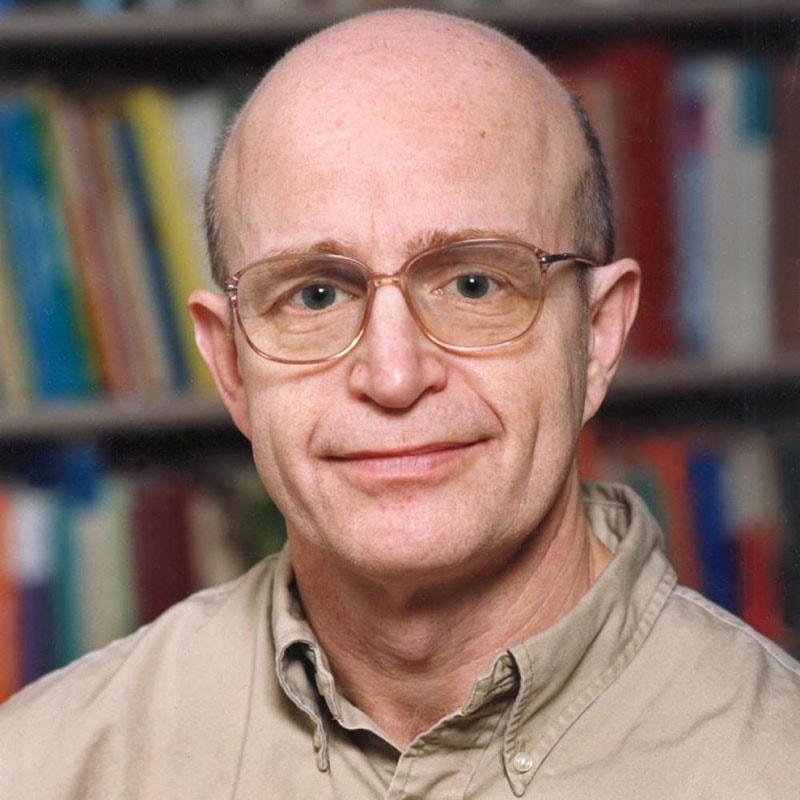
Joakim Nivre is a Professor at Uppsala University's Department of Linguistics and Philology. He is a leading researcher in computational linguistics, with a focus on dependency parsing, Universal Dependencies (UD) framework development, and multilingual NLP applications. His recent work explores LLMs in climate change discourse analysis, pharmacovigilance explainability, and historical text processing. Key research areas: Dependency parsing theory, Universal Dependencies standardization, LLM evaluation Collaborations: SweSAT-1.0 benchmark development, ClimateEval project, PARSEME integration His 2025-2023 publications demonstrate expertise in explainable AI for healthcare, synthetic data generation for idioms, and multilingual benchmark design. Notably, he co-developed SweSAT-1.0 to evaluate Swedish LLMs and contributed to typology-informed UD revisions. Despite extensive work in NLP, no scientific awards are mentioned in available texts.
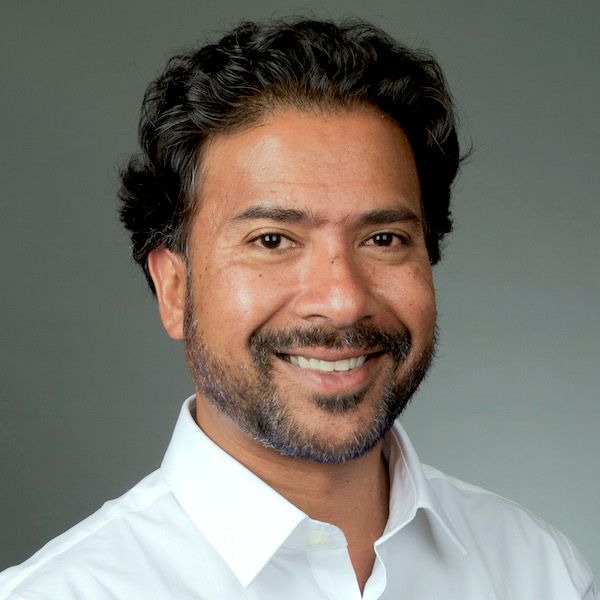
Zhenhong Li is a Lecturer in Robotics and Control at the University of Manchester, holding an EPSRC Fellowship in physical human-robot interaction. He earned his B.Eng. from Huazhong University of Science and Technology (2013), and M.Sc. and Ph.D. in Control Engineering from the University of Manchester (2014 and 2019). Before joining Manchester in 2023, he was a Research Fellow in Rehabilitation Robotics at the University of Leeds (2019–2023). His research focuses on control technologies for human-robot systems, with applications in healthcare and industry. Key areas include physical human-robot interaction for rehabilitation, brain-computer interfaces, and neuromusculoskeletal modeling. He leads the Neurorobotics Lab (NRL) at Manchester and collaborates with healthcare professionals, industries, and designers via EPSRC/STFC/Wellcome Trust funding. Notable achievements include the 2019 Best Paper Award for Unmanned Systems and the 2020 EPS International Academic Pump-priming Award. In 2025, he was elected as a Senior Member of the IEEE. He actively organizes conferences and special issues, including the 2025 IEEE UK Robotics Conference and a Frontiers special issue on intelligent rehabilitation technology. Dr. Li supervises PhD candidates in robotics and control, emphasizing interdisciplinary approaches to human-robot interaction. His lab develops cutting-edge technologies like assistive exoskeletons and adaptive control systems for healthcare and industrial applications.
Yuyin Zhou is an Assistant Professor in the Department of Computer Science and Engineering at the University of California, Santa Cruz (UCSC), within the Baskin School of Engineering. She previously held a postdoctoral fellowship at Stanford University, collaborating with Prof. Lei Xing and Prof. Matthew Lungren. She earned her Ph.D. in Computer Science from Johns Hopkins University under the supervision of Bloomberg Distinguished Professor Alan Yuille. Her research is centered on advancing biomedical artificial intelligence to match medical experts in decision-making. Key focuses include developing medical multimodal models, building fair and trustworthy real-time learning systems for clinicians and patients, enabling one-shot/few-shot adaptation of foundation models to diverse medical tasks, and generating synthetic data aligned with clinical knowledge. Dr. Zhou’s recent publications span top-tier venues such as Nature Medicine , Medical Image Analysis , ICLR, CVPR, NeurIPS, MICCAI, and ECCV, reflecting a strong trend in foundation models for medical imaging, trustworthy AI, and efficient deployment. Her work bridges computer vision, deep learning, and clinical applications, with notable projects including TransUNet, BioMedGPT, and MicroSegNet. She has been recognized with the Google Research Scholar Award and the Hellman Fellowship . Dr. Zhou actively contributes to the academic community as an Area Chair for CVPR, ICLR, MICCAI, and CHIL. She organizes workshops and tutorials, including the CVPR 2024 Workshop on Foundation Models for Medical Vision and MICCAI 2024’s FOMMIA tutorial. Google Research Scholar Award Hellman Fellowship Dr. Zhou is actively recruiting self-motivated PhD students and interns to work on machine learning, computer vision, and AI for healthcare. She leads a dynamic research group focused on pushing foundation models into real-world clinical settings. Her team has launched public datasets, such as a micro-ultrasound dataset for prostate segmentation, and open-sourced tools to foster community collaboration.
Julie Dethier is a Research Fellow at the University of Liège, affiliated with the Faculty of Applied Sciences and Montefiore Institute. Her research bridges cellular neuroscience and network dynamics, with focus on pathological rhythms in Parkinson's disease and brain-machine interface development. She completed her Ph.D. in 2015 under Prof. Sepulchre's supervision. Her academic journey includes: Ph.D. in Systems and Modeling (2015), University of Liège with Princeton University research stay (2014-2015) Master of Science in Bioengineering (2011), Stanford University (Brains in Silicon lab) Master of Applied Sciences in Biomedical Engineering (2010, summa cum laude), University of Liège Bachelor of Applied Sciences (2008, summa cum laude), University of Liège Dr. Dethier investigates how cellular feedback mechanisms generate pathological beta oscillations in basal ganglia circuits, disrupting motor function in Parkinson's disease. Her computational approaches model the transition from unicellular rhythms to network-level oscillations, with implications for deep-brain stimulation therapies. She integrates electrophysiological data with dynamical systems theory to explain robustness and modulation in neural circuits. Her publication record demonstrates evolving expertise from brain-machine interface hardware (2011-2012) to fundamental neural mechanism studies (2013-2015). Key themes include spiking neural network decoders, cellular feedback loops, and pathological oscillation generation. Work spans computational modeling, neuromorphic engineering, and translational neuroscience with applications in neuroprosthetics. Major recognitions include: WBI excellence grant for Princeton research (2014) LEAR Foundation Fellowship for Cambridge research (2013) Audience Award at ULg thesis competition (2013) IEEE EMBS Best Poster Award (2011) Fulbright Honorary Fellowship and Rotary International Fellowship (2010) Funded by competitive F.R.S.-FNRS and international fellowships, her research involved cross-institutional collaboration with Princeton, Cambridge, and Stanford teams. While no formal advisees are listed, her publications reflect mentorship through co-supervised projects and conference presentations. Current work extends her doctoral thesis on multiscale neural dynamics. She maintains active ties with the Systems and Modeling Research Unit at Liège, Brains in Silicon lab at Stanford, and participates in Benelux neuroscience networks through the Montefiore Institute.
Carolyn Parkinson is an Associate Professor at the University of California, Los Angeles (UCLA), holding the Bernice Wenzel and Wendell Jeffrey Term Endowed Chair in Cognitive Neuroscience. Her research integrates social psychology with computational neuroscience to explore how the human brain represents, navigates, and shapes social environments. University: University of California, Los Angeles (UCLA) Academic Rank: Associate Professor Research Focus: Social and Affective Neuroscience, Social Network Analysis, Neural Mechanisms of Psychological Distance At the Computational Social Neuroscience Lab , Parkinson investigates: Neural encoding of social network structures Shared mechanisms for spatial, temporal, and social distance perception Computational modeling of social cognition Functional MRI analysis of social relationships Her work reveals that: Resting-state brain connectivity predicts social proximity Multivoxel patterns decode social knowledge representations Old cortical structures repurpose spatial processing for social cognition Neural population coding transcends historical phrenology-based approaches Notable awards include the Bernice Wenzel and Wendell Jeffrey Term Endowed Chair. She employs machine learning and social network theory to analyze distributed brain activity patterns, advancing understanding of human social behavior and cognition.
Danyang Zhuo is an Assistant Professor of Computer Science at Duke University, Trinity College of Arts & Sciences, with expertise in datacenter/cloud computing and machine learning systems. He joined Duke in 2020 after postdoctoral research at UC Berkeley under Ion Stoica and a PhD at the University of Washington advised by Tom Anderson and Arvind Krishnamurthy. Education: PhD in Computer Science (University of Washington, 2019) His research focuses on improving cloud infrastructure through systems like Phoenix (application-level abstractions) and Phantora (GPU cluster simulation). Recent work explores LLM verification, tensor compression via video codecs, and fairness in LLM serving. His 15 most recent publications span operating systems, machine learning, and networked systems conferences like HOTOS, NSDI, SIGCOMM, and OSDI. Scientific honors include NSF CAREER Award (2023), USENIX Security Distinguished Paper (2023), and multiple industry research awards. He has secured major NSF grants for projects including "OS-Managed Remote Procedure Call" and "Campus-level RDMA Networking." At Duke, he advises PhD students and teaches courses such as Introduction to Operating Systems (CompSci 310) and Systems for Machine Learning (CompSci 590.05). His work appears in leading conferences and journals, with collaborations across institutions including UC Berkeley, University of Washington, and industry partners.
Ziran Wang is an Assistant Professor in the Department of Civil Engineering at Purdue University's College of Engineering, appointed as new faculty in 2022. His research bridges digital twin technologies, autonomous driving systems, and human-machine interaction to advance intelligent transportation solutions. Ph.D. in Mechanical Engineering, University of California, Riverside Prior role: Principal Researcher at Toyota North America His work focuses on creating personalized autonomous driving experiences through machine learning, emphasizing safety and efficiency in real-world applications. Key areas include multimodal large language model integration, federated learning for privacy-preserving data sharing, and cooperative perception frameworks. He develops novel approaches for digital twin-based traffic simulation, medical emergency detection in vehicles, and human behavior modeling in complex urban environments. Analysis of his 2024-2025 publications reveals a dominant trend toward generative AI applications in autonomous driving, particularly for perception-prediction-planning integration and real-world validation. His research increasingly incorporates digital twins for safety-critical testing and explores medical applications through in-vehicle health monitoring systems. Dr. Wang advises graduate students including Wenhui Huang and leads the Purdue Digital Twin Lab, which develops advanced simulation and testing platforms for autonomous systems. His lab maintains strong industry partnerships with Toyota for real-world deployment and validation of research成果.
Jon Brennan is an Assistant Professor in the Department of Linguistics at the University of Michigan, affiliated with the College of Literature, Science, and the Arts (LSA). His research focuses on neurolinguistics, computational linguistics, and psycholinguistics, particularly investigating how the brain processes language structure and meaning. He leads the Computational Neurolinguistics Lab, which develops neurocomputational models to study language comprehension mechanisms. Brennan received an NSF Grant for collaborative research with Christophe Pallier (Paris) on neurocomputational models of natural language processing. His work integrates EEG, fMRI, and MEG techniques to decode linguistic features in neural signals. Key research areas include syntax-semantics interfaces, multilingual processing, and developmental disorders like dyslexia. Notable contributions include studies on hierarchical syntactic structure, minimal pairs in language models, and neural correlates of theory of mind in children. Brennan collaborates internationally, exemplified by the US-French NSF-CRCNS grant. He has published extensively on topics like neural decoding of grammatical features, LLM internal representations, and bilingual processing mechanisms. Scientific awards include the NSF Collaborative Research in Computational Neuroscience (CRCNS) Grant (2016). His research bridges computational modeling and experimental neuroscience, aiming to reveal how language mechanisms are implemented in neural systems.
Henry D. Pfister is the Addy Family Professor of Electrical and Computer Engineering at Duke University, with a secondary appointment in Mathematics. He holds affiliations with the Pratt School of Engineering and the Duke Quantum Center. His research focuses on information theory, error-correcting codes, quantum computing, and machine learning applications in communications. Pfister earned his Ph.D. from UC San Diego and has held prior roles at Texas A&M University, École Polytechnique Fédérale de Lausanne, and Qualcomm. Education: Ph.D. in Electrical Engineering, UC San Diego (2003); M.S. degrees in Public Policy and Environmental Management from Duke University; J.D. and additional degrees from UNC Chapel Hill. Research interests include Reed-Muller codes, quantum error correction, neural decoders for DNA storage, and capacity-achieving coding schemes. Recent work highlights include proving Reed-Muller codes achieve capacity on binary-erasure channels and developing quantum-enhanced classical communication protocols. Publications span topics like polar codes for quantum channels, belief-propagation algorithms, and neural network-based decoding. Notable grants include NSF funding for DNA storage coding and quantum simulation projects. Pfister has advised over 20 graduate students and is a recipient of the STOC Best Paper Award and NSF CAREER Award.
Chen Ran, PhD, is an Assistant Professor in the Department of Neuroscience at Scripps Research in San Diego. His laboratory focuses on understanding how the brain processes internal sensory signals from visceral organs, such as hunger, satiety, nausea, and visceral pain. Using advanced techniques like in vivo two-photon calcium imaging, optogenetics, and circuit tracing, his team maps the functional architecture of brainstem circuits responsible for interoceptive processing. Key contributions include the discovery of a 'visceral homunculus' in the brainstem and the development of novel calcium indicators for high-resolution neuronal activity tracking. Education : PhD in Biology, Stanford University (2017) Bachelor of Science in Biology, Peking University (2011) Research Interests : Dr. Ran’s work integrates experimental and analytical approaches to decode how visceral stimuli are transduced into conscious sensations. Current projects investigate the coding logic of mechanical, chemical, and thermal signals from internal organs, with implications for developing therapies for obesity, diabetes, visceral pain, and eating disorders. The lab employs cutting-edge tools to visualize and manipulate neural circuits in awake behaving mice, linking circuit-level activity to physiological states. Awards & Honors : NARSAD Young Investigator Award (2022) NIH K01 Career Development Award (2023) Simons Collaboration on the Global Brain Award (2022) Harvard Brain Science Initiative Award (2021) Grants & Funding : Supported by NIH, Simons Foundation, and private philanthropy, his research bridges basic science and translational medicine. Current grants focus on brainstem circuit mapping and developing therapeutic targets for interoceptive disorders. Labs & Affiliations : Dr. Ran leads an interdisciplinary team at Scripps Research’s Neuroscience Department, collaborating with engineers, geneticists, and clinicians to advance interoceptive neuroscience.
George R. Mangun is a Distinguished Professor of Psychology and Neurology at the University of California, Davis and Co-Director of the Center for Mind and Brain. He founded the UC Davis Center for Mind and Brain in 2002 and served as Dean of Social Sciences (2008-2015). Education: Ph.D. in Neurosciences (UC San Diego, 1987), B.S. in Chemistry and Life Sciences (Northern Arizona University, 1981) His research focuses on the neuroscience of attention , combining EEG and fMRI to explore how the brain selects and processes sensory stimuli. Key areas include attentional control, brain networks, and neural oscillations. Recent studies investigate hierarchical attention control, decoding spatial attention, and the role of theta/alpha oscillations in cognitive tasks. His work has implications for understanding neurological disorders like ADHD. Scientific Awards : Fulbright U.S. Distinguished Scholar (2025), Society for Neuroscience Education Award (2024), AAAS Fellow (2010), APS Fellow (2007) He has led the Neural Mechanisms of Attention Lab , funded by NSF, NIH, and international organizations, and co-authored the leading textbook Cognitive Neuroscience: The Biology of the Mind (6th ed., 2025).
John R Anderson is the Richard King Mellon University Professor of Psychology and Computer Science at Carnegie Mellon University (CMU), affiliated with the Department of Psychology within the Dietrich College of Humanities and Social Sciences. His research focuses on understanding higher-level cognition, particularly mathematical problem-solving, through the development of the ACT-R cognitive architecture—a computational framework simulating human cognitive processes. This architecture integrates behavioral, neural, and educational data to model learning and decision-making. Anderson’s work bridges cognitive science, neuroscience, and educational technology. He investigates how brain imaging (e.g., fMRI, EEG) can reveal the temporal dynamics of cognitive processes and improve instructional methods. His research emphasizes analyzing brain activity time courses to uncover underlying mechanisms of problem-solving and skill acquisition. Key Research Themes: Cognitive architectures, neural correlates of learning, computational models of memory, and intelligent tutoring systems. Notable Contributions: Development of the ACT-R architecture, integration of neuroimaging with cognitive modeling, and studies on skill transfer and learning strategies. Anderson’s publications include seminal books like Cognitive Psychology and Its Implications and How Can the Human Mind Occur in the Physical Universe? His work has advanced understanding of associative memory, strategic decision-making, and the application of cognitive models in educational technology. His lab, the ACT-R Research Group, collaborates across disciplines to model complex cognitive tasks and their neural foundations. Current projects analyze real-time brain activity to refine educational interventions and improve human-machine interaction.
Marcelo Mattar is an Assistant Professor of Psychology and Neural Science at New York University, leading the Mattar Lab. His research focuses on the neural computations underlying memory, decision-making, and reinforcement learning. He holds a Ph.D. in Psychology from the University of Pennsylvania and has held academic positions at NYU, UC San Diego, and postdoctoral roles at Princeton University and the University of Cambridge. His work bridges computational neuroscience and artificial intelligence, aiming to model how the brain uses internal models for planning and decision-making. Education: Ph.D. in Psychology (Computational and Cognitive Neuroscience), University of Pennsylvania, 2016 M.A. in Statistics, University of Pennsylvania, 2016 B.A. in Electronics Engineering, Instituto Tecnologico de Aeronautica, Brazil, 2010 Research Interests: The lab develops mathematical models of learning and decision-making, leveraging reinforcement learning, Bayesian statistics, and neural networks. Experiments involve human behavioral studies and neuroimaging, with collaborations in animal electrophysiology and computational psychiatry. Key Contributions: His work explores how episodic memory and hippocampal replay support flexible decision-making. Recent studies highlight parallels between human cognition and AI systems, such as language models' metacognitive abilities and brain-inspired algorithms. Awards: Newton International Fellowship, Royal Society (2018–2019) Lab Team: The lab includes postdocs, PhD students, and undergraduates from diverse fields like cognitive science, neuroscience, and computer science. Current members are listed on the lab's website. Lab Location: Meyer Hall, 6 Washington Place, New York, NY 10003.
Kamal Sen is an Associate Professor in the Department of Biomedical Engineering at Boston University, serving as Director of the Natural Sounds and Neural Coding Laboratory and Director of Admissions and Recruitment for Master’s Programs. He holds a PhD and MA in Physics from Brandeis University and a BA in Physics from Bates College. His research focuses on understanding how neurons encode natural sounds, particularly in the auditory cortex. Key areas include neural coding efficiency, hierarchical auditory processing, and the role of learning in shaping receptive fields. He developed the BOSSA algorithm to address sound segregation challenges in noisy environments, with applications for hearing aid technology. Sen’s work integrates electrophysiological techniques with theoretical approaches from signal processing, information theory, and systems theory. His lab explores neural discrimination of behaviorally relevant sounds and models cortical processing dynamics using computational frameworks. Recent studies investigate parvalbumin neuron contributions to temporal coding and cortical noise reduction in complex auditory scenes. His publications span neural circuit modeling, fNIRS applications in BCI, and biomimetic algorithms for auditory scene analysis. Research highlights include exploring schizophrenia-related gene effects on neural circuits and developing 3D neurosphere models for Parkinson’s disease.
Andrzej Majkowski is an Associate Professor at the Institute of the Theory of Electrical Engineering, Measurement and Information Systems, Faculty of Electrical Engineering, Warsaw University of Technology. His career spans over two decades of research in biomedical engineering, focusing on brain-computer interfaces, signal processing, and emotion recognition. Active in both teaching and research, he contributes to advancing methodologies in electrophysiological signal analysis. Warsaw University of Technology Institute of the Theory of Electrical Engineering, Measurement and Information Systems Faculty of Electrical Engineering Specializing in biomedical engineering , Majkowski's research bridges control systems and information technologies with neuroscience applications. His work explores brain-computer interfaces , EEG/EMG signal processing , and emotion recognition using multimodal physiological data. Recent studies focus on deep learning architectures for artifact removal and classification tasks. Recent publications highlight trends in CNN-LSTM hybrid models for signal denoising, convolutional networks for seizure detection, and machine learning applications in visual evoked potential analysis. His work spans both clinical applications (epilepsy monitoring) and human-computer interaction (emotion recognition, sign language detection). With over 98 documented publications and significant bibliometric indicators (h-index 13 in Scopus), Majkowski has supervised 95 promoted theses. His research includes one funded project and collaborations in biomedical instrumentation, though specific award details remain unspecified in available records.