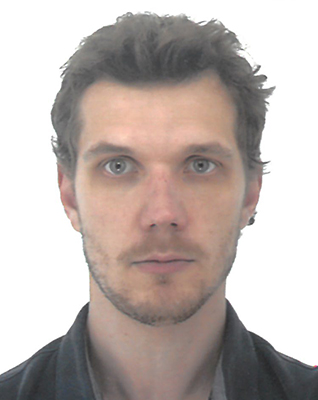
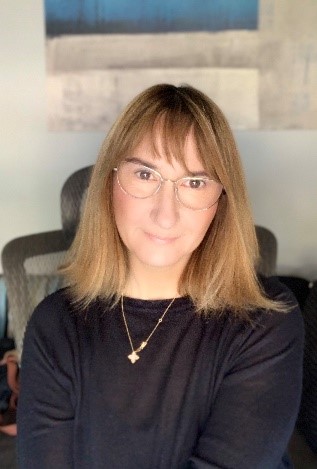
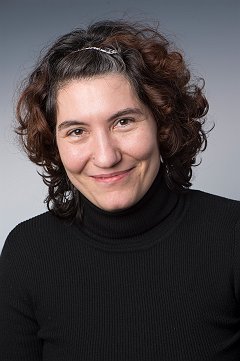
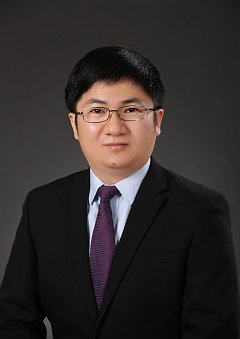
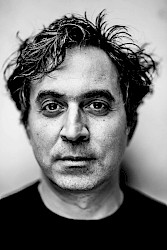
Vincent Itier serves as a Lecturer at IMT Nord Europe, where he is affiliated with the CRIStAL research laboratory (UMR CNRS 9189). His office is located in Building ESPRIT, Scientific City, at the Villeneuve d'Ascq campus. He is a member of the SIGMA research team and actively contributes to the academic community through teaching, research supervision, and scholarly publications. Dr. Itier's research interests span across multimedia security, digital forensics, and machine learning, with particular emphasis on detecting and understanding image manipulations. His work addresses critical challenges in digital media authenticity, including deepfake detection, photomontage identification, and steganalysis. He investigates how machine learning techniques can be leveraged to improve robustness against increasingly sophisticated image manipulation methods, with applications in combating 'fake news' and verifying digital content authenticity. His publication record demonstrates a consistent focus on digital image forensics, with recent work exploring deep learning approaches for detecting splicing, analyzing noise residuals in deepfakes, and developing robust steganalysis techniques. His research shows a clear evolution from traditional image processing methods toward more sophisticated deep learning frameworks that can handle the complex challenges of modern digital media manipulation. Supervised Minh Thong Doi's thesis on 'Deepfake detection: combining noise and semantic features and improving generalization to new generators' Currently offering M2 Internships and Post-doc positions for 2025-2026 Leading research within the ANR TSIA CI2(IA) project which aims to develop new tools for detecting and understanding image manipulation Dr. Itier maintains an active research presence through his GitHub profile (vitier) and professional website, and can be contacted via email at vincent.itier@imt-nord-europe.fr for potential collaborations or research opportunities.
Dr. Ray R. Hashemi is a Professor in the Department of Computer Science within Georgia Southern University's College of Engineering and Computing. His academic career spans over 14 years of continuous research output from 2003-2017, with significant contributions as co-editor for four International Conferences on Information Technology and Knowledge Engineering (2005, 2010, 2014, 2017). His research focuses on innovative applications of data mining across diverse domains: Bioinformatics: DNA sequence analysis, organ toxicity prediction, and liver cancer predictive systems Medical Informatics: Bone mineral density analysis using DEXA data and dendrograms Financial Systems: Extraction of essential constituents from S&P500 index Environmental Science: Climate prediction using algae sedimentation patterns Computer Vision: Video mining for theatrical analysis and Android-based OCR for non-flat documents Methodologically, Dr. Hashemi specializes in neighborhood systems analysis, association rule mining, and grid-based approaches for sparse data. His work consistently bridges theoretical data mining concepts with practical applications, developing tools for signature-based prediction, record layout discovery, and intent analysis through web behavior. Recent publications (2015-2017) show increased focus on domain-specific applications in finance and toxicology while maintaining core data mining expertise. His collaborative work includes partnerships with international researchers across multiple continents, demonstrated through conference editorial roles and co-authored publications. Dr. Hashemi's research demonstrates sustained scholarly activity with practical implementations in medical diagnostics, financial analysis, and environmental prediction systems.
Professor Irena Vassileva serves as a full Professor of English and German Linguistics at New Bulgarian University's Faculty of Foreign Languages and Cultures, where she has held continuous appointments since 2020 after 12 years as an Honorary Professor. Her career spans over three decades with significant international engagement including annual teaching positions at UK universities (Sheffield, Nottingham Trent, Heriot-Watt) from 2014-2020 and extensive German academic collaborations. Her research centers on cross-cultural academic communication, with particular focus on authorial identity, plagiarism ethics, and digital scholarship. As Principal Investigator for multiple Alexander von Humboldt Foundation projects including 'Text Plagiarism in the Social Sciences' (2017-2018) and 'Academic Communication in Multimedia Environment' (2013-2015), she has established herself as a leading voice in digital academic discourse. Her work examines linguistic patterns across 20+ countries, with special attention to Eastern European academic cultures. Professor Vassileva's publication record demonstrates consistent scholarly impact since the 1990s, with 2020 marking peak productivity through the edited volume 'The Digital Scholar' and four related articles analyzing multimedia scholarship. Her research trajectory shows evolution from early contrastive rhetoric studies ('Confrontation in Academic Communication', 2010) toward contemporary digital literacy challenges, maintaining consistent focus on cross-cultural variations in scholarly communication while adapting to new media environments. Her academic leadership includes directing the Language Center at European Polytechnic University (2011-2013) and coordinating international projects funded by the European Economic Space and Open Society Foundations. She maintains active scholarly networks through invited lectures at major European institutions including University of Aarhus, University of Leipzig, and University of Trondheim. Professor Vassileva's teaching portfolio encompasses advanced courses in Semantics, Sociolinguistics, and Academic Communication, reflecting her dual expertise in theoretical linguistics and practical language education. Her multilingual proficiency (native Bulgarian, excellent English/German, good Russian/French) underpins her cross-cultural research approach.
Dr. Maira Kotsovoulou serves as Assistant Professor in the Department of Information Technology at Deree College and Graduate School, The American College of Greece, a position she has held since February 1, 1996. Her academic journey spans over 25 years of teaching and research in software systems and educational technology. Educational background includes: Doctorate in Technology Enhanced Learning, University of Lancaster (2011–2019) MSc in Human Computer Interaction, Heriot-Watt University (1994–1995) BSc in Computer Information Systems, The American College of Greece (1990–1994) Her research centers on the Software Systems and Databases Research Group, where she investigates visual programming applications for undergraduate education, automated assessment tools, and database optimization techniques. This work bridges theoretical computer science with practical pedagogy, focusing on how technology enhances student motivation and learning outcomes in programming courses. Her methodology combines empirical classroom studies with software development expertise gained through industry projects. Recent publications (2013–2018) reveal an evolving focus from collaborative resource tagging to sophisticated e-assessment systems, consistently addressing challenges in computer science education. The trajectory demonstrates increasing sophistication in analyzing instructor experiences and student perceptions while maintaining practical applicability in real classroom settings. Professional recognition includes: Oracle Certified Professional (OCP) in Database Administration Her industry engagement as a freelance solution architect complements academic work, with notable projects including Greece's national e-prescription system (IDIKA), COSMOTE retail software, and medical decision support systems. This dual expertise creates unique opportunities for students to engage with both academic research and enterprise-scale development challenges. As leader of the Software Systems and Databases Research Group, she fosters collaboration between academic theory and industry practice, emphasizing agile methodologies and practical implementation of educational technologies in real-world software development contexts.
National and Kapodistrian University of AthensGreece
Laura Dietz is a tenured Associate Professor in the Department of Computer Science at the University of New Hampshire, where she leads the TREMA lab. Her academic journey began with a PhD from the Max Planck Institute for Informatics in Saarbruecken, Germany (2011), followed by postdoctoral positions at the University of Massachusetts Amherst (2010-2015) and University of Mannheim (2015-2016). Her educational background includes PhD studies at both the Max Planck Institute for Informatics (2007-2011) under Prof. Gerhard Weikum and Prof. Tobias Scheffer, and earlier research at Humboldt University in Berlin. She has built a distinguished career bridging theoretical computer science with practical applications in information retrieval and machine learning. Dietz's research primarily focuses on the intersection of information retrieval, natural language processing, and knowledge graphs, with a parallel research initiative in watershed data science. She is particularly known for her work on entity-aspect linking, complex answer retrieval, and the vision of automatic Wikipedia construction. Her approach integrates fine-grained knowledge annotations with text understanding to create comprehensive information systems that go beyond traditional 10-blue-links search paradigms. In watershed data science, she applies similar machine learning techniques to environmental data streams, focusing on solute transport analysis during storm events. Her recent publications reveal a strong trend toward fine-grained semantic understanding, particularly in entity-oriented search tasks. She has pioneered methods for entity-aspect linking that significantly improve retrieval accuracy by capturing different contexts in which entities appear. Her work increasingly integrates knowledge graphs with neural architectures, showing sophisticated understanding of how to leverage both structured and unstructured information for better search experiences. Best paper award at JCDL 2018 for work on entity-aspect linking NSF CAREER Award (2019-2023) for "Utilizing Fine-grained Knowledge Annotations in Text Understanding and Retrieval" OSSI Award 2013 from UMass ICB3 for open-source hardware/software Dietz actively mentors PhD and Masters students through the TREMA lab, with current research focusing on entity ranking, topic extraction, conversational search, and watershed forecasting. Her grant portfolio includes the NSF CAREER award and funding from the Northeast Big Data Innovation Hub for forecasting salinity in rivers during storm events. She has also coordinated the TREC Complex Answer Retrieval track (2017-2019), creating important benchmarks for the IR community. The TREMA lab (Text Retrieval, Entity Modeling, and Applications) serves as the hub for Dietz's research activities, bringing together students and collaborators to work on cutting-edge problems in information access. The lab's work spans both theoretical contributions to information retrieval and practical applications in domains ranging from environmental science to scientific publication analysis.
Professor Stefano Fedele is Professor of Oral Medicine at University College London's Eastman Dental Institute, where he serves as Head of Department of Clinical Research (since 2015), Deputy Head of Research Department (since 2015), and Programme Director of the MSc in Oral Medicine (since 2008). His work focuses on advancing clinical evidence in oral medicine through rigorous research methodologies and patient-centered approaches. His educational background includes a Doctor in Dental Medicine (1998), Certificate in Oral Medicine (2000), Diploma in Oral Medicine (2002), and PhD (2005), all from the University of Naples, Italy. His formal qualifications establish a strong foundation in both clinical practice and academic research in oral medicine. Professor Fedele's research spans four primary domains: clinical development and testing of diagnostics and therapeutics, high-quality observational clinical studies, patient-related outcome measures, and establishment of large tissue collections relevant to oral diseases. His specific research interests include developing new therapeutics for salivary gland dysfunction, creating non-invasive point-of-care diagnostics for oral cancer, investigating genetic predisposition to medication toxicity, and repurposing therapies for oral cancer chemoprevention. His observational studies focus on jaw osteonecrosis, medication-related complications, and chronic immunologically-mediated oral diseases. Analysis of his 15 most recent publications (2023-2025) reveals a strong emphasis on patient-centered outcomes in oral epithelial dysplasia, innovative approaches to osteoradionecrosis treatment, and development of novel diagnostic tools for oral cancers. His work consistently incorporates patient perspectives and clinical applicability, with recent publications including protocol development for the RAPTOR trial on mandibular osteoradionecrosis and multiple studies examining patient information needs regarding oral dysplasia. As an educator, Professor Fedele is deeply committed to high-quality teaching and serves as Programme Director for the MSc in Oral Medicine at UCL. He regularly lectures at national and international conferences and has extensive experience with examinations, having served as Chair of the Board of Examiners for the MSc in Oral Medicine. His teaching philosophy emphasizes delivering up-to-date, interactive, and engaging educational content to diverse audiences ranging from small groups to large conferences with over 300 participants. His leadership extends to directing the Oral Medicine Unit at UCL Eastman Dental Institute, where he oversees clinical research initiatives and maintains active involvement in the NIHR UCLH Biomedical Research Centre (serving as Programme Lead for Oral Health & Disease from 2017-2022). Professor Fedele's collaborative network spans multiple institutions and research teams focused on advancing the field of oral medicine through evidence-based practice and innovative clinical research.
Dr Clare Thornley serves as an Honorary Research Fellow within the Department of Information Studies at University College London (UCL), contributing to academic discourse through specialized research in information retrieval systems and emerging library technologies. Her position reflects an active scholarly affiliation despite non-salaried status. Her research expertise spans critical domains including: Information Retrieval Theory and Evaluation Bibliometric Analysis of Multimedia Systems RFID Technology Implementation in Libraries Ethical Frameworks for Information Professionals Information Management Strategies Pedagogical Approaches to IR Education Analysis of her 2011-2012 publications reveals concentrated investigation into TRECVid video retrieval benchmarking (including bibliometric and impact studies), comprehensive assessment of RFID's ethical and operational dimensions in library contexts, and innovative problem-based learning methodologies for teaching information retrieval. This work consistently bridges theoretical inquiry with practical library applications, emphasizing professional implications of technological adoption. Scientific Awards: No awards referenced in source materials Advising and Funding: No doctoral/master's students identified No grant funding details provided Research Infrastructure: No laboratory or team affiliations documented
Max Planck Institute for Security and PrivacyGermany
Chao Zhang is a Tenured Associate Professor at Tsinghua University, specializing in software security, system security, data security, and AI security. He leads the VUL337 research group and serves as the coach of the Blue-Lotus CTF team. His educational background includes a Ph.D. in Computer Science from Peking University (2008-2013), a B.S. in Mathematical Science from Peking University (2004-2008), and a postdoctoral position at UC Berkeley (2013-2016). Dr. Zhang's research focuses on Software Security , System Security , Data and AI Security , Program Analysis , and Vulnerability Discovery . His work spans binary code analysis, fuzzing techniques, blockchain security, and AI security. His recent publications demonstrate a strong emphasis on developing novel frameworks for vulnerability detection, binary code analysis, and securing AI systems against adversarial attacks. His publication trends show a consistent focus on practical security solutions with increasing attention to AI security challenges. Over the past decade, he has published extensively in top security conferences including IEEE S&P, USENIX Security, CCS, NDSS, and ISSTA, with a significant acceleration in publications since 2020. Tencent CSS TSec Professional Prize (2nd place, 2019) Tencent CSS TSec Breakthrough Prize (1st place, 2018) DARPA Cyber Grand Challenge CFE, 2nd in exploiting (2016) DARPA Cyber Grand Challenge CQE, 1st in defense (2015) Microsoft BlueHat Prize Contest's Special Recognition Award (2012) 5th place in Defcon CTF 2017 2nd place in Defcon CTF 2016 5th place in Defcon CTF 2015 Dr. Zhang leads the VUL337 research group at Tsinghua University, which focuses on vulnerability discovery and security analysis. He also serves as the coach of the Blue-Lotus CTF team and is a member of the V group of LiST. His research has received significant attention in the security community, with numerous publications in top-tier security venues and practical contributions to vulnerability discovery and mitigation techniques.
Veit Simon Stephan serves as a Lecturer at the Faculty of Electrical Engineering, Media and Computer Science, Amberg-Weiden University of Applied Sciences, where he also holds administrative responsibilities. His academic profile combines engineering expertise with advanced research in data visualization and human-computer interaction. Dr. Stephan completed his doctoral research under Prof. Dr. Dieter Meiller, focusing on location-based visualization of complex relational data through food environment maps. His educational background includes a Doctorate and Master of Engineering degree, establishing a foundation in both theoretical and applied technical disciplines. His research spans critical domains in modern computing: Information Visualisation for complex datasets Usability engineering principles Web Engineering frameworks Information Retrieval systems Interactive Multimedia Systems design Human-Computer Interaction (HCI) methodologies Dr. Stephan's work emphasizes practical applications of visualization techniques to enhance user experience with spatial data, particularly through web-based interactive systems. His current contact is v.stephan@oth-aw.de .
Yannis Kyriakides is a Cypriot-born composer and sound artist currently teaching composition and multimedia at the Royal Conservatoire Den Haag. Born in Limassol, Cyprus in 1969, he emigrated to Britain in 1975 and has been living in the Netherlands since 1992. He studied musicology at York University and composition with Louis Andriessen and Dick Raaijmakers, earning his PhD from Leiden University on concepts of multimedia composition with his dissertation 'Imagined Voices'. As a composer, Kyriakides explores the creation of new forms and hybrids of media, particularly focusing on the relationship between words and music through systems of encoding information into sound, voice synthesis, and projected text. His recent work has moved into interactive and generative scores. He has composed nearly 200 works spanning music theatre, audiovisual installations, and electroacoustic compositions for chamber ensembles, large ensembles, and orchestra. Kyriakides is a founding member of the electro-acoustic ensemble Maze and co-founded the CD label Unsounds with Andy Moor and Isabelle Vigier. His compositional approach often involves creating immersive experiences that challenge conventional boundaries between performer, score, and audience. French Qwartz award for the CD 'Antichamber' Dutch Toonzetters prize for 'Paramyth' Willem Pijper prize for 'Dreams of the Blind' Honorary mention at Prix Ars Electronica for 'Wordless' First prize in International Rostrum of Composers for 'Words and Song Without Words' Johan Wagenaar prize for his oeuvre Kyriakides' recent works demonstrate a continued exploration of media scores, interactive systems, and the relationship between text and sound. His research into generative and interactive scores, as evidenced in works like 'Mutability' and 'Beyond Paper: Attributes of the Media Score,' reveals a sophisticated approach to expanding traditional musical notation. His work often incorporates technological innovation while maintaining deep connections to cultural and historical contexts, particularly his Cypriot heritage.
Yu Cao, Ph.D., is a tenured full professor at the Miner School of Computer & Information Science, University of Massachusetts Lowell, where he also serves as Director of the UMass Center for Digital Health. His academic journey includes faculty positions at The University of Tennessee (2010-2013) and California State University (2007-2010), followed by a Visiting Fellowship at Mayo Clinic. Dr. Cao holds a Ph.D. in Computer Science from Iowa State University (2007), where he also earned his M.S. (2005), along with an M.Eng. from Huazhong University of Science and Technology (2000) and a B.Eng. from Harbin Engineering University (1997), all in Computer Science. His educational background includes: Visiting Fellow, Biomedical Engineering, Mayo Clinic (2007) Ph.D., Computer Science, Iowa State University (2007) M.S., Computer Science, Iowa State University (2005) M.Eng., Computer Science, Huazhong University of Science and Technology, China (2000) B.Eng., Computer Science, Harbin Engineering University, China (1997) Dr. Cao's research spans multiple domains of knowledge discovery from complex data, with particular focus on Medical Imaging, Multimodal Deep Learning, Computer Vision, Artificial Intelligence, and Digital Health. His work emphasizes intelligent, multi-modal, and data-intensive medical image analysis and retrieval; motion tracking, analyzing, and visualization; and intelligent data analysis for electronic medical records and pervasive healthcare monitoring. His research program has produced over 150 peer-reviewed publications with more than 8,000 citations and an h-index of 40+, appearing in top venues including IEEE CVPR, IJCAI, ICLR, ACM MM, and IEEE ICME, as well as prestigious journals like IEEE TNNLS, TBME, TPAMI, TSC, and JBHI. Analysis of Dr. Cao's recent publications reveals a strong focus on applying deep learning techniques to medical imaging problems, particularly in endoscopy and diagnostic imaging. His work spans multiple subfields including polyp detection in colonoscopy videos, tuberculosis detection in chest X-rays, diabetic retinopathy analysis, and food recognition systems for dietary assessment. The publications demonstrate a consistent pattern of applying cutting-edge AI techniques to solve practical healthcare challenges, with increasing emphasis on multimodal approaches and real-world deployment considerations. Dr. Cao has received numerous accolades for his work, including Best Paper Awards from ACM/IEEE CHASE (2023), IEEE IJCNN (2020), and IEEE NAS (2015). His paper was the most downloaded from Smart Health Journal by Elsevier (2017-2018), and he was recognized for having the highest number of peer-reviewed publications among faculty members in the College of Sciences (2017-2018). He was named a Senior Member of IEEE in 2013, an honor granted to only 8% of IEEE members worldwide. His research has been supported by dozens of NSF/NIH/Industry sponsored grants totaling approximately $10 million. Notable projects include NIH/NSF Award #1R01EB021900 ($1.29 million) as Principal Investigator, NSF Award #1547428 ($500,000) as Co-PI, and NSF Award #1541434 ($1 million) as Co-PI. Dr. Cao has successfully mentored numerous graduate and undergraduate students, with current advisees working on medical image retrieval, data analysis for body sensor networks, and motion tracking and visualization. He has served on organizing committees for over 30 international conferences and workshops, demonstrating strong leadership in the academic community. As Director of the UMass Center for Digital Health, Dr. Cao leads a multidisciplinary team focused on developing innovative solutions for healthcare challenges using digital technologies. His lab maintains active collaborations with medical institutions including Mayo Clinic, Harvard Medical School, and Erlanger Hospital, facilitating the translation of research findings into clinical practice. The center's work spans multiple research areas including medical video/image analysis, motion tracking and visualization, context-aware data analysis for body area sensor networks, and risk analysis for acute coronary syndromes.
Marta Somoza Fernández is a Professor in the Department of Library Science, Documentation and Audiovisual Communication at the Faculty of Information and Audiovisual Media, University of Barcelona. With over two decades of academic experience since 1999, she has established herself as a prominent figure in information science and library studies. Dr. Somoza Fernández holds a degree in Contemporary History (1989), Cultural Anthropology (1995), and a doctorate in Documentation (2009), all from the University of Barcelona. Her academic journey reflects a deep commitment to the evolution of information management and scholarly communication. Her research focuses on documentary databases, information retrieval systems, bibliometric studies, and user training methodologies. She has pioneered approaches to evaluating interactive tutorials developed by academic libraries, analyzing journal visibility in emerging citation indexes, and identifying predatory journals in bibliographic databases. Her work bridges theoretical frameworks with practical applications in library science. Analysis of her recent publications reveals a consistent focus on bibliometric evaluation of scholarly communication, particularly regarding Spanish journals in international databases. Her research demonstrates growing interest in journal evaluation systems like MIAR (Matrix for Information and Journal Evaluation) and the Emerging Sources Citation Index (ESCI). She has also maintained a strong commitment to information literacy through her studies on interactive training materials for academic libraries. Dr. Somoza Fernández has participated in significant research projects including "i-VIU: Grup d'estudis mètrics sobre el valor i ús d'informació" (2005-2014) and studies on the identification and evaluation of journals in Spanish humanities and social sciences research. Her work has been supported by institutions including the Department of Universities, Research and Information Society of the Catalan Government (DURSI) and the Ministry of Education and Science. Her teaching portfolio spans multiple disciplines within information science, including information sources for scientific research, nursing research methodology, user support and training, and communication techniques. She has developed specialized courses on web tutorials, information retrieval in scientific databases, and bibliography management tools.
Max Planck Institute for Security and PrivacyGermany
Wing-Kwong Chan is an Associate Professor in the Department of Computer Science at City University of Hong Kong. With a background that includes industry experience as a software engineer, Dr. Chan returned to academia and has established himself as a leading researcher in software engineering with a focus on emerging technologies. Dr. Chan received his BEng, MPhil, and PhD all from The University of Hong Kong. His academic journey began with a hardware-oriented Computer Engineering degree before shifting to software engineering for his graduate studies. His research interests center on software engineering, particularly the technical aspects interfacing with machine learning, blockchain, and GPU technologies. He addresses challenges in program analysis and concurrency, with recent work focusing on deep learning model verification and robustness. His publications span top venues including TOSEM, TSE, ICSE, ESEC/FSE, and ASE. Dr. Chan's recent publications demonstrate a strong trend toward integrating software engineering principles with deep learning systems, particularly in verification, testing, and robustness of AI models. His work bridges theoretical software engineering concepts with practical applications in emerging technologies. Best Paper Award from COMPSAC'04 Best Paper Award from COMPSAC'08 Best Paper Award from COMPSAC'10 Best Paper Award from QSIC'11 Best Paper Award from QRS'16 Best Paper Award from ISET'18 CityU President's Award 2017 Dr. Chan has successfully advised numerous PhD and MPhil students, with alumni dating back to 2006. He has secured substantial research funding through multiple Hong Kong Research Grants Council projects, ITF grants, and international collaborations. His current research focuses on patch robustness certification for deep learning models, reflecting his ongoing commitment to advancing software engineering practices for emerging technologies. As Program Leader for the MSc in E-Commerce program from the CS Department, Dr. Chan also contributes significantly to academic administration and curriculum development at City University of Hong Kong.
Hephi Liauw serves as Lecturer and Head of School at Swinburne University of Technology Sarawak's School of Foundation Studies. An academician and business analyst, she specializes in E-Commerce, Business Information Systems, Software Engineering, Computer Programming, Multimedia, Web Design and Development, and Digital Technology. Her educational foundation includes a Bachelor of Computer Science from the University of Wollongong, Australia, with current pursuit of a Master's degree at Universiti Malaysia Sarawak (Unimas). Professional development encompasses certifications from Laureate International Universities in Train the Trainer, Problem-Based Learning, and Action Research Methodology and Process. Research focuses on data driven modelling and digital technology applications for business solutions, particularly demonstrated through environmental monitoring systems like soil moisture retrieval. Her work bridges computational methods with commercial implementations, emphasizing practical digital innovation for contemporary challenges. Though limited to 2015 publications in available materials, her research trajectory shows consistent interdisciplinary work at the intersection of computer science, environmental monitoring, and business technology through data-driven approaches. Professional recognition includes: Certified Professional, Australian Computer Society (ACS) As an academic leader, she oversees foundation program development while maintaining active teaching in digital technologies. Her supervision approach emphasizes practical skill development and industry-relevant applications, though specific grant details aren't documented. Current research directions indicate growing focus on business applications of digital modeling techniques. Leading the School of Foundation Studies, she cultivates an environment for foundational computing education while advancing innovative teaching methodologies including problem-based learning frameworks across introductory technology curricula.
FIZ Karlsruhe – Leibniz Institute for Information InfrastructureGermany
Mary Ann Tan is a PhD student and Junior Researcher at Karlsruhe Institute of Technology (KIT) and FIZ Karlsruhe – Leibniz Institute for Information Infrastructure, working within the Information Service Engineering group and the Institute of Applied Informatics and Formal Description Methods (AIFB). Her academic background includes: PhD candidate at KIT/FIZ Karlsruhe (2020–present) MSc in Computational Linguistics, Ludwig-Maximilians University, Munich (2018–2020) MSc in Computer Science (NLP specialization), De La Salle University, Manila (2002–2004) BSc in Computer Science, De La Salle University, Manila (1997–2001) Tan's research integrates Natural Language Processing, Knowledge Graphs, and Deep Learning to solve challenges in Cultural Heritage digitization. She develops methods for cross-lingual embeddings, knowledge graph refinement, multimodal search, and transformer-based workflows – transforming legacy cultural data into structured, AI-processable formats. Her work bridges technical AI innovation with practical heritage preservation needs, emphasizing under-resourced languages and multimodal cultural artifacts. Her 11 publications (2021-2025) reveal a cohesive trajectory: starting with bibliographic knowledge graphs (2021), advancing to multimodal art search and audio ontologies (2022-2023), and recently focusing on LLM integration for cultural data and mathematical semantics (2024-2025). This progression demonstrates increasing technical sophistication while maintaining consistent application to cultural heritage challenges. As an active collaborator in large international projects (e.g., the 50+ author Semantic Web and Creative AI report), Tan contributes to team-based research while developing her independent expertise. Her industry experience in software engineering informs her practical approach to research implementation within the Information Service Engineering group.