John Thompson is an Adjunct Professor at the University of Waterloo . He holds a PhD from the University of Alberta and a BSA from the University of Toronto . His research focuses on biochemistry and molecular biology of programmed cell death , including the molecular basis of membrane deterioration in senescing and aging tissues , comparative aspects of senescence and stress , and the functional genomics of senescence and apoptosis . Education: PhD, University of Alberta BSA, University of Toronto His recent publications highlight work in plant stress response , translational medicine , and cancer biology involving the eIF5A family of proteins . These studies span Arabidopsis thaliana , pancreatic islets , and mammalian tumor models , reflecting his interdisciplinary approach. Scientific Awards: Fellow of the Royal Society of Canada (FRSC)
Hiten Madhani, MD, PhD, is a Professor at the University of California San Francisco (UCSF) specializing in epigenetics, fungal pathogenesis, and RNA biology. His research spans from yeast genetics to human disease mechanisms, particularly focusing on Cryptococcus neoformans virulence and chromatin regulation. Education: B.S./M.S. (Stanford, 1986), PhD (UCSF, 1993), MD (UCSF, 1995) Postdoctoral Training: Whitehead Institute (1995-1999) His work explores how fungal pathogens interact with the immune system, chromatin fidelity mechanisms, and spliceosome dynamics. Recent publications highlight innovative tools for fungal mutagenesis, deep learning in epigenetic studies, and immune evasion strategies. Scientific accolades include the Leukemia and Lymphoma Society Scholar Award (2017), Burroughs-Wellcome Fund Career Development Awards, and Chan Zuckerberg Biohub Investigator designation (2022). Research funding from NIH spans over 20 projects from 1996-2022. Notable grants: R01GM071801 (Gene Silencing), R01AI100272 (Cryptococcus Resource), R01AI120464 (Epigenetic Virulence Control)
Jack Taunton is a Professor at the University of California San Francisco (UCSF) School of Medicine, where he leads a research laboratory focused on developing chemical and biochemical tools to study cellular processes relevant to cancer and autoimmune disease. His work bridges chemistry, biochemistry, and medicine with a strong emphasis on translational research. His educational background includes: B.S. in Chemistry from Trinity University (1989) Ph.D. in Chemistry from Harvard University (1996) Postdoctoral training in Cell Biology at Harvard Medical School (1996-2000) Dr. Taunton's research spans several interconnected areas in chemical biology and drug discovery. His laboratory is particularly known for pioneering work in covalent inhibitor design , with major contributions to the development of selective kinase inhibitors including the first reversible covalent BTK inhibitors now in clinical trials. Another major research thrust involves cotransins , a family of cyclic depsipeptides that inhibit protein secretion by targeting the Sec61 translocon, representing a novel mechanism for potential cancer therapeutics. His work often combines chemical synthesis, biochemical analysis, structural biology, and cellular studies to develop tools that illuminate fundamental biological processes with therapeutic potential. Analysis of his recent publications (2015-2023) reveals a consistent focus on chemical biology approaches to target challenging proteins, particularly through innovative covalent modification strategies. His work has evolved from early kinase inhibitor development to more sophisticated approaches targeting protein synthesis machinery (eEF1A, ribosomes) and protein secretion pathways. A unifying theme across his publications is the development of chemical probes that reveal new biological mechanisms while simultaneously establishing therapeutic potential. His research group employs a multidisciplinary approach combining synthetic chemistry, proteomics, structural biology, and cell-based assays. His significant scientific recognitions include: National Science Foundation Predoctoral Fellowship (1990) Eli Lilly and Co. Predoctoral Fellowship Award (1993) Life Sciences Research Foundation Postdoctoral Fellowship (1996) Searle Scholar (2002) Alfred P. Sloan Fellow (2003) Brook Byers Award (2007) Howard Hughes Medical Institute Investigator (2010-present) Excellence in Teaching Award, UCSF School of Medicine (2018) Breakthrough Science Initiative Award from the Ono Pharma Foundation As an HHMI Investigator since 2010, Dr. Taunton has received substantial research support to pursue high-risk, high-reward projects at the chemistry-biology interface. His laboratory has trained numerous graduate students and postdoctoral fellows who have gone on to successful careers in academia and industry. His work on reversible covalent inhibitors has led to clinical candidates, demonstrating successful translation of basic research to therapeutic applications. The laboratory maintains strong collaborations with medicinal chemists, structural biologists, and clinicians to advance their discoveries toward therapeutic applications. Dr. Taunton's laboratory is a hub for chemical biology research at UCSF, with a particular emphasis on developing chemical tools that address previously "undruggable" targets. The lab combines expertise in synthetic chemistry, chemical proteomics, structural biology, and cell biology to develop novel therapeutic strategies. Current research directions include improving the selectivity of covalent inhibitors, developing new approaches to target protein-protein interactions, and understanding the fundamental mechanisms of protein synthesis and secretion in disease contexts.
Kausik Si serves as Scientific Director at the Stowers Institute for Medical Research since 2021, where he also holds a Professorship at The Graduate School. Concurrently, he is Professor in the Department of Cell Biology and Physiology at the University of Kansas School of Medicine. His leadership spans research direction, technology center oversight, and graduate education in neuroscience and molecular biology. Education: B.S./M.S. in Sciences, University of Calcutta, India Ph.D. in Molecular Biology, Albert Einstein College of Medicine (1999) Postdoctoral Fellowship with Nobel Laureate Eric Kandel at Columbia University Dr. Si's research fundamentally investigates how transient experiences create persistent behavioral changes through prion-like protein mechanisms. His lab pioneered the discovery that CPEB/Orb2 proteins form functional amyloids essential for long-term memory, challenging conventional views of amyloids in neurodegeneration. Work integrates Drosophila genetics, structural biology, and biochemical approaches to study memory persistence at molecular, cellular, and systems levels. Current research explores prion-like switches in other biological contexts beyond neuroscience, examining their regulation and functional significance in development and disease. Recent publications (2016-2020) reveal strong emphasis on structural characterization of neuronal amyloids, regulatory mechanisms of Orb2 conformational states, and cross-disciplinary connections between memory persistence and neurodegenerative disorders. The work demonstrates increasing methodological sophistication through cryo-EM and multi-omics approaches while maintaining focus on fundamental memory mechanisms across model organisms. Scientific Recognition: Hudson Prize (2010) McKnight Scholar Award (2009) Klingenstein Fund Membership (2008) Basil O'Connor Scholar Award (2007) Searle Scholar Award (2006) Dr. Si actively mentors predoctoral researchers and postdoctoral fellows in his Stowers lab, with trainees pursuing careers in academia and industry. His research receives sustained funding from NIH and private foundations supporting high-risk, high-impact investigations into memory mechanisms. As Scientific Director, he shapes institutional research strategy and technology development priorities while maintaining an active laboratory program. The Si Lab operates within Stowers Institute's collaborative ecosystem, utilizing advanced technology centers for cryo-EM, genomics, and proteomics. The team combines molecular genetics, biochemistry, and neuroscience approaches to study memory persistence mechanisms, with strong connections to the University of Kansas Medical Center and international neuroscience consortia.
Tatyana Pestova is an Assistant Professor in the Department of Cell Biology at the State University of New York Downstate Medical Center. Her research focuses on the molecular mechanisms of eukaryotic translation initiation, particularly the roles of eukaryotic initiation factors (eIFs) in ribosomal scanning, initiation codon selection, and subunit joining. PhD in Biochemistry (1992), Moscow State University Doctor of Sciences (D.Sc.) in Molecular Biology (2002), Moscow State University Her work has elucidated the functions of key factors like eIF1, eIF1A, and eIF5B in ensuring translation fidelity. She investigates how viral internal ribosomal entry sites (IRES) co-opt host translation machinery, with implications for understanding protein synthesis regulation and viral RNA strategies. Recent publications highlight her expertise in ribosome-viral RNA interactions, DHX29 helicase activity, and quality control mechanisms during translation. Collaborators include researchers from Harvard Medical School, NIH, EMBL, and international institutions. Lab personnel: Ivan B. Lomakin (Research Scientist), Anett Unbehaun (MD, PhD), and Irina Lomakina (Research Technician).
Juan Fraire is a researcher affiliated with the Smart Nano-Bio-Devices group, focusing on the intersection of nanotechnology and biomedical engineering. His work emphasizes the development of innovative photoporation techniques for cell engineering, magnetic nanomotors for therapeutic applications, and plasmonic nanomaterials for biosensing and imaging. Key research areas include: Photoporation using polydopamine and graphene quantum dots Magnetic and enzymatic nanomotors for drug delivery Plasmonic probes in biosensors and cellular imaging Photothermal mechanisms for biofilm and vitreous opacity treatments Recent publications highlight his contributions to engineering NK cell therapies, enhancing macromolecule diffusion in viscous media, and developing nanoscale tools for intracellular delivery. His studies span applications in cancer immunotherapy, wound healing, and ophthalmology.
Dr. Yulia Yuzenkova is a researcher at Newcastle University , specializing in RNA polymerase mechanisms, transcription fidelity, and bacterial gene regulation. Her work spans molecular biology, biochemistry, and microbiology, with a focus on non-canonical RNA capping, antibiotic resistance, and transcription factor dynamics. Key research areas: RNA polymerase structure/function, transcriptional proofreading, and phage-host interactions Collaborates with experts in RNA biology and microbiology Recent publications highlight her contributions to understanding RNA capping diversity, cyanobacterial transcription systems, and antibiotic modes of action. She has mentored students including Amber Riaz-Bradley and Miron Leanca .
Luis Schütz is an Assistant Professor in the Department of Agriculture, Veterinary and Rangeland Sciences at the University of Nevada, Reno. His research focuses on reproductive physiology and endocrinology in cattle, aiming to enhance reproductive efficiency in beef and dairy production systems through a deep understanding of ovarian function and hormonal regulation. Research Interests: Reproductive physiology of cattle Endocrine regulation of ovarian follicular development Steroidogenesis in granulosa and theca cells Impact of environmental toxins on reproductive health Application of molecular techniques to improve livestock fertility His work integrates cellular and molecular biology approaches to study gene expression, hormonal signaling, and epigenetic regulation in bovine ovarian tissues. A recurring theme in his research is the role of growth factors and hormones such as FSH, IGF-1, BMPs, and asprosin in modulating reproductive outcomes. Publication Trends: Schütz’s research spans from 2015 to 2023, with a strong emphasis on understanding the molecular mechanisms underlying ovarian function in cattle. His studies often involve in vitro cell culture systems and transcriptomic profiling to uncover regulatory pathways. Recent work has explored the roles of novel peptides like asprosin and epigenetic modifications in reproductive performance. Scientific Awards: No specific awards or honors are listed in the provided text. Advising and Grants: While no specific students or grants are mentioned in the provided content, his collaborative publication record suggests active involvement in mentoring and research partnerships. Labs and Teams: Schütz is affiliated with the Department of Agriculture, Veterinary and Rangeland Sciences at the University of Nevada, Reno. His research likely involves collaboration with other faculty, graduate students, and external partners in veterinary and animal science disciplines.
Peter Tessarz is a Research Group Leader at the Radboud Institute for Molecular Life Sciences (Nijmegen, Netherlands), focusing on chromatin structure, epigenetics, and aging. His lab relocated from the Max Planck Institute for Biology of Ageing (Cologne, Germany), where he led the Max Planck Research Group Tessarz since 2014. Research interests include how chromatin architecture regulates gene expression during aging, with a focus on age-related epigenetic changes, metabolic-chromatin interactions, inter-organellar communication, and transcriptional control. His group employs S. cerevisiae , cell culture systems, primary cells, and advanced sequencing technologies. Recent publications highlight his work on hypoxia's role in osteogenesis, chromatin remodeling in aged stem cells, H2A methylation, and the metabolism-epigenetics axis. Scientific awards include two Kekulé Fellowships (2004, 2014). Third-party funding includes grants from the Marga and Walter Boll Foundation (2022-2024), BMBF Research Consortium IDEpiCo (2021-2024), DFG Research Grant (2017-2020), and others. Lab members include researchers like Chrysa Nikopoulou and Monika Maleszewska.
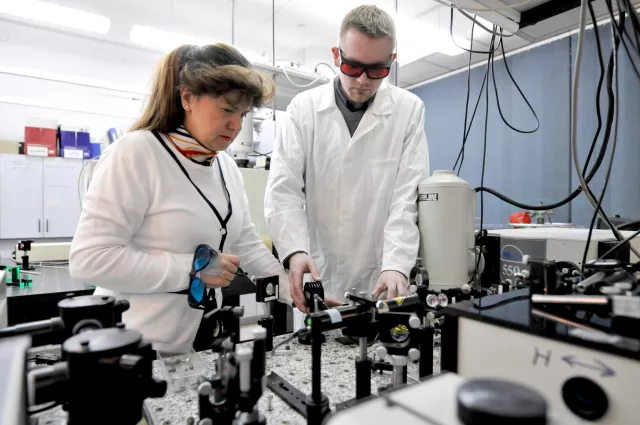
Prof. Halina Abramczyk leads the Laboratory of Laser Molecular Spectroscopy at the Lodz University of Technology. Her research aligns closely with cutting-edge scientific advancements recognized by the 2023 Nobel Prizes, including ultrashort pulse laser spectroscopy, nanoparticle development, and mRNA modification technologies that underpin modern vaccine research. Fields of Interest Laser Molecular Spectroscopy Ultrashort Pulse Laser Spectroscopy Nanoparticles mRNA Modifications Vaccine Development Optical Physics The laboratory's work demonstrates alignment with Nobel-level research trends in laser physics, nanotechnology, and biomedical applications of mRNA modifications, reflecting her focus on interdisciplinary scientific innovation.
Michael Dennis, PhD is a Professor in the Department of Cell and Biological Systems and the Department of Ophthalmology at Penn State University College of Medicine. His research focuses on molecular mechanisms of altered gene expression in diabetes, particularly through post-translational modifications of translation initiation factors and mTOR signaling. Key projects include National Eye Institute-funded work on REDD1 and 4E-BP1 in diabetic retinopathy American Diabetes Association-funded studies on hyperglycemia-induced translational control Research Interests Dr. Dennis investigates how phosphorylation and O-GlcNAcylation of eIFs shift mRNA translation in diabetes. His work connects stress proteins like REDD1 to VEGF overexpression in retinal dysfunction and suggests small molecule inhibitors as novel therapeutics for diabetic complications. Article Trends Recent publications (2024-2025) emphasize REDD1's role in diabetic nephropathy (podocyte damage) and retinopathy (NLRP3 inflammasome activation). Subfields span retinal biology, renal inflammation, DNA damage, and redox-sensitive pathways. Scientific Awards Samuel Hinkle Junior Faculty Research Award (2019) Grants & Projects Current NIH/NEI grants (2021-2025) and completed ADA-funded research (2014-2020) validate his work on diabetes-induced translational dysregulation.
Pelin Cayirlioglu Volkan is an Associate Professor of Biology at Duke University, with additional appointments in Neurobiology and Cell Biology. She is also an Investigator in the Duke Institute for Brain Sciences. Education: Ph.D. in University of North Carolina, Chapel Hill (2003); M.S. and B.S. in Biology from Bogazici University (Turkey). Her research focuses on understanding how social experiences and pheromone signaling reshape gene expression, neural circuits, and behavior in Drosophila melanogaster . Her lab employs genetic tools, circuit-mapping techniques, and systems-level molecular analysis to explore: How social isolation affects the Drosophila brain and behaviors; Gene-circuit-behavior interconnections; Neurogenetic and epigenetic mechanisms in olfactory systems; Chromatin-level reprogramming of courtship regulators. Her recent publications highlight chromatin dynamics, pheromone-dependent gene regulation, and technical advancements in ChIP protocols for Drosophila neural tissues. Key trends include social experience-dependent epigenetic changes, axon terminal organization via cadherins, and rare-codon mRNA translation in neurons. Scientific Awards: Distinguished UNC Alumnus Award, UNC-CH (2013) She has received grants including the Neurobiology Training Program (2024-2029), Regulation of fertility by codon usage (2024-2029), and Epigenetic reprogramming of behaviors (2018-2024), reflecting her interdisciplinary approach to Drosophila social behavior and neural development.
Danny Nedialkova is a Professor for Biochemistry of Gene Expression at the Department of Bioscience, TUM School of Natural Sciences, Technische Universität München, and a Max Planck Research Group Leader at the Max Planck Institute of Biochemistry. Her research focuses on mechanisms of protein biogenesis, translation regulation, and systems biology, particularly in the context of proteostasis networks and their role in aging and neurological diseases. Molecular Cell Biology Protein Biogenesis Translation Regulation Systems Biology Proteostasis tRNA Biology Her recent work explores how translation dynamics and tRNA modifications influence protein folding and cellular health. She has published extensively in top-tier journals such as Science , Nature Structural & Molecular Biology , and Cell . Notably, her group has developed the mim-tRNAseq method for high-resolution tRNA analysis and investigates stem cell models to study proteostasis in aging and disease. Scientific awards include: EMBO Young Investigator Award (2021) ERC Starting Grant 'TransTempoFold' (2018) Free-floating Max Planck Research Group Grant (2016) Participation in Lindau Nobel Laureate Meeting (2014) EMBO Long-Term Postdoctoral Fellowship (2010) PhD cum laude (2010) BSc cum laude (2004)
Dr. Shengjian Ji serves as Associate Professor with Tenure in the Department of Neuroscience at Southern University of Science and Technology's School of Life Sciences, concurrently holding the position of Associate Dean for Academic Affairs at Shude College. His laboratory is internationally recognized for pioneering research on mRNA modification mechanisms in neuronal development and function, with particular emphasis on posttranscriptional regulation in axons. Dr. Ji's academic foundation includes: Doctor of Science (Ph.D.) from Peking University (1998-2003) Bachelor of Science from Yantai University (1994-1998) His research program centers on mRNA modifications (m 5 C and m 6 A), local axonal translation, and retrograde signaling pathways critical for neuronal development. The lab employs advanced techniques including microfluidic axonal analysis and molecular neuroscience approaches to investigate how RNA-binding proteins regulate neurogenesis, axon guidance, and dendrite maintenance in cortical, retinal, and cerebellar systems. Analysis of Dr. Ji's 2018-2025 publications reveals a dominant focus on RNA epitranscriptomics in neural development, with emerging applications in aging and disease models. His work demonstrates how m 6 A and m 5 C modifications orchestrate local translation in axons through readers like YTHDFs and Ybx1, influencing processes from embryonic neurogenesis to age-related visual decline. Major recognitions include: National Natural Science Award of China, Second Prize (2011) Ministry of Education University Scientific Research Award, First Prize in Natural Science (2008) Peking University's Ten Most Academically Outstanding Graduate Students (2003) Dr. Ji actively mentors graduate students and postdoctoral researchers, with recent master's thesis defenses by Jiaxin Yuan and Pingrui Zhang. His laboratory maintains active funding evidenced by student Yu Jun's 2024 NSFC Young Scientists Fund award, and consistently recruits talent through SUSTech's postdoctoral and graduate programs. The lab currently investigates RNA modification mechanisms across multiple neural systems using cutting-edge molecular and bioengineering approaches, with ongoing projects spanning cortical development, retinal neurodegeneration, and axon guidance pathways.
Prof. Dr. Mariusz Nowacki is a Full Professor of Genetics and Director of the Institute of Cell Biology at the University of Bern, Switzerland. His research focuses on RNA-mediated epigenetic inheritance in eukaryotic cells, particularly using ciliated protozoa as model organisms to study whole-genome scale developmental DNA rearrangements. His lab investigates how parental cells provide sufficient information to produce fully functional progeny through RNA-mediated comparison of developing zygotic genomes with maternal somatic genomes. Nowacki's research interests center on epigenetic mechanisms of complex genome editing in eukaryotes, with particular focus on RNA-mediated epigenetic inheritance, developmental DNA rearrangements, and chromatin remodeling. His work examines how ciliates execute precise genome rearrangements during sexual reproduction, including elimination of transposons and internal eliminated sequences (IESs), which results in streamlined gene-rich genomes. His lab has made significant contributions to understanding the scan RNA model and RNA-guided genome rearrangement processes. His recent publications reveal trends in RNA biology, epigenetic inheritance, and genome architecture, with particular emphasis on small RNA pathways, chromatin remodeling complexes, and the molecular mechanisms underlying programmed DNA elimination. His work bridges molecular biology, genetics, and evolutionary biology, providing insights into fundamental cellular processes conserved across eukaryotes. ERC Starting Grant (2010) ERC Consolidator Grant (2016) Prof. Nowacki leads a research group comprising multiple PhD students, postdocs, and research staff, focusing on various aspects of ciliate genome biology. His lab is part of the national research excellence network NCCR RNA and Disease. His team investigates both basic mechanisms of genome rearrangement and potential applications of these processes to broader biological questions. Current projects include studying the roles of SMC proteins in DNA elimination, chromatin remodeling in sRNA-guided DNA elimination, and the identification of novel long non-coding RNAs involved in programmed genome rearrangements. The Nowacki Lab operates within the Institute of Cell Biology at the University of Bern, utilizing ciliates such as Paramecium and Oxytricha as model systems. Their research combines molecular, genetic, and biochemical approaches to unravel the complex mechanisms of RNA-mediated epigenetic inheritance and genome rearrangement.