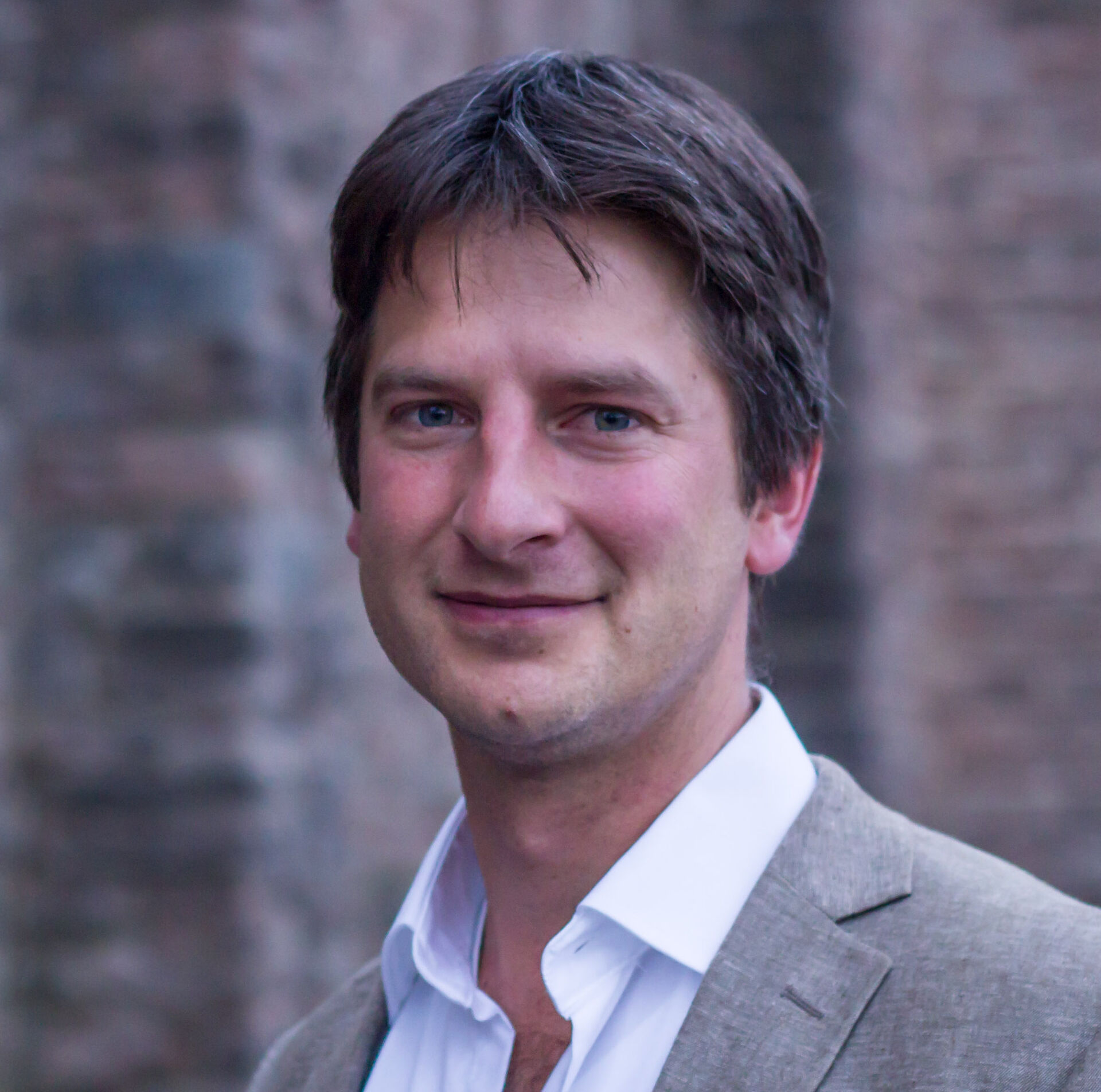
Dr. Robert Goodsell is a Lecturer in Wildlife Ecology and Conservation at the University of the West of England (UWE Bristol), affiliated with the Faculty of Health and Applied Sciences and the Applied Sciences department. His work bridges ecological research with advanced technological approaches. Research Focus: Ecology, Data Science, Ecological Statistics, eDNA Surveys, Metabarcoding, Remote Sensing, and Ecological Monitoring.
Luke Earl Holman is an Assistant Professor and Postdoc at the University of Copenhagen's Globe Institute, specifically within the Section for Molecular Ecology and Evolution. His research primarily focuses on environmental DNA (eDNA) analysis, particularly in marine and ancient contexts, with applications in understanding historical ecosystems and human impacts on biodiversity. Dr. Holman's research spans molecular ecology, evolutionary biology, and environmental science with a specialized focus on environmental DNA methodologies. His work bridges molecular biology and archaeology to investigate how DNA preserved in environmental samples can reveal historical ecosystem dynamics. Key areas include metabarcoding techniques, ancient DNA analysis from marine sediments, DNA preservation studies, and the application of genomic tools to address conservation questions. His research has significant implications for understanding how past human activities have shaped current marine ecosystems and biodiversity patterns. His publication record shows a clear progression in the application of eDNA techniques, with early work focusing on methodological development (2019-2022) and more recent research (2023-2025) applying these methods to address deep-time questions about human impacts on marine ecosystems. His highly cited papers demonstrate the growing importance of eDNA approaches in ecological and archaeological research. Dr. Holman's research has gained significant attention across multiple domains. One publication was picked up by 84 news outlets, referenced in policy sources, and widely shared on social media platforms including X (52 posts), Facebook, and Bluesky. His work maintains strong academic visibility with hundreds of readers on Mendeley across his publications, indicating substantial scholarly interest in his methodological and applied contributions to environmental DNA research.
Henrik Carl is a Researcher at The Natural History Museum, which is part of the University of Copenhagen's Faculty of Science. His work focuses on aquatic ecosystems, with particular emphasis on marine and freshwater environments in Denmark and the Baltic Sea region. Dr. Carl's research spans multiple ecological domains with a strong focus on fish diversity, ecosystem dynamics, and innovative monitoring techniques. His work addresses critical environmental challenges including lake eutrophication, invasive species impacts, and biodiversity assessment in changing aquatic environments. He frequently employs interdisciplinary approaches combining traditional ecological methods with cutting-edge molecular techniques like environmental DNA (eDNA) analysis. Analysis of Dr. Carl's publication trends reveals increasing emphasis on practical applications for environmental management, particularly in developing national-scale biodiversity monitoring approaches. His research spans both marine and freshwater systems, with particular attention to fish communities and ecosystem responses to anthropogenic pressures. The work demonstrates growing recognition in the field, with several publications showing significant citation impact, particularly in eDNA applications and invasive species ecology.
Roman Alther is a Senior Researcher at the Department of Evolutionary Biology and Environmental Studies, University of Zurich, and affiliated with Eawag in Dübendorf. His work spans biodiversity research, community ecology, and subterranean biology, focusing on amphipods and freshwater ecosystems in Alpine environments. Education: PhD in Ecology (University of Zurich & Eawag, 2018), Master of Science in Biology (ETH Zurich, 2013), Bachelor of Science in Biology (University of Zurich, 2011) Roman’s research integrates spatial ecology, genetic diversity analysis, and environmental DNA (eDNA) metabarcoding to study groundwater fauna and river networks. His work addresses how climate history, dispersal behavior, and anthropogenic impacts shape subterranean biodiversity patterns. Recent publications highlight his contributions to understanding amphipod metapopulations, cryptic speciation, and the global importance of groundwater ecosystems. Key trends in Roman’s publications include: (1) Advancing integrative taxonomy for subterranean amphipods, (2) Modeling biodiversity responses to glacial history and land use, (3) Applying citizen science and eDNA methods for aquatic monitoring, and (4) Advocating for policy changes to protect groundwater ecosystems. His studies often combine fieldwork, computational modeling, and molecular techniques.
Hugo de Boer is a Professor and Research Director at the Department of Research and Collections, Natural History Museum, University of Oslo. He serves as Head of the Department of Research and Collections, Head of Delegation of GBIF Norway, and Chair of the Panel on CITES at the Norwegian Scientific Committee for Food and Environment (VKM). He is also the Steering Committee Leader of ForBio - Research School in Biosystematics and Principal Investigator of the REA:Life convergence environment focusing on rediscovery of medicinal plant usage in the "Age of Exploration". His research centers on plant identification using molecular barcoding , with applications in biodiversity conservation, monitoring trade in plant genetic resources for pharmaceutical manufacturing, horticulture, and tropical timber industries. His group develops genomic approaches for DNA barcoding using full chloroplast genomes and target-enrichment methods for degraded materials like herbarium collections and processed plant products. This work addresses the challenges in plant barcoding, particularly the absence of a single suitable identification marker and the need for clear definition of intraspecific versus interspecific genetic variation. Recent publications (2023-2025) demonstrate a strong emphasis on environmental DNA (eDNA) metabarcoding for biodiversity assessment across diverse ecosystems. His work spans aquatic communities in Oslofjord, forest types assessment through soil eDNA, and conservation of endangered species including sturgeons, crocodilians, and tortoises. This research directly supports public policy implementation including the Convention on Biological Diversity and Nagoya Protocol on Access and Benefit Sharing. As an academic supervisor, de Boer has guided numerous PhD students working on diverse topics related to DNA barcoding, ethnobotany, and conservation biology. His research group is part of the Evolution, eDNA, Genomics and Ethnobotany (EDGE) research group at the Natural History Museum, which brings together expertise in evolutionary biology, environmental DNA analysis, genomics, and ethnobotanical studies.
Marcel Polling is a Researcher specializing in environmental DNA (eDNA) and metabarcoding techniques for biodiversity monitoring, with a focus on Dutch ecosystems. His work bridges molecular biology, ecology, and bioinformatics to develop innovative monitoring solutions for airborne and aquatic environments, evidenced by recent publications in high-impact journals and active professional engagements. Dr. Polling's research centers on eDNA applications for vertebrate detection via airborne sampling, macroinvertebrate-based stream restoration assessment, and machine learning-driven pollen classification. His fingerprint highlights core expertise in Metabarcoding (100%), Environmental DNA (66%), and Urticaceae analysis (66%), demonstrating interdisciplinary integration of molecular tools with ecological diagnostics. His publication trends reveal strong emphasis on technological integration: nanopore sequencing pipelines (PIMENTA), deep learning for image classification, and real-world validation of eDNA against traditional methods like camera traps. These efforts advance precision in biodiversity monitoring while addressing practical challenges in turbid Dutch waterways and aerial ecosystems. As Project Leader for the LVVN-funded eDNA biodiversity assessment on Ameland island (2021-2022), Dr. Polling secured research funding and drove field applications. He actively disseminates findings through professional conferences (e.g., DNA metabarcoding for arthropod identification) and Dutch media engagements, including coverage in Water Matters and public broadcasts about airborne DNA detection.
Dr. Tina Berry is a Research Officer at Curtin University's School of Molecular and Life Sciences, affiliated with the Faculty of Science and Engineering. She specializes in environmental DNA (eDNA) applications, particularly in biodiversity monitoring and conservation biology. Her work integrates molecular techniques with ecological research to address challenges in marine ecosystems, invasive species management, and endangered species recovery. Her research interests span eDNA-based biomonitoring, metabarcoding methodologies, and the application of genetic tools for understanding ecological interactions. Key areas include assessing species distribution, dietary analysis of marine predators, and evaluating ecosystem responses to environmental changes such as climate anomalies and industrial disasters. Berry's recent studies highlight innovative approaches like combining eDNA with camera traps for vertebrate monitoring and using rock pools to detect threatened reptiles. Her work often addresses applied conservation challenges, such as detecting invasive species and assessing biodiversity post-industrial incidents. Her publications emphasize interdisciplinary collaboration, with contributions to coral reef monitoring, marine vertebrate surveys, and the development of standardized biosecurity protocols for invasive species detection. Berry's research underscores the utility of molecular tools for both academic and applied environmental management contexts.
Filip Volckaert is an Emeritus Professor with Formal Duties at the Faculty of Science, KU Leuven , specializing in Evolutionary Genomics and Molecular Ecology with a focus on fishes and their parasites in marine and freshwater environments. Education: PhD in Biological Oceanography (Dalhousie University, 1988), MSc in Biological Oceanography (Dalhousie, 1983) Academic Career: Full Professor (2010–present), Associate Professor (2000–2010), FWO-Vlaanderen Research Fellow (1993–2000) His research interests span evolutionary processes in heterogeneous environments, local adaptation mechanisms, and co-evolution between parasites and hosts. He integrates genomic tools with otolith analysis and modeling to study: Climate change impacts on polar and tropical ecosystems Conservation genetics of exploited species Seafood substitution fraud prevention Parasite-driven evolutionary dynamics Trans-Arctic connectivity patterns Publication trends highlight interdisciplinary work in genomic adaptation , DNA metabarcoding , and environmental stressors like mercury pollution and temperature shifts. His scientific leadership includes managing the Leuven One Health Institute and the Evolutionary Biology Consultancy (BioGenomics) . Current advisees work on topics ranging from Arctic fish genomics to schistosome host ecology .
Sean Jungbluth is an Adjunct Professor of Biology at San Francisco State University, specializing in Environmental Genomics and Systems Biology. His research focuses on microbial and viral diversity, particularly in extreme environments, leveraging computational biology and big data techniques. He co-manages a lab with Dr. Michelle Jungbluth, applying molecular ecology tools to study aquatic ecosystems in the SF Bay and Delta. Education: B.S. in Bacteriology and Biology, University of Wisconsin-Madison Ph.D. in Biological Oceanography, University of Hawaii at Manoa Postdoctoral training at University of Southern California, Lawrence Berkeley National Lab, and others Research Interests: Explores microbial roles in environmental processes, biotechnological applications, and carbon cycling. Specializes in metagenomics, single-cell genomics, and computational tools like KBase. Active in marine and subsurface microbiology, including methane seeps, hydrothermal vents, and oceanic crust systems. Key Contributions: Co-developed methods for metagenome analysis and cataloged global microbiome diversity. His work integrates high-performance computing with field studies, emphasizing open-access software for microbiologists. Labs & Teams: Collaborates with the EOS Center and maintains a lab focused on eDNA metabarcoding and microbial ecology in aquatic environments.
Emily Jane McTavish is an Assistant Professor at the University of California, Merced, within the School of Life & Environmental Sciences. Her research focuses on evolutionary biology, phylogenetics, and computational genomics. She leads the McTavish Lab, which develops tools for large-scale evolutionary inference and integrates genomic, phylogenetic, and biodiversity data. She holds a B.S. from McGill University (2006) and a Ph.D. from the University of Texas (2013). Her research interests center on leveraging computational methods to address evolutionary questions using vast datasets. This includes developing pipelines for phylogenetic analysis and exploring the dynamics of diversification and introgression. She has contributed to open-source tools such as Physcraper and OpenTree, which facilitate the updating and analysis of phylogenetic trees. While Emily’s own scientific awards are not explicitly listed, her students and collaborators have achieved notable recognition, including NSF GRFP Honorable Mentions and grants for research projects. The McTavish Lab has received support through the Intelligent Adaptive Systems National Research Training Grant and collaborations with institutions like JGI. Emily advises several graduate students, including Lesly Lopez Fang, Jasper Toscani Field, and James Rosindell, among others. Her lab’s work has been published in journals like Systematic Biology and PLoS Genetics, and they maintain active collaborations on biodiversity informatics and phylogenetic tools. The McTavish Lab is based at UC Merced’s SE1 282, and their projects include creating dynamic phylogenetic trees for birds and developing methods to map biodiversity using environmental DNA and Earth observation data.
Emma Ransome is a Senior Lecturer in the Department of Life Sciences at Imperial College London, affiliated with the Georgina Mace Centre for the Living Planet, Grantham Institute, and Ring of Fire. Her research focuses on microbial ecology, global change, and environmental solutions, particularly in aquatic ecosystems. She explores microbial community roles in ecosystem services and anthropogenic impacts, leveraging multi-omics, field surveys, and experiments. Her lab collaborates widely, including with the Ocean Conservation Trust and KAUST. Key research interests include microbial responses to climate change, seagrass restoration, coral reef biodiversity, and viral ecology. Recent work addresses SARS-CoV-2 environmental transmission, bat virology, and sewage surveillance. Funding includes grants from the Leverhulme Centre, SSCP DTP, and UREN Foundation. Grants: Leverhulme Centre for the Holobiont, SSCP DTP seagrass project, UREN Foundation (Take-all disease suppression). Advising: PhD students Luke Herring (coral reef cryptobiome) and Amelia Newman (seagrass microbiology). Her lab’s FutureReef project investigates coral reef holobionts, while the SimpleMetaPipeline toolstreamlines metabarcoding analysis. Recent recognitions include a Challenger Society commendation for undergraduate research and media coverage of Defra biodiversity reports.
Corinne Richards-Zawacki is a Professor and Director of the Pymatuning Laboratory of Ecology (PLE) at the University of Pittsburgh's Kenneth P. Dietrich School of Arts and Sciences, Department of Ecology and Evolutionary Biology. Her research focuses on the intersection of ecology and evolutionary biology, particularly how climate and habitat changes influence organisms and communities. She investigates amphibian diversity, disease dynamics, and conservation through molecular, morphological, and ecological approaches. Her work emphasizes the effects of climate change on species distribution, mechanisms of disease resilience, and the evolution of reproductive isolation. She has pioneered methods like CRISPR-based pathogen detection and environmental DNA (eDNA) sampling for endangered amphibians. Key research themes include host-pathogen interactions, amphibian immune systems, and the role of microbiota in disease resistance. Richards-Zawacki's recent publications highlight advancements in CRISPR diagnostics, landscape-scale pathogen dynamics, and amphibian resilience to environmental stressors. She advocates for inclusive field research practices and has contributed to conservation efforts for critically endangered species like the Panamanian golden frog. Her lab at Clapp Hall fosters collaborative projects integrating fieldwork, genomics, and ecological modeling.
Professor Jeff Shimeta is the Deputy Dean, Learning and Teaching in the School of Science at RMIT University. He holds a PhD in Oceanography from the University of Washington and a BA in Biology from Carleton College. His career spans over two decades, with roles at institutions like the University of California, Berkeley, and Franklin & Marshall College. Shimeta's research focuses on coastal and marine ecology, particularly invertebrates and protozoa, marine fouling ecology, and DNA metabarcoding. He has received numerous awards, including the 2022 School of Science Impact Award and the 2021 Top STEM Educator Award. His research interests include microbial activities in marine sediments, settlement mechanisms of larvae, and the biomechanics of suspension feeding. Shimeta has supervised over a dozen research projects, including studies on microplastics, PFAS in wastewater, and marine biodiversity assessment. He has published extensively, with recent works on eDNA metabarcoding in the Coral Sea, the effects of pollutants on seabirds, and antifouling technologies. Shimeta collaborates globally, addressing challenges in marine conservation, environmental toxicology, and sustainable materials. His work bridges ecological research with educational innovation, contributing to strategic learning and teaching initiatives at RMIT.
Wyatt Palenchar is a NOAA-EPP Living Marine Resources Cooperative Science Center (LMRCSC) Graduate Fellow pursuing a Master of Science in Marine and Environmental Science at the University of Maryland Eastern Shore (UMES). His research focuses on using environmental DNA (eDNA) and metabarcoding techniques to examine the dietary habits of Speckled Trout in the Gulf of Mexico under the advisement of Dr. Justine Whitaker. Prior to this, he earned a B.S. in Environmental Science from the University of Maryland in 2024 and participated in the ORISE Internship Program at USDA Beltsville Agricultural Research Center, where he studied sustainable farming methods. Wyatt's academic journey includes involvement with NOAA's LMRCSC Fellowship program since January 2025, aligning with NOAA's core competencies in living marine resources. His career aspirations include working in federal or state fisheries agencies post-graduation. Currently affiliated with UMES's lead institution for the LMRCSC, his work contributes to advancing marine ecological research methodologies.
Thomas Hein is a Full Professor and Head of the Institute of Hydrobiology and Aquatic Ecosystem Management at the University of Natural Resources and Life Sciences, Vienna. He holds a PhD in Limnology from the University of Vienna (2000) and an MSc (1993). Since 2010, he has held tenure-track positions culminating in his full professorship in 2017. Hein leads the Christian Doppler Laboratory for Meta Ecosystem Dynamics in Riverine Landscapes and coordinates doctoral studies at BOKU. His research focuses on river and wetland ecology, aquatic biodiversity, biogeochemical cycling (especially carbon and nutrient dynamics), and socio-ecohydrological systems. Key investigations include floodplain connectivity impacts, greenhouse gas emissions from aquatic systems, and restoration ecology in large river networks like the Danube. Research spans theoretical frameworks and applied conservation strategies. Hein's publications demonstrate consistent focus on river-floodplain interactions, with recent work emphasizing: (1) Meta-ecosystem dynamics in river networks, (2) Climate change impacts on aquatic biogeochemistry, (3) Advanced eDNA applications in biodiversity assessment, and (4) Nature-based solutions for water quality management. His articles frequently integrate hydrological, ecological and social dimensions. Fulbright Foreign Scholarship (2017) Wissenschaftspreis des Landes Nö (2007) Theodor Koerner Award (2003) He directs doctoral research through the Christian Doppler Laboratory and DocSchool HR21, focusing on river meta-ecosystems. His institute collaborates internationally on major projects including DANUBIUS-RI and manages field sites across the Danube basin. Current work emphasizes integrating connectivity science into practical river restoration frameworks.