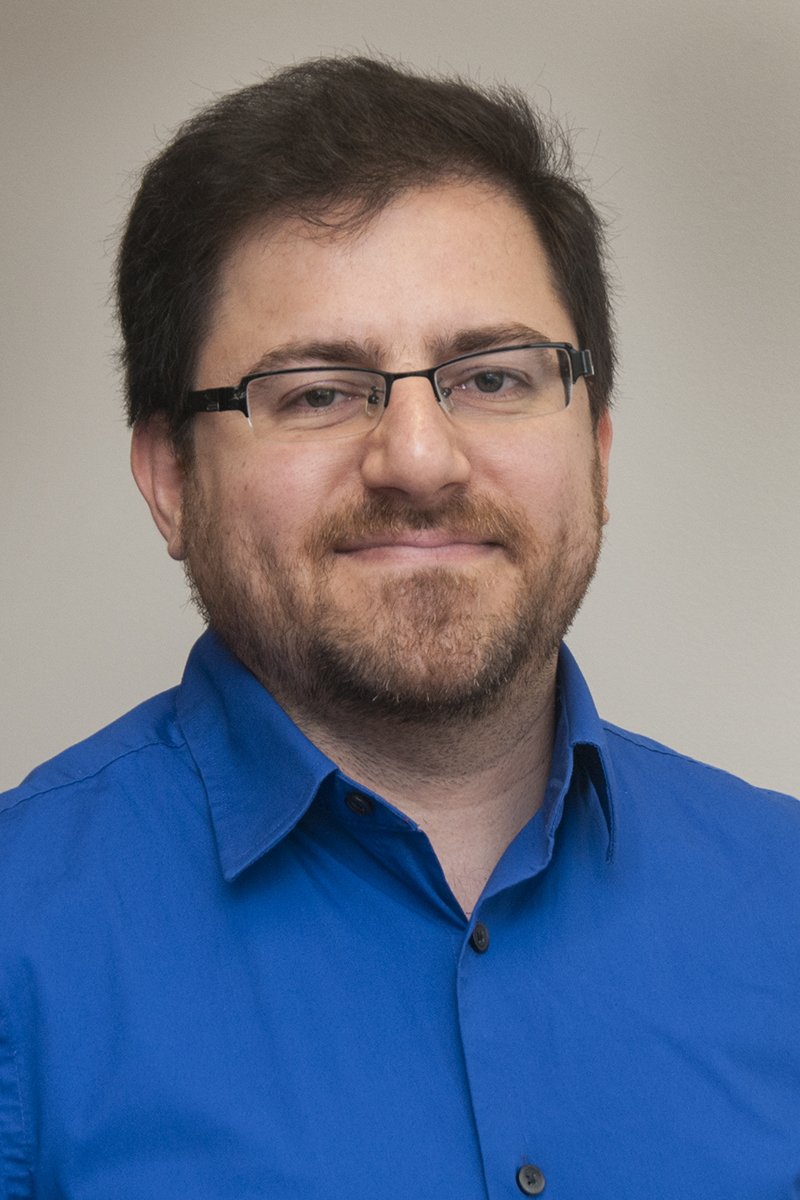
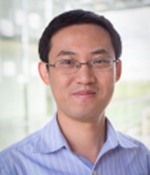
Kia Bazargan is an Associate Professor and the Leroy and Ruth Fingerson Co-op Professor at the University of Minnesota, College of Science and Engineering. He currently serves as Director of the Co-op Program and focuses on VLSI-CAD, FPGA physical design, and hybrid binary-unary computing. University: University of Minnesota School: College of Science and Engineering Department: Electrical and Computer Engineering His research emphasizes stochastic computing and unary computing, where numbers are encoded as streams of bits. He explores techniques to reduce hardware costs while maintaining efficiency, particularly for edge computing and neural network applications. Recent publications highlight his work on hybrid binary-unary computing, FPGA-based inference acceleration, and lossless compression of lookup tables. Grants from Cisco Systems and the National Science Foundation support his projects. Scientific Awards: PFI-TT Grant (2020-2024): Commercializing hybrid computing for modern applications Uniqomp NSF Grant (2020-2021) EAGER Grant (2015): Studying complex dynamical systems His lab (4-162 EE/CSci) investigates scalable computing paradigms to bridge the gap between ASICs and FPGAs in performance and energy efficiency.
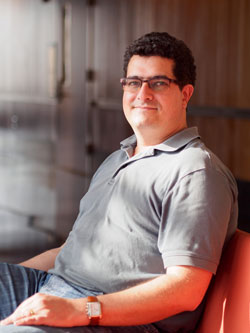
Timothy Baldwin is a Professor at the University of Melbourne, School of Computing and Information Systems, with additional affiliation at Mohamed bin Zayed University of Artificial Intelligence in UAE. His research spans natural language processing, large language models, and multilingual AI systems. His research interests focus on the safety, reliability, and ethical aspects of large language models. He investigates bias evaluation and debiasing techniques, uncertainty quantification methods, fact-checking systems, and multilingual model safety. His work addresses critical challenges in making AI systems more transparent, reliable, and culturally aware, with particular attention to low-resource languages and cross-cultural differences. Baldwin's recent publications demonstrate a strong focus on evaluating and improving the safety of language models across diverse linguistic contexts, developing tools for fact verification, and understanding the internal mechanisms of large language models. His research shows increasing emphasis on practical applications with real-world impact, particularly in multilingual settings and safety-critical domains. His scientific contributions include foundational work on multilingual NLP, bias mitigation techniques, and frameworks for evaluating LLM safety across different cultural contexts. His research has been published in top-tier venues including ACL, NAACL, EMNLP, and ICLR. Baldwin actively mentors students and junior researchers, with frequent collaborations with Haonan Li, Xudong Han, and Fajri Koto, among others. His research group appears to focus on practical applications of NLP with strong ethical considerations, particularly regarding model safety and cultural sensitivity.
Xavier Darzacq is a Professor of Molecular Therapeutics at the University of California, Berkeley, holding the Edward E. Penhoet Distinguished Endowed Chair in Global Health and Infectious Disease. His research at the intersection of molecular biology and biophysics focuses on understanding how nuclear organization governs transcription regulation during cellular differentiation. Research Highlights: Investigates transcriptional control via non-canonical mediator complexes in fibroblast-to-myofibroblast differentiation. Develops advanced imaging techniques (single-molecule tracking, 3D FISH) to study transcription factor mobility and chromatin interactions. Proposes biophysical models where protein diffusion in the nucleus is guided by DNA/chromatin networks. Technological Innovations: Pioneered methods for single-molecule tracking and super-resolution imaging, enabling nanoscale and millisecond-resolution analysis of nuclear processes. Collaborates with experts in biophysics, chemistry, and imaging to integrate multidisciplinary approaches. Scientific Awards: Edward E. Penhoet Distinguished Endowed Chair (Global Health and Infectious Disease) Nature Structural & Molecular Biology – Selected Article of the Month (2007) His lab (http://tjian-darzacq.mcb.berkeley.edu/) explores how nuclear architecture influences gene expression, particularly in wound healing contexts. Future work aims to leverage advancements in microscopy and genome editing to unravel transcriptional rules in living organisms.
Tianming Liu serves as a Distinguished Research Professor in the School of Computing at the University of Georgia, with courtesy faculty appointments in the Department of Epidemiology and Biostatistics at the College of Public Health and the Institute of Bioinformatics. His academic career at UGA spans from Assistant Professor (2008-2013) to Associate Professor (2013-2015) to full Professor (2015-present), culminating in his recognition as a Distinguished Research Professor in 2017. He also serves as Graduate Program Faculty in the School of Computing. Education: Ph.D. in Computer Engineering, Shanghai Jiaotong University, China (2002) Master of Science in Computer Science, Northwestern Polytechnical University, China (1999) Bachelor of Arts in Computer Science, Northwestern Polytechnical University, China (1998) Dr. Liu's research focuses on the intersection of computer science and neuroscience, with particular expertise in biomedical image analysis, computational neuroscience, and biomedical informatics. His work centers on cortical architecture imaging and discovery, developing advanced computational methods for analyzing brain structure and function. His research spans multiple disciplines including neurosciences, cognitive sciences, biomedical engineering, and clinical sciences, with applications in understanding Alzheimer's disease progression, brain connectomics, and neural architecture. Analysis of Dr. Liu's recent publications reveals a strong trajectory in applying deep learning techniques to neuroimaging data. His work increasingly focuses on developing sophisticated neural network architectures specifically designed for brain connectome analysis, with particular attention to spatiotemporal dynamics and hierarchical organization of brain networks. Recent publications demonstrate his leadership in applying neural architecture search methods to optimize brain network analysis pipelines, with applications spanning from Alzheimer's disease research to fundamental neuroscience questions about cortical folding patterns. Scientific Recognition: Distinguished Research Professor at the University of Georgia (2017) Dr. Liu has secured substantial research funding through multiple competitive grants from NIH and NSF, demonstrating the significance and impact of his work. His most notable projects include the NIH R01 grant "Developing an Individualized Deep Connectome Framework for ADRD Analysis," the NIH R01 grant "Mapping Trajectories of Alzheimer's Progression via Personalized Brain Anchor-nodes," and the NSF CRCNS grant "Exploring the Mechanism of 3-Hinge Gyral Formation and its Role in Brain Networks." These projects highlight his leadership in applying computational methods to address critical challenges in neuroscience and medicine, particularly in the domain of Alzheimer's Disease and Related Dementias (ADRD). Dr. Liu collaborates extensively across disciplines, working with researchers at institutions including University of Virginia, Emory University, UNC Chapel Hill, and UT Arlington. His work has contributed to the development of BiomedGPT, an open-source visual-language foundation model for biomedical applications, demonstrating his commitment to creating accessible tools for the broader research community.
Christian Desrosiers is a Research Professor at the Department of Software Engineering and IT, École de technologie supérieure (ÉTS), with a Ph.D. from Polytechnique Montréal. His research focuses on data mining, machine learning, and computer vision, particularly in medical imaging and optical network analysis. Research Units: Zebra Research Chair in Computer Vision for Industrial Applications, LIVE – Interventional Imaging Laboratory, LIVIA – Imaging, Vision and Artificial Intelligence Laboratory Research Axes: Intelligent and autonomous systems, Health technologies His expertise spans medical image analysis, domain adaptation, and computer vision. Recent publications highlight advancements in 3D point cloud learning, MRI harmonization, domain generalization, and real-time segmentation networks. Scientific awards include the prestigious Zebra Research Chair. He has co-supervised over 30 graduate students in topics ranging from optical network diagnostics to brain imaging and machine learning applications.
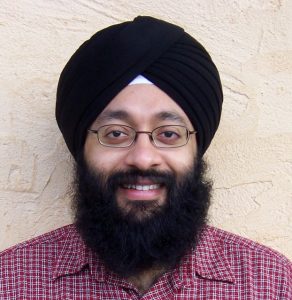
Montek Singh serves as an Associate Professor and Associate Chair for Academic Affairs in the Department of Computer Science at the University of North Carolina at Chapel Hill. His research focuses on high-performance and energy-efficient digital systems with particular emphasis on asynchronous and mixed-timing circuit design. Dr. Singh received his Ph.D. in Computer Science from Columbia University in 2002 and his B.Tech. in Electrical Engineering from IIT Delhi, India, in 1993. His primary research interests span high-performance and low-power digital systems, with specialization in asynchronous or clockless and mixed-timing integrated chip design. His work encompasses circuit design methodologies, CAD tools for automated synthesis, analysis and optimization techniques. He has also explored applications in energy-efficient mobile graphics hardware, secure chip design for computer security, and design challenges in emerging computing technologies. His research has practical applications in industry, with work transferred to companies including IBM, Boeing, and Handshake Solutions. Analysis of Dr. Singh's publications reveals a strong focus on asynchronous circuit design spanning two decades. His work covers fundamental pipeline architectures (MOUSETRAP), high-speed asynchronous systems, latency-insensitive design methodologies, and practical applications in graphics hardware and mobile devices. The research demonstrates consistent innovation in making asynchronous design more practical for real-world implementation while addressing performance, power efficiency, and testing challenges. His notable scientific achievements include: Best Paper Award at the 6th IEEE Intl. Symp. on Adv. Res. in Async. Circ. and Syst. (ASYNC-2000) Best Paper Finalist at the 8th IEEE Intl. Symp. on Async. Circ. and Syst. (ASYNC-02) Dr. Singh has secured significant research funding including participation in the DARPA CLASS Program (led by Boeing) in 2005, where he collaborated with Philips/Handshake Solutions to develop an industrial-strength automated synthesis flow for high-speed asynchronous systems. His research has strong industry connections and practical applications, with technology transferred to major companies including IBM and Boeing. He has also organized major academic events such as the International Symposium on Asynchronous Circuits and Systems 2009 (ASYNC 2009) at UNC Chapel Hill. Dr. Singh leads research in asynchronous systems design with connections to industry partners and practical applications. His work has been featured in prominent media outlets including The New York Times, International Herald Tribune, and Technology Review Magazine, highlighting the significance of clockless design approaches as traditional synchronous design approaches face limitations.
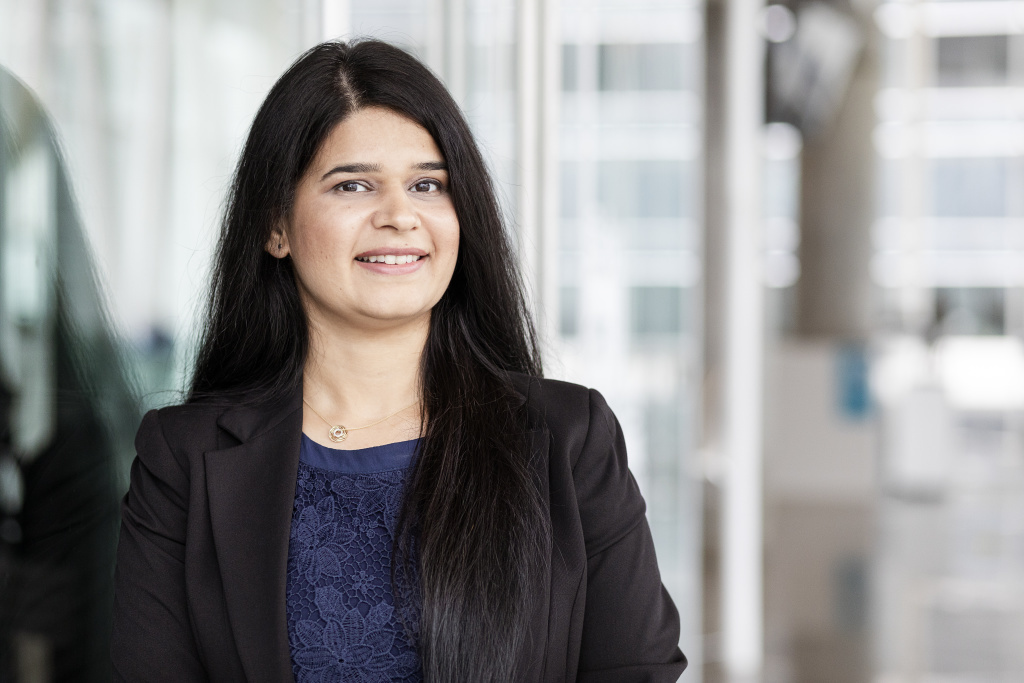
Kuljeet Kaur is a Professor in the Department of Electrical Engineering at École de technologie supérieure (ÉTS) in Montreal, Canada. Her research is conducted through the LACIME (Communications and Microelectronic Integration Laboratory), a renowned research unit focusing on communications and microelectronic integration. She maintains an active research program with numerous publications and student supervision activities. Professor Kaur's research spans multiple interconnected domains focused on next-generation computing and communication systems. Her primary research axes include Sensors, Networks and Connectivity; Intelligent and Autonomous Systems; and Software Systems, Multimedia and Cybersecurity. Within these broad areas, she specializes in Cloud Computing, Edge/Fog Computing, Internet of Things (IoT), Cybersecurity, Privacy, Federated Learning, and Energy Management. Her work bridges theoretical foundations with practical implementations in intelligent transportation systems, healthcare applications, and smart grid technologies. Analysis of Professor Kaur's recent publications reveals a strong focus on security and privacy challenges in emerging computing paradigms. A significant portion of her work addresses federated learning approaches that maintain data privacy while enabling collaborative AI model training. Her research also demonstrates expertise in edge computing architectures, particularly for IoT applications, with emphasis on energy efficiency and security. The publications show consistent interdisciplinary collaboration across computer science, electrical engineering, and transportation domains. Professor Kaur actively supervises multiple graduate students at various levels. Her supervision portfolio includes doctoral candidates working on topics like decentralized AI networks and secure federated learning, as well as master's students focusing on edge AI for IoT applications, sensor drift compensation, and zero trust architecture for IoT. She also guides project students working on practical implementations of AI for smart grid optimization and secure IoT protocols. Her research is conducted within the LACIME laboratory, which brings together researchers working on everything from micro- and nanofabrication processes to communication protocols and signal processing. The lab provides a transdisciplinary environment where Professor Kaur's work on cyber-physical systems and secure communications benefits from complementary expertise in integrated circuit design and microsystems.
Prof. Tomaso Fontanini is a researcher at the Department of Engineering and Architecture, University of Parma. His academic contributions span multiple disciplines, including computer science, artificial intelligence, and computer vision. 2025/2026: Deep Learning and Generative Models (Master's in Computer Engineering) 2024/2025: Processing Systems (Bachelor's in Prevention Techniques) 2023/2024: Processing Systems (Bachelor's in Prevention Techniques) 2022/2023: Processing Systems (Bachelor's in Prevention Techniques) Research Focus: His work primarily explores generative models, image synthesis, and style transfer with a strong emphasis on semantic control and attention mechanisms. Recent research has advanced state space models for efficient style transfer (Mamba-ST), semantic image synthesis via class-adaptive cross-attention, and diffusion model acceleration through U-shape architectures. Scientific Contributions: Publications include breakthroughs in controllable face synthesis, mask-based generative modeling, and video anomaly detection. His work bridges theoretical advancements in neural architectures with practical applications in remote sensing and educational technology. 2025: FLAV (audio-video generation), Swin2-MoSE (remote sensing) 2024: MARS (text-based person search), MCGM (mask conditioning) 2023: FrankenMask (face part editing), Student attendance systems
Professor Kylie Tucker is a distinguished academic at the University of Queensland, serving as Professor and School Director of Teaching and Learning in the School of Biomedical Sciences within the Faculty of Health, Medicine and Behavioural Sciences. She is also an Affiliate of the Centre for Innovation in Pain and Health Research (CIPHeR) and currently serves as President of the International Society of Electrophysiology and Kinesiology (ISEK) for the term 2024-2026. Professor Tucker leads a dynamic research environment focused on advancing knowledge about muscles and movement control, with significant contributions to understanding how pain impacts movement, methods for estimating muscle forces, and assessment of childhood movement control and adolescent skeletal maturity. Professor Tucker earned her Bachelor of Arts, Bachelor of Science, and Doctor of Philosophy from the University of Adelaide. Her academic journey has positioned her as a leader in neuromuscular research, particularly in the areas of motor control and pain adaptation. Within the School of Biomedical Sciences, she has held significant leadership roles including Deputy Director of Teaching and Learning (2018-2020), inaugural chair of the REMEDE committee (2021-2023), and Director of Teaching and Learning (2024-2025). She also co-facilitates UQ's flagship Career Progression for Women program. Her research interests span motor control, pain research, biomechanics, electromyography, neuromuscular control, pediatric movement, scoliosis, and muscle physiology. Professor Tucker's work has transformed understanding of pain's impact on movement and advanced assessment methods for childhood movement control and skeletal maturity. She has recently proposed new insights into scoliosis progression, identifying unique muscle features that can be non-invasively detected early in curve progression. Approximately 3-7% of children worldwide develop adolescent idiopathic scoliosis, often requiring surgical intervention when conservative treatments fail. Analysis of Professor Tucker's recent publications reveals a strong focus on neuromuscular control mechanisms, particularly in relation to pain, scoliosis, and pediatric movement disorders. Her work integrates advanced methodologies including electromyography, shear wave elastography, and biomechanical modeling to investigate muscle function across diverse populations. A notable trend is her leadership in consensus projects (CEDE) establishing standardized methodologies for electromyography research, reflecting her commitment to methodological rigor in the field. Professor Tucker actively mentors the next generation of researchers, supervising numerous PhD students across projects related to scoliosis, knee osteoarthritis, pain research, and pediatric movement disorders. Her research is supported by significant funding including NHMRC MRFF EPCDR grants for chronic musculoskeletal conditions in children and the SRS Research Grant for novel insights into adolescent idiopathic scoliosis. She leads the Motor Control and Pain Research Lab, a collaborative environment bringing together basic science and clinical researchers. The lab focuses on two main research streams: Motor Control and Pain Research and Child and Adolescent Neuromotor Control Research. Professor Tucker teaches across 10 UQ programs with class sizes ranging from 70-1400 students, demonstrating her commitment to education alongside her research leadership.
Dr. Almut Sophia Koepke is a junior research group leader and TUM Junior Fellow at the Technical University of Munich (TUM) and University of Tübingen. She leads the multi-modal learning research group focusing on video understanding through sound, vision, and text integration. University: Technical University of Munich School: TUM School of Computation, Information and Technology Department: Informatics 9 Academic Rank: Researcher Her research spans multi-modal learning, audio-visual foundation models, and cross-modal attention mechanisms. Key themes include: Advancing zero-shot learning through language-guided audio-visual models Developing explainable AI systems via attention pattern translation in VQA Exploring temporal understanding in video-adverb retrieval Building robust multi-modal representations for self-driving applications Recent publications analyze foundation model capabilities in audio-visual tasks (ICCV 2025), temporal reasoning (ACMMM 2024), and cross-modal attention frameworks (ECCV 2022). She co-organizes CVPR workshops on foundation model evaluations and serves as area chair/reviewer for major conferences.
Florian Leiser is a Professor at the Chair of Information Infrastructures (led by Prof. Dr. Ali Sunyaev) at Technical University of Munich's Heilbronn campus. His research focuses on human-AI collaboration, privacy-preserving algorithms, and explainability in machine learning systems. Current research areas include Hybrid Intelligence, Human-centered Generative AI (LLMs), Federated Learning, and Health Information Systems Recent publications demonstrate expertise in Explainable AI for medical imaging LLM hallucination detection Federated learning architectures Human-in-the-loop systems Healthcare data applications He contributes to teaching through Human-Centered Artifact Design courses Collaborative teaching roles in machine learning Supervising student projects
François Goulette is a Professor and Deputy Director of the Computer Science and Systems Engineering Unit (U2IS) at ENSTA Paris, part of Institut Polytechnique de Paris. His research focuses on 3D point cloud processing, LiDAR perception, and autonomous systems within the Robotics Center (CAOR). His primary research interests lie in 3D point cloud processing , LiDAR perception , and autonomous systems . His work spans fundamental algorithm development to practical applications in autonomous driving, cultural heritage digitization, and robotics. He has made significant contributions to domain generalization of LiDAR perception, semantic segmentation of 3D point clouds, and point cloud registration techniques. The analysis of his recent publications reveals a strong focus on domain generalization for LiDAR perception systems, with multiple papers addressing challenges in 3D semantic segmentation across different environments. His work combines multi-scale architectures , unsupervised learning , and dataset creation to advance the state-of-the-art in autonomous systems perception. The research spans both theoretical algorithm development and practical applications in urban environments. François Goulette leads research activities within the Robotics Center (CAOR) at ENSTA Paris. His team develops advanced techniques for 3D environment understanding, with applications in autonomous vehicles, cultural heritage preservation, and industrial robotics. The research combines computer vision, machine learning, and robotics to solve challenging problems in 3D perception and scene understanding.
Dong Li is an Associate Professor at the University of California, Merced , where he directs the Parallel Architecture, System, and Algorithm Lab (PASA) and co-directs the High Performance Computing Systems and Architecture Group . He co-founded Yotta Labs Inc. and previously held research roles at Oak Ridge National Laboratory (2011-2014) and a PhD from Virginia Tech. Research Interests: Dong's work focuses on High performance computing (HPC) Memory heterogeneity and non-volatile memory Systems for machine learning and AI Fault tolerance in large-scale systems His innovations include heterogeneous memory optimization for recommendation models and GNNs, CXL memory integration, and persistent memory debugging tools. Recent Publications highlight advancements in CXL-based inter-node communication Memory tiering for laminography reconstruction ML-guided memory optimization for DLRM and GNN Fault tolerance benchmarks and error analysis Awards & Recognition: NSF CAREER Award (2016) Oracle Research Award (2022) ASPLOS Distinguished Artifact Award (2021) Virginia Tech Early Career Alumni Award (2023) Advising & Funding: Dong has mentored 22 students (8 PhD, 6 Master’s, 8 undergraduates) and secured grants from NSF, NVIDIA, Meta, and national labs (Argonne, Lawrence Berkeley, Lawrence Livermore). Collaborations include Microsoft (DeepSpeed, Intel PMDK), AMD, SK Hynix, and Intel/MICRON hardware donations.
Kelsey B. Hatzell is an Associate Professor at Princeton University, affiliated with the Department of Mechanical and Aerospace Engineering and the Andlinger Center for Energy and the Environment. Her research focuses on energy storage, materials science, and advanced characterization techniques for decarbonization technologies. Ph.D. in Material Science and Engineering, Drexel University (2015) M.S. in Mechanical Engineering, Penn State University (2012) B.S. in Engineering and B.A. in Economics, Swarthmore College (2009) Dr. Hatzell's work explores solid-liquid, solid-gas, and solid-solid interfaces in energy storage and separation systems. Her group develops materials for decarbonization, utilizing in situ and operando X-ray/neutron/electron-based methods to study failure mechanisms in batteries and direct air capture systems. Recent publications highlight her focus on solid-state battery design, lithium metal anodes, ion transport in 2D materials, and advanced imaging techniques. Notable contributions include studies on polymorphism control, confinement effects in electrochemical systems, and chemo-mechanical degradation pathways. ORAU Powe Junior Faculty Award (2017) NSF CAREER Award (2019) ECS Toyota Young Investigator Award (2019) Nelson 'Buck' Robinson award (MRS, 2019) Sloan Fellowship in Chemistry (2020) POLiS Award of Excellence for Female Researchers (2021) NASA Early Career Award (2022) ONR Young Investigator Award (2023) Camille-Dreyfus Teacher-Scholar Award (2024) Presidential Early Career Award for Scientists and Engineers (PECASE, 2025) Dr. Hatzell leads the Materials for Energy & Climate Lab , which develops technologies to displace fossil-fuel-based systems in transportation, energy storage, and separations. Her team investigates solid-state batteries, direct air capture membranes, and solar-thermal desalination systems through advanced materials engineering.
Guido Masera is a Full Professor at the Department of Electronics and Telecommunications (DET) at the Polytechnic University of Turin, where he has been actively involved in teaching and research for over two decades. He serves as a Member of the Board of Directors, Member of the GEDI Observatory for Gender Equality, Diversity and Inclusion, and Member of the Permanent University Observatory for monitoring the academic supply chain. His research interests span across channel decoders, circuits for communications, cryptography, deep learning, digital integrated circuits, field programmable gate arrays (FPGA), and hardware design. His work focuses on VLSI architectures for image and video coding, digital architectures for error correcting codes, application specific approximate computing, VLSI architectures for machine learning, digital architectures for bio-inspired processing, digital architectures for post-quantum cryptography, bio-inspired electronics for robotics and biomedical applications, RISC-V extensions and hardware accelerators, and circuit architectures for efficient machine learning and artificial intelligence. His recent publications (2025) demonstrate a strong focus on RISC-V architecture, particularly in the context of cryptographic implementations, hardware security, and post-quantum cryptography. His research group VLSILAB is actively engaged in cutting-edge research in hardware security, efficient processor design, and specialized computing architectures. Among his notable recognitions are the Premio Francesco Carassa awarded by the Telecommunications and Information Technologies Group Association (gtti) in 2010, and his recognition as a Fellow of the Institute of Electrical and Electronics Engineers (IEEE) since 2007. He also serves as an Associate Editor for several prestigious journals including ELECTRONICS (2019-present), IEEE TRANSACTIONS ON CIRCUITS AND SYSTEMS (2015-2019), and IET CIRCUITS, DEVICES & SYSTEMS (2013-2016). Professor Masera has advised numerous PhD students working on advanced topics in VLSI design, post-quantum cryptography, hardware accelerators, and machine learning implementations. His current research projects include ISOLDE (2023-2026) and TRISTAN (2022-2025), both EU-funded projects focused on RISC-V technology and domain-specific ecosystems. He leads the VLSILAB research group at the Department of Electronics and Telecommunications, which focuses on cutting-edge research in VLSI architectures, hardware security, and specialized computing systems. The group collaborates with industry partners and participates in major European research initiatives.