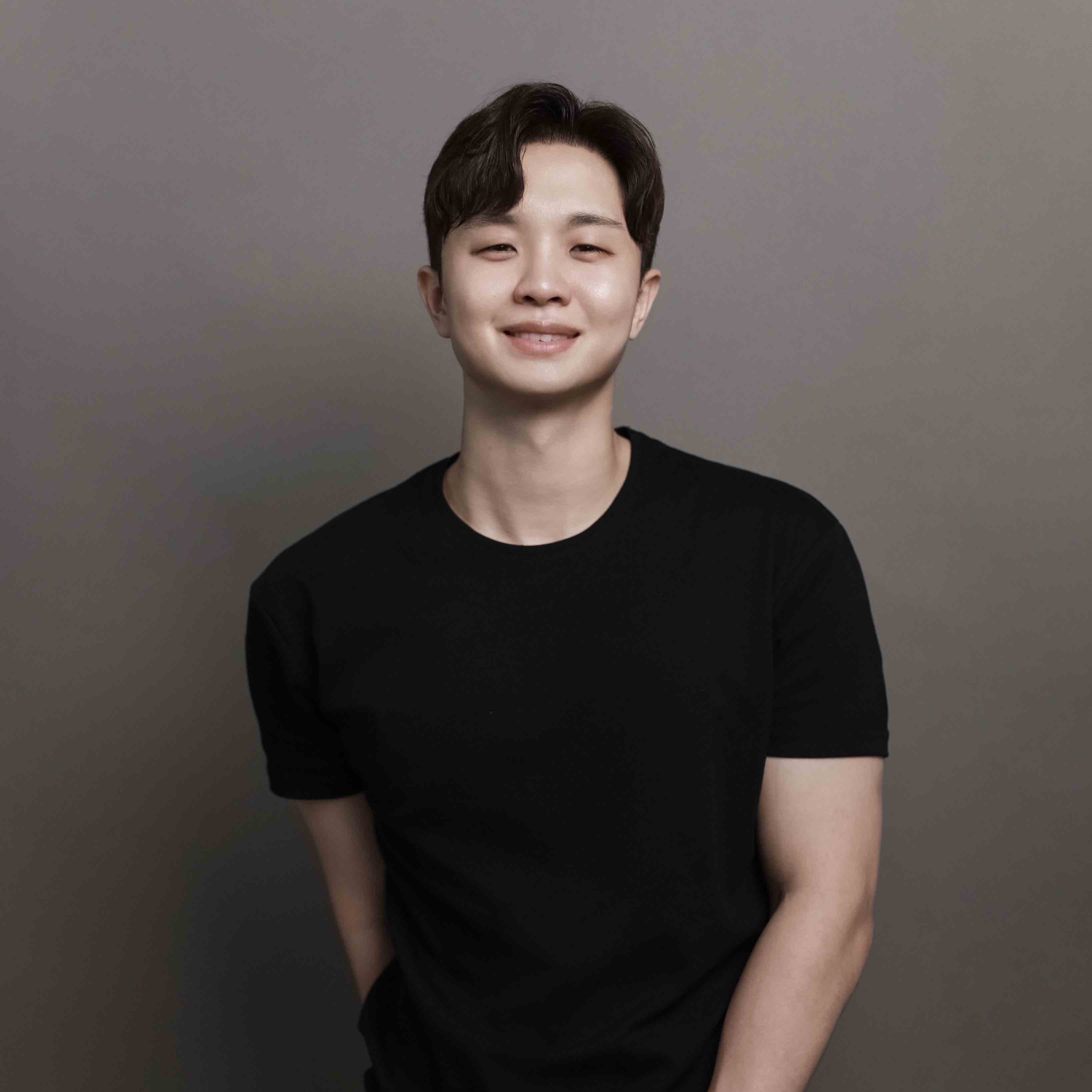
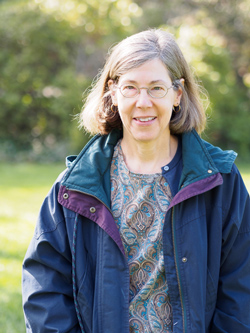
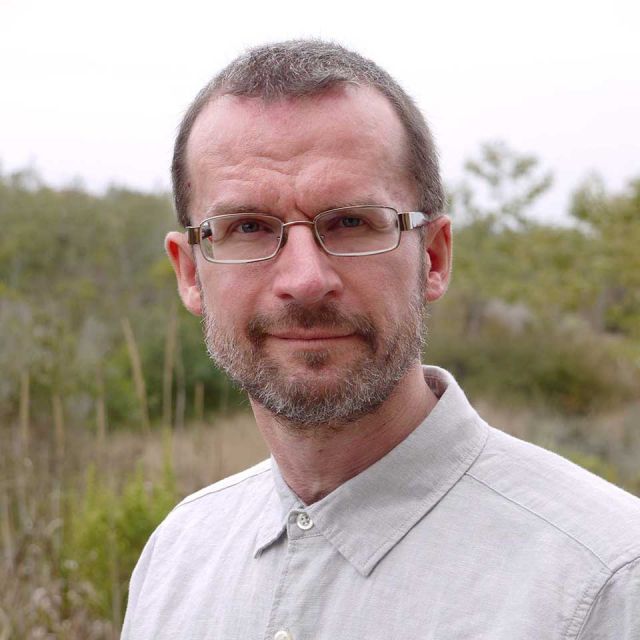
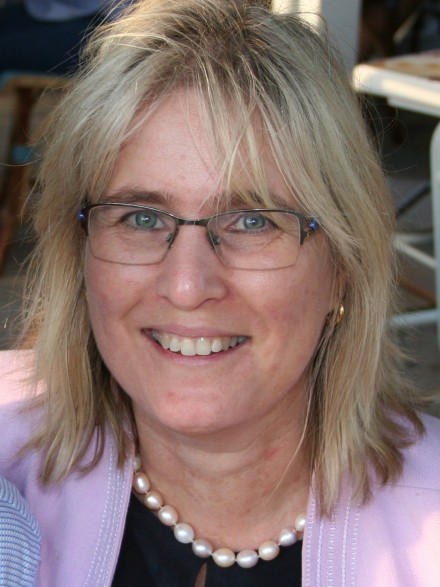
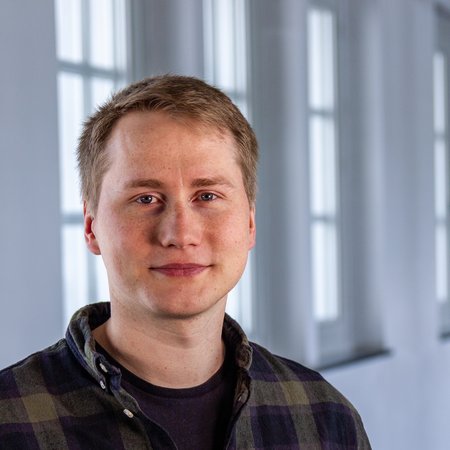
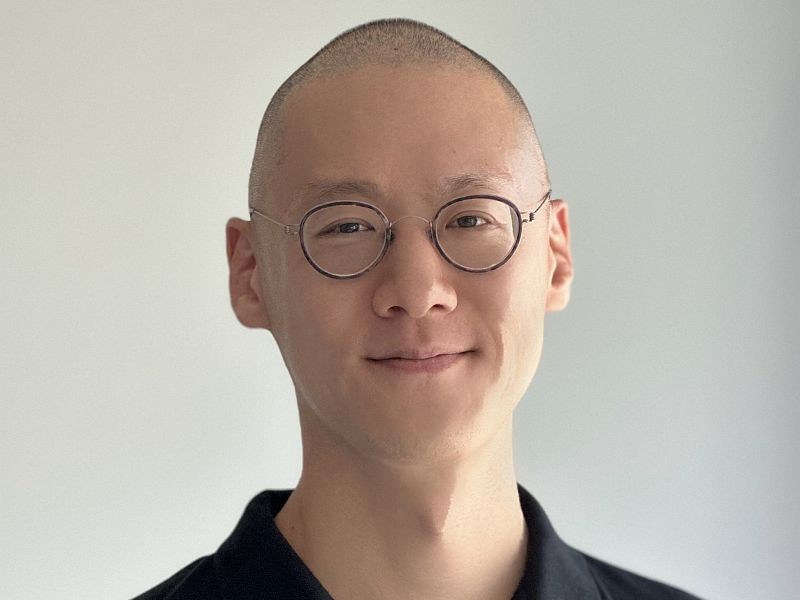
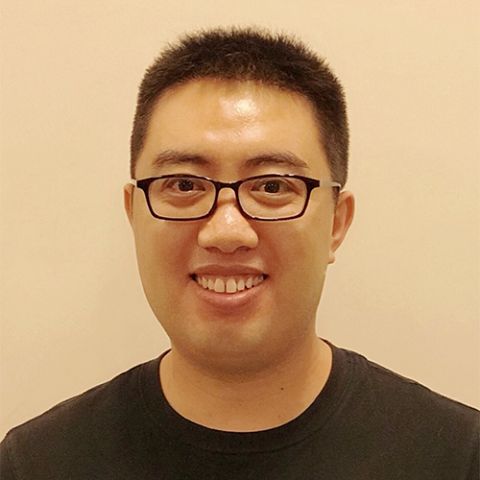
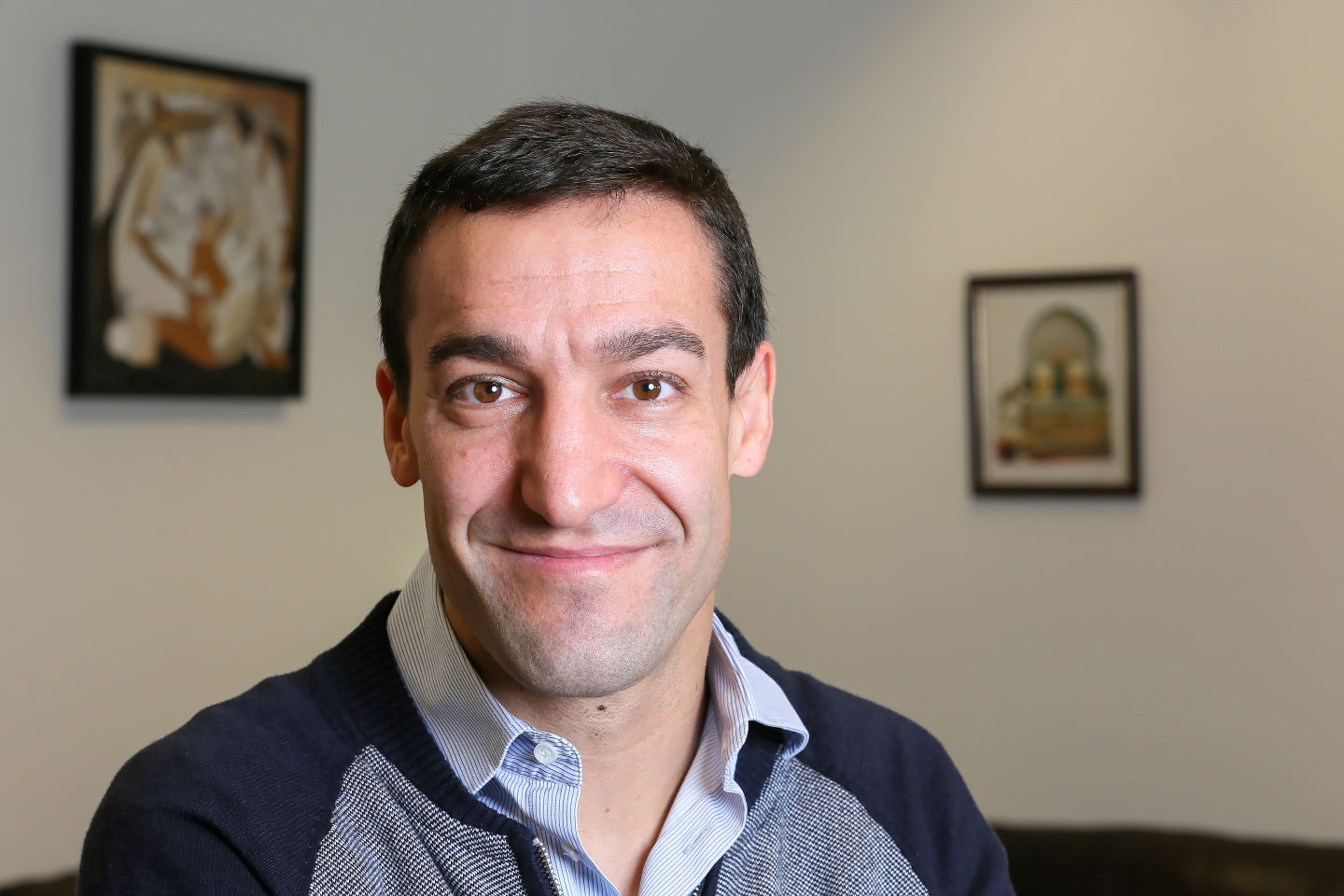
Minjoon Seo is an Associate Professor at KAIST AI, Korea Advanced Institute of Science and Technology. He holds a BS in Electrical Engineering & Computer Science from UC Berkeley and previously worked as a software engineer at Oracle. His research focuses on natural language understanding, large-scale end-to-end question answering, and multimodal AI systems combining language and vision. Research Interests: His work spans Natural Language Processing, Machine Learning, Deep Learning, and Language-Vision integration. He develops neural network architectures for machine comprehension and multimodal understanding, with applications in question answering systems and diagram interpretation. Publications: His research demonstrates a consistent focus on multimodal AI systems, with recent works advancing neural approaches to machine comprehension and diagram understanding. Publications show strong emphasis on NLP-CV integration and practical applications in healthcare and education. Awards: Best Paper Nomination at UbiComp 2014 for BiliCam research Professional Activities: Maintains active open-source contributions through GitHub repositories related to question answering systems and NLP research. Co-founded Config Intelligence while maintaining academic position.
Ming Li is a Professor of Electrical and Computer Engineering at Duke Kunshan University's Division of Natural and Applied Science, and a Principal Research Scientist at the Digital Innovation Research Center. He holds an adjunct position as a Professor at Wuhan University's School of Computer Science. His research focuses on audio/speech processing, multimodal behavior signal analysis, and applications in autism spectrum disorder diagnosis. Li has over 200 publications and serves on editorial boards of journals like IEEE Transactions on Audio, Speech and Language Processing. Education: Ph.D. in Electrical Engineering from the University of Southern California (2013). Awards include the IBM Faculty Award (2016), ISCA 5-Year Best Paper Award (2018), and Youth Achievement Award (2020). He leads initiatives in anti-spoofing countermeasures, voice conversion, and speech synthesis. Recent Courses: Random Signals and Noise Speech Recognition Data Science Key Research Contributions: Development of datasets like KunquDB, TMCSpeech, and systems for speaker verification, deepfake detection, and autism diagnosis tools. His work bridges signal processing with clinical applications, leveraging AI for social interaction improvement in neurodiverse populations.
Yuhao Chen is a Research Assistant Professor at the University of Waterloo, specializing in cutting-edge research at the intersection of computer vision, robotics, and healthcare. His work focuses on 3D reconstruction, food tracking, medical imaging, and AI-driven solutions for nutrition analysis and sports analytics. He has contributed to benchmark datasets like NutritionVerse, MetaGraspNet, and FoodVerse, advancing applications in robotic grasping, dietary intake estimation, and human-object interaction analysis. Research interests include egocentric video analysis, real-time 3D reconstruction, zero-shot learning, and multi-task learning. His projects often integrate Gaussian splatting, photometric SLAM, and diffusion models to solve complex problems in food tracking, medical image segmentation, and sports player motion analysis. Recent work highlights include FoodTrack for dietary monitoring and RepViT-MedSAM for medical image segmentation. Yuhao Chen’s innovations span robotics, healthcare, and AI, with a focus on practical applications such as automated nutrition assessment, robotic bin picking, and athlete performance analysis. His research emphasizes scalable frameworks and physically informed 3D reconstruction methods to address real-world challenges in health, sports, and automation.
Ellen Robey is a Professor of Immunology and Molecular Medicine at the University of California, Berkeley, serving as Division Head of the IMM Division. Her research focuses on signaling pathways controlling T cell fate decisions, using mouse models to study T cell development and immune responses, including mechanisms of thymic selection and CD4/CD8 lineage commitment. She employs 2-photon imaging to analyze T cell behavior in situ, particularly during parasitic infections like Toxoplasma gondii . Robey’s lab investigates how self-reactivity influences thymic selection timing and develops collaborative projects combining multi-omics approaches with spatial and temporal analyses of thymic development. Key research areas include understanding negative/positive selection mechanisms in the thymus, immune response dynamics during chronic infections, and the role of unconventional T cell subsets recognizing non-classical MHC molecules. The lab has pioneered studies on Qa1-restricted T cells and their role in host defense against pathogens. Her work bridges basic immunology with cutting-edge imaging and systems biology tools to unravel complex immune processes. Lab collaborations include projects with Nir Yosef and Aaron Streets to create high-resolution thymic developmental maps using single-cell multi-omics. Current efforts also explore how ERAAP downregulation alters antigen presentation, influencing T cell responses. The Robey Lab emphasizes diversity in its team, fostering an inclusive environment for scientific innovation.
Skirmantas Janusonis is an Associate Professor in the Department of Psychological and Brain Sciences at the University of California, Santa Barbara (UCSB). He is a core faculty member of the UCSB Neuroscience Research Institute and the Interdepartmental Graduate Program in Dynamical Neuroscience, and a member of the California NanoSystems Institute. His research program lies at the intersection of neuroscience, complex systems, and computational modeling. Education: Ph.D. in Neuroscience and Behavior, University of Massachusetts Amherst Postdoctoral Research, Department of Neuroscience, Yale University School of Medicine B.S./M.S. in Biology, Vilnius University, Lithuania Dr. Janusonis's research focuses on the stochastic (random walk-like) behavior of serotonergic axons in the brain, particularly within the ascending reticular activating system and the broader serotonergic matrix. His work integrates molecular neurobiology, comparative neuroanatomy (from sharks to rodents to humans), advanced microscopy, and supercomputing simulations. He investigates how these complex systems self-organize and their relevance to mental disorders, especially autism and the enigma of platelet hyperserotonemia. His lab collaborates with physicists, mathematicians, and engineers to model anomalous diffusion and fractional Brownian motion in 3D brain spaces. His recent publications reveal a strong trend toward computational and theoretical neuroscience, using high-resolution data and mathematical generalizations to model axonal distributions. Key themes include reflected fractional Brownian motion, self-organization of serotonergic densities, and the interface between central and peripheral serotonin systems. His work challenges traditional views of the blood-brain barrier and proposes interdisciplinary solutions involving immunology, physiology, and computer science. Scientific Awards and Recognition: Elected to the Board of Directors of the Organization for Computational Neurosciences (2024) NSF, NIMH, and California NanoSystems Institute grant funding Multiple student awards under his mentorship, including the Harry J. Carlisle Award and NIH IRTA NSF CRCNS and Frontera supercomputing grants UCSB Art of Science People's Choice Award (awarded to lab member) Dr. Janusonis actively mentors PhD students such as Justin Haiman and Dahyana Arroyo, and has advised alumni including Dr. Angela Chen, Dr. Kasie Mays, and Dr. Melissa Hingorani. His lab has received numerous grants from the NSF and NIH, supporting research on stochastic axon systems and super-resolution imaging. He teaches graduate and undergraduate courses including Neuroanatomy (Psy 269), Neurobiology of Brain States (Psy 136), and Complex Systems (Psy 113L). Research Team and Collaborations: The Janusonis Lab is an interdisciplinary group combining neuroscience, mathematics, and engineering. It collaborates with institutions such as UC San Diego, the University of Pisa, and MIT. The lab is equipped with advanced imaging tools and has access to Frontera, a leading NSF supercomputer. Outreach includes science nights at local schools and public lectures at the Santa Barbara Museum of Natural History.
Dorrit Jacob is a Professor and Director of the Research School of Earth Sciences at the Australian National University (ANU), within the College of Science. She holds a Dr. rer. nat. from Georg-August University in Göttingen, with her master's and PhD research conducted at the Max-Planck Institute for Chemistry in Mainz. Recognized nationally, she was awarded the DFG Heisenberg Chair in Biomineralisation in 2012, becoming the first female recipient of this honor in Rhineland-Palatinate and at Johannes Gutenberg University Mainz. In 2013, she relocated to Australia, taking up an ARC Future Fellowship at Macquarie University before being promoted to full Professor in 2016. Since November 2020, she has served as the first female School Director of the Research School of Earth Sciences. Her research focuses on biomineralization, diamond formation, Earth's mantle geochemistry, and advanced analytical techniques like laser ablation ICP-MS and vibrational spectroscopy. She leads interdisciplinary projects, including collaborations on carbon sequestration, material science, and environmental applications. Notable awards include the DFG Heisenberg Professorship and contributions to understanding mantle dynamics through diamond inclusions and mantle xenolith studies. Dr. Jacob's work spans geology, geochemistry, and biomineralization, with over 150 publications. Her research teams investigate topics like nacre growth mechanisms, sulfide-rich continental roots, and deep carbon cycles. She supervises students in these areas and collaborates on grants related to microanalysis, climate proxies, and mantle processes. Her labs and teams at ANU and international institutions advance understanding of Earth's materials and environmental systems.
Markus Haltmeier is a Professor in the Department of Mathematics at the University of Innsbruck. His research focuses on inverse problems, image reconstruction, and deep learning with applications in medical imaging, photoacoustics, and computational mathematics. He leads a group dedicated to advancing theoretical and practical solutions for challenges in non-destructive testing and medical diagnostics. His work integrates mathematical analysis with machine learning, addressing issues such as high-resolution imaging in scattering media and automated segmentation of cardiac structures. Key research areas include regularization techniques for inverse problems, self-supervised learning approaches for limited data scenarios, and computational methods for photoacoustic tomography. His contributions span both theoretical developments (e.g., inversion formulas for Radon transforms) and applied solutions (e.g., algorithms for cylinder liner wear assessment and myocardial infarct segmentation). Publications highlight advancements in neural network-based regularization, 3D medical image synthesis, and unsupervised learning frameworks for segmentation and registration. His research emphasizes bridging the gap between mathematical theory and real-world applications in healthcare and engineering.
Roozbeh Tabrizian is an Associate Professor in the Department of Electrical & Computer Engineering at the University of Florida, holding the Nelms Rising Star Endowed Professorship. His research focuses on RF micro- and nano-electro-mechanical systems (RF N/MEMS), nonlinear and nonreciprocal systems, and ferroelectric materials for sensing and information processing. He has received prestigious awards including the NSF CAREER Award (2018) and DARPA Young Faculty Award (2019). Education: PhD in Electrical Engineering from Georgia Tech (2013), BS from Sharif University of Technology (2007). Research interests include developing temperature-stable acoustic resonators, ferroelectric transducers, and novel materials for high-frequency applications. His work bridges nanotechnology, materials science, and MEMS to create innovative devices for communication and sensing. Key scientific awards include the HWCOE Innovation Award (2025), DARPA Director’s Fellowship (2021), and multiple best paper awards at international conferences. His grants include the NSF CAREER Award supporting nano-acoustic waveguide research. He advises on advanced MEMS fabrication techniques and collaborates on CMOS-compatible resonators. His lab develops nanoelectromechanical tags for anti-counterfeiting and high-precision frequency control systems.
Ramon Arrowsmith is a Professor at Arizona State University's School of Earth and Space Exploration (SESE). His research focuses on earthquake geology, tectonic geomorphology, and active faulting, with a particular emphasis on leveraging high-resolution topography through initiatives like OpenTopography. He has over 35 years of experience in paleoseismology, geomorphic mapping, and fault zone analysis. Arrowsmith has held administrative roles such as Deputy Director of SESE and associate directorships in graduate studies and geological sciences departments. His work integrates remote sensing, lidar technology, and robotics to address geological hazards and landscape evolution. Key projects include the QUAKES mission for topographic data collection and the development of low-cost seismic tools like ShakeBot. His research spans global regions, including the San Andreas Fault, Pamir-Tien Shan collision zone, and volcanic fields in Arizona and Mexico. Arrowsmith's recent publications highlight advancements in fault slip modeling, seismic hazard assessment, and open-access geospatial data platforms. His contributions to education include courses on field geology and computational methods in earth sciences. Collaborations with international teams and interdisciplinary projects underscore his commitment to advancing geoscience through innovation and accessibility.
Dr. Uwe Grünefeld is a Visiting Professor at the Faculty of Computer Science , Institute for Computer Science and Business Information Systems (ICB) of the University of Duisburg-Essen. He has been actively contributing to Human-Computer Interaction research through multiple publications in 2025-2022 focusing on Virtual Reality , Augmented Reality , and Robotics . Research Interests span across immersive technology applications for health behavior change (situated artifacts, weight visualization mirrors), haptic feedback systems (EMS for weight perception, vibrotactile directional cues), and behavioral biometrics (hand tracking identification, gaze-based user recognition). His work addresses cross-reality system design , collaborative robotics , and human-in-the-loop simulation methodologies . Key Publications demonstrate significant contributions to VR/AR user engagement, with particular focus on Physical activity promotion through situated artifacts Advanced haptic feedback techniques for immersive environments Behavioral biometric identification systems Robot motion intent communication Cross-reality transition visualization His research often employs mixed-method approaches combining technical implementations with user studies involving quantitative and qualitative data collection.
Dr. Bon Woo Koo is an Assistant Professor at the School of Urban and Regional Planning , Toronto Metropolitan University. His expertise lies in geospatial urban analytics, walkability, and GIS applications, focusing on urban design for public health equity and innovative data science tools. He holds a PhD in City & Regional Planning from Georgia Institute of Technology, a Master’s in Landscape Architecture from Seoul National University, and a Bachelor’s in Interior Design from Kookmin University. Education: PhD in City and Regional Planning, Georgia Institute of Technology Master of Landscape Architecture, Seoul National University Bachelor of Interior Design, Kookmin University Research Interests: Dr. Koo investigates urban environments’ impact on health and well-being, equity in environmental amenities (e.g., tree canopies), and advanced GIS techniques. He develops automated audit methods for walkability and explores spatial modeling for urban sustainability. His work bridges data science with policy, contributing to CDC health surveillance and smart city initiatives. Publications: His research appears in journals like Landscape and Urban Planning , Environment and Behavior , and Health and Place , with a focus on walkability audits, urban tree equity, and audio-based pedestrian sensing. Recent work addresses post-pandemic mental health and broadband equity strategies. Professional Engagement: He has advised the CDC’s technical panel on leveraging big data for health policy, presented at conferences like the Association of Collegiate Schools of Planning, and collaborated with institutions like Universitas Gadjah Mada and the Atlanta Regional Commission.
Dr. Alison Mary is an FNRS Research Associate at the Université Libre de Bruxelles (ULB), Faculty of Psychological and Educational Sciences, Department of Neuropsychology, since October 2023. She is affiliated with the Neuropsychology and Functional Neuroimaging Research Unit (UR2NF), which operates within the Centre de Recherche Cerveau et Cognition (CRCN) and the ULB Neurosciences Institute (UNI). Her research focuses on memory processes and their cerebral underpinnings, particularly in the context of healthy aging and resilience following acute stress. Dr. Mary completed her PhD in January 2016 at UR2nF/CRCN under Professor Philippe Peigneux. From November 2016 to October 2019, she conducted postdoctoral research at the U1077 Unit (Neuropsychology and Imaging of Human Memory – NIMH) in Caen, France, under Dr. Pierre Gagnepain, investigating neurobiological markers of resilience in survivors of the 2015 Paris terrorist attacks. Dr. Mary's research centers on understanding brain mechanisms supporting memory processes in healthy aging using functional connectivity and resting state networks. She investigates non-pharmacological stimulation strategies, particularly transcutaneous vagal nerve stimulation, to promote neuroplasticity and memory in aging populations. Her work examines how sleep architecture, meditation, and cognitive training impact memory processes in older adults, employing advanced neuroimaging techniques including MEG and EEG. Analysis of Dr. Mary's recent publications reveals a strong focus on the intersection of memory, aging, and neuroimaging. Her research increasingly incorporates transcutaneous vagal nerve stimulation to enhance memory processes, while examining how sleep architecture relates to memory consolidation. She also investigates cognitive resilience following acute stress and trauma, exploring neural mechanisms that preserve memory function despite traumatic experiences. FNRS Research Associate Fellowship (2023-present) FNRS Postdoctoral Fellowship (2019-2023) Dr. Mary actively supervises doctoral research, including Benkirane's work on sleep fragmentation and cognition, and Hamel's research on sleep characteristics in older adults. She collaborates extensively within the UR2NF research unit and with international colleagues on memory, aging, and neuroimaging projects. Her laboratory utilizes MEG, EEG, and functional MRI to investigate brain mechanisms underlying memory processes, with future work likely focusing on personalized non-pharmacological interventions for cognitive aging.
Fenglong Ma is an Associate Professor at Pennsylvania State University, affiliated with the Institute for Computational and Data Sciences and the Center for Socially Responsible Artificial Intelligence. His research focuses on data mining, healthcare informatics, machine learning, natural language processing, and multimodal learning. He holds a Ph.D. from the University at Buffalo (2019) and degrees from Dalian University of Technology. His work addresses challenges in federated learning, medical AI, adversarial robustness, and multimodal systems. Key contributions include innovations in quantization for large language models, federated knowledge injection, and medical vision-language benchmarking. Recent publications explore topics like collaborative fairness in federated learning, robust medical vision-language models, and adversarial attack mitigation. His research bridges theory and practical applications in healthcare, cybersecurity, and personalized recommendation systems. He leads the PSU Data Science Lab and collaborates on projects involving AI ethics, multimodal data integration, and scalable medical foundation models.
Professor Roger Woods is a prominent academic and researcher affiliated with Queen's University Belfast's School of Electronics, Electrical Engineering and Computer Science, part of the Faculty of Engineering and Physical Sciences. He holds the rank of Professor and is actively involved in advancing research and innovation in embedded systems, FPGA technologies, and AI-driven solutions for industry challenges. His work emphasizes practical applications through close collaboration with industry partners. His research interests span novel computing architectures (e.g., multi-precision and edge computing), FPGA-based systems for data analytics, and secure IoT communication protocols. Notably, he co-founded and serves as Chief Scientist of Analytics Engines Ltd, a data analytics company. He has led significant initiatives like the Kelvin-2 Tier-4 High Performance Computing centre and contributed to semiconductor reviews through EFutures. Professor Woods has been recognized with prestigious awards, including the IET Northern Ireland Engineering Excellence Award and IEEE Fellowship. He has supervised numerous PhD students focusing on topics like FPGA-based image processing, secure wireless communications, and embedded AI platforms. His publications reflect interdisciplinary strengths in hardware acceleration, physical layer security, and structural health monitoring. Key Collaborations : Projects with industry and institutions on semiconductor design, bridge monitoring, and AI hardware. Grants : Principal Investigator for multiple research grants, including Core Equipment Awards for advanced instrumentation. Labs/Teams : Active in Queen's Advanced MicroEngineering Centre and the EFutures network.
David Atienza is a Professor in the Department of Electrical Engineering at the School of Engineering, Swiss Federal Institute of Technology in Lausanne (EPFL), renowned for pioneering embedded systems education and research in ultra-low power computing. His innovative teaching methods, including using Nintendo DS consoles and smartphones to teach embedded systems, earned him the 2015 EPFL Teaching Award in Electrical Engineering. His research focuses on Embedded Systems , Edge AI , and Wearable Healthcare , with breakthroughs in energy-efficient hardware-software co-design for biomedical applications. Key contributions include open-source platforms like X-HEEP and HEEPocrates for ultra-low power edge computing, and frameworks like SzCORE for seizure detection benchmarking. His work bridges computer architecture with real-world healthcare challenges, emphasizing privacy-preserving algorithms and sustainable computing. Recent publications (2023-2025) reveal a dominant trend toward biomedical edge AI and sustainable computing , with 70% of articles targeting healthcare wearables (seizure detection, cough monitoring) and 30% addressing energy efficiency in data centers and edge devices. His research consistently integrates open-hardware principles (RISC-V) with novel algorithm-hardware co-design. Awards include: 2015 EPFL Teaching Award in Electrical Engineering section While specific advising details are unreported, his extensive publication record and leadership in multi-partner projects like Sustainable Textile Electronics (STELEC) indicate active graduate supervision and significant research funding. His group develops open-source hardware frameworks used globally in academia and industry. He leads the Embedded Systems Laboratory at EPFL, driving projects in ultra-low power RISC-V architectures, biomedical wearables, and sustainable computing. Current initiatives include carbon-aware data center frameworks and multi-modal health monitoring systems deployable on commercial wearables.