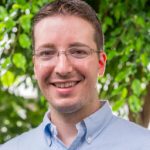
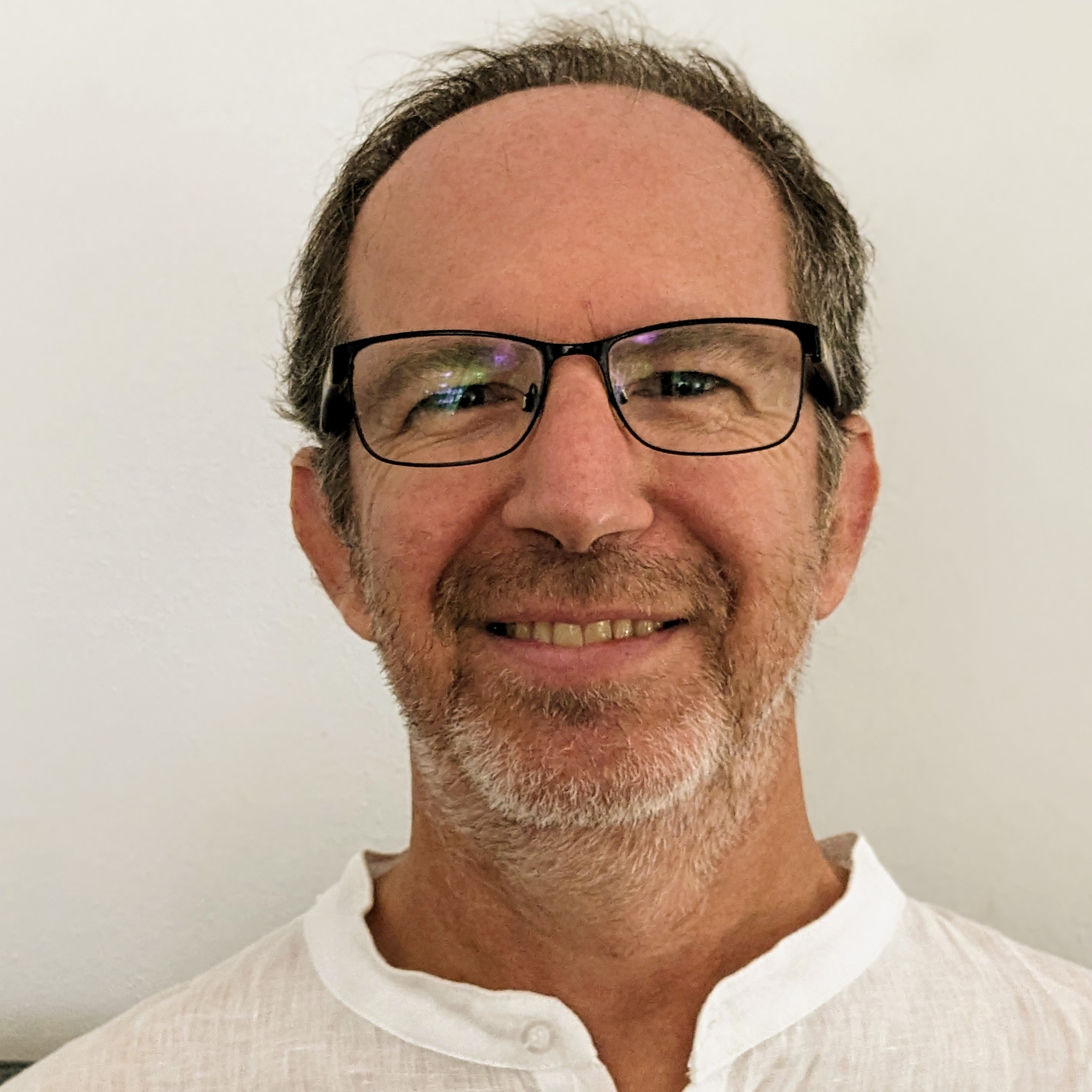
John Yukich is an Associate Professor of Physics at Davidson College, where he teaches courses ranging from introductory classes to advanced theoretical and experimental physics. His research spans atomic, molecular, and optical (AMO) physics and biophysics, involving hands-on experimental work with lasers, optics, and ultra-high vacuum systems. Ph.D. from University of Virginia B.S. from Kenyon College In AMO physics, Yukich conducts fundamental spectroscopy experiments on negative ions, collaborating with institutions like Denison University and Bard College. In biophysics, he investigates physical properties of Chlamydomonas reinhardtii algae and Nephila clavipes spider silk, mentoring students in both areas. He emphasizes mathematical rigor in advanced courses and engages non-science majors through general-education offerings.
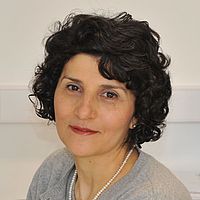
Dr. Praneet Prakash is a Researcher in the Department of Applied Mathematics and Theoretical Physics at the University of Cambridge, working under Prof. Raymond Goldstein. His research focuses on interdisciplinary approaches combining microfluidics, microscopy, and theoretical physics to study biological systems. Key areas include microbial motility, active matter dynamics, and the interplay between physics and living systems. He utilizes experimental techniques such as microfluidics and advanced microscopy to investigate phenomena like bacterial swimming, nutrient exchange in microbial communities, and growth oscillations in filamentous fungi. His work bridges Soft Matter Physics, Statistical Mechanics, and Biophysics, with applications ranging from understanding microorganism behavior to developing biosensor technologies. Recent studies explore phototactic algae behavior, ciliary surface interactions in animalcules, and adaptive motility in marine microorganisms. Publications highlight contributions to microbial ecology, active matter systems, and biophysical modeling. While no formal awards are listed, his research has been published in high-impact journals like Journal of the Royal Society Interface and Physical Review Fluids . He is affiliated with the Biological Physics and Mechanics research group and maintains an active presence on academic platforms like Twitter and LinkedIn.
Dr. Jeremy Guest is the Levenick Professor in Civil and Environmental Engineering (and courtesy appointment in Chemical & Biomolecular Engineering) at the University of Illinois Urbana-Champaign (UIUC). He serves as Associate Director for Research at the Institute for Sustainability, Energy, and Environment (iSEE) and leads the Center for Advanced Bioenergy and Bioproducts Innovation (CABBI). His research focuses on advancing circular bioeconomies through sustainable sanitation systems, resource recovery from wastewater, and biofuel/bioproduct development from lignocellulosic biomass. Guest's work emphasizes Quantitative Sustainable Design (QSD) methodologies to bridge engineering innovation with policy and investment decisions. Education: PhD in Environmental Engineering (University of Michigan, 2012); MS (Virginia Tech, 2007); BS (Bucknell University, 2005). Research interests include wastewater treatment innovation, nutrient recovery, bioenergy systems design, and sustainable agriculture practices. Key contributions include the EcoRecover phosphorus recovery process, the QSDsan modeling platform, and leadership in CABBI's $262.5M DOE-funded initiative. Guest has secured funding from NSF, US EPA, USDA, and the Bill & Melinda Gates Foundation. Recognitions include the NSF CAREER Award, 2021 James J. Morgan Early Career Award, and the Paul L. Busch Award. He advises over 15 graduate students and leads multiple high-impact projects like the NEWgenerator sanitation system and oilcane biorefinery integration. Lab/Group: Guest Research Group focuses on experimental, computational, and policy-oriented research to solve global sustainability challenges. Current projects address algae-based wastewater treatment, fecal sludge management in low-income regions, and precision fermentation systems development.
James Van Etten is the William Allington Distinguished Professor of Plant Pathology at the University of Nebraska-Lincoln, affiliated with the School of Biological Sciences and Nebraska Center for Virology. His research focuses on chloroviruses—large dsDNA viruses infecting Chlorella-like algae—with emphasis on DNA replication, restriction systems, and membrane transport proteins. Key research themes include: Viral DNA modification systems Host-virus interactions Structural virology Evolution of organellar genomes Recent work analyzed: SMRT sequencing of viral methylation patterns Chlorovirus cryopreservation methods Potassium channel biophysics Host chemical signaling mechanisms Lab webpage: vanettenlab.unl.edu
Prof. Dr. Deniz Tasdemir is a Full Professor (W3) of Marine Natural Products Chemistry at GEOMAR Helmholtz-Zentrum für Ozeanforschung Kiel and serves as Director of the GEOMAR-Biotech center and Head of the Marine Natural Product Chemistry Research Unit. Her career spans institutions including the National University of Ireland Galway and UCL School of Pharmacy. PhD in Pharmacy, ETH Zurich (1997) Post-doctoral work, University of Utah (2001) Dr. Helmut Legerlotz Fellowship, University of Zurich (2002-2025) Her research focuses on marine chemical ecology , metabolomics , and bioprospecting for bioactive compounds from sponges, algae, and marine microbiomes. Recent work explores seagrass pathogen reduction, microbiome interactions, and aquafeed applications. Scientific awards include: Waters Award for Natural Products Innovation (2016) Egon Stahl Silver Medal (2005) Pierre Fabre Prize (2004) ETH Zurich Medal (1997) She leads collaborative projects on ocean sustainability and marine drug discovery, with editorial roles in Marine Drugs , Planta Medica , and Phytochemistry Letters .
Violeta Atienza Tamarit is an Associate Professor in the Department of Botany and Geology at the Faculty of Biological Sciences, Universitat de València, Spain. Her academic and research profile is deeply rooted in botany, with a specialization in lichen flora and vegetation, particularly epiphytic lichens in Mediterranean regions such as Castellón and surrounding territories. Her research interests span Botany , Lichenology , Plant Systematics , Biogeography , and Vegetation Ecology . She is an active member of the SEBHAP research group (Systematics, Evolution and Biogeography of fungi, seaweeds and plants), which focuses on the evolutionary and ecological dynamics of non-vascular plants and algae. This affiliation underscores her commitment to understanding biodiversity patterns and taxonomic relationships in cryptogamic flora. Violeta Atienza earned her PhD from the Universitat de València with a thesis titled Flora y vegetacion liquenica epifitica de las comarcas de els ports y baix maestrat (castellon) y territorios proximos in 1990, establishing a long-standing research trajectory in lichen ecology. Her work contributes significantly to the knowledge of epiphytic lichen communities in eastern Spain. She is involved in collaborative research through the SEBHAP group, which integrates systematics, molecular phylogenetics, and biogeographic modeling to study fungi, seaweeds, and plants. While specific grants and student advisement are not detailed in the available text, her sustained academic presence suggests active mentorship and research leadership.
Mehdi Abdollahi is an Associate Professor at Chalmers University of Technology's Department of Food and Nutrition Science. His research focuses on alternative proteins, food biotechnology, and plant-based hybrid foods, with emphasis on sustainable utilization of food side streams, legumes, cereals, and microalgae as future protein sources. Develops pH-shift technology and ultrasound-assisted methods for protein extraction Specializes in hybrid food engineering via fermentation and biorefinery Works on 3D food printing and high-moisture extrusion for food analogs Researches collagen and biobased food packaging materials His work includes >100 peer-reviewed publications, 4 book chapters, and 3 patents. Current projects involve collaborations with Arla Foods, Lantmännen, and Nordic Seafarm, addressing sustainable seafood systems and plant-protein hybridization. 2024 Bertebos Prize recipient 2025: Recognized among Sweden's Top 101 Sustainability Figures Mentors 7 PhD students and 3 postdocs while collaborating with European institutions like Kristianstad University and Ankara University. His group explores biorefinery strategies, hybrid food functionality, and innovative packaging solutions.
Dr. Arvydas Ruseckas is a Research Fellow at the School of Physics and Astronomy, University of St Andrews. His research focuses on organic photovoltaics, semiconductor materials, and optoelectronic systems. Key areas include exciton dynamics in solar cells, perovskite photovoltaics, and X-ray detector technologies. He collaborates extensively on interdisciplinary projects, bridging material science with marine biology and quantum optics. Research interests span organic solar cells, energy harvesting, and semiconductor physics, with contributions to understanding charge transfer mechanisms and material optimization. He has published widely on topics such as exciton diffusion, light-harvesting in red algae, and polariton condensates in organic semiconductors. His work often involves experimental studies of thin films, photoluminescence, and device performance, with a focus on advancing sustainable energy technologies and novel optoelectronic applications.
Jennifer Smith is a faculty researcher at the Scripps Institution of Oceanography, University of California, San Diego, where she leads the Smith Lab within the Center for Marine Biodiversity and Conservation. Her work focuses on coral reef ecosystems, integrating ecology with conservation, restoration, and sustainability. Her research explores how human activities such as nutrient pollution, invasive species, and climate change affect benthic marine communities. She has pioneered the use of large-area imaging and structure-from-motion technology to monitor long-term changes in Maui's coral reefs, including responses to sequential bleaching events and wildfire impacts. Her lab investigates microbial interactions with corals and the role of algae in reef degradation and resilience. Dr. Smith’s publication record reveals a strong focus on coral-algal interactions, nutrient dynamics, invasive seaweeds, and ecosystem-scale analyses. Her work spans tropical regions including Hawaii and the Great Barrier Reef, contributing to global understanding of reef resilience. She mentors graduate students and collaborates widely across marine science disciplines. Scientific Awards: No awards mentioned in the provided text. Advising and Grants: Dr. Smith advises graduate students such as Orion McCarthy and Morgan Winston. Her lab conducts long-term monitoring supported by institutional and likely federal funding, though specific grants are not listed. She leads field campaigns in Hawaii and publishes in high-impact journals. Labs and Teams: The Smith Lab is actively engaged in coral reef research, focusing on resilience, restoration, and human impacts. The team includes researchers and volunteers who conduct field surveys, analyze imagery, and produce outreach materials such as the 'Underwater Gardens' film.
Marcos Cruz is Professor of Innovative Environments at The Bartlett School of Architecture, University College London (UCL), where he leads research in bio-integrated design. He runs Bio-ID with Dr. Brenda Parker, a multidisciplinary research platform investigating design driven by biotechnology, computation, materials, and fabrication. Previously, he served as Director of The Bartlett from 2010-2014 and founded the BiotA Lab (2014-2018). His academic career spans multiple institutions including University College London (where he ran MArch Unit 20 for 19 years), University of Westminster (2008-2010), UCLA (2010), and IAAC (2014-present). Professor Cruz holds a Licenciatura from ESAP Porto, a Masters with distinction from UCL, and a PhD from UCL (2007), sponsored by the Portuguese Foundation for Science and Technology. His doctoral research on 'Neoplasmatic Architecture' earned him the RIBA President's Research Award in 2008. He is a registered architect with both the Architects Registration Board (ARB) and the Portuguese Architecture Chamber. His primary research area is Bio-Integrated Design, which explores how biotechnology and computation can reshape our built environment in response to climate change. This work goes beyond using nature as inspiration; instead, it treats nature as the medium for a multi-layered design approach. His key research project, Poikilohydric Living Walls, investigates integrating growth systems directly on building facades using algae and mosses that can switch photosynthetic activity on and off without additional maintenance. Another significant research area is The Body in Architecture, which examines the relationship between human flesh and architectural flesh, proposing a 'thick embodied flesh' that creates truly inhabitable architectural interfaces. His recent publications demonstrate a strong progression toward integrating living systems directly into building materials and facades. The research spans from microbial to tectonic scales, with increasing focus on biomaterials, robotic fabrication, and sustainable design approaches that actively participate in urban ecosystems rather than merely responding to them. RIBA President's Research Award (2008) for 'Neoplasmatic Architecture' Multiple Best Unit awards at Bartlett Summer Show (awarded by Thom Mayne, Paul Finch, Richard Rogers, Claude Parent, and Ross Lovegrove) Work part of permanent collection at FRAC Orleans Exhibitions at Venice and São Paulo Biennales Professor Cruz has supervised numerous PhD students through UCL's Research-by-Design programme and currently directs the MArch/MSc in Bio-Integrated Design. His research has been supported by EPSRC and involves industrial partners including Laing O'Rourke, Pennine Stone Limited, and Amorim, with academic partners at UCL Biochemical Engineering, University of Coimbra, and IST Tomar. He co-founded MAM-ARCH London (formerly marcosandmarjan) in 2000, whose work has built buildings and pavilions, won international competitions including the Kunsthaus Graz, and been exhibited globally. His practice represents a significant bridge between architectural design and biological systems, positioning him at the forefront of bio-integrated architectural research.
Prof. Gisela Detrell is a Professor of Human Spaceflight Technology at the TUM School of Engineering and Design, Technical University of Munich. She specializes in developing technologies for astronautical spaceflight, including life support systems (e.g., microalgae photobioreactors), mission simulations (e.g., Mars/Moon concepts), and virtual reality tools for astronaut training. Her work bridges engineering, biotechnology, and interdisciplinary collaboration. Education: Bachelor/Master in Aerospace Engineering at the Polytechnic University of Catalonia (UPC) PhD from the University of Stuttgart and UPC (2015), focusing on reliability analysis of life support systems for long-duration space missions Research Interests: Prof. Detrell’s research emphasizes sustainable life support systems for extraterrestrial habitats, VR-driven astronaut training, and interdisciplinary design approaches for space stations. Her photobioreactor studies explore algae-based solutions for oxygen and food production on lunar/mars bases, while simulations address mission realism and team performance under extreme conditions. Articles Overview: Her publications span VR docking simulators, ISS-based photobioreactor experiments, and biofiltration systems for closed-loop life support. These reflect a focus on practical, scalable technologies for long-term space habitation. Awards/Grants: No specific honors or grants listed in the text. Her academic contributions are highlighted through her professorship and research group leadership. Labs/Teams: She previously led the research group at the Institute of Space Systems in Stuttgart and currently heads the Human Spaceflight Technology group at TUM.
Nicolò Cesa-Bianchi is a Professor of Computer Science at the University of Milan, where he serves as head of the Computer Science programs. He is also associated with the Department of Electronics, Information and Bioengineering (DEIB) at Politecnico di Milano. Cesa-Bianchi holds significant leadership roles including Board member, Fellow and co-director of the Milan unit of the European Laboratory for Learning and Intelligent Systems (ELLIS), and membership in the prestigious Accademia Nazionale dei Lincei. He is also involved with The European Lighthouse on Secure and Safe AI (ELSA), The European Lighthouse of AI for Sustainability (ELIAS), and The FAIR foundation. Professor Cesa-Bianchi's research focuses on the theoretical foundations of machine learning, with special emphasis on sequential decision making and online learning algorithms. His work spans multiple areas including multi-armed bandit problems, regret analysis, prediction with expert advice, and learning on graphs. He has made significant contributions to understanding the theoretical limits of learning algorithms and developing efficient methods for various learning scenarios. His research has important applications in online markets, social networks, and bioinformatics. His monographs 'Prediction, Learning, and Games' and 'Regret Analysis of Stochastic and Nonstochastic Multi-armed Bandit Problems' are considered seminal works in the field. His recent publications demonstrate continued leadership in advancing the theoretical understanding of machine learning, with 2024-2025 papers covering cooperative online learning, multitask learning, fair trade mechanisms, and refined analyses of bandit algorithms. The research shows increasing focus on practical economic applications while maintaining strong theoretical foundations. Google Research Award Xerox Foundation UAC Award Member of the Accademia Nazionale dei Lincei ELLIS Fellow Cesa-Bianchi has been deeply involved in academic service, having served as action editor for the Machine Learning Journal, IEEE Transactions on Information Theory, and the Journal of Machine Learning Research. He currently serves as associate editor for the Journal of Information and Inference and TheoretiCS. He has held leadership positions including President of the Association for Computational Learning and member of the steering committee for the EC-funded Network of Excellence PASCAL2. He was program chair of the 13th Annual Conference on Computational Learning Theory and the 13th International Conference on Algorithmic Learning Theory. He leads the Laboratory for AI and Learning Algorithms (ALGA) at the University of Milan, which focuses on theoretical and applied research in machine learning. His international collaborations are extensive, with visiting positions at UC Santa Cruz, Graz Technical University, Ecole Normale Supérieure in Paris, Google, and Microsoft Research. As an educator, he teaches advanced courses including Reinforcement Learning and Statistical Methods for Machine Learning, and has supervised numerous students through the years.
Farooq Azam is a Distinguished Professor of Microbial Oceanography at the Scripps Institution of Oceanography, University of California San Diego. He has held this position since 1996, following roles as Professor-in-Residence and Research Biologist at the same institution. His research focuses on marine microbial ecology, coral reef microbiology, microbial biogeochemistry, and the ocean carbon cycle. Azam earned his Ph.D. in microbiology from the Czechoslovak Academy of Science, Prague, and completed a postdoctoral fellowship at Stony Brook University. Affiliations: Scripps Institution of Oceanography, UCSD Key Roles: Long-term leadership in microbial oceanography research Research Interests: His work explores how marine microbes influence biogeochemical cycles, coral health, and organic matter dynamics. He has pioneered studies on microbial regulation of the ocean carbon cycle and the ecological roles of marine phages. Awards: Includes election to the American Academy of Arts and Sciences (2015), Tiedje Award (2004), and recognition as an ISI Highly Cited Researcher (2002). He holds an honorary doctorate from Linnaeus University (2004).
Berat Z. Haznedaroğlu is an Assistant Professor at the Institute of Environmental Sciences, Bogazici University, Istanbul, where he has been serving since 2014. He previously held an Assistant Professor position at the Department of Civil, Structural, and Environmental Engineering, University at Buffalo, New York (2012–2014), and completed postdoctoral training at Yale University. His research is highly interdisciplinary, bridging environmental engineering, microbiology, and biotechnology. Education: Postdoctoral, Chemical and Environmental Engineering, Yale University, USA (2012) PhD, Chemical and Environmental Engineering, University of California-Riverside, USA (2010) MS, Civil and Environmental Engineering, Villanova University, USA (2005) BS, Biology, Middle East Technical University, Turkey (2003) His research interests include Environmental Microbiology , Microalgae Functional Genomics , Systems Biology , and the Fate and Transport of Pathogens . He is particularly known for his work on microalgae-based solutions for wastewater treatment, biofuel production, and space life support systems. His lab explores the integration of algae-bacteria consortia for sustainable biorefineries and environmental remediation. The recent publications reflect a strong trend toward applied environmental biotechnology, with emphasis on microalgae applications in wastewater treatment, high-value product recovery (e.g., phycocyanin), and thermal processing effects on algal nutritional quality. The work spans from fundamental metabolic pathway analysis to real-world implementation in biorefineries and space missions. Scientific Awards and Grants: INDEPENDENT Project (€6.9M, 2019–2024) – Integrated Biorefinery for Bioeconomy MICRO-JET Project ($448K, 2020–2023) – Algae-Based Bio-Jet Fuel VirALGin Project ($185K, 2022–2024) – Algae-Derived SARS-CoV-2 Inhibitors UzMAn Project ($65K, 2023–2024) – Microalgal Life Support for Space Renew-IST Project ($521K, 2022–2023) – Renewable Energy Center in Istanbul Dr. Haznedaroglu leads a dynamic research group with multiple funded projects and collaborative networks across institutions in Turkey and the U.S. He advises graduate students and has co-authored several book chapters and journal articles with junior researchers. His work is supported by major national and international funding bodies including TUBITAK, TUBITAK-Uzay, and the Ministry of Industry and Technology. Future research directions include closed-loop life support systems for space habitats and commercial-scale algal biorefineries. Laboratories and Research Platforms: His team operates within the CBE Institute at Bogazici University, utilizing facilities for microbial culturing, genomics, and environmental analysis. The INDEPENDENT and UzMAn projects involve advanced bioreactor systems and space-simulated environments.
Martin Kaltenbrunner is a Professor in the Department of Soft Matter Physics at the Faculty of Engineering & Natural Sciences, Johannes Kepler University Linz (JKU). He leads the LIT Soft Materials Lab and is affiliated with the Linz Institute of Technology (LIT), focusing on sustainable material innovations for next-generation electronics. His research spans biodegradable flexible electronics, energy-autonomous systems, and eco-friendly substrates. Key interests include perovskite solar cells for healthcare robotics, mycelium-based electronic skins, and algal polysaccharide conductive nanocomposites. He pioneers sustainable alternatives using organic materials to replace conventional electronics in soft robotics and wearable devices. Recent publications (2024-2025) emphasize circular economy principles, featuring mycelium substrates for PCBs, algae-derived transistors, and passivation techniques for high-efficiency solar cells. The work integrates materials science with environmental sustainability, targeting applications in medical sensors and autonomous robotics. Professor Kaltenbrunner has supervised 18 research works and leads multiple major grants: Personalized Sustainable Smart Patch Omnificence (Persimmon) - EU project (2024-2028) Mycelium-based substrate for sustainable flexible PCBs (MycoSub) - EU project (2024-2025) Intelligent cellulose-based sensors - FFG project (2022-2025) Metasurface Fabrication (META-FAB) - FFG project (2024-2027) Nadelholzreststoffe for mycelium packaging (MycoSoft) - FFG project (2023-2026) He directs the LIT Soft Materials Lab, which develops biodegradable gels, fungal biomaterials, and sawmill byproduct-based insulation. The lab collaborates across JKU's engineering and natural sciences divisions to advance sustainable electronics through interdisciplinary projects like Persimmon and MycoSub, emphasizing real-world deployment of eco-friendly technologies.