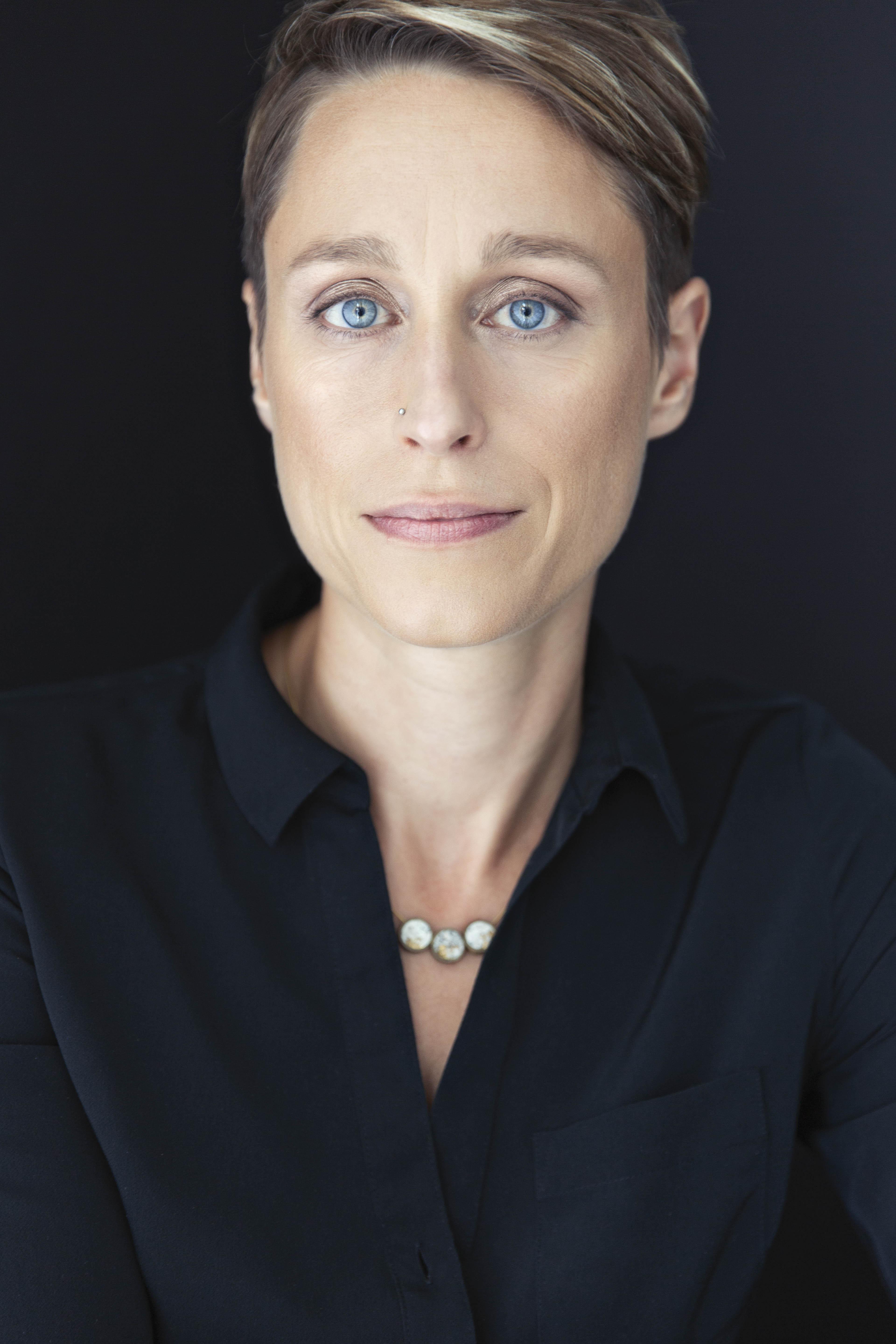
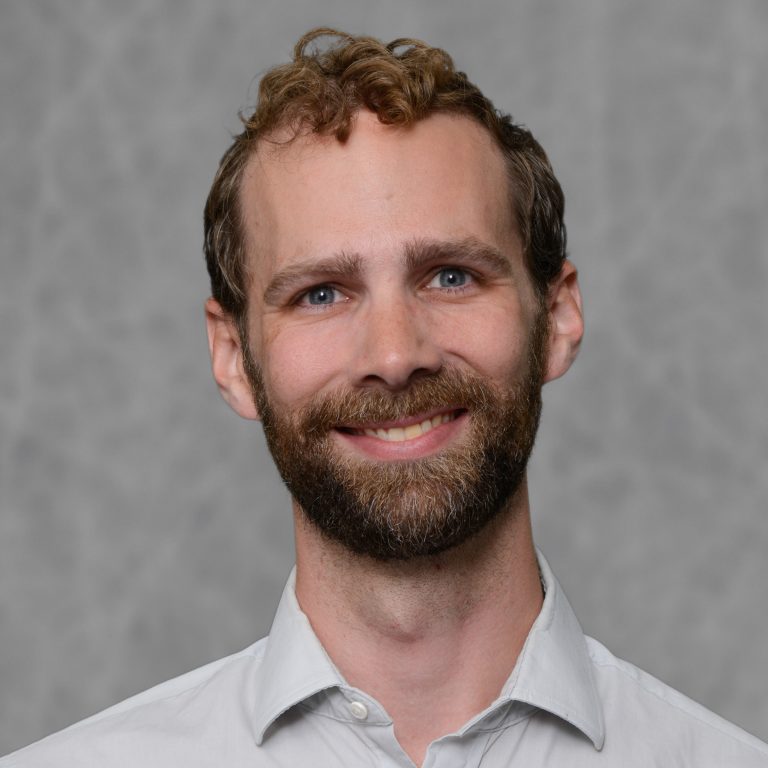
Keith Tierney is a Professor in the Department of Biological Sciences at the University of Alberta's Faculty of Science. He holds degrees including BSc, MSc, MBA, and PhD. His research focuses on chemical-vertebrate interactions, emphasizing sensory physiology, exercise physiology, and toxicology. Key areas include olfactory mechanisms in fish, climate-driven physiological adaptations, and contaminant impacts on animal behavior. His work integrates ecological and molecular approaches, often involving zebrafish and Arctic fish species. Education: BSc MSc MBA PhD Research Interests: Neuroendocrine regulation of behavior and toxic responses Climate change effects on fish migration and exercise capacity Contaminant impacts on sensory systems and ecosystem dynamics Zebrafish models for studying aging and neurodegenerative diseases Teaching: Zoology 241 (Animal Physiology) Biology 341 (Ecotoxicology) School of Public Health 522 (Principles of Toxicology) Funding & Collaborations: Supported by Fisheries and Oceans Canada, Environment Canada, petrochemical companies, and food manufacturers Research emphasizes translational science linking basic physiology to environmental policy Labs & Teams: Led a multidisciplinary lab investigating chemical-vertebrate interactions Collaborates internationally on projects addressing global climate and pollution challenges
Liman Liu is an Associate Research Scientist at the Yale School of Medicine, affiliated with the Department of Internal Medicine at Yale University. Their research focuses on auditory system physiology, neurodegenerative diseases, and inner ear biology. Key projects include investigating hearing sensitivity mechanisms, Alzheimer’s disease biomarkers, and the impact of genetic mutations on cochlear function. Research interests span hearing protection mechanisms, genetic influences on auditory disorders, and the intersection of neuroscience with otolaryngology. Notable contributions include studies on Cx26 mutations and hyperacusis, efferent neuron roles in hearing protection, and early Alzheimer’s detection via auditory deficits. Liu’s work integrates molecular biology, electrophysiology, and animal models to address hearing loss and neurodegenerative challenges. Collaborative efforts aim to advance therapies for ototoxicity and neurosensory disorders.
Jan Huisken is a Humboldt Professor for Multiscale Biology at the Georg-August-Universität Göttingen, affiliated with the Johann Friedrich Blumenbach Institute of Zoology and Anthropology. His research focuses on advanced light sheet microscopy techniques for biomedical and developmental biology applications. Role: Humboldt Professor University: Georg-August-Universität Göttingen Department: Johann Friedrich Blumenbach Institute of Zoology and Anthropology Research interests include light sheet microscopy , biomedical imaging , and developmental biology with a strong emphasis on zebrafish models. He develops tools for tissue clearing , image processing , and 3D microscopy . The 15 most recent publications analyze innovations in light sheet microscopy, tissue clearing protocols, and computational methods for image restoration. These works span fields such as optical imaging , developmental cardiology , computational biology , and biomedical instrumentation . Huisken contributes to open-source microscopy systems like 'Flamingo' and 'BigFUSE,' aiming to democratize access to advanced imaging technologies. His work integrates engineering, computer science, and biology to solve complex imaging challenges.
Dr. Saima Riazuddin is a Professor at the University of Maryland School of Medicine, with joint appointments in Otorhinolaryngology-Head & Neck Surgery and Biochemistry & Molecular Biology. Her research focuses on the molecular genetics of inherited disorders, particularly hearing loss, vestibular dysfunction, intellectual disability, and Usher syndrome, utilizing human genetics, mouse models, and zebrafish models to identify disease-causing genes and elucidate their functional mechanisms. PhD in Molecular Genetics (University of Punjab, Pakistan) MPH in Leadership Management & Policy (University of Cincinnati) MBA in Business Administration (University of Cincinnati) Her lab investigates the genetic factors determining hearing sensitivity, pathogenic mutations affecting ear/eye structure, and molecular mechanisms of auditory/vision functions. Publications in Nature Genetics , Cell , and Molecular Psychiatry highlight discoveries in genes like TRIOBP , CIB2 , and ELMOD3 linked to deafness syndromes. Scientific accolades include the Medal of Honor from Pakistan's President. Research spans linkage analysis, functional gene characterization, and therapeutic design for genetic hearing/visual impairments.
Marianne Bronner is the Edward B. Lewis Professor of Biology and Director of the Beckman Institute at the California Institute of Technology. She holds a Sc.B. from Brown University (1975) and a Ph.D. from Johns Hopkins University (1979). Her career at Caltech spans roles including Ruddock Professor (2000-21), Distinguished Professor (2021), and Executive Officer (2013-16). Her research focuses on neural crest development, integrating molecular, cellular, and evolutionary approaches. Key areas include neural crest induction, placode formation, and their roles in craniofacial and sensory organ development. She explores evolutionary innovations like the vertebrate head by comparing lamprey, amphioxus, and jawed vertebrates. Her lab investigates mechanisms of cell migration, epigenetic regulation, and oncogenic processes linked to neural crest-derived cancers. Techniques employed include transcriptomics, CRISPR/Cas9, laser speckle imaging, and lineage tracing in chick, zebrafish, and lamprey models. Recent work highlights neural crest contributions to heart regeneration and neurofibromatosis modeling in zebrafish. The lab collaborates with the Caltech Women in STEM initiative and has pioneered tools for in vivo imaging and genetic manipulation. Lab Leadership: Bronner Lab at Caltech Key Projects: Neural crest gene regulatory networks, placode evolution, cancer biology Tools: Laser speckle imaging, CRISPR, lineage tracing Her work bridges developmental, evolutionary, and translational research, with implications for birth defects, cancer, and regenerative medicine.
Jessica S Plavicki is an Associate Professor of Pathology and Laboratory Medicine at Brown University. Her research intersects cardiovascular biology , neurovascular diseases , and toxicology , with a focus on zebrafish models to study the impact of environmental pollutants on development. Education: PhD, University of Wisconsin at Madison (2009) BA, University of Texas at Austin (2000) Her work explores how environmental toxicants like dioxin affect neural connectivity , cardiac development , and vascular biology , using zebrafish as a model organism. She also investigates the role of AHR signaling in neurovascular and cardiac developmental processes, and has developed transgenic reporter lines to study gene function. Recent publications highlight trends in neurotoxicology , developmental toxicology , and cardiovascular research , with a strong emphasis on zebrafish models and environmental pollutants such as dioxin and perfluorinated compounds. Scientific Awards: Graduate School Faculty Award for Advising & Mentoring, Brown University (2023) New-Career Scientist Award, Society of Toxicology (2023) National Institute of Environmental Health Sciences Outstanding New Environmental Scientist Award (2020) Young Investigator Award, Midwest Regional Chapter of the Society of Toxicology (2012) She has received grants including the NIH Pre-doctoral Trainee Fellowship and has mentored numerous students. Her collaborations with Kurt Pennell (School of Engineering) and others reflect interdisciplinary work in environmental health and toxicology .
Dr. Kurt Marsden is an Associate Professor at North Carolina State University (NC State) and a University Faculty Scholar. His research focuses on understanding how genetic and environmental factors impact neural circuit development and behavior, particularly in relation to neurological diseases. He uses zebrafish as a model system, employing techniques such as gene expression analysis, high-throughput behavioral testing, and optogenetics. His work has been recognized with awards including the 2023 University Faculty Scholar and the 2021 Goodnight Early Career Innovator. Marsden holds a B.A. from Sarah Lawrence College, where he studied interdisciplinary subjects including music, history, psychology, and natural sciences. He earned his Ph.D. in Neuroscience from Albert Einstein College of Medicine through their Medical Scientist Training Program (MSTP), followed by postdoctoral research at the University of Pennsylvania studying zebrafish genetics and behavior. His lab investigates molecular pathways underlying synaptic plasticity and behavioral disorders, with recent studies focusing on vitamin D receptor signaling, cadmium toxicity, and cyanotoxin effects. He collaborates with affiliated programs like the Center for Human Health and the Environment (CHHE) and the Comparative Biomedical Sciences program in the College of Veterinary Medicine. Awards: Julius Marmur Research Award (Ph.D. thesis), Goodnight Early Career Innovator (2021), University Faculty Scholar (2023) Labs/Teams: Marsden Lab (NC State) Grants: Supported by initiatives like the Goodnight Innovator program
Ruth Anne Eatock is a Professor in the Department of Neurobiology at the University of Chicago, where she leads research on mechanosensory signaling in the inner ear. Her laboratory focuses on the mouse utricle to study fundamental neurobiological questions including mechanotransduction, sensory mapping, synaptic transmission across calyceal synapses, and neural encoding of sensory information in primary afferent neurons. PhD in Biology from Caltech, Pasadena B.Sc. Honours in Neurobiology from McGill University, Montreal M.Sc. in Biology from McGill University, Montreal Auditory Physiology training at MIT & Harvard, Cambridge/Boston Dr. Eatock's research centers on vestibular physiology with specific expertise in hair cell biology, ion channel function, and neural coding in the inner ear. Her work investigates how mechanosensitive receptor cells and primary afferent neurons process information about head movements and position. She has made significant contributions to understanding voltage-gated potassium, sodium, and calcium channels in vestibular hair cells, and how these channels shape neural signaling in the vestibular system. Her research program integrates electrophysiological, molecular, and behavioral approaches to understand sensory processing in the vestibular system. Analysis of her recent publications reveals a strong focus on potassium channel subunits (particularly KV1.8/Kcna10) and their role in vestibular hair cell function, sodium channel diversity in vestibular ganglion neurons, and the structural organization of vestibular hair cells including mirror-image orientation and membrane contact sites. Her work demonstrates how specific ion channel properties enable precise neural coding of vestibular stimuli, with implications for understanding balance disorders and developing potential therapeutic approaches. Dr. Eatock served as Principal Investigator on NIH grant R01DC012347 (Synaptic Processing in the Vestibular System) from February 2012 to February 2023. Her laboratory has trained numerous students and postdoctoral fellows who have gone on to successful careers in neuroscience and related fields. She has made significant methodological contributions to the field, particularly in techniques for recording from hair cells and vestibular afferents. The Eatock Lab at the University of Chicago comprises a team of researchers investigating signaling mechanisms in the inner ear. The lab maintains strong collaborations with other laboratories studying sensory systems, both within the University of Chicago and at other institutions. Current research focuses on understanding how specific ion channel properties enable precise neural coding of vestibular stimuli, with implications for understanding balance disorders and developing potential therapeutic approaches.
Antonio Planchart is an Associate Professor in the Department of Biological Sciences at NC State University, affiliated with the College of Sciences. His research focuses on the genetic and environmental influences on development and human disease etiology, particularly using zebrafish as a model system. He leads the Planchart Lab, which integrates genomic, informatic, and molecular techniques to study developmental processes and environmental toxin impacts. Key affiliations include the Center for Environmental and Health Effects of PFAS (an NIEHS-funded Superfund Center) and the Center for Human Health and the Environment (CHHE). He also contributes to initiatives like the Southern Liver Health Study (STRIVE) and the Genetics and Genomics Academy (GGA). His work spans toxicology, developmental biology, and epigenetics, with a focus on PFAS exposure, toxic metals, and imprint control regions in diseases like Alzheimer’s and ALS. Research trends in his publications emphasize environmental toxin exposure effects (e.g., PFAS, cadmium, BMAA), liver disease mechanisms, and epigenetic regulation in disease. His articles bridge basic science and public health, often leveraging zebrafish models to uncover molecular mechanisms. Notable grants include NIEHS funding for Superfund research and CHHE infrastructure support. He advises students through NC State’s Biological Sciences programs and collaborates across multidisciplinary teams. The Planchart Lab actively develops tools like the CTD tetramers database and the first infinium DNA methylation array for the human imprintome, advancing both basic and applied research in toxicology and genetics.
Liu Dong serves as Associate Professor in the Department of Neuroscience at Southern University of Science and Technology's School of Life Sciences. Previously, he held research and teaching positions at Peking University's School of Life Sciences (2008-2017) and completed postdoctoral training at the University of Oregon's Institute of Neuroscience (1999-2008). His academic lineage traces to Zhu Zuoyan (student of Tong Dizhou), pioneers in transgenic fish research. B.S. in Biology, Wuhan University (1987) M.S. in Genetics, Institute of Hydrobiology, Chinese Academy of Sciences (1990) Ph.D. in Molecular Endocrinology, University of Toronto (1999) Postdoctoral Fellowship, University of Oregon (2004) His research focuses on zebrafish models for understanding inner ear development, hair cell regeneration mechanisms, and modeling human neurological disorders including hearing loss, balance disorders, ADHD, and Parkinson's disease. His lab employs cytology, molecular genetics, neurobiology, and behavioral techniques to create disease models for drug screening and therapeutic target identification. Current projects include CRISPR/Cas9 genome editing, dCas9 fusion systems, and non-coding RNA functional analysis. Analysis of his recent publications reveals strong emphasis on translational neuroscience, with 63% of publications (2018-2021) utilizing zebrafish models to study neurological disorders and cancer metastasis. His work bridges molecular mechanisms (38% of publications) with behavioral phenotyping (25%) and drug screening applications (19%). Shenzhen Municipal Leading Talent (2018-2023) SUSTech Outstanding College Mentor (2017-2018) International Zebrafish Society Travel Award (2017) Roche Fellowship Award, PKU (2012) Peking University Talents Program (2008-2011) Liu Dong has secured multiple research grants including the Peking University Talents Program and Canadian Institutes of Health Research funding. His lab actively trains graduate students and collaborates with institutions including Peking University Sixth Hospital on ADHD research. Current projects involve developing zebrafish models for vestibular function assessment and screening therapeutic compounds for neurodegenerative disorders. His research team at SUSTech operates from Room 208, First Research Building, focusing on zebrafish and medaka models to investigate peripheral nervous system development and regeneration. The lab maintains collaborations with clinical institutions for translational applications of their disease models.
Professor Brigitte Malgrange is Research Director at the Belgian National Fund for Scientific Research (FNRS) and General Director of the GIGA Interdisciplinary Center for Biomedical Research at the University of Liège. She also serves as Vice-Director of GIGA-R and holds an appointment within the Faculty of Medicine, Department of Clinical Sciences, and the Neurology unit. Education: Doctor of Pharmacy, University of Paris, 1989 European DEA in Fundamental and Applied Toxicology, 1990 PhD in Experimental Biomedical Sciences, University of Liège, 1994 Research Interests: Professor Malgrange’s research is centered on developmental neurobiology and neuroscience , with particular emphasis on the inner ear and hearing loss . Her laboratory investigates mechanisms of cochlear hair cell regeneration , neuroprotection following stroke , and cell fate decisions during development. She employs stem cell models , nanomedicine-based drug delivery , and mouse genetics to translate fundamental discoveries into therapeutic strategies for sensorineural hearing loss and neurodegenerative diseases . Across her recent publications, a clear trend emerges toward nanomedicine approaches for sustained drug delivery to the inner ear, molecular regulation of cochlear cell fate , and epigenetic control of neural development . These studies collectively advance both basic understanding and translational applications in auditory neuroscience. Scientific Awards: Galien Prize (1996) Alverenga de Piauhy Prize (2004) Comte de Launoit Prize, Friends of ULiège (2005) Grant Leadership & Collaborations: Professor Malgrange coordinates major European initiatives, including the NANOEAR project funded under the EuroNanoMed3 Horizon 2020 program, uniting academic and industrial partners across France, Spain, Belgium, and Turkey to advance nanomedicine for hearing disorders. Laboratory & Platforms: She leads the Developmental Neurobiology Unit within GIGA-Neurosciences, leveraging access to cutting-edge core facilities such as Genomics , In vitro and In vivo Imaging , Viral Vectors and Gene Editing , and Animal Facilities (Mouse & Zebrafish), positioning her team at the forefront of biomedical innovation at the University of Liège.
Bruce Riley is a Professor in the Department of Biological Sciences at Texas A&M University, where he has been affiliated since 1995. His research focuses on developmental genetics, specifically the inner ear development of zebrafish. Key projects include investigating Fgf signaling's role in otic placode formation and the molecular mechanisms regulating sensory hair cell regeneration. His lab explores how gene interactions and cell signaling pathways control cell fate decisions during embryogenesis. Education: B.A. in Biology from University of Colorado (1982), Ph.D. in Molecular Biology from University of Wisconsin (1990). Postdoctoral training at University of Wisconsin and University of Utah. Research Interests: Zebrafish as a model organism, cell-cell signaling (Fgf/Wnt pathways), otic placode induction, sensory organ patterning, hair cell regeneration, and comparative developmental biology. Lab Website: Riley Lab located in Biological Sciences Building East, Room 104. Office in Room 118A. Publications focus on genetic and molecular mechanisms underlying inner ear development, with recent work exploring the Warburg Effect's role in otic vesicle development and Sox protein functions in neurogenesis.
Zubair M. Ahmed is a Professor in the Department of Otorhinolaryngology Head & Neck Surgery at the University of Maryland School of Medicine, with secondary appointments in Biochemistry and Molecular Biology and Ophthalmology. He serves as Co-Director for Academic Development and is actively engaged in research focusing on inherited disorders of the inner ear and retina. Dr. Ahmed's research interests include genetic disorders of ear and eye, hearing loss, Usher syndrome, retinitis pigmentosa, hearing restoration, gene therapy, and inner ear development. His laboratory investigates how retinal and inner ear sensory epithelia develop and function, with particular focus on inherited human disorders like Usher syndrome and Oculocutaneous Albinism. His work aims to improve understanding of these organs at the molecular level and develop new strategies to prevent and treat neurosensory disorders. Dr. Ahmed's research has identified key genes and mechanisms underlying hearing and vision loss, including work on protocadherin-15, CIB2, and other proteins critical for sensory cell function. His laboratory uses human genetics, animal models, and molecular techniques to understand disease mechanisms and develop potential therapies. Medal of Honor (Tamgha-i-Imtiaz) from the President of Pakistan (2008) Career Development Award, Research to Prevent Blindness Foundation (2010) O'Brien Trust Award (2018) Multiple NIH Fellow Awards for Research Excellence Dr. Ahmed has secured significant research funding as Principal Investigator on multiple NIH R01 grants, including projects on Usher proteins in inner ear function and molecular determinants of Usher syndrome. His laboratory mentors numerous researchers and collaborates extensively with scientists worldwide, particularly focusing on consanguineous Pakistani families to identify novel genes involved in hearing and vision disorders. His laboratory maintains active research programs on preventing hearing and vision loss in protocadherin 15 mutant mice, investigating the role of Calcium and Integrin binding protein CIB2 in the inner ear and retina, and studying the genetics of Oculocutaneous Albinism and its predisposition to skin cancer.
Dr. Fangyi Chen is an Associate Professor in the Department of Biomedical Engineering at Southern University of Science and Technology (SUSTech), where she has been faculty since 2012. She previously served as Executive Chair of the Department of Biomedical Engineering from 2016 to 2018. Her research focuses on auditory and vestibular physiology, with particular emphasis on developing innovative methods for evaluating hearing and balance function in model organisms. Dr. Chen received her academic training at prestigious institutions: BS in Biomedical Engineering from Tsinghua University (1997) MS in Biomedical Engineering from Tsinghua University (2000) PhD in Electrical Engineering from Boston University (2005) Postdoctoral training at Oregon Health and Science University (2005-2006) Dr. Chen's research program centers on auditory and vestibular physiology, with several major themes. She has pioneered the development of vestibular function testing systems for zebrafish and mice that use eye movements as primary parameters, enabling automated, quantitative, and precise evaluation of vestibular damage. Her work spans multiple disciplines including hearing physiology , vestibular function , inner ear hair cell development , mechanisms of vertigo and tinnitus , and animal behavior analysis . Her research instruments are used by institutions such as Stanford University, the University of Virginia, Creighton University, and Tsinghua University. Analysis of Dr. Chen's recent publications reveals a strong focus on translational research bridging basic science and clinical applications. Her work frequently employs zebrafish and mouse models to study hearing and balance disorders, with particular attention to hair cell development and regeneration , vestibular function assessment , and genetic models of hearing loss . Many of her publications appear in high-impact journals including Nature Neuroscience, Journal of Neuroscience, and Frontiers in Cellular Neuroscience, demonstrating the significance of her contributions to the field. Dr. Chen has received notable recognition for her work: The Recruitment Program of Global Youth Experts, China central government (2012) Postdoctoral Fellow, Cochlear Mechanics Lab, Oregon Hearing Research Center (2005-2006) Dean's Award for the best Poster in Science and Technology Day, Boston University (2003) Dean's Fellowship, College of Engineering, Boston University (2000-2001) Dr. Chen has been actively involved in mentoring students and securing research funding. Her laboratory has developed specialized equipment for vestibular function testing that is now used by multiple international institutions, indicating successful technology transfer and research impact. She has established collaborations with researchers across various disciplines, including neuroscience, genetics, and biomedical engineering. Her research team focuses on developing and applying advanced techniques for auditory and vestibular assessment, with particular expertise in video-oculography, behavioral analysis, and molecular approaches to study sensory function. The lab maintains specialized facilities for working with zebrafish and mouse models, including equipment for precise vestibular function testing without surgical intervention.
David Corey is the Bertarelli Professor of Translational Medical Science at Harvard Medical School, leading the Corey Lab in the Department of Neurobiology. His work focuses on auditory neuroscience and ion channel biology, particularly the molecular mechanisms of hearing and deafness. The lab investigates hair cell mechanotransduction, gene therapy approaches for hereditary deafness (e.g., Usher syndrome), and the structural biology of transduction channels. Key techniques include electrophysiology, electron microscopy, and CRISPR-based gene editing. Research emphasizes translating discoveries into therapies, such as AAV-based gene delivery systems and protein-engineered variants for hearing restoration. The lab is based at 220 Longwood Avenue, Boston, with collaborations in neurobiology and biomedical engineering. Corey’s work bridges basic science and clinical applications, aiming to address sensory disorders through molecular insights and innovative treatments. Publications highlight advancements in mechanotransduction channel function, deafness gene therapy strategies, and protein design for inner-ear applications. Ongoing projects target Usher syndrome type 1F and DFNB1 deafness, with a focus on dual-AAV vectors and mini-PCDH15 proteins.