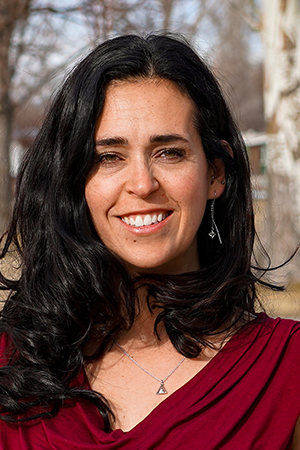
Elizabeth Davis is an Extension Associate Professor at Utah State University (USU) and serves as the Kane County Director. She works in the Home and Community Department, focusing on youth development, STEM education, and family engagement activities. Education: MS in Family Consumer and Human Development (Adolescent Focus), Utah State University (2010) Research Interests: Social-emotional learning for youth Integrating STEM into family and community settings Improving college and career readiness Enhancing relationships through educational programs Publications: Her work includes peer-reviewed articles on behavioral medicine, STEM curriculum development, and technical reports on relationship-building initiatives. Key themes span youth development, educational outreach, and health interventions. Scientific Awards: 2nd Place Marketing Public Relations (2021) Excellence in 4-H STEM Programming (2021) Extension Innovator Award (2021) 1st Place Innovative Program (2021) Marketing/Public Relations Award (2020) Achievement of Service Award (2020) Innovative Program Award (TEAM) (2020) Grants & Teams: She contributes to Utah State University Extension projects, including the Hidden Gems adventure guides and 4-H STEM programming. Her work emphasizes community-based learning and health outcomes.
Professor Roy Pea is the David Jacks Professor of Education & Learning Sciences at Stanford University, with a courtesy appointment in Computer Science. He served as Director of the H-STAR Institute (2007-2021) and founded Stanford’s PhD program in Learning Sciences and Technology Design. His research focuses on technology-enhanced learning, social foundations of human learning, and interdisciplinary applications of digital tools. Stanford University, School of Education Graduate School of Education Department Courtesy appointment in Computer Science His work spans complex domains like concussion education, climate change learning, and AI-driven mental health interventions. He co-authored the 2010 National Education Technology Plan and co-edited key texts including Video Research in the Learning Sciences and AI in Education . His NSF-funded LIFE Center (2004-2014) advanced learning science theories. Recent publications address: (1) linguistic framing of concussions and reporting behavior, (2) AI chatbots for mental health, (3) "engineering fiction" to reduce climate change abstractness, and (4) immersive AR/LLM learning experiences. His research integrates data science, psychology, and educational technology. Fellow, American Academy of Arts and Sciences (2019) Inaugural Fellow, International Society of the Learning Sciences (2018) Honorary Doctorate, The Open University (2018) Best Bridging Paper, EDM 2014 LAK13 Best Paper Award (2013) Roy mentors doctoral and master’s students in learning sciences, advising on topics related to technology, cognition, and equity. He contributes to digital education policy through roles on advisory boards for organizations like NSF, NIH, and the Joan Ganz Cooney Center. His patents include methods for digital video analysis and collaborative learning systems.
Associate Professor Sally Ann Nathan is a public health social scientist at the School of Population Health, UNSW Sydney, specializing in youth and vulnerability, drug and alcohol treatment for young people, and community engagement in health service development. She actively partners with non-government organizations, including the Aboriginal Community Controlled Health Sector, to improve health equity for young people and marginalized communities. Her educational background includes a PhD (awarded 2013), Master of Public Health (1996-1999), and Bachelor of Science (Psychology) with Honours (1985-1988), all from the University of New South Wales. Professor Nathan's research program is characterized by innovative use of multiple methods to examine complex psychological, behavioral, community, and socio-political change. Her work focuses on consumer/community participation in health service decision-making, advocacy by the non-government sector, capacity building for health development, refugee settlement, Aboriginal health and wellbeing, and adolescent drug and alcohol treatment. She has published 74 peer-reviewed articles with an H-index of 23 and has secured over $4 million in research grants, including $2.6 million in Category 1 grants. Her research has significant impact across refugee health, Aboriginal health services, youth drug treatment, and community engagement. Recent publications demonstrate methodological diversity with emphasis on mixed methods approaches, data linkage studies, and participatory research with vulnerable populations. 2024 UNSW School of Population Health Excellence in HDR Mentoring 2020 Australian Therapeutic Communities Association Excellence in Research and Evaluation award 2019 UNSW Vice Chancellors Award for Excellence in Teaching Multiple awards for research supervision excellence (2018) Professor Nathan currently supervises six higher degree research students across diverse topics including mental health for psychosocial workers working with refugees, health policy evaluation in rural Australia, and Aboriginal experiences accessing rheumatology services. Her previous students have completed research on NGO drug and alcohol treatment performance measurement, teaching Aboriginal health in public health education, and adolescent health services. She convenes Foundations in Public Health & Health Systems and Qualitative Research Methods courses in postgraduate programs at UNSW.
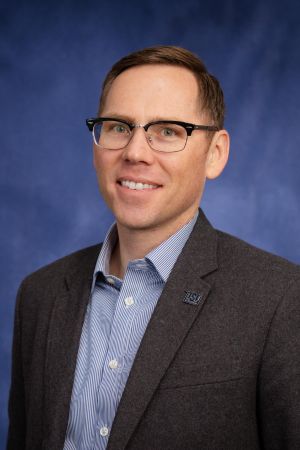
Justin Jenson serves as a Lecturer in the Animal, Dairy and Veterinary Sciences Department within the S.J. and Jessie E. Quinney College of Agriculture and Natural Resources at Utah State University. He concurrently holds the position of Dairy Youth Specialist in the university's Extension Programs, with primary responsibilities spanning Dairy Production, Animal & Dairy Veterinary Sciences, and Animal & Poultry Health outreach initiatives across Utah. His professional focus centers on applied dairy science and animal husbandry, emphasizing youth development programs in agricultural education. He develops extension curricula for 4-H and FFA dairy youth competitions while promoting best practices in dairy herd management, calf rearing, and poultry health protocols. His work bridges academic research with practical implementation for commercial dairy operations and agricultural educators. Dr. Jenson operates through Utah State University Extension, delivering statewide workshops on dairy production efficiency and youth livestock program development. His outreach coordinates with county extension offices to support dairy youth specialists and implement science-based management techniques for Utah's dairy industry, which ranks among the top milk-producing states nationally.
Dr. Paul Hill is a tenured Extension Professor at Utah State University's College of Agriculture and Applied Sciences, serving as the Washington County Director and founder of the Remote Online Initiative (ROI) established in 2018. His work focuses on connecting rural communities to remote work and e-commerce opportunities through innovative Extension programming that has expanded across all Utah counties and ten additional states. His educational background includes: PhD in Career and Technical Education (Distributed operations, leadership, diffusion of innovations) from Utah State University (2021) MBA in Leadership (Statistics, Marketing) from Southern Utah University (2011) BS in Business Administration (Leadership, Statistics, Marketing) from Utah Tech University (2009) Dr. Hill's research centers on remote work adoption as a modern workplace practice, with significant contributions to community, workforce, and economic development in rural areas. His work bridges leadership theory with practical applications for remote workforce development, creating measurable impacts on rural economic prosperity. His research demonstrates how technology adoption can transform traditional rural economies through remote work opportunities and e-commerce platforms. His publication record shows a clear progression from foundational work in STEM education and 4-H programming to increasingly sophisticated research on remote work adoption and its socioeconomic impacts. Recent publications focus on cutting-edge topics including generative AI applications in Extension, remote work satisfaction metrics, and evaluation frameworks for professional development events. His work consistently addresses practical challenges in rural community development through evidence-based approaches. Dr. Hill's scientific recognition includes: Utah Governor's Medal for Science and Technology (2015) Forty Under Forty Award from Utah Business Magazine (2021) Numerous national awards from seven different national associations totaling over 20 honors Multiple National Winners from the National Association of Community Development Extension Professionals As founder of the Rural Online Initiative, Dr. Hill has secured state and federal funding that has measurably increased incomes and improved quality of life for rural residents. His programming has received recognition for innovation, creativity, and community impact, with particular strength in developing practical solutions for rural workforce challenges. He has led numerous teams that have earned awards across multiple categories including educational technology, community development, and program innovation. Dr. Hill directs the Rural Online Initiative, which has become a model for rural workforce development across multiple states. His work integrates community asset mapping with technology adoption strategies to create sustainable economic pathways for rural communities. The initiative has evolved from local programming to a multi-state effort demonstrating significant impact on rural economic development through remote work opportunities.
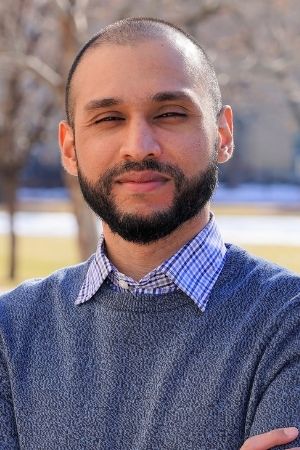
Lendel Narine serves as an Extension Associate Professor within the Youth Programs Department at Utah State University Extension, based at the Logan Campus. His role centers on evaluation and reporting for statewide extension initiatives, focusing on evidence-based program development and impact assessment across Utah's diverse communities through rigorous methodological frameworks. Dr. Narine's educational foundation includes: PhD in Agricultural Education and Communication, University of Florida (2018) MS (M.Phil.) in Agricultural Economics, The University of the West Indies (2013) BS in Agribusiness Management, The University of the West Indies (2010) His research specializes in quantitative evaluation methodologies including competency modeling, outcome metrics, and cost-benefit analysis, with growing emphasis on behavior change mechanisms and diversity-integration frameworks. He applies the Ranked Discrepancy Model extensively for needs assessment in agricultural and youth programming contexts. Analysis of his 2024-2025 publications reveals three dominant research trajectories: food/financial security programming in Utah communities, innovative evaluation frameworks for extension services, and workforce development through emerging technologies like AI. These works consistently employ advanced statistical methods to address critical issues including climate adaptation and health disparities. His award portfolio features 13 major honors including: Distinguished Team Award (2023) Susan Barkman Award for Research and Evaluation (2023) Outstanding Article of the Year (2020) Visionary Leader Award (2020) Best Research Poster (2019) Early Career Service (2021) New Specialist Award (2022) Excellence in 4-H Citizenship Programming (2023) Communication Award: Educational Publication (2022) Florence Hall Award (2022) Innovative Program (2022) Don Dean Felker Financial Management Award (2023) Excellence in Workforce Development Programming (2023) Dr. Narine advises graduate students through ongoing mentorship since 2019 and has evaluated USU Extension's internal funding mechanisms including the mini-grant program. His grant leadership spans civil rights compliance initiatives and Western regional evaluation capacity building projects addressing organizational advancement and diversity metrics. He actively directs multiple extension teams including the Climate Adaptation Intern Program, CORE Professional Development, and Civil Rights Compliance initiatives, while contributing to multi-state collaborations on leadership development and generative AI applications in extension education through the Western Extension region.
Dr. Christopher Ryan Akers serves as an Extension Professor at Mississippi State University within the College of Agriculture and Life Sciences. His expertise spans youth development through 4-H programs, emergency management, and counseling in higher education settings, with emphasis on crisis response and community preparedness. His academic credentials include: Doctor of Philosophy (Ph.D.) in Counseling & Personnel Service from the University of Georgia Master of Science (M.S.) in Counselor Education from Mississippi State University Bachelor of Arts (B.A.) in Psychology from Delta State University Bachelor of Science (B.S.) in Biology from Delta State University Dr. Akers' research centers on trauma impacts on campus professionals , youth preparedness initiatives , and diversity practices in student affairs . His work bridges counseling psychology with practical emergency management strategies, particularly focusing on how traumatic events affect housing staff and how to build resilient campus communities through inclusive leadership. His publications from 2004-2009 reveal consistent themes in higher education crisis management, with evolving focus from campus trauma responses toward youth preparedness frameworks that later informed national strategies. The research demonstrates methodological diversity across qualitative case studies and policy analyses in student affairs journals. Notable recognitions include: White House Champion of Change (2014) FEMA Individual and Community Preparedness Awards for Youth Preparedness (2014, 2017) National Association of Extension 4-H Agents National Award (2019) USDA NIFA Visiting Scholar (2019) University of Georgia Outstanding Alumni Award (2021) He directs federally funded extension programs training youth in emergency response while mentoring graduate students in community resilience initiatives. His grant portfolio includes FEMA and USDA projects developing the National Strategy for Youth Preparedness Education. Dr. Akers co-leads the Extension Disaster Education Network's youth preparedness task force and serves as a FEMA Affirmer for national youth strategy implementation, collaborating with the American Red Cross and International Association of Emergency Management on community resilience frameworks.
Shannon Cromwell serves as an Extension Professor with Utah State University Extension in Sanpete County, specializing in youth development and family studies. Her work spans multiple areas including 4-H youth programs, relationship education, nutrition education, and STEM engagement for families. She is actively involved in community outreach programs that connect schools, families, and communities through evidence-based educational initiatives. Extension Professor, Sanpete County, Utah State University (2011-present) Specializes in Home and Community programs with focus on youth development Coordinates 4-H programs and family relationship education initiatives Dr. Cromwell holds an MA in Human Development and Family Studies from the University of Missouri (2010) with a focus on Family Studies, and a BS in Family Studies and Human Services from Kansas State University (2000). She has also completed numerous professional certifications including Youth Mental Health First Aid (2019), Infant & Child CPR and First Aid (2018), and Master Food Preserver Certification (2011). Her research interests center on youth development through 4-H programs, strengthening interpersonal relationships, and integrating STEM education into family engagement activities. She has developed numerous curricula focused on social-emotional learning, healthy living, and family relationship education. Her work emphasizes practical applications that address community needs, particularly in rural settings, with a focus on improving protective factors among youth and strengthening family bonds through educational interventions. Analysis of her recent publications reveals a strong emphasis on social-emotional learning in afterschool settings, innovative approaches to family engagement in STEM education, and creative methods for strengthening family relationships. Her work consistently bridges research and practice, developing accessible educational materials that address contemporary challenges in youth development and family education. The Hidden Gems series represents a significant contribution to family education, offering practical activities that promote communication and bonding. Excellence in Afterschool Programming, Western Region Winner (2024) Faculty of the Year, Utah Association of Extension 4-H Youth Development Professionals (2023) Mid-Career Service Award (2022, 2023) Jim Kahler Excellence in Science, Technology, Engineering, and Mathematics (2021) Communications Award for Live Well Utah Blog (2016) Dr. Cromwell has received consistent recognition for her innovative programming and community impact, particularly in the areas of youth development and family education. Her work with the Hidden Gems curriculum and STEM family engagement initiatives has been particularly noted for its creativity and effectiveness. She has secured funding for various extension programs focused on youth development, relationship education, and nutrition education, with a strong emphasis on reaching rural communities through accessible, evidence-based approaches. She coordinates the Sanpete County 4-H programs and has developed several notable initiatives including the Hidden Gems Adventure Guides series, Family STEM Nights, and the Food Sense Nutrition Education Program. Her work often involves collaboration with local schools, community organizations, and other extension professionals to create comprehensive programs that address multiple aspects of youth and family well-being.
Justen Smith is an Extension Professor and Director of the Agriculture and Natural Resources Department at Utah State University's Davis County Extension Office. He has dedicated his career to international agricultural development, youth education through 4-H programs, and livestock management education, with projects spanning Iraq, Lebanon, and Armenia. His work focuses on post-war recovery, volunteer training, and culturally inclusive educational initiatives. Educational Background: MS in Agricultural Systems Technology (Animal Science and International Agricultural Development), Utah State University, 2000 BS in Animal Science (Minor in Spanish), Utah State University, 1998 Smith’s research emphasizes agricultural extension , 4-H youth programs , and livestock industry education . His publications highlight measurable impacts of extension programs in conflict-affected regions and innovative approaches to urban extension funding. Scientific Awards and Honors: Continued Excellence Award (Epsilon Sigma Phi), 2022 Meritorious Service Award (National Association of Extension 4-H Youth Development Professionals), 2021 Distinguished Service Award (Epsilon Sigma Phi), 2020 International Service Award (National Epsilon Sigma Phi Association), 2015 Distinguished Service Award (National Association of Extension 4-H Agents), 2007 President Award (Utah Association of Extension 4-H Workers), 2008
Chad Carr is a Professor and State Extension Meat Specialist at the University of Florida's Animal Sciences Department. He grew up on a diversified livestock operation in Tennessee and holds a B.S. and M.S. in Animal Science from Oklahoma State University, along with a Ph.D. in Animal Science from the University of Missouri, specializing in meat science. His research focuses on livestock production systems, carcass quality evaluation, and youth livestock education programs. He actively engages in extension work to enhance meat quality and animal welfare practices. His educational background includes: Bachelor’s in Animal Science, Oklahoma State University Master’s in Animal Science, Oklahoma State University Ph.D. in Animal Science (Meat Science specialization), University of Missouri Research interests span meat science innovations, livestock nutrition impacts on carcass traits, and optimizing extension programs for youth livestock competitions. His work emphasizes bridging scientific research with practical applications for farmers and consumers. Publications highlight trends in livestock judging methodologies, meat quality assessment, and animal handling protocols. Recent work addresses pork and beef quality metrics, youth educational curricula development, and stress management in livestock transport. No scientific awards are explicitly listed, but his contributions to extension education and meat science are notable. He has advised numerous youth programs but no formal students are listed here. Labs/teams: His work is primarily field-based through University of Florida Extension, focusing on applied livestock science solutions for producers and consumers.
Dr. Betsy Greene is a Professor and Extension Horse Specialist in the Department of Animal and Comparative Biomedical Sciences at the University of Arizona, College of Agriculture and Life Sciences. She has held this position since 2015, following previous extension roles at the University of Vermont (2000–2015) and Washington State University (1993–2000). Her work is deeply rooted in cooperative extension, focusing on equine health, safety, youth education, and biosecurity. Ph.D., Animal Science, Kansas State University M.S., Animal Science, University of Arizona B.S., Animal Science, Morehead State University A.A.S., Veterinary Technology, Morehead State University Dr. Greene's research and extension interests center on equine science, biosecurity, nutrition, pasture management, and youth agricultural education. She emphasizes practical, community-based applications, particularly through 4-H and tribal extension programs. Her work bridges scientific research with outreach, focusing on preventive care, disaster preparedness, and environmental sustainability in equine operations. She has developed innovative educational tools, including the 'Barn Smarts for Biosecurity' series, which uses humor and visuals to improve horse owner knowledge. Her recent publications and creative works reflect a strong trend in digital and accessible education, with a focus on biosecurity, equine health monitoring, and online learning effectiveness. Many of her articles address practical challenges such as sand colic, rabies prevention, and shade use in desert environments, demonstrating a commitment to regionally relevant, impactful science communication. Heart of Extension Award, University of Arizona, 2021 NAE4HYDP Excellence in Animal Science Award, 2021 NACAA Search for Excellence in 4-H Programming Award, 2021 Equine Science Society Fellow, 2017 JCEP Professional of the Year, 2015 ASAS/ESS Equine Science Award, 2013 Dr. Greene has advised undergraduate honors students through ACBS 498H and has led numerous funded extension projects, including those with eXtension and the USDA Multistate Project NE-1041 on environmental impacts of equine operations. She has collaborated widely with state agencies, veterinary partners, and tribal communities to develop educational resources. Her leadership in the 'Extension Horses, Inc.' initiative during the pandemic highlights her adaptability and commitment to supporting the equine industry through crises. She leads and contributes to interdisciplinary teams such as the 'AZ Cooperative Extension Fusion Project' and has developed multimedia educational content including podcasts ('Tack Box Talk'), YouTube videos ('AZ 4-H Ag at Home'), and interactive webinars. Her work with tribal extension programs (Navajo, San Carlos, Hualapai) underscores a deep commitment to equity and community engagement in agricultural education.
Jennifer P. Agans is an Associate Professor in the Department of Recreation, Park, and Tourism Management at The Pennsylvania State University, affiliated with the Prevention Research Center (PRC). Her work supports the center's focus areas: Foundational Science, Promoting Human Flourishing, and Developing and Testing Innovative Interventions. Developmental Periods: Adolescence, Early Adulthood Level of Analysis: Individuals Her research examines adolescent and young adult experiences in sport and recreational contexts, emphasizing links to lifelong positive development and health. Key themes include: Youth program evaluation methodologies Barriers to healthy leisure activities Circus arts applications in positive youth development Collaborative practitioner-researcher partnerships Current initiatives feature the Exploration of Benefits of the Circus Arts for Positive Youth Development and research on college student leisure barriers (featured October 18, 2023). Scientific awards are not documented in available materials. Advising and grants reflect applied work with youth organizations: Positive Coaching Alliance evaluations American Youth Circus Organization / American Circus Educators Association partnerships New York State 4-H program assessments Labs and teams center on PRC Penn State's interdisciplinary prevention science framework, integrating community-based program evaluation with developmental research.
Dr. Jon Ramsey is a Professor in the Department of Agricultural Education, Communication & Leadership at Oklahoma State University. He holds a PhD, MS, and BS in Agricultural Education from Oklahoma State University. His research focuses on experiential learning in agricultural education, teacher induction, and professional development of agricultural educators. He has received numerous awards, including the Oklahoma State University Award for Academic Advisement and the Distinguished Agricultural Educator Award. Dr. Ramsey teaches courses such as AGED 3101: Laboratory and Clinical Experiences and AGED 4200: Student Teaching in Agricultural Education. He has led grants including the USDA-funded ‘An Alternative Approach to Preparing Teachers to Develop a New Generation of Agricultural Leaders.’ Education: PhD in Agricultural Education, Oklahoma State University (2009) MS in Agricultural Education, Oklahoma State University (1997) BS in Agricultural Education, Oklahoma State University (1986) Recent Grants: USDA Grant: An Alternative Approach to Preparing Teachers (2024–2027) Turf Management Curriculum Development (2022–2025) Assessment of Teacher Wellness (2020–2021) His research emphasizes bridging theory and practice in agricultural education, with a focus on teacher support and program effectiveness. He has advised numerous graduate students and contributed to curriculum development for secondary and adult agricultural education programs.
Dr. D. Barry Croom is a Professor in Agricultural Leadership, Education & Communication at the University of Georgia’s Tifton Campus, part of the College of Agricultural & Environmental Sciences. With over 30 years of experience, he has held roles including high school teacher, Extension associate, and Department Head at Oregon State University. His expertise spans agricultural education policy, effective teaching methodologies, and diversity initiatives. Education: He earned a Doctor of Education (1999) from North Carolina State University with a focus on educational leadership, preceded by a Master of Education (1992) and Bachelor of Science (1986) in Agricultural Education. He also holds an Associate of Arts in Pre-Education (1984). Research Interests: Croom focuses on teacher effectiveness, career and technical education policy, and diversity in agricultural education. His work emphasizes experiential learning, program evaluation, and youth development through initiatives like FFA and 4-H. He has authored two textbooks and over 40 peer-reviewed publications. Awards: Notable recognitions include the Alumni Distinguished Undergraduate Professor title at NC State and the Honorary American FFA Degree. His outreach efforts include leadership roles with the Oregon Team AgEd Board and North Carolina Farm Bureau Institute. Teaching & Leadership: He has taught over 30 courses at undergraduate and graduate levels, covering leadership, instructional methods, and program planning. His current role at UGA emphasizes agricultural education program leadership and curriculum development. Publications: His recent research explores farmer perceptions of extension services, stress mitigation strategies, and barriers faced by underrepresented groups in agriculture. He also investigates the historical foundations of agricultural education and modern policy challenges.
Deb Warnock is an Associate Professor at Oregon State University, affiliated with the School of Human Development and Family Sciences and the OSU Extension Service. She specializes in food security, home food preservation, nutrition, and youth education. Her work emphasizes community-based initiatives like the Wallowa County 4-H program and SNAP-Ed nutrition outreach. Affiliations: Wallowa County Extension Service, OSU Extension Service, 4-H Youth Development. Programs: Wallowa County 4-H, Walk With Ease, Nutrition Education and Outreach (SNAP-Ed). Research focuses on practical solutions for food security, promoting healthy eating, and fostering youth development through collaborative community programs.