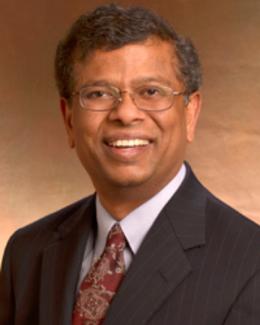
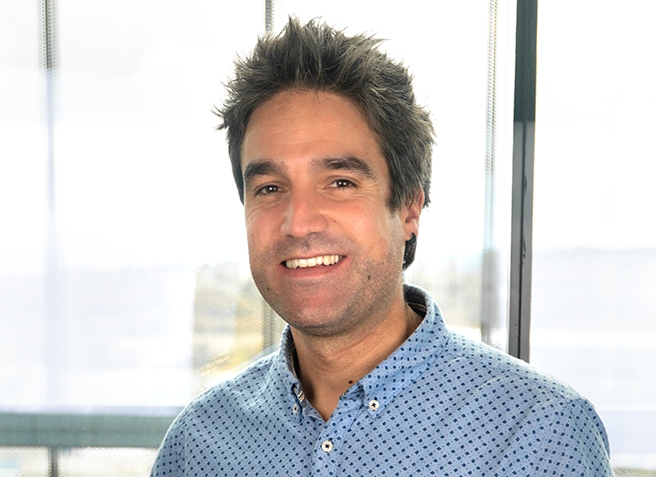
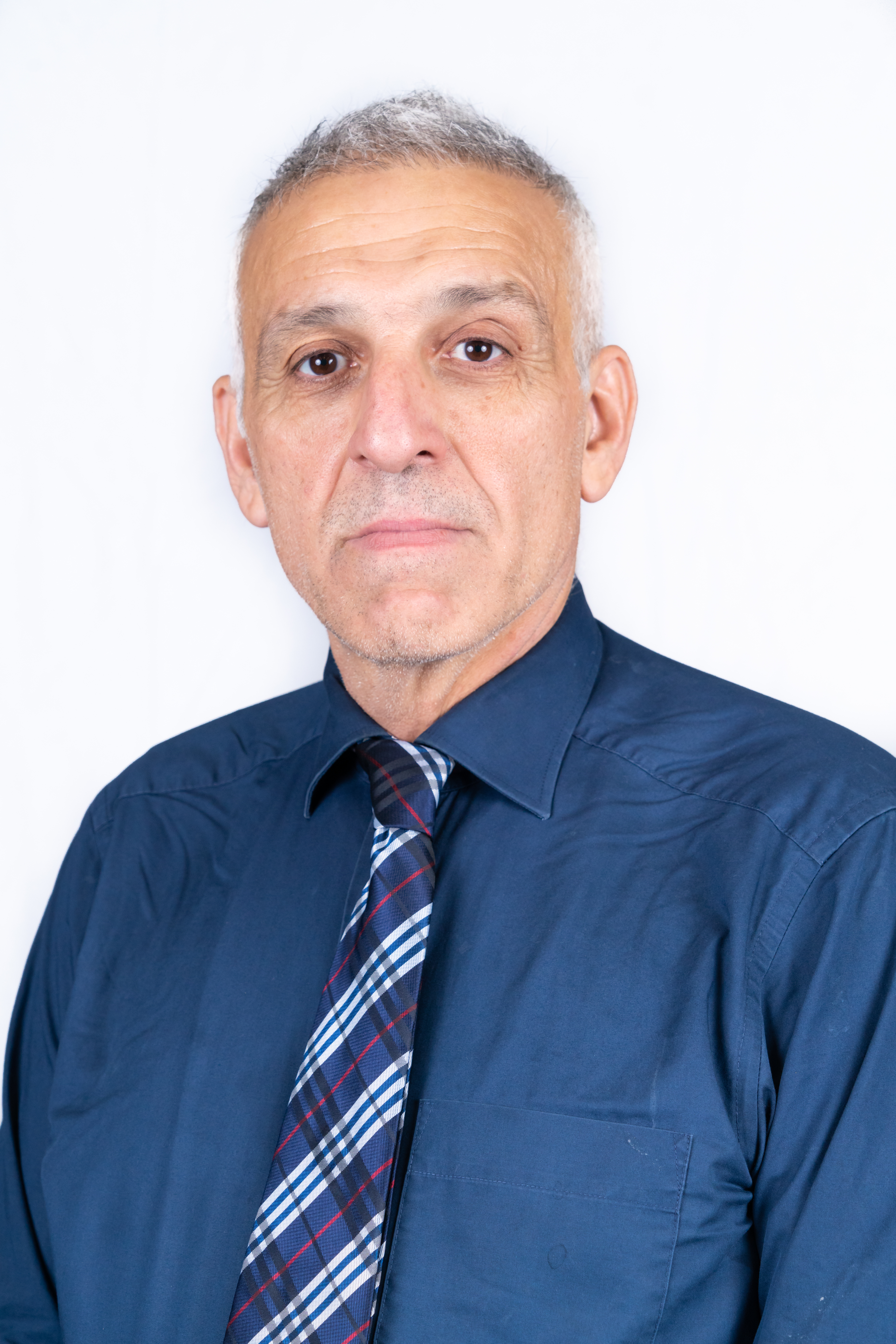
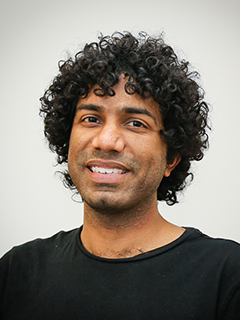
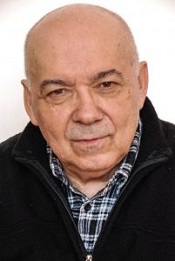
Deniz Cizmeciyan-Papazyan is a Professor of Chemistry at Mount Saint Mary’s University . She earned her B.S. from Bogazici University (Istanbul), Ph.D. from Penn State University, and completed postdoctoral fellowships at UCLA (1994-1996) and Caltech (1996-1998). Research interests include computational chemistry , NMR theory , and enantiomeric interactions in zeolites . Current work focuses on molecular dynamics (MD) simulations of amino acid adsorption in zeolites to explore enantiomeric enrichment mechanisms. Collaborates with Dr. Alan Benesi on NMR theory and Dr. Arno Papazyan on computational projects. Her publications span experimental and computational studies on methyl group dynamics , solid-state NMR , and photochemical reactions in materials like zeolites and polymers. She mentors students in interdisciplinary research, combining chemistry, mathematics, and biology, and has contributed to STEM education through presentations and leadership in the Southern California NMR community (e.g., founding SCUM meetings).
Nathalie Audebrand is a Full Professor at Université de Rennes, affiliated with the Graduate School of Engineering (École Supérieure d’Ingénieurs de Rennes) and the Institute of Chemical Sciences. Her research focuses on crystallography, X-ray powder diffraction, and the development of porous hybrid materials such as MOFs for environmental applications. She teaches in materials science and inorganic chemistry programs and leads the Materials Science diploma at ESIR. PhD in Chemical Sciences, Université de Rennes 1 (1998) Habilitation in Chemistry and Physics Sciences, Université de Rennes 1 (2004) Post-doctoral position at Max-Planck-Institute for Metal Research, Stuttgart (1998–1999) Her research interests include the synthesis and structural analysis of nanocrystalline materials, defect characterization in solids, and multi-scale analysis using XRD and NMR. She specializes in solvothermal and mechanochemical synthesis of coordination polymers and applies ab initio and Rietveld methods for structure determination. The available publications reflect a strong focus on crystallographic methods, microstructural analysis of nanomaterials, and the chemistry of porous frameworks. Trends include the application of X-ray diffraction to understand reactivity and microstructure, and the design of functional materials for storage and sensing. ICDD Ludo Frevel Crystallography Scholarship Award (1997) ICDD Ludo Frevel Crystallography Scholarship Award (1998) Nathalie Audebrand has supervised numerous research projects and has been actively involved in academic leadership, including serving on the Board of Directors at ESIR and leading international collaborations such as the CoopIC project with Chilean universities. She has also contributed significantly to the scientific community through editorial roles in specialized journals and participation in conference scientific committees. She leads research activities in porous materials and microstructural analysis, working within the Institute of Chemical Sciences. Her team focuses on the development and characterization of advanced inorganic materials using diffraction and spectroscopic techniques.
Sudarsanam Babu is the UT/ORNL Governor’s Chair of Advanced Manufacturing and Director of the Bredesen Center for Interdisciplinary Research and Graduate Education. Affiliated with the Tickle College of Engineering at the University of Tennessee, he holds joint appointments in the Department of Mechanical, Aerospace, and Biomedical Engineering and the Department of Materials Science and Engineering . His work bridges Oak Ridge National Laboratory (ORNL) expertise with academic research. Expertise: 21 years in advanced manufacturing, additive manufacturing, and computational materials modeling Labs: DOE’s Manufacturing Demonstration Facility at ORNL Research Focus spans additive manufacturing , microstructure evolution , and multi-material joining . His work addresses residual stress prediction , process optimization , and high-temperature alloy development , with applications in aerospace and energy systems. Publications highlight innovations in L-PBF , electron beam AM , and real-time synchrotron characterization . Scientific Recognition Nominated by President Trump for a six-year term on the National Science Board (2020) Collaborative Initiatives Key role in IACMI - The Composites Institute DOE Advanced Manufacturing Office support US Navy research partnerships
Joseba Orive Gomez de Segura is a Researcher at CIC energiGUNE specializing in Electrochemical Energy Storage. His career spans the University of the Basque Country (UPV/EHU), University of Chile, and Italian Institute of Technology (IIT). Current roles include postdoctoral research on the EU-funded CoFBAT project and Umicore industrial collaboration. Education: BSc in Geology (2005), University of the Basque Country PhD in Sciences (2011), University of the Basque Country His research centers on inorganic electrode materials for energy storage systems, with expertise in hydrothermal synthesis, materials characterization, and composition-structure-electrochemistry correlations. Key methodologies include X-ray diffraction (single crystal/powder), synchrotron techniques, and electrochemical analysis of battery materials. Primary focus areas are lithium-ion battery cathodes/anodes and reaction mechanism elucidation. Publication trends reveal concentrated work on vanadium-based compounds (V 2 O 5 , hydrated delta-type oxides) for lithium intercalation systems. Research emphasizes structural design of polyanionic materials, interlayer spacing modulation, and performance optimization of thin-film electrodes and hybrid composites (e.g., TiO 2 (B)/carbon nanotubes). Scientific Recognition: Fondecyt Initiation Grant (2019-) for nickel-rich oxide stabilization in LiBs Fondecyt Postdoctoral Grant (2015-2017) for polyoxoanionic cathode materials Basque Government PhD Fellowship (2006-2011) Grant leadership includes principal investigator roles for Chilean national projects (Fondecyt) and industrial collaborations with Molymet. Current research integrates EU consortium work (CoFBAT) with corporate partnerships (Umicore), focusing on next-generation battery materials. His work bridges academic research with industrial applications through the Millennium Nucleus and CIC energiGUNE frameworks. Operates within CIC energiGUNE's Electrochemical Energy Storage division, collaborating with international teams including Istituto Italiano di Tecnologia (Italy) and University of Chile researchers. Current projects emphasize scalable synthesis of cathode materials and electrode engineering for commercial battery applications.
Samuel G. Dunning serves as Assistant Professor in the Department of Sciences and Mathematics within the College of Arts and Sciences at the University of the District of Columbia, where he conducts cutting-edge research in high-pressure materials synthesis and characterization. His academic credentials include a Doctor of Philosophy in Chemistry from the University of Texas at Austin and a Master of Science in Chemistry from the University of Sheffield. Dunning's research program centers on high-pressure chemical synthesis and mechanochemical processes for developing advanced materials, with particular expertise in carbon nanothreads and metal-organic frameworks (MOFs) . He employs sophisticated analytical techniques including FTIR/Raman spectroscopy and powder/single-crystal x-ray crystallography to investigate material structures for energy storage and environmental gas capture applications. His publication record shows consistent innovation in nanothread formation pathways and functional MOF development, demonstrating strong integration of materials chemistry, high-pressure physics, and structural characterization methodologies across recent high-impact journals. Key recognitions include: Postdoctoral Fellow in Chemical Sciences, Arnold and Mabel Beckman Foundation (2022-2024) Postdoctoral Fellow, Carnegie Institution for Science (2021-2024) IUCr Young and Early Career Scientists Award, International Union of Crystallography (2022) Dunning currently directs research funded by the Arnold and Mabel Beckman Foundation grant "Weaving diamond nanothreads into multidimensional porous polymers" (2022). While no formal graduate students are documented, his teaching portfolio in organic and general chemistry courses indicates active undergraduate mentorship. His laboratory maintains specialized capabilities for high-pressure synthesis and materials characterization at UDC's Van Ness Campus.
Dr. Klaudio Bari is a Senior Lecturer at the University of Wolverhampton , affiliated with the School of Engineering in the Faculty of Science and Engineering . His expertise spans lightweight materials for aerospace and biomedical applications, material microstructure characterization , and forensic analysis of engineering failures. He specializes in advanced techniques like optical microscopy , X-ray diffraction , and CFD/FEA simulations . PhD, MSc, BEng (Hon), PGCert Chartered Engineer (CEng), Fellow of IMECHE, FHEA Research interests include: Lightweight Material Selection for aerospace and automotive engineering Forensic Analysis of failed mechanical components Multi-scale Modeling using Abaqus CAE , Ansys , and SolidWorks Additive/Subtractive Manufacturing for biomedical implants and industrial parts Dr. Bari's publications focus on computational modeling, material testing, and failure analysis in aerospace and biomedical systems. His scientific awards include: Chartered Engineer (CEng) status Fellowships with IMECHE, American Society for Metals, and Higher Education Academy He collaborates with industry leaders such as Renishaw PLC (DMLS 3D printing), Atlas Copco (X-ray tomography), and Basaltex (composite materials).
Dr. Thomas George Woodcock is a Research Fellow at the Leibniz Institute for Solid State and Materials Research Dresden (IFW Dresden) within the Magnetic Materials Group. His work focuses on the interplay between material microstructure and functional properties, particularly in magnetic materials. Education : Master's in Materials Science and Engineering from the University of Sheffield, PhD in Materials Science from the University of Birmingham. Employing multi-scale characterization techniques such as aberration-corrected TEM/STEM, EBSD, and synchrotron diffraction, he investigates atomic-scale interfaces, grain-level phenomena, and magnetic domain structures. His recent publications emphasize permanent magnet development, computational data analysis, and phase stability in MnAl-C and Ni-Mn-Ga systems. Scientific contributions include: Marie Curie Postdoctoral Fellowship Editorial Assistant for Journal of Alloys and Compounds (2010-2020) Co-organizer of nanomagnetism symposia Program committee member for major magnetism conferences He actively contributes to Python-based data analysis tools and micromagnetic modeling, advancing sustainable magnet technologies without rare-earth elements.
FUKUDA Koichiro is a Professor at the Department of Life and Applied Chemistry , The University of Tokyo. Holding both a Master's and Doctorate in Science from the same institution, his career spans decades of contributions to materials science, particularly focusing on inorganic materials , oxyapatite structures , and solid-state ionics . Education: Master (Science) and Doctor (Science) from The University of Tokyo (completed 1984-1986) Professional Memberships: American Ceramic Society, Ceramic Society of Japan, Chemical Society of Japan, Japan Crystallographic Association His research centers on novel inorganic compounds with applications in energy and electronics. Recent work explores lanthanum silicate oxyapatite , calcium ion conduction anisotropy , and iron-doped cementitious materials , using advanced diffraction and microscopy techniques. Key trends in his publications include: Development of textured ceramic structures via reactive diffusion Investigation of one-dimensional ion conduction in cuspidine-type compounds Crystallographic analysis of complex oxides like Gd8Ba5Co4O21 and TmFe2O4 Scientific Recognition: 2017: Ceramic Society of Japan Fellow Award 2014: 69th Ceramic Society of Japan Academic Award 1997: Ceramic Society of Japan Progress Award 1989: Japan Mineralogical Society Encouragement Award
Dr. Ioan-Alexandru Turza serves as a Beginner Researcher (R1) at the National Institute for Research and Development of Isotopic and Molecular Technologies (INCDTIM) in Cluj-Napoca, Romania, within the Department of Advanced Materials, Energy and Technologies, and is concurrently a PhD candidate in Physics at Babeş-Bolyai University. His academic background includes: BSc in Physics (Solid State Physics) from Babeş-Bolyai University (2014) Ongoing PhD studies in Physics at Babeş-Bolyai University Turza's research specializes in structural characterization of advanced materials using X-ray diffraction on crystalline powders and single crystals, small-angle X-ray scattering, and polymorphism analysis. His work focuses on porous materials and carbon nanostructures, contributing to energy applications and nanotechnology development through precise material property assessment. As a core member of INCDTIM's Porous Materials and Carbon Nanostructures research group, he operates from Building C, X-ray Diffraction Laboratory (Room 0.06), utilizing specialized equipment for material analysis while advancing Romania's capabilities in advanced materials research.
Dr. Hande Öztürk is an Assistant Professor in the Department of Mechanical Engineering at Özyeğin University since August 2018. She specializes in computational analysis of X-ray diffraction from nanomaterials, with a focus on developing data analysis tools and experimental methodologies. Her academic journey includes a PhD in Materials Science and Engineering from Columbia University (2015), an M.S. in Mechanical Engineering from Boston University (2009), and a dual undergraduate degree in Mechanical Engineering and Physics from Boğaziçi University (2007). Education Doctorate: Materials Science and Engineering, Columbia University (2015) Master's: Mechanical Engineering, Boston University (2009) Bachelor's: Mechanical Engineering & Physics, Boğaziçi University (2007) Her research focuses on powder diffraction , X-ray diffractive characterization methods , and theory of diffraction from nanomaterials . She has contributed to advancements in computational algorithms for characterizing nanocrystalline materials and experimental designs for X-ray imaging of nanoparticles smaller than 20 nm. Prior to joining Özyeğin University, she worked as a postdoctoral research associate at Brookhaven National Laboratory (2016–2018) and as a lecturer/postdoctoral researcher at Columbia University (2015–2016). Dr. Öztürk's work bridges computational modeling with experimental X-ray techniques, emphasizing the structural analysis of nanoscale materials. While her publications are not detailed here, her research aligns with materials science , nanotechnology , and computational physics . She has no listed scientific awards in the provided texts. Labs & Collaborations Hard X-ray Nanoprobe beamline group, Brookhaven National Laboratory (2016–2018) Özyeğin University Mechanical Engineering department (2018–present)
Dr. Ivan Halasz is Senior Scientist and Head of the Laboratory for Solid-State Synthesis and Catalysis at the Ruđer Bošković Institute (RBI) in Zagreb, Croatia. Operating within the Division of Physical Chemistry, he leads a vibrant group that pioneers solvent-free, mechanochemical approaches to materials and organic synthesis, develops real-time monitoring techniques, and explores green synthetic routes to pharmaceuticals and energy-storage materials. Research Focus Mechanochemistry & Solid-State Reactivity : fundamental investigations of milling-induced reactions, cocrystallization, C–H activation, and MOF assembly. In-Situ Monitoring : coupling Raman spectroscopy and synchrotron powder X-ray diffraction to observe reactions as they happen inside the mill. Green & Pharmaceutical Synthesis : solvent-free preparation of APIs, cocrystal polymorph control, and scalable mechanochemical extrusion. Energy & Functional Materials : synthesis of bimetallic amidoboranes for hydrogen storage, graphene-based conductive inks, and novel MOFs. Scientific Output at a Glance Across >150 peer-reviewed articles (2013–2025) in JACS , Angewandte Chemie , Nature Chemistry , Chemical Science , and ACS Sustainable Chemistry & Engineering , Halasz has systematically advanced mechanistic understanding of mechanochemical processes. His work bridges physical chemistry, materials science and pharmaceutical technology, and is frequently highlighted in review journals and conference symposia. Honours & Funding Principal Investigator on three national projects: “Development of solvent-free synthesis of pharmaceutical APIs”, “New materials for energy storage”, and “Systematics of mechanisms in solvent-free solid-state synthesis”. Collaborator at the Center of Excellence for Advanced Materials and Sensors (CEMS) . Advising & Team Dr. Halasz has mentored numerous PhD, master’s and bachelor students, including Leonarda Vugrin , Stipe Lukin , Tomislav Stolar and Vedrana Stantić , who have gone on to co-author high-impact publications. He leads a fully equipped laboratory housing Raman spectrometers, powder X-ray diffractometers, planetary mills, twin-screw extruders and thermal analyzers, fostering an interdisciplinary environment that integrates synthesis, spectroscopy, diffraction and computational chemistry.
Prannoy Suraneni serves as an Associate Professor in the Department of Civil, Architectural and Environmental Engineering at the University of Miami's College of Engineering. His academic position places him at the forefront of concrete technology research with a strong emphasis on sustainable construction materials and innovative engineering solutions. Dr. Suraneni's research spans multiple critical areas in concrete science, with particular expertise in supplementary cementitious materials, sustainable alternatives for traditional concrete components, and advanced concrete processing techniques. His work addresses pressing industry challenges including carbon reduction in concrete production, durability enhancement under extreme conditions, and the development of novel construction methods like 3D concrete printing for specialized applications such as marine infrastructure. Analysis of his recent publications reveals a strong focus on sustainable concrete technologies, with particular emphasis on waste material utilization (eggshells, basaltic fines), advanced characterization of cementitious systems, and performance optimization for challenging environments. His research demonstrates consistent innovation in both fundamental material science and practical engineering applications, with significant contributions to understanding structure-property relationships in complex cementitious systems. Dr. Suraneni maintains active collaborations across multiple institutions as evidenced by his co-authorship on numerous publications. His research program addresses critical industry needs including carbon footprint reduction in concrete production, enhanced durability mechanisms, and innovative material processing techniques that push the boundaries of conventional concrete technology.
Gheorghe Borodi is a Leading Researcher (R4) at the National Institute for Research and Development of Isotopic and Molecular Technologies (INCD TIM) in Romania, where he works in the Department of Isotopic and Molecular Technologies as part of the Complex Molecular and Biomolecular Systems research team. His educational background includes: BSc in Physics/Solid State Physics (1972) from Babeș-Bolyai University, Cluj-Napoca, Romania PhD in Physics of Materials (1998) from Babeș-Bolyai University, Cluj-Napoca, Romania Dr. Borodi's research focuses on crystallography and materials science with expertise in X-ray diffraction techniques, both powder and single crystal methods. His work spans solid-state physics, crystal engineering, and supramolecular chemistry. He has made significant contributions to the structural characterization of various materials including pharmaceutical compounds, nanomaterials, and advanced composites. His research methodology combines experimental techniques with computational approaches to understand and manipulate material properties at the molecular level. His recent publications demonstrate a strong focus on polymorphism in pharmaceutical compounds, nanomaterial synthesis and characterization, environmental applications of advanced materials, and structural studies of complex molecular systems. The research spans multiple disciplines including pharmaceutical sciences, environmental engineering, and advanced materials development. Throughout his career, Dr. Borodi has been involved in several significant research projects including: Development of new tools and smart composites based on advanced nanotechnology for medical applications (2012-2016) Security paper with embedded magnetic nanoparticles (2014-2017) Improvement of manufacturing technology for lead-acid batteries (2014-2017) Issues and challenges for hydrogen storage in composites with metal-organic frameworks (2011-2016) His laboratory work primarily involves X-ray diffraction facilities for structural analysis of materials, with applications ranging from pharmaceutical development to advanced materials engineering. Dr. Borodi maintains strong collaborations with Babeș-Bolyai University and other Romanian research institutions, contributing to Romania's scientific infrastructure in materials science and crystallography.
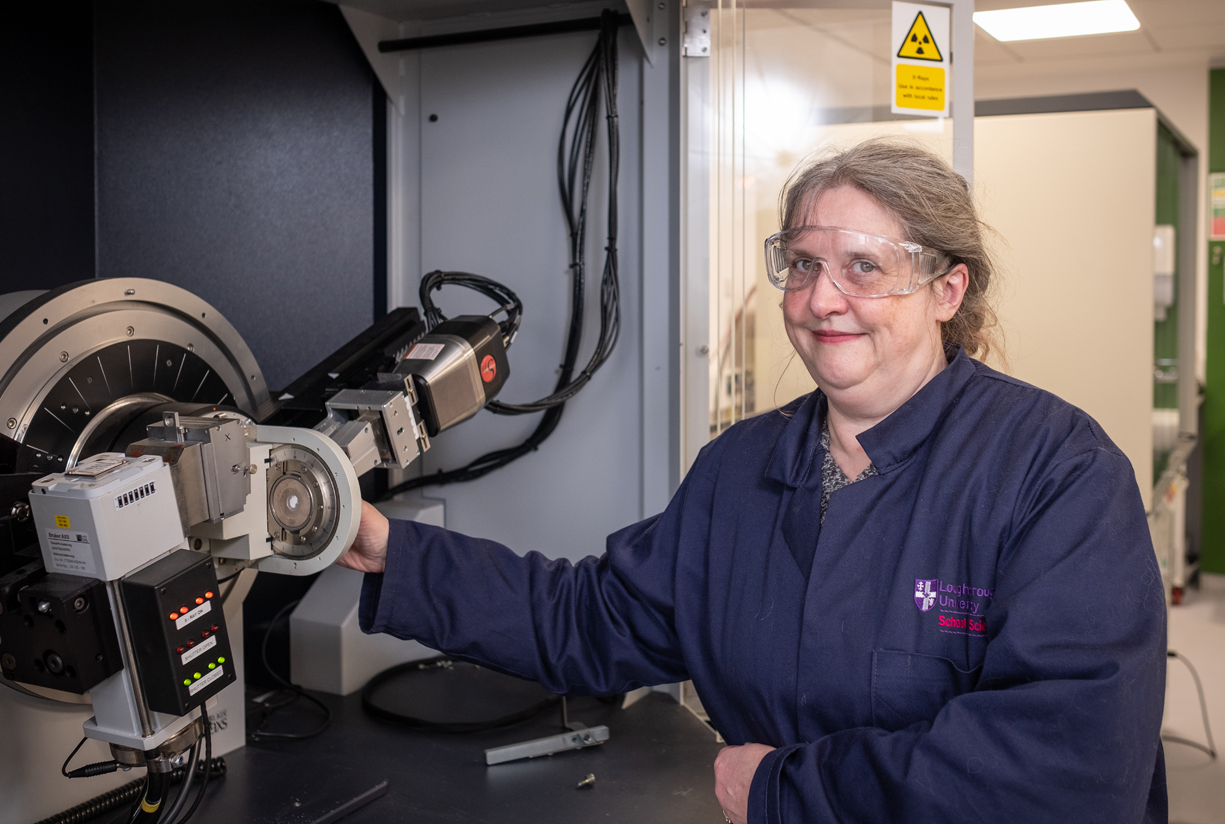
Professor Sandie Dann serves as Professor of Materials Chemistry at Loughborough University, where she has held academic positions since 1997, progressing from Lecturer to Senior Lecturer and ultimately to Chair in 2019. She leads the Powder X-ray Diffraction Consultancy and co-directs the SlowCat mini-CDT (Securing a Sustainable Future using Low Dimensional Catalysts), focusing on sustainable production of biofuels and platform chemicals from waste streams. Her educational foundation includes a BSc and PhD in Chemistry from the University of Southampton, where her doctoral research utilized high-pressure oxygen (up to 700 bar) to investigate unusual oxidation states of transition metals. This early work established her expertise in powder X-ray diffraction and advanced characterization techniques. Professor Dann's research centers on determining structure-property relationships in solid materials to enhance their physical and chemical performance. She specializes in high-temperature/pressure synthesis of oxides, sulfides, and zeolites, with applications spanning environmentally friendly pigments (including a patented tin niobium oxysulfide red-yellow pigment), waste-to-energy catalysis, and hydrogen production technologies. Her work directly supports global sustainability goals through the development of catalysts that convert waste streams into valuable fuels and chemicals. She actively promotes gender diversity in STEM as part of the Sustainable Hydrogen Centre for Doctoral Training (SusHy CDT) through the Women in Science and Engineering campaign. Her industrial collaborations include Kindeva (formerly 3M Healthcare), the National Nuclear Laboratory, and Intelligent Energy, translating academic research into practical solutions for pharmaceutical, manufacturing, and energy sectors. Her laboratory features two powder X-ray diffractometers with sample changers and high-temperature stages, a Braun glovebox, and high-pressure hydrothermal equipment, enabling comprehensive materials characterization including air-sensitive and in-situ experiments. She currently supervises PhD students within the SlowCat mini-CDT framework while maintaining an active public engagement profile through science festivals and previous initiatives like the 'Creating a Colourful Life' project.
Clifford Padgett serves as Professor of Chemistry in the Department of Biochemistry, Chemistry, and Physics at Georgia Southern University's College of Science and Mathematics, maintaining an office in Armstrong Science Center Room 2005. His academic credentials include: B.S. in Chemistry & Physics from Erskine College (1997) M.S. in Chemistry from Clemson University (1999) Ph.D. in Computational Chemistry from Clemson University (2002) Postdoctoral research at Clemson University (2003) and North Carolina State University (2003-2006) Dr. Padgett's research integrates advanced computational methodologies across multiple chemistry subdisciplines. His primary focus includes Molecular Dynamics Simulations and Ab Initio Calculations for molecular modeling, complemented by Genetic Algorithms applications in chemical systems optimization. He investigates fundamental Thermodynamics through Reaction Enthalpies computation and explores Biochemistry via Enzyme-Ligand Interactions. His Materials Science work examines Nanomaterials properties, Tribomechanical behaviors of Metals, and X-Ray Diffraction techniques for Powder Data Structure Elucidation. He teaches core chemistry sequences including CHEM 1211/1212 (Principles of Chemistry), CHEM 3401/3402 (Physical Chemistry), and specialized courses such as CHEM 4600 (X-ray Crystallography), CHEM 4940 (Scientific Glassblowing), and graduate-level Physical Chemistry (CHEM 3501/3502). Scientific Awards: No awards documented in provided materials Student advising details and research grant history are not specified in available sources, though his Google Scholar profile indicates scholarly output. Laboratory facilities and research team composition remain unmentioned in the institutional documentation.

/filters:format(webp)/prod01/channel_18/media/website/directory/cizmeciyan-d(1).jpg)