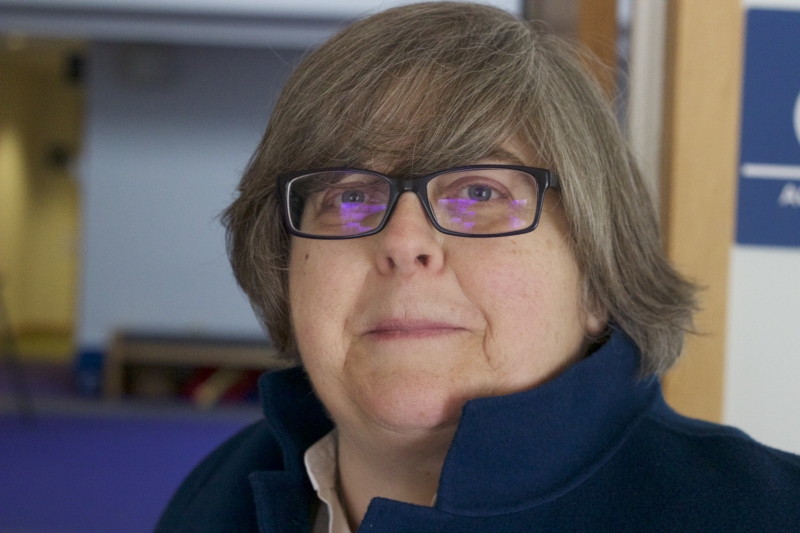
Jonathan LazarView profile
Professor
Dr. Jonathan Lazar is a Professor in the College of Information Studies (iSchool) at the University of Maryland, where he serves as Executive Director of the Maryland Initiative for Digital Accessibility (MIDA) and core faculty in the Human-Computer Interaction Lab (HCIL). He previously held a professorship at Towson University, where he founded the Universal Usability Lab and directed the information systems program. His work bridges human-computer interaction (HCI), disability rights, and legal policy to advance digital accessibility for marginalized populations, particularly blind users, individuals with cognitive impairments, and people with Down syndrome. Education: LL.M. (Disability Rights Law, University of Pennsylvania), Ph.D. (Information Systems, UMBC), M.S. (Information Systems, UMBC), B.B.A. (Management Information Systems, Loyola University Maryland). Research Focus: Dr. Lazar's work emphasizes ICT accessibility in developing countries, non-visual modalities for blind users, ballot accessibility for voters with disabilities, and legal frameworks to enforce accessibility standards. He has authored/co-authored 17 books and over 200 peer-reviewed articles, with notable contributions on accessible data visualization, automated accessibility testing, and the intersection of law and technology. Awards: Includes the ACM SIGACCESS Outstanding Contribution Award (2020), ACM SIGCHI Social Impact Award (2016), and multiple University System of Maryland Board of Regents Awards. His research has influenced U.S. federal regulations, including airline website accessibility mandates following his work on discriminatory pricing for blind travelers. Professional Service: Serves on the executive board of the Friends of the Maryland Library for the Blind, co-chairs the Cambridge Workshop on Universal Access and Assistive Technology (CWUAAT), and advises government agencies on accessibility policy. He advocates for inclusive design in public libraries, voting systems, and educational technologies. Labs & Projects: Leads the Trace R&D Center's legacy work on accessibility, co-designs health IT tools with individuals with Down syndrome, and develops tools like FormA11y for PDF accessibility remediation. His research emphasizes translating academic findings into actionable policies and practices.