Dr. Jeewanie Jayasinghe Arachchige is a Lecturer in the Department of Computer Science at Vrije Universiteit Amsterdam, Faculty of Science. She teaches undergraduate courses including Bachelor Project Computer Science, Professional Development, and Software Engineering Processes for the academic year 2024–2025. Her research focuses on process mining , healthcare informatics , and data security . She applies process mining to analyze healthcare pathways and subpopulation treatment variations, develops explainable AI frameworks for predictive analytics, and examines data governance in emerging architectures like Data Lakehouses. Her work intersects legal informatics, particularly formalizing Sri Lankan civil court processes using ontology engineering. Recent publications highlight trends in balancing simplicity and complexity in process modeling, Industry 4.0 healthcare applications, and cybersecurity in model-driven web development. She has contributed to over 20 peer-reviewed articles since 2006, spanning topics from service-oriented architectures to value network analysis. Her teaching and research emphasize practical applications of IT in healthcare, legal systems, and enterprise environments. No ancillary activities are currently recorded.
Dr. Ng How Yong is an Assistant Professor at the Department of Civil and Environmental Engineering, National University of Singapore (NUS). He specializes in membrane science and wastewater treatment technologies, with a focus on membrane fouling mitigation and bioelectrochemical systems. His research integrates membrane bioreactors, anaerobic/aerobic processes, and microbial sensors for sustainable water reclamation and industrial wastewater management. Education: BEng/MEng (Civil Engineering, NUS, 1997/2000), Ph.D. (Environmental Engineering, UC Berkeley, 2002) Research interests include membrane separation processes, microbial fuel cell-based sensors for heavy metal detection, and energy recovery from wastewater. He has pioneered advancements in anaerobic ceramic membrane bioreactors and forward osmosis technologies. Key contributions span over 50 peer-reviewed publications, focusing on optimizing biological treatment systems, understanding fouling mechanisms, and developing novel desalination processes. His work bridges fundamental science and engineering applications, addressing global water scarcity challenges. Awards: IWA Fellow (2012), NUS Young Researcher Award (2009), Singapore Youth Award (2008) Dr. Ng has led multiple international conferences, including the 8th IWA Specialist Conference on Membrane Technology (2017) and the 3rd Asia-Pacific Young Water Professional Conference (2010). He serves on editorial boards of Water Research , Journal of Water Reuse and Desalination , and the International Water Association committees.
Susan A. Murphy is the Mallinckrodt Professor of Statistics and of Computer Science at Harvard University, with affiliations to the Kempner Institute. She leads the Statistical Reinforcement Learning Lab, focusing on developing algorithms to inform sequential decision-making in health, particularly for Just-in-Time Adaptive Interventions (JITAIs) and micro-randomized trials (MRTs). Her work is funded by NIH institutes, including NIDA, NHLBI, and NIBIB. Dr. Murphy has been awarded a MacArthur Fellowship (2013) and is a member of the National Academy of Medicine (2014) and the National Academy of Sciences (2016). Her research integrates statistical methods with computer science techniques to optimize mobile health interventions. She collaborates with d3Lab and mDOT on projects like HeartSteps and Sense2Stop, evaluating real-time treatment policies. Notable contributions include advancing MRT designs, sample size calculations, and reinforcement learning algorithms for personalized healthcare. Dr. Murphy advises a large team of postdocs, graduate students, and undergraduates, many of whom hold academic and industry roles globally. She emphasizes engagement in digital interventions, balancing personalization with ethical considerations. Her lab’s work spans algorithm development, clinical trial design, and causal inference, aiming to improve health outcomes through adaptive interventions.
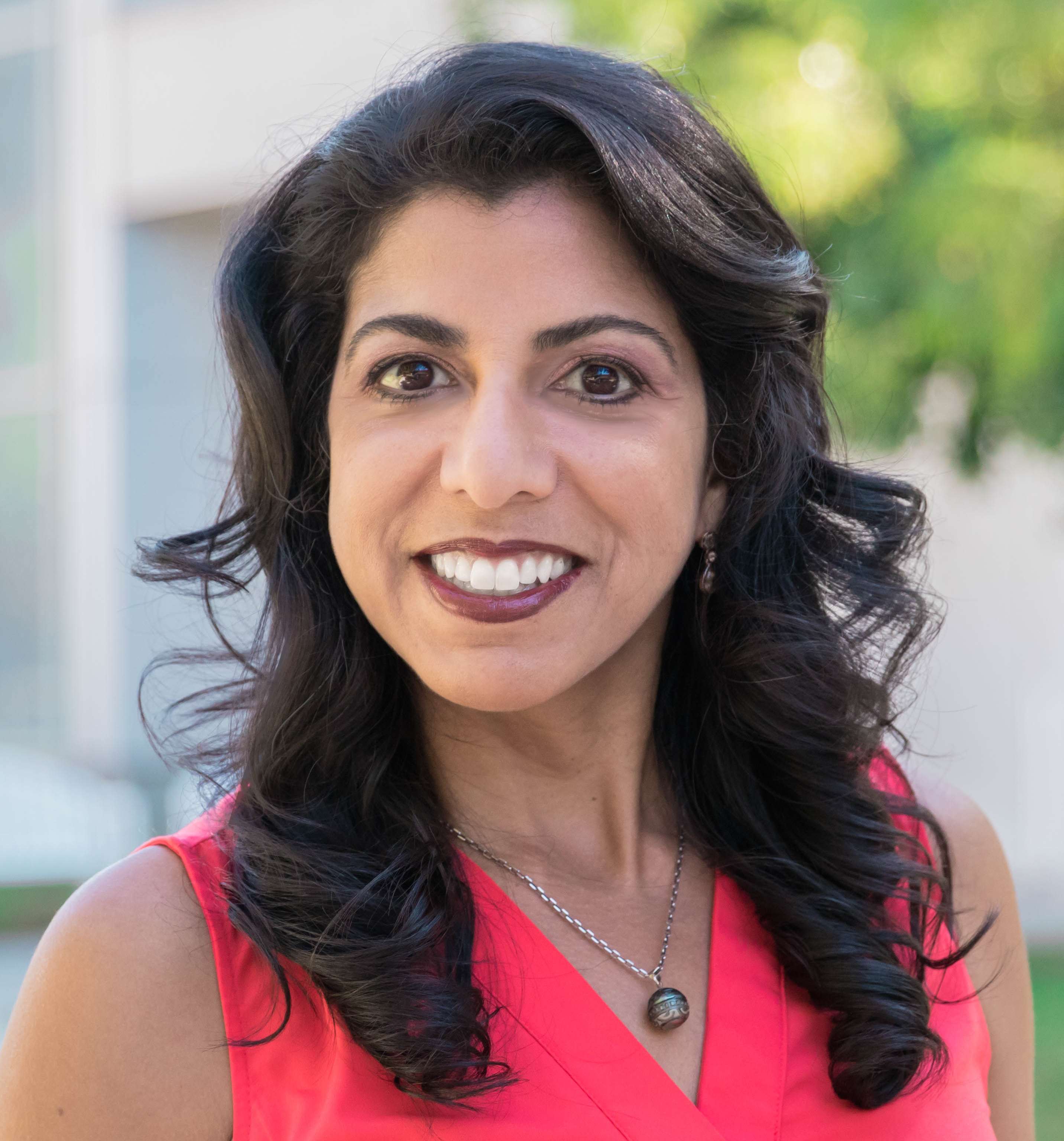
Raissa M. D'Souza is a Professor and Associate Dean of Research in the College of Engineering at the University of California, Davis. She holds joint appointments in the Department of Computer Science, Department of Mechanical and Aerospace Engineering, Graduate Group in Applied Mathematics, and Graduate Group in Physics. Her research focuses on complex networks, percolation theory, cascades, and interdependent systems, with applications to social, biological, and technological networks. She leads the Networks and Control research group and is a Founding Lead Editor of Physical Review Research . Her work spans interdisciplinary collaborations, including with the Santa Fe Institute and the Complexity Sciences Hub Vienna. Key awards include Fellowships from AAAS (2024), APS (2016), and the Network Science Society (2019), as well as the Euler Award for her contributions to network science. Dr. D'Souza has advised over 10 PhD students and has secured grants from agencies including the NSF. Her lab explores topics like explosive percolation, synchronization in oscillator networks, and network controllability. Notable recent work includes studies on exotic synchronization patterns and strategies for mitigating cascading failures in interdependent systems.
Dr. Muhammad Gulzari is an Assistant Professor at the School of Civil Engineering, University College Dublin (UCD). Previously, he held positions as Lecturer/Assistant Professor at the University of Galway (2023–2024), Adjunct Assistant Professor at Trinity College Dublin (2022–2023), and a Research Fellow at Trinity College Dublin (2021–2023). He earned his Ph.D. in Civil Structural Engineering from City University of Hong Kong (2021) and a B.Sc. in Civil Engineering from the University of Engineering and Technology Lahore (2017). Education: Bachelor of Engineering, Civil Engineering, University of Engineering and Technology Lahore Ph.D., Civil Structural Engineering, City University of Hong Kong Research Interests: His work focuses on structured materials and dynamics, including finite element modeling, phononic crystals, acoustic and mechanical metamaterials, vibration and noise control, and applications in structural health monitoring. He leads the Structured Materials and Dynamics Lab at UCD, exploring nonlinear and nonreciprocal metamaterials. Teaching and Awards: He has taught courses in Fluid Mechanics, Thermodynamics, and Combustion Engineering. Notable recognitions include the Seal of Excellence Award from the EU-Horizon MSCA Postdoctoral Fellowship (2021) and nominations for teaching excellence awards at Trinity College Dublin and University of Galway. Grants: TimberFlow: Enhancing Efficiency in Mass Timber Construction (Enterprise Ireland, 2025) Indoor Acoustic Quality via Acoustic Metamaterials (Enterprise Ireland, 2025) RUBBERPAVE: ELT Integration in Pavement Construction (Enterprise Ireland, 2024–2026) Deep Learning for Metamaterial Design (Irish Research Council, 2021–2023) Labs and Collaborations: His research group collaborates with industry partners like Amplitude Acoustics and G-frame Structures Ltd. Key projects include developing metamaterials for noise/vibration control and sustainable construction materials.
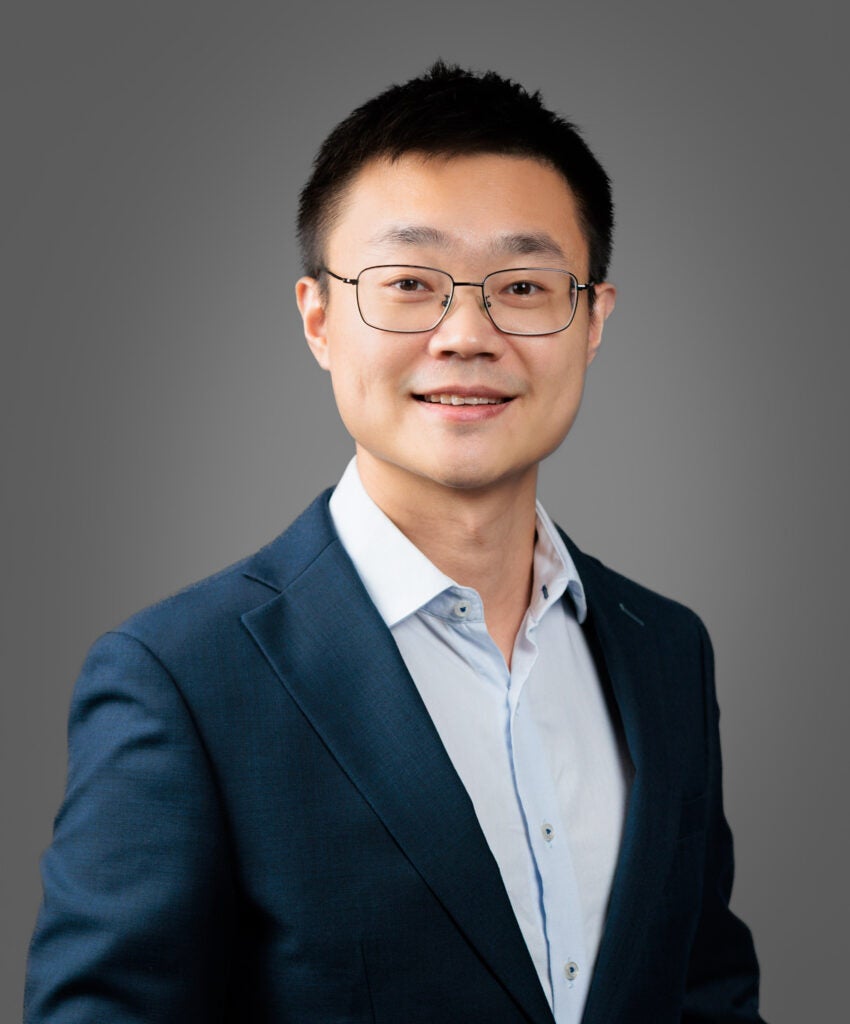
Di Zhu is a Presidential Young Professor in the Department of Materials Science and Engineering at the National University of Singapore (NUS). He holds a B.Eng. from Nanyang Technological University and M.Sc./Ph.D. from MIT, both in Electrical Engineering. His postdoctoral research at Harvard focused on lithium niobate integrated photonics and superconducting detectors. He previously worked as a research scientist and PI at A*STAR's Institute of Materials Research and Engineering (IMRE). Research Interests : Integrated quantum photonics, superconducting detectors, nonlinear optics, and nanofabrication. His group develops scalable quantum photonic devices using lithium niobate and superconducting materials, emphasizing applications in quantum computing, communication, and sensing. Awards : National Research Foundation (NRF) Fellowship Harvard Quantum Initiative (HQI) Postdoctoral Fellowship MIT Jin-Au Kong Thesis Award Advising & Recruitment : Actively recruiting postdocs, PhD students, and interns in areas like integrated photonics, quantum optics, and superconducting detectors. Positions include work on thin-film lithium niobate, quantum simulation, and microwave-optical transduction. Group website: dizhulab.org .
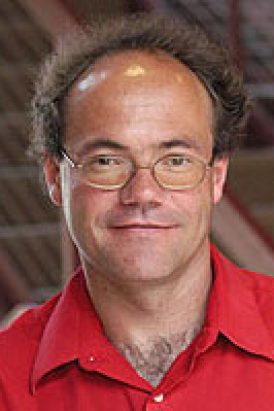
Georg Raithel is a Professor in the Department of Physics at the University of Michigan, Ann Arbor, where he has been a faculty member since 1997 following postdoctoral research at NIST as an Alexander von Humboldt Fellow. His research focuses on experimental atomic, molecular, and optical physics, specializing in Rydberg atom systems for quantum sensing and precision measurement applications. His academic background includes: Habilitation, University of Munich, Germany (1995) Ph.D., University of Munich, Germany (1990) Diploma, University of Munich, Germany (1987) Raithel's work centers on Rydberg atoms and their applications in quantum sensing, precision spectroscopy, and quantum information. His group investigates electromagnetically induced transparency in vapor cells, atom interferometry, ultracold plasmas, and Rydberg-atom-ion molecules. Recent breakthroughs include tractor atom interferometry for rotation sensing and SI-traceable electric field probes, bridging fundamental physics with practical quantum technologies. His publication trends show increasing focus on applied quantum systems, particularly Rydberg-atom-based sensors for electromagnetic field measurement, quantum communication protocols, and precision metrology devices. This evolution reflects a strategic shift from fundamental Rydberg physics toward engineered quantum solutions for real-world measurement challenges. Major scientific recognitions include: Fellow of the American Physical Society Alexander von Humboldt Foundation Fellowship Raithel has mentored approximately thirty Ph.D. students who now hold positions across academia, industry, and government laboratories. His research has been supported by sustained funding from the National Science Foundation and Department of Energy, enabling development of advanced laser systems for cold atom manipulation and quantum control. The Raithel laboratory, housed in Homer A. Neal Laboratory (rooms SB149, SB283, SB290), maintains multiple experimental setups for laser cooling, optical trapping, and vapor-cell spectroscopy. His group actively collaborates with industry through Rydberg Technologies Inc., which he co-founded to commercialize atom-based sensing technology.
Dr. Kenan Arifoglu is an Associate Professor at the UCL School of Management. He previously held a postdoctoral position at the Ross Business School, University of Michigan (2008–2012). His education includes a PhD in Industrial Engineering and Management Sciences from Northwestern University (2012), two MSc degrees from Northwestern University (2008) and Koç University (2007), and a BSc from Koç University (2005). His research focuses on behavioral motivations in healthcare, supply chains, pricing, and entrepreneurial operations. Key projects include analyzing inefficiencies in flu vaccine supply chains and developing frameworks for high-growth startups. His work bridges operations management with practical challenges in healthcare, retail, and entrepreneurship. Recent publications address topics such as luxury brand licensing dynamics, incentive programs in healthcare systems, and the theoretical foundations of lean startup methodologies. These contributions span disciplines like marketing, operations research, and public health, emphasizing cross-sectoral applications. Dr. Arifoglu’s advising and grant activities are not detailed here. He is affiliated with the UCL School of Management and actively contributes to academic discourse through his research and teaching roles.
Karin Allor Pfeiffer is a Professor in the Department of Kinesiology at Michigan State University (MSU) and Director of the Institute for the Study of Youth Sports. She holds additional membership in the Center for Physical Activity and Health. With a Ph.D. from MSU, her research focuses on physical activity measurement methodologies and population health interventions, particularly among children and adolescents. Her work addresses obesity prevention, environmental design impacts on activity levels, and sociocultural factors influencing youth sport participation. Education: Ph.D. in Kinesiology from Michigan State University Her research interests emphasize: - Quantitative methods for physical activity assessment - Schoolyard redesign strategies and their health impacts - Cardiometabolic risk factors in pediatric populations - Longitudinal tracking of physical fitness and health outcomes Recent work explores accelerometer fragmentation metrics, GPS-linked activity tracking, and disparities in sedentary behavior across demographic groups. She has pioneered interdisciplinary approaches integrating spatial analysis, wearable technology, and policy evaluation. Key contributions include developing the Observational System for Recording Physical Activity in Children and advancing consensus methods for accelerometer data interpretation. Her studies frequently highlight socioeconomic and environmental determinants of health behaviors. Dr. Pfeiffer collaborates with public health agencies and urban planners to translate research into actionable policies. Her lab focuses on scalable interventions for underserved communities, leveraging community-engaged methods to address greenspace accessibility and safety concerns.
Dr. Mathew Todres is a Senior Lecturer in Management at the School of Business, Faculty of Business and Law, University of Wollongong. His research focuses on Management, Change Management, International Business Management, and Strategic Management, with a particular emphasis on Social Entrepreneurship and Workplace Value Congruence. He has conducted action research in Social Enterprise Development and published in journals such as the Social Enterprise Journal and Journal of Business Ethics . Dr. Todres currently supervises PhD candidates Douglas Opoku Agyeman (Micro Entrepreneurship in West Africa) and Grant Hughes (Sports Management). He has received a University of Wollongong Faculty of Business Start-Up Grant (2018). His peer-reviewed work spans organizational behavior, narrative analysis, and social enterprise innovation. His research interests include autoethnographic analysis, narratological analysis, and the application of social theory to entrepreneurial practices. Dr. Todres has contributed to journals such as Medical Education and serves as a reviewer for Journal of Spirituality, Leadership, and Management , among others. His work bridges theoretical frameworks with practical applications in organizational dynamics and social impact initiatives.
John M. Woodley is a distinguished Professor in the Department of Chemical and Biochemical Engineering at the Technical University of Denmark (DTU), where he leads research at the PROSYS - Process and Systems Engineering Centre and contributes to the DTU Microbes Initiative. With over 30 years of experience, he has established himself as a leading expert in biocatalysis and bioprocess engineering, with research spanning both theoretical and experimental work across multiple scales. His primary research interests focus on the interface of bioprocess engineering, process chemistry, and reaction engineering. Dr. Woodley's work encompasses multi-step biocatalysis (including systems biocatalysis and flow chemistry), downstream processing from biocatalytic reactors and fermentations (including ISPR), modeling tools for bioprocess assessment (thermodynamics, kinetics, process simulation, economic evaluation), and bio-oxidations (including oxygen supply methods). His enzymatic investigations particularly target alcohol oxidases, carbohydrate oxidases, cytochrome P450s, Baeyer-Villiger monooxygenases, and transaminases. His research portfolio demonstrates consistent innovation in sustainable chemical production, with particular emphasis on enzymatic synthesis of pharmaceuticals and chemicals from renewable resources. Analysis of his recent publications reveals a strong focus on overcoming industrial implementation challenges, particularly regarding enzyme stability in various reactor environments, optimization of multi-enzyme systems, and scale-up methodologies for biocatalytic processes. Dr. Woodley actively supervises multiple PhD students and leads several significant research projects, including 'P450-based biocatalytic processes for the pharmaceutical industry' (2025-2028), 'Integrated model for up- and downstream bioprocess intensification' (2024-2027), and 'ENFACE: A tool for prediction of enzyme stability at gas-liquid interfaces' (2024-2027). His work has resulted in an impressive publication record of 781 research outputs across various formats, including journal articles, book chapters, and conference proceedings. His research group operates within the Department of Chemical and Biochemical Engineering at DTU, utilizing advanced facilities for biocatalysis research, including specialized reactor systems for studying gas-liquid interfaces, computational modeling resources, and laboratories for enzyme characterization and bioprocess development. Through his leadership in the PROSYS center, he contributes to DTU's strategic focus on sustainable process technologies and systems engineering.
Dr. Rajesh Bera is a Research Fellow at ICFO's Functional Optoelectronic Nanomaterials group specializing in quantum-confined nanostructures. His research examines ultrafast carrier dynamics, excitonic properties, and optoelectronic applications of nanomaterials including quantum dots, nanoplatelets, and hybrid nanostructures. Current investigations focus on intraband transitions in doped nanocrystals, orientation-dependent excitonic behavior in 2D materials, and charge transfer mechanisms in heterostructure devices. Work bridges fundamental photophysics with applications in photodetection, sensing, and energy conversion. Recent publications demonstrate expertise in time-resolved spectroscopy of quantum materials, nanomaterial synthesis via colloidal chemistry, and rational design of optoelectronic devices. Continually develops novel characterization methods to probe ultrafast processes at nanoscale interfaces.
Danai Koutra is an Associate Professor in Computer Science and Engineering at the University of Michigan, Ann Arbor, and an Amazon Scholar. Her research focuses on large-scale graph mining, graph neural networks, and interpretable machine learning methods for understanding complex networks. Key roles include leading the GEMS Lab and contributing to projects like DeltaCon (graph similarity) and VoG (graph summarization). She holds a PhD from Carnegie Mellon University and has authored over 80 publications in top venues like KDD, SDM, and NeurIPS. Educations: PhD in Computer Science, Carnegie Mellon University (2015) MS in Computer Science, Carnegie Mellon University (2015) Diploma in Electrical & Computer Engineering, National Technical University of Athens (2010) Research Interests: Her work spans graph mining, anomaly detection, knowledge graph completion, and applications in neuroscience, healthcare, and social networks. Recent projects include MAGNET (multi-agent graph networks) and GT2VEC (multimodal graph-text encoders). Grants & Awards: Recipient of the 2025 PECASE award, NSF CAREER Award (2019), and the 2016 ACM SIGKDD Dissertation Award. Active in organizing conferences like KDD and ECML/PKDD. Labs & Teams: Directs the GEMS Lab, collaborating on projects like FIDDLE (clinical data preprocessing) and SpecGreedy (dense subgraph detection). Engages in interdisciplinary efforts, including M-DICE (urban mobility analysis with Detroit).
Demetris Christodoulou is an Associate Professor in Accounting, Governance and Regulation at the University of Sydney. He holds a BEcon from Piraeus University, an MSc(Fin) from the University of York (UK), and a PhD from Athens University of Economics and Business (AUEB). His research focuses on applying data analytics, econometrics, and visualization techniques to financial analysis, equity valuation, life insurance, and financial advice. He co-directs the PEMA research group, specializing in productivity and performance measurement analytics, and previously led the MEAFA research group (2007–2022). He has collaborated extensively with industry partners including Deloitte and Australian insurers, and developed training programs for over 1,000 executives. His work includes open-source contributions to Stata software and the Graph Workflow platform, alongside $662k in workshop-generated funds supporting academic programs. He has advised multiple PhD students and taught at leading universities globally. Education: BEcon in Economics (Econometrics), Piraeus University MSc in Finance, University of York (UK) PhD in Accounting and Financial Analysis, Athens University of Economics and Business His research interests span financial reporting models, life insurance underwriting strategies, and behavioral finance. Recent projects address dishonesty mitigation in insurance disclosures and the adviser effect on customer disclosures. He has published widely in top journals like the Review of Accounting Studies and Stata Journal , and his work was featured in The Australian for insights on insurance fraud reduction. He maintains international collaborations, including visiting roles at Columbia Business School and the University of Cyprus, and serves on advisory boards for organizations like Behaviour.ai. Publications highlight methodological innovations in econometrics and visualization, with 2025's upcoming Stata Journal paper advancing time-series analysis techniques. His grants include partnerships with industry on longitudinal studies of insured lives, aiming to improve risk modeling and public policy insights.
Wim Gevers is a faculty member at the Université libre de Bruxelles (ULB) and leads the CS4S – Cognitive Control & Sleep laboratory within the CRCN research centre. His work bridges cognitive psychology, neuroscience and sleep research to understand how the brain exerts control over thoughts and actions and how sleep contributes to these processes. Research Interests Cognitive Control & Metacognition: Investigating how subjective experiences such as confidence and the "urge-to-err" guide strategic adjustments in behaviour. Working Memory & Ordinal Cognition: Examining how order information is maintained and manipulated, and how these processes relate to mathematical competence. Sleep, Memory & Decision Making: Exploring how sleep-dependent consolidation influences motor learning and decision strategies. Across his 2022–2025 publications a clear trend emerges: a focus on metacognitive monitoring —how humans evaluate their own cognitive states—and the role of emotional and temporal context in shaping those evaluations. Studies range from reaction-time introspection and confidence judgements in perceptual tasks to the impact of aging and depression on metacognitive accuracy. Doctoral Supervision & Mentoring Whitney Stee (PhD 2024) – Sleep-dependent structural brain reorganization & motor learning Gaia Corlazzoli (PhD 2024) – Subjective experience in decision-making Myrtille Dewulf (PhD 2023) – Ordinal coding mechanisms in working memory Rebeca Sifuentes-Ortega (PhD 2023) – REM sleep and memory reactivation All dissertations were defended at ULB, Faculté des Sciences psychologiques et de l’éducation, with Wim Gevers formally listed as Promotor . Laboratory & Collaborative Networks As head of CS4S, Gevers coordinates a multidisciplinary team that combines behavioural experimentation, EEG/MEG, computational modelling and sleep polysomnography. The lab is embedded in the larger CRCN ecosystem, fostering collaborations with groups such as CO3 (consciousness), LCLD (language & deafness), and UR2NF (neurofunctional imaging).