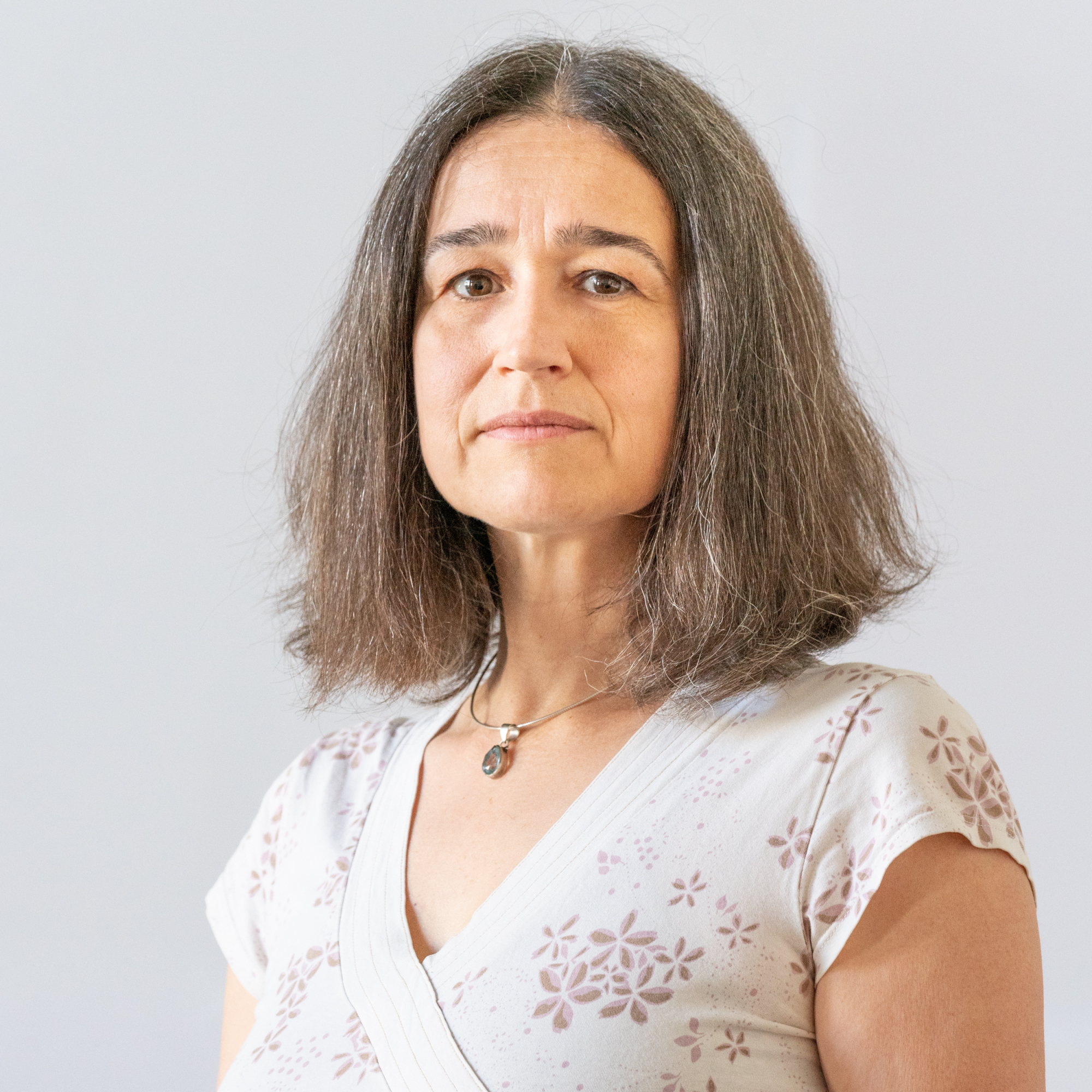
Markus WittköpperView profile
Lecturer
Markus Wittköpper is a prominent conservator specializing in wet wood conservation at the Leibniz Centre for Archaeology in Mainz, Germany. With over three decades of experience, he serves as a Lecturer in the 'Archaeological Restoration' program focusing specifically on Wet Wood Conservation. His career spans significant projects including the conservation of the Mainz Roman Ships (1991-1996), Roman Military Boats of Oberstimm (1994-1999), and numerous other high-profile archaeological wood artifacts. Wittköpper's research interests center on the conservation and restoration of waterlogged archaeological wood, with particular expertise in the Kauramin method using melamine formaldehyde for wood stabilization. He has pioneered the application of structured-light 3D scanning and micro computed tomography for non-destructive analysis of conserved wood, providing scientific validation for conservation treatments. His work spans from prehistoric artifacts like the Schöningen Spear to Roman period wooden structures. His publication record demonstrates consistent contributions to the field since the late 1990s, with recent work focusing on comparative studies of conservation methods, 3D documentation techniques, and specific project documentation like the CuTAWAY and KUR projects. His 2024 publications continue to advance methodologies for waterlogged wood conservation. Wittköpper has received recognition through his leadership of major projects including the EU-funded DIAWOOD project (2000-2002) and the KUR project (2008-2011), which developed an influential online database for handling mass archaeological finds. His work has been presented at numerous international conferences including the ICOM-CC Wet Organic Archaeological Materials Working Group meetings. As a supervisor and educator, Wittköpper has contributed to the 'Archaeological Restoration' program, sharing his extensive practical knowledge with students. His approach combines traditional conservation techniques with modern scientific analysis, making significant contributions to the standardization of wet wood conservation practices worldwide. He continues to be actively involved in cutting-edge research through current projects like CuTAWAY.