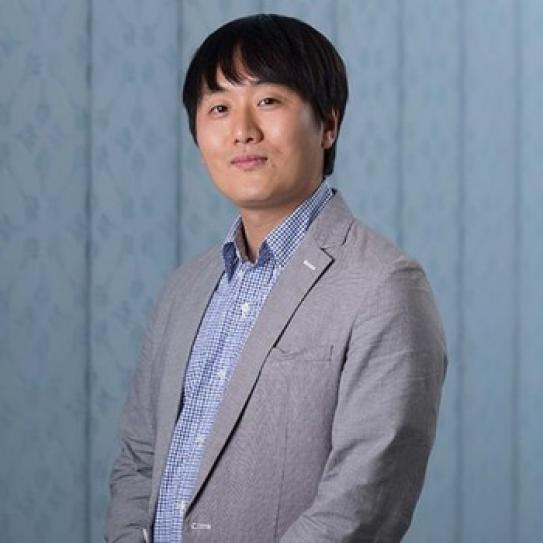
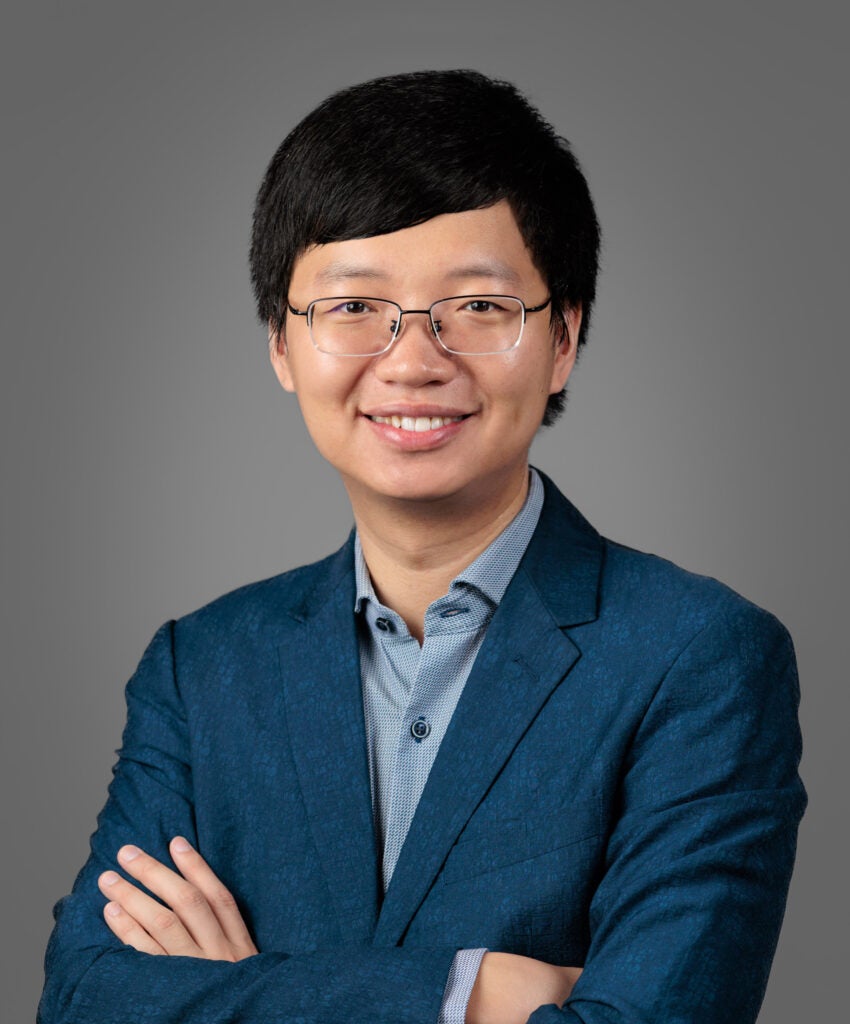
Sohmyung Ha is an Associate Professor of Electrical Engineering and Bioengineering at NYU Abu Dhabi and holds a Global Network position at NYU Tandon School of Engineering. He leads the Integrated BioElectronics Laboratory, focusing on advancing silicon integrated technologies for biomedical applications such as implantable devices and wearable sensors. His expertise spans biomedical circuits, neural interfaces, and wireless power systems. Education: MS (2004, KAIST), PhD (2016, UC San Diego) with a Best Thesis Award. Prior industry experience includes analog circuit design at Samsung Electronics (2006-2010). Academic affiliations include NYU Abu Dhabi, NYU Tandon, and global collaborations. Research interests include high-performance biomedical sensors, neural prosthetics, and energy-efficient bioelectronic systems. Notable achievements include a Best Paper Award (ISCAS 2024) and innovations in impedance spectroscopy and neural interface ICs. Current projects emphasize closed-loop neural interfaces, subcutaneous glucose monitoring, and retinal prostheses. His lab develops miniaturized, power-autonomous systems for healthcare applications.
Tural Khudiyev is an Assistant Professor at the Department of Materials Science and Nanotechnology , National University of Singapore (NUS), focusing on multimaterial electronic fibers for human-fabric interaction, soft robotics, and neural probes. He previously worked as a postdoctoral researcher at MIT's Research Laboratory of Electronics. B.Sc. in Nuclear Engineering, Hacettepe University Ph.D. in Materials Science and Nanotechnology, Bilkent University His research spans implantable and wearable electronics , stimuli-responsive drug delivery , and AI in healthcare , with a strong emphasis on scalable nanomanufacturing techniques. His publications in journals like Nature , Nature Nanotechnology , and Advanced Materials highlight innovations in thermally drawn fibers and soft bioelectronic interfaces . Key trends include flexible electronics , machine learning in textiles , and bio-integrated devices , with applications in neural engineering and power textiles . His work has been featured in media outlets such as Reuters and Business Insider . Selected as MIT’s top research story of 2021 #1 Most Read Article in Applied Optics (2015) Featured in Virtual Journal of Nanoscale Science & Technology Khudiyev's contributions to thermally drawn fibers and soft robotics demonstrate interdisciplinary collaboration between materials science, neuroscience, and wearable technology.
Bertan Bakkaloglu is the On Semiconductor Professor in the School of Electrical, Computer and Energy Engineering at Arizona State University (ASU), where he has been since 2004. Prior to ASU, he worked at Texas Instruments focusing on analog, mixed-signal, and RF SoC development for communication transceivers. His research expertise spans RF and mixed-signal IC design, wireless/wireline communication systems, and broadband communication systems. Education: Ph.D. in Electrical Engineering, Oregon State University (1995) M.S.C. in Electrical Engineering, University of Houston (1992) Research Interests: RF and mixed-signal integrated circuits Power management ICs (including LDO regulators and DC-DC converters) High-efficiency power delivery systems Radiation-hardened electronics for space applications MEMS-based sensor systems Biomedical circuits for implantable devices Grants & Collaborations: Over 40+ funded research projects with institutions like NASA/JPL, BAE Systems, and NSF, focusing on power electronics, space systems, and biomedical applications Key projects include radiation-hardened converters, self-calibrating DACs, and implantable medical device circuits Industry partnerships with Texas Instruments, Space Micro, and FLIR Professional Activities: Technical committee member for IEEE Radio Frequency Integrated Circuits Conference Founding chair of IEEE Solid-State Circuits Society Phoenix Chapter
Dr. Su Ryon Shin is an Assistant Professor in the Division of Engineering in Medicine at Harvard Medical School and Brigham and Women's Hospital (BWH) in Cambridge, MA. She leads an active research laboratory focused on bioengineering, tissue engineering, and regenerative medicine, with particular expertise in 3D bioprinting, biomaterials, and organ-on-a-chip technology. Her research interests span biohybrid robotics, decellularized extracellular matrix, stem cell-based tissue engineering, and volumetric muscle regeneration . Dr. Shin's work integrates advanced biomaterials with cellular systems to create innovative solutions for tissue regeneration and disease modeling. She has pioneered approaches using human stem cell-derived materials for volumetric tissue regeneration and developed biohybrid neuromuscular robots powered by living cardiac muscle cells. Her publication record demonstrates consistent productivity with over 180 publications, including numerous first/senior author papers in high-impact journals like Science Robotics, Advanced Materials, and Nature Reviews Bioengineering . Her work shows a clear progression from fundamental biomaterials development to increasingly complex tissue engineering applications and translational research. Dr. Shin has received significant recognition including being named a 2025 BWH Health & Technology Innovation Awardee , Highly Cited Researcher 2024 by Web of Science, and multiple Stepping Strong Innovator Awards (2015, 2018, 2020). Her research has been featured in Nature Reviews Bioengineering for breakthrough work on biohybrid robots. She actively mentors students and postdocs, with former lab members accepted to prestigious programs like MIT's PhD program in Chemical Engineering. Her collaborative approach is evident through numerous interdisciplinary projects with researchers across Harvard Medical School, BWH, and international institutions.
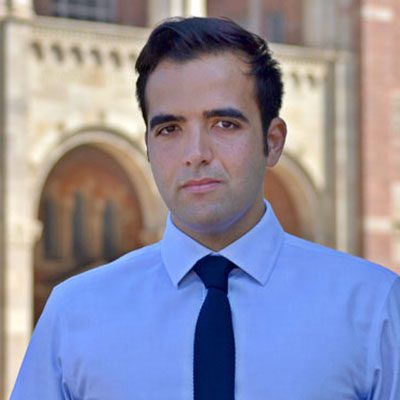
Sam Emaminejad is an Associate Professor in the Department of Electrical and Computer Engineering at the Henry Samueli School of Engineering and Applied Science, University of California Los Angeles (UCLA). His research focuses on developing advanced wearable bioelectronic systems for continuous, noninvasive health monitoring and personalized therapeutics. Key Research Areas: Biomarker detection via flexible sensors Microfluidic and ferrobotic systems Stress and drug level monitoring Biodegradable and breathable wearable materials Recent Trends: Analysis of sweat and interstitial fluids using microneedles, aerogel skins, and programmable microfluidics. Machine learning integration for physiological evaluation is prominent. Awards & Collaborations: While specific awards aren't listed, he collaborates with major UCLA Health and Engineering faculty, including Ali Khademhosseini and Dino Di Carlo, on projects funded by NIH T32 grants and institutional fellowship programs. Grants & Labs: Leads projects in NIH-funded wearable sensor research, including the development of autonomous systems for cystic fibrosis and glucose monitoring. His lab explores ferrobotic swarms and hydrogel-based interfaces for clinical and consumer applications.
Yen-Cheng Liu is a former researcher at École polytechnique fédérale de Lausanne (EPFL), affiliated with the School of Life Sciences (BIOS) and multiple departments including LCOM and CMI. His work focuses on interdisciplinary research at the intersection of biomedical engineering, nanotechnology, and cancer biology. Key research areas include nanoplasmonic biosensors, single-cell analysis, optofluidic systems, and cancer immunology. He holds collaborations with institutions like the University of Lausanne and the Centre Hospitalier Universitaire Vaudois (CHUV). His research emphasizes real-time monitoring of cellular secretions, tumor microenvironment dynamics, and diagnostic platform development for pathogens and genetic diseases. Notable contributions include high-throughput microarray technologies for single-cell secretion profiling and optofluidic platforms for molecular diagnostics. Liu’s publications span journals like Advanced Science , Advanced Functional Materials , and Biosensors and Bioelectronics . His work integrates engineering principles with biological systems to address challenges in precision medicine and cancer therapy.
Soner Sonmezoglu is an Assistant Professor of Electrical and Computer Engineering at Northeastern University's College of Engineering. His research focuses on implantable and wearable medical devices enabled by advanced microelectronics and microfabrication for neurological, diagnostic, and therapeutic applications. He leads the Sonmezoglu Lab and has secured major grants including a $13M ARPA-H award for developing photoacoustic imaging systems for early lung cancer detection. Education: PhD in Electrical and Computer Engineering, UC Davis (2017) BSc and MSc in Electrical Engineering with a minor in Solid-State Physics, Middle East Technical University (2010-2012) Postdoctoral Researcher, UC Berkeley EECS (pre-2022) Research Interests: His work spans integrated circuits, micro/nano electromechanical systems (M/NEMS), neural interfaces, and medical device integration. Key projects include ultrasonic wireless neural interfaces and millimeter-scale oxygen sensors for deep-tissue monitoring. Current initiatives include the PAIL project for lung cancer diagnostics. Awards: UC Davis Graduate Division Fellowship Scientific and Technical Research Council of Turkey Graduate Fellowship Grants & Collaborations: Principal Investigator of ARPA-H's $13M PAIL initiative. Active in the Institute for NanoSystems Innovation, contributing to chip-level technology advancements. Labs/Teams: Directs the Sonmezoglu Lab at Northeastern, focusing on next-generation biomedical device innovation through interdisciplinary microsystems engineering.
Yves Leterrier is a Senior Scientist and lecturer at École Polytechnique Fédérale de Lausanne (EPFL), where he has been a faculty member since 1993. He works in the Laboratory for Processing of Advanced Composites (LPAC) within the Institute of Materials at the School of Engineering. His academic career spans over three decades with significant contributions to sustainable materials science and polymer composite technologies. Senior Scientist, Laboratory for Processing of Advanced Composites (LPAC) Teaching roles in SMX and EDMX programs PhD program committee member for Materials Science and Engineering Author of over 300 technical articles including 145 peer-reviewed journal papers Leterrier's research focuses on sustainable materials and processes, particularly in polymer composites, multilayer and hybrid materials, photopolymerization and sol-gel processes, mechanics of thin films on polymers, and roll-to-roll process methods. His work bridges fundamental materials science with practical applications in flexible electronics, renewable energy, and sustainable packaging. He has pioneered techniques for creating bioinspired surfaces, diffusion-barrier coatings, and cost-effective manufacturing processes for advanced materials. His recent publications reveal a strong emphasis on water permeation monitoring in bioelectronic implants, fluorine-free superhydrophobic surfaces, and biobased composites using nanocellulose. His research shows a clear trajectory toward sustainable materials solutions with applications in medical devices, flexible electronics, and environmentally friendly packaging. The consistent theme across his work is the development of reliable, high-performance materials through innovative processing techniques and composite design. Leterrier actively contributes to the academic community through editorial roles, including serving on the editorial board of Applied Surface Science since 2012 and as Associate Editor for Frontiers in Materials since 2014. He coordinates EPFL's Minor on 'Engineering for Sustainability' and has been President of the EPFL Materials Science Library commission since 2000. His leadership extends to industry collaboration through multiple funded research projects. His current research portfolio includes significant projects such as BioPack (biobased packaging materials), FLEXCAN (flexible encapsulation of active implants), 3DP4PEACE (sustainable 3D printing), and DuPrintProtect (advanced manufacturing). Previously, he led projects including XinoCaps, UltraCeal, SUNLITE, and REFLEX, demonstrating consistent funding success across diverse materials science applications. He also serves on the board of the French Adhesion Society and has organized international symposia on materials and micro-technologies. Leterrier leads the Laboratory for Processing of Advanced Composites, where his team develops cutting-edge materials processing techniques. His work on photo-hyphenated methods, UV nanoimprint lithography, and electro-fragmentation analysis represents the laboratory's focus on innovative characterization and manufacturing approaches for advanced materials.
Arben Merkoçi is an ICREA Research Professor and leader of the NanoBioelectronics and Biosensors Group at the Catalan Institute of Nanoscience and Nanotechnology (ICN2). He holds a PhD in ion-selective electrodes from the University of Tirana (Albania) and has held research positions at institutions including the Polytechnic University of Budapest, University of Ioannina, and New Mexico State University. His research focuses on integrating biological molecules with micro/nanostructures to design advanced biosensors, with applications in healthcare and environmental monitoring. Education: PhD in Analytical Chemistry (University of Tirana, 1992) Roles: Co-Editor-in-Chief of Biosensors and Bioelectronics , member of the Academy of Sciences of Albania Research interests include nanomaterial-based biosensors (e.g., graphene, MXenes, quantum dots), point-of-care diagnostics, and sensor fabrication technologies. He has pioneered innovations in inkjet-printed sensors, wearable devices, and CRISPR-integrated biosensing. His group collaborates globally to advance nanobiosensor applications in clinical and environmental settings. Over 350 publications (H-index 91) and 40 supervised PhD theses highlight his contributions. He co-founded GraphenicaLab (graphene patterning) and PaperDrop (clinical diagnostics). Active in grant acquisition and policy, he shaped Spain’s first nanoscience undergraduate program at the Universitat Autònoma de Barcelona.
Anja Skrivervik is a Full Professor at École Polytechnique Fédérale de Lausanne (EPFL), holding multiple key academic positions across the institution. She serves as a Full Professor in the School of Engineering (STI) within the Electromagnetics and Antennas group, as Director of the Electrical Engineering Doctoral Program, and as a Full Professor in multiple teaching units including EDEE, SEL, and EDMI. Her extensive institutional affiliations demonstrate her significant leadership role within EPFL's engineering and educational frameworks. Professor Skrivervik's research spans multiple cutting-edge domains in electromagnetic engineering with a particular focus on antenna design for specialized applications. Her work prominently features implantable medical devices, where she develops antennas and wireless power transfer systems for deep-body bioelectronics. She has made significant contributions to mm-Wave technology, particularly in multibeam systems for 5G applications and wireless power transfer. Her research also encompasses tissue phantom development for electromagnetic characterization, with recent work on biodegradable alternatives to traditional materials. The interdisciplinary nature of her work bridges electrical engineering, biomedical applications, and materials science. An analysis of her recent publications (2023-2025) reveals a consistent research trajectory focused on solving practical challenges in antenna design for constrained environments. Her work shows particular strength in optimizing antenna performance for implantable medical devices, where size, efficiency, and biocompatibility present unique challenges. She has developed novel approaches to beamsteering, mutual coupling reduction, and RF radiation modeling specifically tailored for medical applications. Her contributions to tissue phantom development represent an important methodological advancement for testing and validating implantable devices. As Director of the Electrical Engineering Doctoral Program and through her multiple professorial appointments, Professor Skrivervik plays a central role in shaping graduate education at EPFL. Her leadership extends to serving on the Doctoral Commission, where she helps set standards and policies for doctoral education across the institution. While specific grant information isn't detailed in the available materials, her extensive publication record across top journals and conferences suggests successful funding of her research activities. Her work appears to be conducted within EPFL's Electromagnetics and Antennas group (SCI STI AS), which likely houses specialized laboratories for antenna measurement, electromagnetic simulation, and biomedical device testing. The focus on tissue phantoms and implantable devices suggests dedicated facilities for biomedical electromagnetic testing, while her mm-Wave and 5G research indicates capabilities in high-frequency measurement and characterization.
Dr. Changsheng Wu is a Professor at the National University of Singapore (NUS), leading the Lab for Intelligent Sensing, Harvesting and Actuation (LISHA). He holds a Bachelor's from NUS and a PhD from Georgia Tech, with postdoctoral research at Northwestern University. His work focuses on wireless wearables, bioelectronics, energy harvesting, and advanced manufacturing for sustainable solutions. Education: Bachelor in Engineering Science (First Class Honours), NUS PhD in Materials Science and Engineering, Georgia Institute of Technology Postdoctoral Research, Querrey Simpson Institute for Bioelectronics, Northwestern University Research Interests: Wireless bioelectronics for clinical health monitoring Energy harvesting via nanogenerators Soft skin-electronics interfaces using metastructures Programmable materials for adaptive systems Advanced manufacturing techniques for wearable devices Key Achievements: Over 50 publications and 5 patents Recipient of TechConnect 2018 Innovation Award and 56th R&D 100 Award Developed wireless implantable sensors for tissue monitoring and bioresorbable medical devices Teaching: MLE5220: Finite Element Method in Materials MLE5238: Bioelectronics Laboratory: His LISHA lab pioneers innovations in self-powered systems, wearable health monitoring, and biohybrid robots. Current projects include metamaterial-based sensors and sustainable energy conversion materials.
Polina O. Anikeeva is a Professor of Materials Science and Engineering and Associate Director of the Research Laboratory of Electronics (RLE) at MIT. She leads the Bioelectronics Group, focusing on developing minimally invasive neural interfaces and neuroprosthetics using advanced materials. Her work integrates materials chemistry, nanotechnology, and microfabrication to enhance biocompatibility and signal quality in neural devices for conditions like Parkinson’s disease and major depressive disorder. Education: Bachelor of Science in Physics, St. Petersburg State Polytechnic University (2003) PhD in Materials Science, MIT (2009) Postdoctoral Fellowship in Bioengineering, Stanford University Her research emphasizes hybrid organic-inorganic materials and optoelectronic systems for neural recording/stimulation. Key innovations include magnetically actuated sensors, wireless neuromodulation, and flexible optoelectronic fibers. Notable achievements include the NIH Director’s Pioneer Award (2021) and collaborations with the Fashion Institute of Technology on smart textiles. Lab Focus: Bioelectronics Group at RLE develops next-generation neural interfaces, with applications in brain-machine interfaces and paralysis treatment. Recent advances include magnetoelectric nanodiscs for transgene-free neuromodulation and remotely controlled chemomagnetic neural circuits.
Dr. Jaswinder Lota is a Reader in Engineering at the University of East London , School of Architecture, Computing and Engineering, Department of Engineering & Construction. He is also a Visiting Academic at University College London’s Department of Electronic and Electrical Engineering, and a Chartered Engineer with extensive industry and academic experience. Education: BSc BEng MEng PGCert HE PhD Research Interests: Dr. Lota specializes in signal processing, circuits and systems, wireless communication, and their applications in radar systems (weather/military), low-power sustainable networks beyond 5G/6G (robotics, automation, healthcare), and electronic technologies for hydrogen propulsion. His work integrates AI-driven channel modeling and impulsive noise analysis. Scientific Awards: IEEE CAS Society Certificate of Appreciation (2019) Grants and Collaborations: He has secured significant funding, including a £2.5K International Research Collaboration Award (2016), £2.5K Research Internship Award (2015), £76K Impact Grant (2014), and a £7M MoD-funded project (1999-2004). Collaborators include UCL and NYU. Leadership: Dr. Lota leads the Smart Cities Research group at UEL and contributed to the REF 2021 submission. He has served as Associate Editor for IEEE TCAS I and Guest Editor for multiple IEEE journals.
Yujia Zhang is a Tenure Track Assistant Professor at the School of Engineering , École Polytechnique Fédérale de Lausanne (EPFL), leading the Laboratory for Bio-Iontronics (BION) since January 2025. His work focuses on developing iontronic biointerfaces and hybrid intelligent systems for biomedical applications. Academic Affiliations: EPFL School of Engineering, STI-SMT SMT-ENS PhD program committee Research Themes: Droplet-based iontronics, synthetic tissues, advanced manufacturing Research Trends from his publications emphasize microscale droplet iontronics , soft energy systems , and biohybrid interfaces , with applications in neurostimulation , tumor modeling , and biomedical devices . Scientific Awards : 2023: Early-career Research Scientist Representative, UK Parliamentary & Scientific Committee 2022: Excellent Doctoral Dissertation, Chinese Academy of Sciences 2021: Outstanding Doctoral Thesis, Chinese Institute of Electronics 2020: Special Prize for President Scholarship, Chinese Academy of Sciences Academic Contributions include mentoring PhD students and teaching microfabrication technologies. His lab develops 3D-printed synthetic tissues and droplet networks for interactive biological communication.
Professor Arokia Nathan is affiliated with the Department of Engineering at the University of Cambridge , where he holds the Chair in Photonic Systems and Displays. His work bridges semiconductor device engineering, flexible electronics, and intelligent systems. Specializes in Thin-Film Transistors (TFTs) for displays and sensors Key contributions to digital microfluidics and neuromorphic computing Focus on ultra-low-power and high-frequency CMOS circuits Advances in oxide semiconductor materials and hybrid electronics Recent publications highlight trends in neuromorphic perception , flexible battery technologies , and RF/wireless communication systems . His research also emphasizes bioinspired robotics , wearable electronics , and intelligent IoT devices .