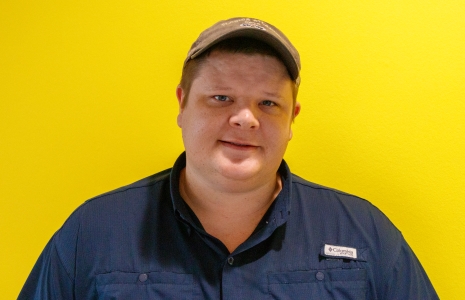
Dr. Corey T. Callaghan is an Assistant Professor in the Department of Wildlife Ecology and Conservation at the University of Florida . Based at the Fort Lauderdale Research and Education Center , his research focuses on global change ecology using big data from citizen science platforms like eBird and iNaturalist, combined with geospatial analyses and macroecological theory . Ph.D. (2019) from UNSW Sydney M.S. (2015) from Florida Atlantic University B.S. + B.S. (2013) from Canisius College His work examines urban ecology , including how species traits influence urban tolerance across birds, amphibians, and butterflies. He develops adaptive sampling frameworks to optimize citizen science data collection while addressing biases. Current projects analyze human-nature interactions through citizen science participation, secondary data in photographs, and machine learning for biodiversity monitoring. He actively contributes to conservation strategies for urban biodiversity and data-driven restoration efforts . Recent publications highlight his expertise in cross-taxa comparisons , continental-scale analyses , and ecosystem service quantification . He leads the Global Ecology Research Group at the University of Florida, emphasizing collaborative science and open-source methodologies .
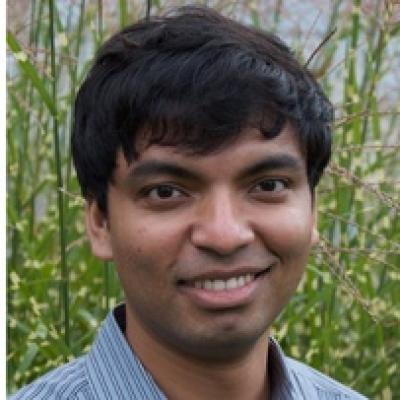
Subhransu Maji is an Associate Professor in the Manning College of Information and Computer Sciences at the University of Massachusetts Amherst, and the co-director of the Computer Vision Lab. He is also affiliated with the Center for Data Science and holds a part-time role as an Amazon Scholar. His research focuses on high-level visual recognition algorithms and interdisciplinary applications in ecology and astronomy. He has received prestigious awards including the NSF CAREER Award (2018), Best Paper at WACV 2015, and the Google Graduate Fellowship (2008). Education: PhD in Computer Science from UC Berkeley (2011), BTech from IIT Kanpur (2006). Prior roles include Research Assistant Professor at Toyota Technological Institute at Chicago (2012-2014). Research Interests: Computer Vision Machine Learning AI Applications in Ecology and Astronomy 3D Shape Understanding Climate Science Grants and Funding: Supported by NSF, NASA, Climate Change AI, and industry grants from Facebook, NVIDIA, Adobe, and Dolby. Current projects include satellite imagery analysis for ecology and material science applications using deep learning. Labs and Teams: Leads the Computer Vision Lab, collaborates with interdisciplinary teams on ecological monitoring (e.g., bird migration tracking via radar data) and material property prediction (e.g., zeolite adsorption modeling).
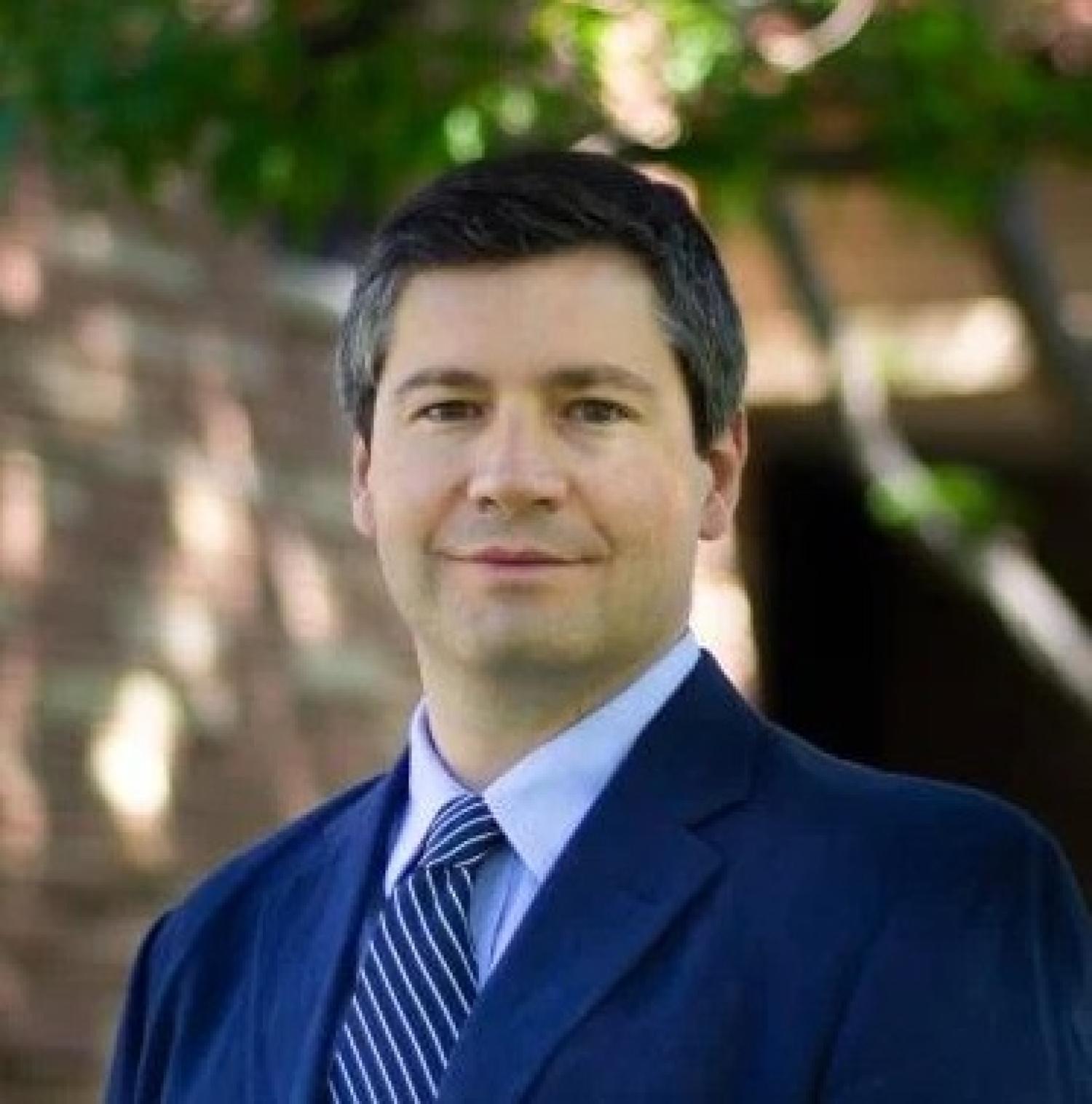
Robert MacCurdy is an Assistant Professor at the Department of Mechanical Engineering, University of Colorado Boulder . He leads the Matter Assembly Computation Lab (MACLab) focused on automating robot design and fabrication. His research bridges computational design and advanced manufacturing to create "robots that walk out of the printer." The lab develops tools like OpenVCAD , an open-source volumetric multi-material geometry compiler.
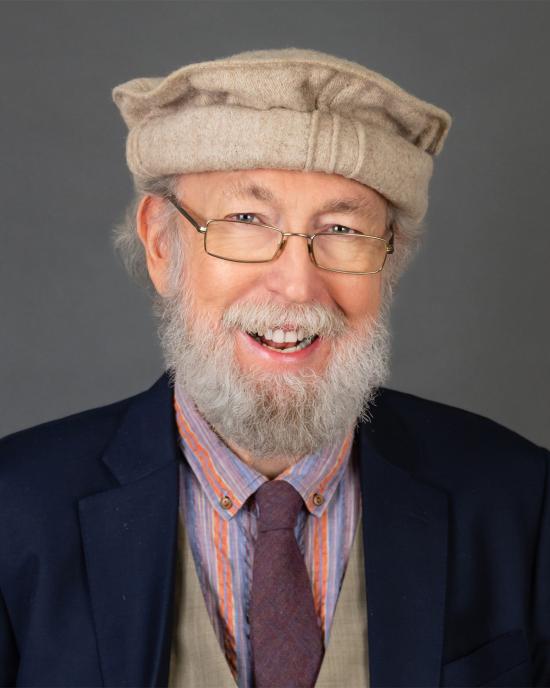
Craig Davis is a Professor and holds the Bollenbach Chair in Wildlife Management at Oklahoma State University's Department of Natural Resource Ecology & Management. He has been a faculty member since 2001, advancing from Assistant Professor (2001-2007) to Associate Professor (2007-2012), and has served as Bollenbach Chair since 2014. Davis earned his PhD in Wildlife Science from Texas Tech University (1996), an MS from Iowa State University (1991), and a BS from Ohio State University (1988). He is also a Certified Wildlife Biologist through The Wildlife Society. His research focuses on avian ecology, wetland restoration, and gamebird management, with specific interests in fire-grazing interactions, invertebrate communities, and climate change impacts on ecosystems. Key areas include grassland bird survival, wetland classification systems, and the effects of anthropogenic development on wildlife habitats. Davis actively collaborates with conservation organizations and agencies, addressing challenges like invasive species management and water infrastructure resilience. Teaching responsibilities include undergraduate courses on Wildlife Management Techniques and Wetland Ecology, as well as graduate courses like Advanced Wetland Ecology. His grants emphasize wetland restoration outreach, climate adaptation strategies, and studies on northern bobwhite and wild turkey populations. Notable projects include evaluating cellular transmission technology in wildlife monitoring and assessing the impact of extreme weather on gamebird survival. Grants (Selected): Expansion of potential wetland restoration opportunities in Oklahoma (2024-2027) Linking Research and Stakeholder Engagement for Wetland Conservation (2024-2026) Effects of Extreme Weather and Hunting on Northern Bobwhite (2023-2025) Research Themes: Aligns with UN Sustainable Development Goals 15 (Life on Land), 13 (Climate Action), 6 (Clean Water), 11 (Sustainable Cities), 14 (Life Below Water), and 9 (Industry/Infrastructure).
Jenny Ouyang is an Associate Professor in the Department of Biology at the University of Nevada, Reno , where she also serves as Director of the Ecology, Evolution and Conservation Biology graduate program. She earned her B.S. and B.A. from the University of California, Irvine (2007), followed by M.A. and Ph.D. in Ecology and Evolutionary Biology from Princeton University (2009, 2012). Her research focuses on the ecology and evolution of physiological systems , particularly how hormonally regulated traits enable organismal adaptation to environmental changes like urbanization , light pollution , and endocrine stress responses . Education: Ph.D., Ecology and Evolutionary Biology, Princeton University (2012) M.A., Ecology and Evolutionary Biology, Princeton University (2009) B.S., Biology, University of California, Irvine (2007) B.A., French, University of California, Irvine (2007) Her work integrates neuroendocrine mechanisms with ecological contexts to understand phenotypic flexibility and epigenetic adaptation in birds. Recent projects examine how artificial light at night disrupts circadian rhythms, hormonal profiles, and parental behaviors across urban-rural gradients. She has secured major grants including the NSF CAREER award (2022) for studying urbanization and NIH COBRE funding (2017) as part of a neuroscience team. Key collaborations include Dr. Maria Echeverry at Universidad Pontificia Javeriana in Colombia through her 2023 Fulbright award . The Ouyang Lab combines natural and laboratory experiments to investigate stress physiology, with recent papers analyzing glucocorticoid responses to urbanization, gene expression patterns under light pollution, and epigenetic reorganization in response to environmental stressors. Her publications span top journals like Proceedings of the Royal Society B , Biology Letters , and Ecology Applications , where her 2022 paper on lead pollution and reproduction was highlighted by ESA and Swedish Radio. Scientific Awards & Recognition: US Fulbright Scholars Award (2023) NSF CAREER grant (2022) NIH COBRE grant (2017) as team member Advising students like Valentina Alaasam (NSF GRFP awardee) and Ivan Celso Carvalho Provinciato (Dean's Merit Fellowship)
Clio Andris is an Associate Professor at Georgia Tech, jointly appointed in the School of City and Regional Planning and the School of Interactive Computing. She directs the Friendly Cities Lab, focusing on mathematical models of social networks applied to urban planning, transportation, and geography. Her work integrates spatial analysis with visualization, emphasizing interdisciplinary collaboration. Education and Career: Andris earned a PhD in Urban Information Systems from MIT (2011), where she was an NDSEG Fellow. She held postdoctoral positions at Singapore-MIT Alliance for Research and Technology and the Santa Fe Institute. Prior to Georgia Tech, she was a faculty member at Penn State’s Department of Geography, affiliated with the GeoVISTA Center. Research Focus: Her research bridges social networks, geovisualization, and urban informatics. Key areas include spatial social network analysis, GIS applications for urban policy, and the impact of digital tools on civic engagement. She has developed innovative visual analytics tools like SNoMaN and ROBIN to democratize spatial data exploration. Awards: She received the NSF CAREER Award (2021) and NDSEG Fellowship (2011). Her lab is affiliated with the Center for Spatial Planning Analytics and Visualization (CSPAV) and the Information Visualization Lab. Labs and Collaborations: The Friendly Cities Lab focuses on socially just urban design through computational methods. Her work addresses issues like food security networks, pandemic impacts on biodiversity, and community mapping for activism. Grants and Outreach: Her NSF-funded projects emphasize public good applications, such as real-time pandemic risk communication and educational tools for migration data. She actively collaborates with non-profits and policymakers to translate research into actionable urban strategies.
Krista Milich is an Assistant Professor of Biological Anthropology at Washington University in St. Louis, specializing in primate behavioral ecology and socioendocrinology. She holds a PhD from the University of Illinois at Urbana-Champaign and has conducted postdoctoral research at the University of Chicago and the University of Texas at Austin. Her work integrates field studies with laboratory analyses to understand primate social systems, reproductive strategies, and conservation challenges. Her research focuses on reproductive physiology, sexual selection, and zoonotic diseases in nonhuman primates. Key projects include long-term studies of red colobus monkeys in Uganda’s Kibale National Park, collaborative community conservation efforts to reduce human-wildlife conflict, and investigations into Zika virus in Amazonian primates. She also examines hormonal correlates in spider monkeys and woolly monkeys, linking social behavior to ecological and physiological factors. Her academic trajectory includes postdoctoral fellowships at the Institute for Mind and Biology (University of Chicago) and the Department of Anthropology (UT Austin), where she expanded into genetics and microbiome research. Her lab emphasizes comparative approaches to primate behavioral ecology, with fieldwork in Africa, South America, and Puerto Rico.
Dr. Eli Strauss is a behavioral ecologist and Assistant Professor in the Department of Integrative Biology at Michigan State University , where he is establishing a lab focused on the evolution and ecology of social behavior. He co-directs the Mara Hyena Project , a long-term study of hyena behavior and ecology in Kenya. His research spans dominance hierarchies, longitudinal studies of animal societies, and computational methods for analyzing social dynamics. He has developed tools like the DynaRankR R package for inferring longitudinal dominance hierarchies and DomArchive for compiling dominance data. His work addresses challenges such as mismatched timescales in behavioral studies and demographic drivers of hierarchy dynamics, often using spotted hyenas as a model species. Dr. Strauss is currently recruiting lab members for graduate student, postdoc, and technical roles, with lab establishment planned for late 2025–Fall 2026. His publications reflect interdisciplinary interests in behavioral ecology, animal societies, and data-driven approaches to understanding dominance and social networks.
Matthew D. Potts is the S.J. Hall Chair in Forest Economics and Professor at UC Berkeley's Department of Environmental Science, Policy, & Management. He also serves as Associate Director for Sustainable Development at the Blum Center for Developing Economies. With interdisciplinary training in mathematics, ecology, and economics, his research focuses on nature-based climate solutions and ecosystem service co-production. Research addresses carbon sequestration through forest management, biodiversity conservation, land use planning, and sustainable development in tropical ecosystems. Recent work examines cost-effectiveness of reforestation, climate-driven migration patterns, and plantation carbon modeling. Publications demonstrate strong focus on quantitative analysis of land-use impacts, with methodological innovations in remote sensing applications and spatial modeling for carbon accounting. Awards include recognition for young faculty research and leadership in international environmental assessments. Leads the Potts Research Group, mentoring graduate students working on tropical ecology, restoration, and climate adaptation projects.
Michael R. Dove is the Margaret K. Musser Professor of Social Ecology and Professor of Anthropology at Yale University, where he also serves as Curator of Anthropology at the Peabody Museum and Co-Coordinator of the Combined YSE/Anthropology Doctoral Program. With over forty years of research experience, his work focuses on environmental anthropology, particularly the environmental relations of local communities in South and Southeast Asia. Dove earned his B.A. from Northwestern University and his M.A. and Ph.D. from Stanford University. His academic journey has spanned decades of field research in Asia, including more than a dozen years conducting long-term studies on human ecology in Borneo and Java, developing government research capacity in Indonesia, and advising the Pakistan Forest Service on social forestry policies. Professor Dove's research interests encompass the anthropology of climate change, cultural and political aspects of natural hazards and disasters, indigenous environmental knowledge and practice, environmental institutions and movements, history of environment-related sciences, and multispecies ethnography. His work often examines how local environmental systems interact with national and global markets, politics, and ideologies, with a focus on problematizing orthodox approaches to conservation and development. He has made significant contributions to understanding human-environment relations through both theoretical frameworks and practical applications. Dove's recent scholarly output demonstrates a progression toward more integrated approaches to environmental challenges, blending historical perspectives with contemporary issues. His publications increasingly focus on the intersections of climate change, social justice, and indigenous knowledge systems, while maintaining his longstanding interest in Southeast Asian environmental relations. The work shows a growing emphasis on post-humanist approaches and multispecies ethnography, reflecting broader trends in environmental anthropology while maintaining his distinctive focus on political ecology and institutional analysis. As an educator, Professor Dove has supervised numerous doctoral and master's students, many of whom have gone on to win research awards and secure prestigious positions. He organizes separate research labs for doctoral students from Yale School of the Environment and other departments, as well as for joint YSE/Anthropology doctoral students. His advisees typically conduct international research and have excellent records of obtaining research support both within and beyond Yale. The Dove Lab at Yale School of the Environment serves as a hub for environmental anthropology research, focusing on topics including natural resource management, property rights, power struggles, household energy transitions, and human-wildlife interactions. The lab fosters a collaborative environment with 30-50 students working on related issues each year, characterized by supportive peer dynamics rather than competition. It also contributes to policy and social change through its research and the work of its alumni.
Oswald J. Schmitz is the Oastler Professor of Population and Community Ecology at the Yale University School of the Environment. His research bridges biodiversity and ecosystem services, focusing on species interactions, climate change impacts, and conservation strategies. He employs field experiments and mathematical models to study predator-herbivore-plant dynamics, nutrient cycling, and carbon sequestration. Education: B.Sc., M.Sc., University of Guelph Ph.D., University of Michigan Research areas include: Trophic rewilding for climate solutions Human-wildlife conflict dynamics Meta-ecosystem nutrient flows Animal-driven carbon cycle modifications Context-dependent conservation strategies His 2024 Bormann Prize-winning work on calving impacts in nutrient cycles and other recent publications highlight innovative ecosystem science. Schmitz mentors students like Kristy Ferraro and collaborates with alumni such as Rob Buchkowski and Julia Monk. He teaches three conservation-focused courses with an emphasis on quantitative skills and real-world applications.
Eric J. Gangloff is an Assistant Professor in the Department of Biological Sciences at Ohio Wesleyan University (OWU). His research focuses on understanding how organisms adapt to environmental changes, particularly in reptiles and amphibians, using integrative approaches combining field studies, lab experiments, and molecular techniques. He holds a B.A. from Cornell University, an M.A. from the University of Denver, and a Ph.D. from Iowa State University. Dr. Gangloff leads a lab investigating physiological and ecological adaptations in species such as the common wall lizard, garter snakes, and red-backed salamanders. Notably, his work on Ohio’s invasive wall lizards has been funded by the NSF, exploring their evolutionary success in urban environments. Collaborations span institutions worldwide, including France, Canada, and Australia. His recent studies examine how temperature, oxygen availability, and urbanization influence lizard physiology, behavior, and survival. Key themes include thermal biology, ecological traps, and resilience to pollutants like lead. The lab actively involves undergraduate students in field and lab research, emphasizing hands-on learning. Gangloff’s lab website (https://glare-owu.wixsite.com/glare) showcases ongoing projects and publications. His work bridges basic science and applied conservation, addressing global challenges in biodiversity and climate change.
Carla P. Gomes is a Professor of Computer Science at Cornell University with joint appointments in the Department of Computer Science and the Dyson School of Applied Economics and Management. She holds a PhD in computer science from the University of Edinburgh and an M.Sc. in applied mathematics from the University of Lisbon. Her research focuses on artificial intelligence, constraint reasoning, optimization, and computational sustainability. As Director of the Institute for Computational Sustainability (ICS) and co-director of the Cornell University AI for Science Institute, she leads efforts to integrate AI with sustainability challenges. Her research themes include the integration of constraint reasoning, machine learning, and operations research to solve large-scale problems. She pioneered the field of Computational Sustainability, addressing environmental, economic, and societal challenges through AI. Gomes directed two NSF Expeditions in Computing awards and established CompSustNet, a large-scale sustainability research network. Key awards include the 2021 ACM–AAAI Allen Newell Award, AAAI Feigenbaum Prize, and fellowships from AAAI, ACM, and AAAS. Her work spans over 200 publications, with contributions to AI, sustainability, and materials discovery. She advises numerous PhD students and oversees postdocs in AI, sustainability, and interdisciplinary projects. Gomes' lab focuses on AI for scientific discovery, including autonomous materials synthesis and crystal-structure phase mapping. She collaborates with institutions like JCAP and the Materials Project, advancing AI-driven solutions for energy and environmental challenges. Current projects include Schmidt AI in Science postdoc initiatives and AI-driven materials discovery platforms like DRNets and SARA.
Stella Yu is a Professor specializing in computer vision, machine learning, and AI applications across medical imaging, robotics, and wildlife recognition. She emphasizes adaptive advising tailored to individual student strengths, with regular one-on-one and group meetings to discuss research progress and paper presentations. Yu's research group focuses on unsupervised learning, deep learning workflows, and interdisciplinary applications such as MRI reconstruction, meibography analysis, and aerial wildlife monitoring. Her work bridges theoretical advancements with practical tools like DeepInPy for inverse problems. She strongly advocates for teaching experience through GSI roles and ensures students have conference funding to present findings at top venues. Education Expectations: Regular literature review, lab presence for junior students, and clear authorship protocols. Key Research Themes: Feature learning, medical AI, computational optics, and wildlife population surveys. Her lab promotes a collaborative environment with structured feedback loops, emphasizing both technical rigor and creative problem-solving. Current projects include BatVision for 3D spatial navigation using audio signals, and AI-driven solutions for dry eye diagnosis and building information modeling.
Stephanie Gil is an Assistant Professor of Computer Science at the Harvard John A. Paulson School of Engineering and Applied Sciences. Her research focuses on artificial intelligence, robotics, and distributed systems, particularly addressing challenges in multi-agent coordination, resilience to adversarial attacks, and wireless communication for autonomous systems. She leads the REACT Lab, advancing research in resilient multi-robot networks and cyber-physical systems. Her work integrates machine learning, control theory, and wireless sensing to solve problems such as whale tracking via autonomous robots, proactive multi-robot routing, and decentralized exploration without explicit information exchange. She has received prestigious awards, including the DARPA Young Faculty Award (2024) and the Amazon Research Award (2021). Key research areas include resilient distributed optimization, trust-centered coordination in multi-agent systems, and leveraging wireless signals (e.g., WiFi-CSI) for sensing and bearing estimation. Her contributions span both theoretical frameworks and practical implementations, with a focus on real-world applications like autonomous rideshare routing and environmental monitoring. Dr. Gil’s research also explores trust and cybersecurity in dynamic networks, with publications on crowd vetting, malicious robot detection, and adaptive communication strategies. She collaborates on interdisciplinary projects, such as Project CETI, combining AI and robotics for ecological studies.