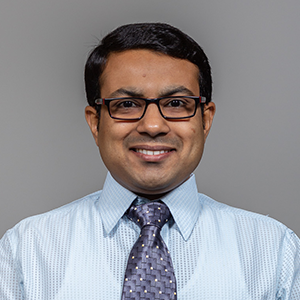
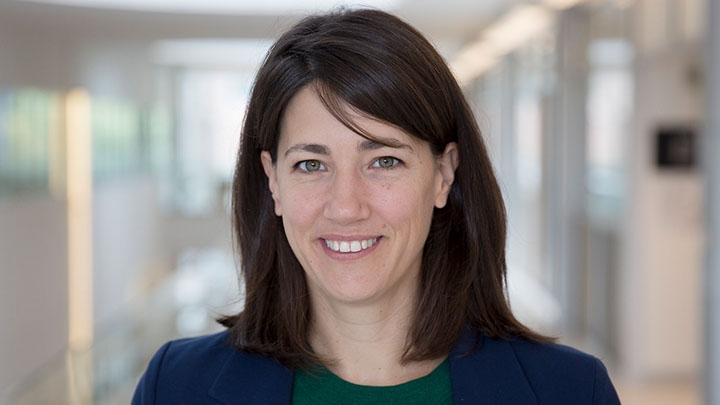
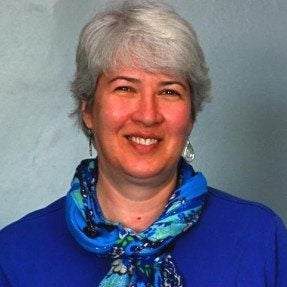
Professor Charles G. Smith is a prominent academic in quantum physics and nanotechnology at the University of Cambridge's Cavendish Laboratory, affiliated with the Ray Dolby Centre for Quantum Information and Control. His research focuses on semiconductor nano-devices, quantum transport, and hybrid superconductor-semiconductor systems. He pioneered work on GaAs quantum dots, single-electron charge measurement techniques, and cryogenic scanning probe methods. Smith has developed novel low-temperature measurement tools and contributed to carbon-based nanoelectronics and graphene research. He leads major grants, including EPSRC projects on quantum integrated circuits and many-body localization. He founded Cavendish-Kinetics and Cambridge Lab on Chip, leveraging his nano-mechanical and microfluidic innovations. His work bridges fundamental physics with scalable quantum technologies. Education & Research Expertise: PhD in Physics (Implied by career trajectory) Extensive post-1985 contributions to nano-device physics Research Highlights: Quantum dot arrays and cryogenic multiplexing for high-throughput analysis Hybrid superconductor-semiconductor devices for quantum applications Graphene-based electronics and magnetoresistance phenomena Scalable quantum integrated circuits and error mitigation strategies Grant Leadership & Industry Impact: EPSRC Grant EP/S019324/1: Scaling quantum devices Program Grant EP/R029075/1: Non-Ergodic Quantum Manipulation Two spin-out companies commercializing nano-technology Labs & Facilities: Active in Cavendish Laboratory’s cutting-edge nanofabrication and cryogenics facilities, supporting large-scale quantum device integration.
Akshay Narayan is a Senior Lecturer (Educator Track) at the School of Computing, National University of Singapore (NUS), where he teaches senior undergraduate and graduate-level courses in AI Planning and Decision Making, as well as introductory and intermediate-level Software Engineering courses. Education: Ph.D. in Computer Science from National University of Singapore (completed in 2020) M.Tech. in Information Technology from International Institute of Information Technology Bangalore, India B.E. in Computer Science & Engineering from Visveswaraya Technological University, India Research Interests: Dr. Narayan's research spans multiple domains within computer science with a primary focus on artificial intelligence and its applications. His current research centers on transfer learning in reinforcement learning, multi-agent decision making, and AI planning. He has also made significant contributions to cloud computing research, particularly in areas such as smart metering, chargeback systems, power-aware cloud metering, and workload analysis for virtual machine sizing. His work bridges theoretical foundations with practical applications, addressing real-world challenges in computing systems. He has recently expanded his research to include technology in education, exploring how AI can be integrated into teaching and learning processes. Publication Trends: Dr. Narayan's publication record demonstrates a clear evolution from foundational work in cloud computing to more recent explorations in reinforcement learning and AI education. His early work focused on practical applications in cloud systems, including smart metering and QoS monitoring. More recently, his research has shifted toward AI planning, decision making, and the educational applications of AI. This progression shows his ability to adapt to emerging fields while maintaining a strong foundation in systems research. Awards and Recognition: Teaching and Mentoring: Dr. Narayan teaches a variety of courses at NUS including CS2113 Software Engineering & Object-Oriented Programming, CS3219 Software Engineering Principles and Patterns, CS3268 Responsible AI: From Algorithms to Impact, and IT5100F Industry Readiness: Data Analytics and AI in Practice. He has also taught CS4246/CS5446 AI Planning and Decision Making. His teaching approach integrates his research expertise with practical applications, providing students with both theoretical foundations and hands-on experience. He has taught these courses across multiple academic years from AY-2013/14 through AY-2020/21. Research Groups and Collaborations: Dr. Narayan has collaborated with researchers across multiple institutions, including work with Prof. Tze Yun Leong at NUS (his PhD advisor), Shrisha Rao, Zhuoru Li, and others. His research has often involved interdisciplinary collaborations that bridge theoretical computer science with practical system implementations.
Yi-Chen Wang is an Associate Professor and Vice-Dean in the Department of Geography at the National University of Singapore, with a visiting position at Taipei Medical University. She holds a PhD in Geography from the University at Buffalo and researches spatial health, neglected tropical diseases, and land use change. Research integrates geospatial technologies to examine relationships between environmental factors and infectious diseases. Current projects investigate liver fluke transmission dynamics in Thailand's Mekong Region and COVID-19 vulnerability in urban Singapore. Work emphasizes human-environment interactions, landscape ecology, and socio-ecological determinants of disease risk. Publications focus on spatial epidemiology, urban health vulnerabilities, and cultural-environmental interactions. Research employs network analysis, GIS mapping, and field surveys to address public health challenges in Southeast Asia. Teaches courses in cartography, geovisualization, environmental modeling, and research methods. Developed GIS minor and master's programs at NUS. Conducts workshops on health GIS applications internationally.
Kathleen H. Sienko is the Arthur F. Thurnau Professor in the Department of Mechanical Engineering at the University of Michigan's College of Engineering. She directs the Sienko Research Group, a multidisciplinary lab focused on developing technological solutions at the intersection of healthcare and engineering. Her work spans medical device design, design science, and engineering education with a strong emphasis on global health contexts. Dr. Sienko earned her Ph.D. in Medical Engineering and Bioastronautics from the Harvard-MIT Division of Health Sciences and Technology (HST) program in 2007, an S.M. in Aeronautics & Astronautics from MIT in 2000, and a B.S. in Materials Engineering from the University of Kentucky in 1998. Ph.D., Medical Engineering and Bioastronautics, Harvard-MIT Division of Health Sciences and Technology, 2007 S.M., Aeronautics and Astronautics, Massachusetts Institute of Technology, 2000 B.S., Materials Engineering, University of Kentucky, 1998 Her research focuses on sensory augmentation, rehabilitation engineering, biomechanics, and medical device design with emphasis on global health contexts and task-shifting devices. She has pioneered efforts to incorporate global health technology constraints within engineering design education at undergraduate and graduate levels, establishing field sites in sub-Saharan Africa and Asia where numerous devices have been conceptualized and refined with local stakeholders. Her work in design science examines how and when designers use prototypes in development cycles and how prototypes assist during stakeholder interactions and user requirements identification. Her recent publications reveal a strong trend toward human-centered approaches in global health design, with increasing focus on stakeholder engagement, contextual factors in engineering design, and equity considerations in health technology development. Her work bridges biomechanics, rehabilitation engineering, and design methodology with applications in balance assessment, medical device development for low-resource settings, and engineering education. Dr. Sienko has received numerous prestigious awards including the NSF CAREER Award, University Undergraduate Teaching Award, Provost's Teaching Innovation Prize, and the Miller Faculty Scholar Endowed Award. Her recognition spans teaching excellence, research innovation, and outreach contributions. NSF CAREER Award, 2009 Provost's Teaching Innovation Prize, 2012 Miller Faculty Scholar Endowed Award, 2013 University Undergraduate Teaching Award, 2012 Raymond J. and Monica E. Schultz Outreach and Diversity Award, 2011 She has advised numerous graduate students including Nick Moses (who defended his dissertation in December 2023), Lucy Spicher, Marty Kilbane, and Ibrahim Mohedas. Her research has been supported by significant grants from the National Science Foundation, including the CAREER program, Research Initiation Grants in Engineering Education, and the Graduate Research Fellowship program, as well as funding from the University of Michigan's Rackham Merit Fellows program and Center for Research on Learning and Teaching. The Sienko Research Group operates as a talented multidisciplinary lab developing novel methodologies to create technological solutions addressing pressing societal needs at the healthcare-engineering intersection. Current research thrusts include Design Science, Autonomous Vehicles, Balance, Sensory Augmentation, and Wearable Devices, with particular emphasis on how design ethnography can inform medical device development and how engineering students develop ethnographic skills for global health contexts.
Dr. Dhaneswar Bhoi is a Lecturer in Sociology, Psychology, and Research Methods at London School of Science and Technology (affiliated with University of West London, De Montfort University, and Buckinghamshire New University). He recently completed his Post-Doctorate at the Centre for South Asian Studies, University of Edinburgh, UK, focusing on "Higher Educational Experience and Aspiration of Marginal Community Students in India and United Kingdom". He is currently pursuing a PG Certificate in Learning and Teaching in Higher Education at the University of London. Educational Background: Post-Doctorate in Sociology, University of Edinburgh, UK PhD in Social Science, Tata Institute of Social Sciences, Mumbai M.Phil in Sociology, Dr. B.R. Ambedkar National Institute of Social Sciences, Mhow MA in Sociology, University of Delhi MA in Education, Ravenshaw University, Cuttack Dr. Bhoi's research explores caste-based discrimination in education systems, mental health of marginalized students, educational equity, and public policy impacts on Dalits and tribal communities. His work critically examines neoliberal education policies and their effects on access and inclusion for scheduled castes and tribes. He has published extensively in Scopus-indexed journals and presented over 75 conference papers globally. His academic output demonstrates a consistent focus on the intersection of caste, education, and mental health through sociological and psychological lenses. Key sub-fields include educational policy analysis, psycho-emotional experiences of marginalized students, cultural bias in academia, and social justice frameworks in higher education. Scientific Awards: Dr. Ambedkar International Centre Fellow Award (2020-2023) International Conference Grants (ISS Netherlands, ICSSR India, Roskilde University Denmark, ISA Spain) UGC Study Tour Award (UK/USA, 2015-16) Dr. Bhoi serves as Associate Editor for the Journal of the World Universities Forum and as reviewer for multiple academic publications. He teaches courses on Sociology of Education, Mental Health, Ambedkar's Philosophy, and Educational Policy.
Janet McGaw is an Associate Professor in Architectural Design at the University of Melbourne’s Faculty of Architecture, Building and Planning. She holds dual expertise as a registered architect and visual artist, with a PhD by Creative Works. Her research focuses on equitable, sustainable urban spaces and the intersection of place, identity, and health. Key projects include the Million Minds Program (2019–2024), co-leading investigations into Indigenous cultural practices’ impact on youth well-being, and the Yalinguth audio app project (2014–present). She has led major grants like the ARC Linkage Grant on Indigenous Placemaking (2010–2014) and pioneered creative collaborations in bio-materials research. Education includes a PhD by Creative Works and prior degrees from the University of Melbourne. She coordinates the Master of Architecture’s core design studio, emphasizing culturally sensitive design. Leadership roles include Chairing the Architecture Design Studios review (2022), co-chairing decolonization curriculum reforms, and Pathway coordination in Bachelor programs (2015–2019). Research interests span decolonial design, Indigenous health, and creative methodologies. Recent publications (2023–2025) explore cultural therapy models for Indigenous youth mental health, bioinformed materials, and community-driven placemaking. Her work bridges art, architecture, and public health, advocating for marginalized voices in urban spaces. Awards include the 2007 Dean’s Prize for Research and RAIA Vic Chapter recognition. She actively collaborates with First Nations Elders and interdisciplinary teams on projects like the Mycelium Matters Webinar and spatial design interventions in Melbourne.
Justin Kruger is an Associate Professor of Marketing at the Leonard N. Stern School of Business, New York University, where he joined in 2005. His academic journey began with a B.S. in Psychology from Santa Clara University in 1993, followed by a Ph.D. in Social Psychology from Cornell University in 1999. Professor Kruger's research focuses on everyday judgment and decision making, with specific emphasis on: Overconfidence in planning and self-assessment Myopia in comparative judgment Egocentrism in perspective taking Everyday heuristics Consumer Psychology and Behavior His work has been featured in numerous scholarly journals including the Journal of Consumer Psychology, Journal of Consumer Research, Journal of Experimental Social Psychology, Journal of Personality and Social Psychology, and Psychological Science. His research has also gained significant media attention, appearing in Newsweek, US News & World Report, The New York Times, The Harvard Business Review, as well as NPR and the BBC, with his work cited over 2,500 times (Google Scholar, March 2011). Professor Kruger has received several prestigious awards and grants: National Science Foundation Research Grant (2004) Department of Psychology, University of Illinois Hohenboken Teaching Award (2003) University of Illinois Research Board Research Grant (2000) Department of Psychology, Cornell University Graduate Teaching Award (1998) Incomplete List of Teachers Rated "Excellent" by their Students, University of Illinois (2000) At NYU Stern, Professor Kruger teaches Judgment and Decision Making in undergraduate, MBA, and PhD programs. His research reveals patterns in how people make judgments about themselves and others, with particular focus on the cognitive biases that lead to overconfidence, miscommunication, and poor decision making. His most influential work includes studies on the Dunning-Kruger effect (where incompetent people fail to recognize their incompetence) and egocentrism in communication (particularly in digital contexts like email).
Neil Dalal is an Associate Professor at the University of Alberta, holding a joint appointment in the Department of Philosophy and the Religious Studies Program. He specializes in South Asian Philosophy and Religious Thought, with expertise in Advaita Vedānta, Yoga philosophies, and Buddhist thought. His research bridges Philosophy and Religious Studies, focusing on contemplative practices, meditation, and self-inquiry in classical Indian traditions. Education: PhD in Asian Cultures and Languages (University of Texas at Austin), MA in East-West Psychology (California Institute of Integral Studies). He has also engaged in extensive fieldwork with Indian monastic renouncers and traditional scholars. Research interests include sudden vs gradual enlightenment in Advaita, meditational roles of memory, philosophy of dreaming, and Yogic approaches to well-being. Current projects explore these themes through close readings of Advaita philosophers like Śaṅkarācārya and their interpretations of Upaniṣads and Bhagavadgītā. Teaching spans undergraduate and graduate courses such as 'Happiness in Indian Philosophy,' 'Meditation and Mind in Indian Philosophy,' 'Advaita Vedānta: India’s Philosophy of Nonduality,' and courses on Hinduism, Buddhism, and Eastern Religions. He also teaches Environmental Ethics and Comparative Philosophy. No scientific awards or grants are explicitly listed in the provided texts. His academic service includes course coordination in Philosophy and Religious Studies programs.
Briahna Yuodsnukis is a Clinical Assistant Professor in the Department of Psychology at the University of Illinois Chicago (UIC), affiliated with the College of Liberal Arts and Sciences. She specializes in clinical psychology with a focus on LGBTQ+ populations and trauma-informed care. Her clinical training includes roles at the Medical College of Georgia/Charlie Norwood VA and Lurie Children’s Gender & Sex Development Program. Dr. Yuodsnukis holds a PhD in clinical psychology from Palo Alto University, with an emphasis on LGBTQ+ psychology. Her professional memberships include the American Psychological Association (APA) Divisions 44, 45, 53, and 54, reflecting her commitment to cultural competency, pediatric psychology, and gender diversity research. Her research examines minority stress among transgender, intersex, and gender-diverse individuals, including adaptations of the minority stress model for intersex/DSD populations, sexual victimization experiences, and disordered eating in youth. She integrates cognitive behavioral approaches to address trauma and anxiety while emphasizing interdisciplinary collaboration. While supervising students in the program, she does not maintain an active research lab or accept graduate students. Her clinical work prioritizes mental and sexual well-being for marginalized communities through a culturally responsive lens.
Dr. Krista Stelkia is an Assistant Professor in the Faculty of Health Sciences at Simon Fraser University and Director of the Centre for Collaborative Action on Indigenous Health Governance. She is Syilx/Tlingit from the Osoyoos Indian Band. With over 15 years of experience working with First Nations communities, her interdisciplinary research investigates structural determinants of Indigenous health. Education: B.A. Criminology, M.A. Criminology, and Ph.D. Health Sciences from Simon Fraser University. Research Interests: Her work focuses on Indigenous health governance, structural racism, land-based wellbeing, and community-based research. She leads multiple projects including: Indigenizing Health Research Ethics; British Columbia Network Environment for Indigenous Health Research (BC NEIHR); Ărramăt Project on traditional medicine; and addressing racism in healthcare systems. Research Publications: Her recent publications demonstrate consistent focus on decolonizing health research methodologies, Indigenous self-determination in health governance, and analyzing systemic barriers to health equity. Articles frequently employ community-based participatory approaches and emphasize cultural safety frameworks. Scientific Awards: No awards listed Advising and Grants: No student advising information provided. Current grants include CIHR-funded projects on health research ethics and addressing racism in healthcare systems. Labs and Teams: Leads the Centre for Collaborative Action on Indigenous Health Governance, a partnership between SFU and First Nations Health Authority.
Dr. Laura J. Bishop is an Associate Teaching Professor and Academic Program Director at Georgetown University's Kennedy Institute of Ethics. She leads curricular and extracurricular initiatives for undergraduates, advises on the Philosophy and Bioethics minor, founded the Undergraduate Bioethics Showcase, collaborates with the Undergraduate Bioethics Society, and develops content for the annual Conversations in Bioethics program. She also administers the Institute's visiting researcher program and identifies collaborative opportunities for bioethics education globally. Education: Dr. Bishop earned her PhD in Philosophy (Bioethics concentration) from Georgetown University and holds a Bachelor's degree in Biology with a minor in Science and Human Values from Wells College. Research Focus: Her interdisciplinary work spans ethics pedagogy, healthcare policy, and societal engagement with science. Key themes include: Family dynamics in medical decisions Integration of bioethics into secondary education Cinematic representations of ethical dilemmas Ethical frameworks in dental practice Awards & Honors: Fellow, American College of Dentists (elected recognition for contributions to dental ethics) Professional Leadership: She convenes the Dental Ethics Affinity Group at the American Society for Bioethics and Humanities and collaborates with NIH, the Northwest Association for Biomedical Research, and high school educators to develop ethics curricula.
Arianne Teherani, PhD, is Professor in Residence in the Department of Medicine at the University of California, San Francisco (UCSF) School of Medicine. She serves as Founding Co-Director of the UC Center for Climate, Health and Equity and Director for Program Evaluation and Education Continuous Quality Improvement at the UCSF School of Medicine. She earned her undergraduate degree in Social Ecology from the University of California, Irvine, her master's and doctorate in Education from the University of Southern California, and completed a fellowship in Higher Education at the University of British Columbia. Dr. Teherani’s research advances equity, social justice, and climate solutions in health professions education. Her work identifies and dismantles practices that perpetuate educational disparities. She leads initiatives in equitable clinical assessment, climate-health education, and sustainable healthcare training. Her scholarship focuses on educational reform, faculty development, and community-engaged learning. She has published extensively on topics including clerkship equity, professionalism, longitudinal integrated clerkships, and the integration of climate change into medical education. Her recent publications demonstrate a strong trend toward climate-health education, healthcare decarbonization, and equity in assessment. She frequently collaborates with national and UC-system-wide teams on sustainability and educational innovation. Her work emphasizes systems-level change and the translation of research into policy and practice. UCSF Faculty Sustainability Award UC Sustainability Champion Award Faculty Climate Action Champion (University of California system) Dr. Teherani mentors students, residents, fellows, and faculty in health professions education. She has led numerous educational initiatives, including the Aspiring Physicians Program and the Academic Leadership Academy, aimed at supporting underrepresented students. She has also driven continuous quality improvement in medical education through rigorous evaluation of innovative programs. Her leadership extends to national organizations including the Association of American Medical Colleges, the American Educational Research Association, and the National Academies of Science, Engineering, and Medicine. She leads the Equity and Justice in Education initiative and is deeply involved in antiracism and DEI efforts. She co-leads faculty development programs focused on sustainable healthcare and climate education across the UC system.
Yves Guillaume is a Professor of Organisational Behaviour at the University of Liverpool Management School. Previously, he held positions at Ludwig Maximilian University of Munich and Aston Business School. His research focuses on diversity, leadership, innovation, team/organisational effectiveness, and well-being. He collaborates with businesses on applied research in these areas. Affiliations: University of Liverpool Management School (current), Ludwig Maximilian University of Munich (former), Aston Business School (former). Education: No explicit degrees listed, but prior academic roles imply PhD-level qualifications in Organisational Behaviour or related fields. Research interests include leader emotional complexity, ethics-related mentoring, transformational leadership, and the impact of diversity on organisational outcomes. His work is funded by the Economic and Social Research Council (ESRC) and industry partnerships. Recent studies explore how leader behaviors influence follower creativity and ethical decision-making, with a focus on balancing innovation with employee well-being. Teaching responsibilities include the module Managing Performance, Development, Reward, and Well-being (ULMS784), emphasizing practical applications of organisational behavior theory.
Dr. Mona Mustafa is an Associate Professor at the University of Birmingham’s Birmingham Business School and serves as the Program Director for the MSc HRM at the Dubai campus. She holds a PhD in Management from the University of London and has over a decade of teaching experience at institutions including the University of London and City Business School. She is a Chartered Member of the Chartered Institute of Personnel and Development (MCIPD) and holds professional certifications in Mental Health First Aid, Cultural Intelligence, and Occupational Health and Safety from the United Nations’ ILO. Her research interests include remote working , employee wellness , workplace health and safety , expatriate management , and the impact of artificial intelligence on education . She is particularly focused on sustainability, inclusivity, and the future of work. Her work has been published in top journals such as the International Journal of Human Resource Management and New Technology, Work and Employment , and she won a best paper award from the Federal Authority for Human Resources and Emiratisation (FAHRE) for her research on remote work and employee happiness. Her recent publications show a strong trend in exploring digital work environments, psychological wellbeing, and policy implications of remote work, especially highlighted during the pandemic. She also contributes to UNESCO reports on language and education in Arab countries. Best Paper Award, Federal Authority for Human Resources and Emiratisation (FAHRE), UAE (2020) Dr. Mustafa supervises postgraduate students in areas such as remote working, AI in education, expatriate management, and workplace wellbeing. She actively links academia with industry through her 'Future of Work' podcast, collaborating with organizations like Microsoft, IBM, PepsiCo, PwC, Unilever, and the Ritz-Carlton. She is involved in current research projects on Chinese expatriates in the UAE, Third Culture Kids, and AI in education promoting equity, diversity, and inclusion. She teaches courses including The Future of Work , Human Resource Development , Organizational Behavior , and Workplace Health and Safety . Her professional engagements reflect a deep commitment to bridging academic research with real-world organizational challenges.
Iolanda Costa Galinha is an Assistant Professor at the Faculty of Human Sciences, University of Porto, and a researcher at the Research Centre for Psychological - Family and Social Wellbeing (CRC-W). She holds a PhD in Psychology from the University of Porto, awarded in 2006, with a focus on cognitive, temperamental, and contextual factors of subjective well-being. Institution: University of Porto School: Faculty of Human Sciences Research Unit: Research Centre for Psychological - Family and Social Wellbeing (CRC-W) Academic Rank: Assistant Professor Her research is centered on psychological and social well-being, with a strong emphasis on subjective well-being, authenticity, cognitive function, and socioemotional development across the lifespan. She investigates both children and older adults, applying intervention-based methodologies such as guided imagery for schoolchildren and community singing programs for the elderly. Recent publications (2023–2025) reflect a consistent trend in randomized controlled trials assessing psychosocial and physiological outcomes of behavioral interventions. Her work integrates psychological theory with public health applications, particularly in educational and community settings. Keywords across her research include socioemotional learning, cognitive function, mental health, authenticity, and intervention efficacy. While no formal awards are listed in the provided text, her extensive publication record and leadership in multiple RCTs indicate significant scholarly impact. She has not received any explicitly mentioned scientific awards in the source material. Iolanda Costa Galinha supervises research and contributes to academic training, though specific student names are not listed. She has secured research activity over two decades, with continued output through 2025. Her work involves interdisciplinary collaboration, particularly in health psychology, gerontology, and education. She is involved in research labs and teams focused on psychological well-being, including the CRC-W, where she contributes to projects on mental health, cognitive development, and community-based interventions. Her recent trials (e.g., MindRegulation, Sing4Health) suggest leadership in designing and evaluating innovative psychosocial programs.