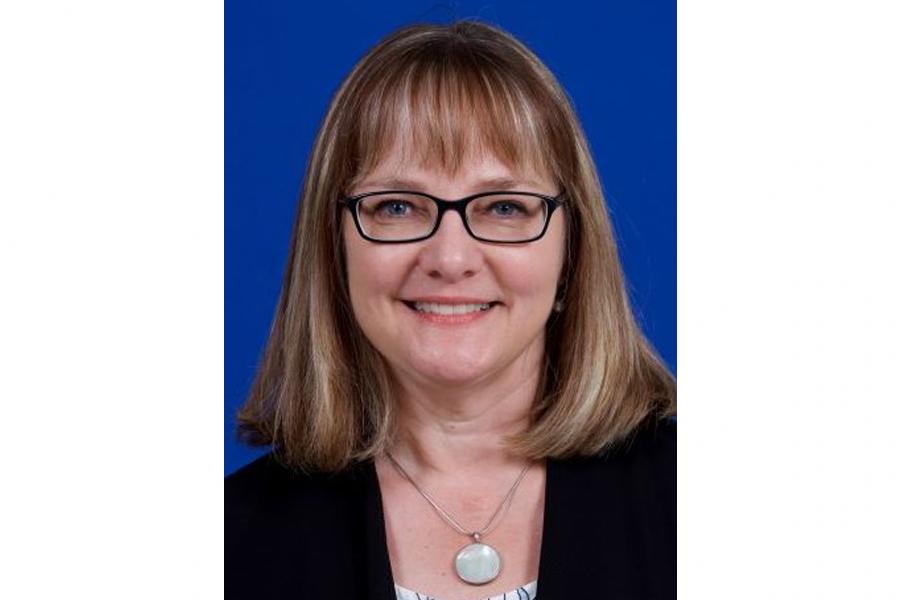
Michael Leblanc is an Associate Professor at Nova Scotia College of Art and Design (NSCAD) since 1990, concurrently serving as a Visiting Professor at Foshan University, China. He holds an Hon. BA from the University of Guelph and an MFA from York University, specializing in drawing and printmaking. His academic leadership roles include 15 years as Chair of the Division of Design and two years directing NSCAD's Master of Design program. Education: Hon. BA (University of Guelph), MFA (York University) Research focuses on UI/UX design, web-based systems, and 3D design with a focus on data-driven applications. Collaborative work includes a Mitacs Accelerate grant ($100k) with Saint Mary’s University to address medication adherence in elderly patients through smart home monitoring systems. Prior industry roles include Creative Director positions at Origin BioMed, PhotoPoint, Knowledge House, and ITC Learning. His creative practice spans exhibitions like The Technology of Good Intentions (2013) and the 2016 biography of Canadian War Artist Eric Aldwinckle. Grants: Mitacs Accelerate Grant (2021), Collaborative interdisciplinary healthcare tech project Labs/Teams: Leads NSCAD's interdisciplinary design initiatives with Saint Mary’s University computer science students through grant-funded internships.
Dr. Nancy Lee Heath is a Distinguished James McGill Professor in the Department of Educational and Counselling Psychology (ECP) at McGill University. She leads the Development and Intrapersonal Resilience Research (DAIR) Team and co-founded the Self-Injury Outreach and Support (SiOS) initiative. Her work focuses on mental health resilience in educational settings, particularly in children, adolescents, and young adults. She has pioneered research on non-suicidal self-injury and developed mindfulness-based interventions. Dr. Heath holds a PhD in Human Development from OISE (University of Toronto) and completed a postdoctoral fellowship at the University of Ottawa. Her academic positions include Director of Education for Mental Health Resilience (EMHR) and Research Partner at the Centre of Excellence for Mental Health (CEMH). Her research integrates applied and basic science, emphasizing participatory action research with community partners and individuals with lived experience. Key areas include emotion regulation, stress management, and stigma reduction around self-injury. Over 25 years, she has collaborated extensively with schools and educational institutions. Dr. Heath has secured grants from major national and international agencies, including CIHR. She is a Past-President of the International Society for the Study of Self-Injury (ISSS) and has been recognized with awards for mentorship (CAGS, David Thomson Award) and teaching excellence. Her lab’s outreach includes workshops for educators, web-based resources for students, and training programs for pre-service teachers. Current projects explore mindfulness efficacy, stress management in academic settings, and early intervention for at-risk youth.
Dr. Patricia Furer is an Associate Professor at the Max Rady College of Medicine , University of Manitoba , where she serves as Program Director for the clinical health psychology residency program. She is a licensed Clinical Psychologist and Director of the Anxiety Disorders Clinic at St. Boniface Hospital, specializing in cognitive-behavioral treatment of anxiety disorders. Education : PhD in Clinical Psychology, MA in Clinical Psychology, BA (Hons) – all from the University of Manitoba Her research focuses on web-based CBT interventions , stepped-care treatment models , and addressing perinatal anxiety through randomized controlled trials (RCTs). She has developed group CBT programs for perinatal anxiety, health anxiety, and mixed anxiety disorders. Dr. Furer actively teaches and supervises clinical health psychology residents, practicum students, and graduate students in the Department of Psychology. Her recent work includes an RCT examining web-based CBT for anxiety/depression in adults with IBD, and qualitative studies on perinatal women’s anxiety and help-seeking behaviors during the COVID-19 pandemic. Scientific Awards : Fellow, Clinical Section of the Canadian Psychological Association (2019) Contact: patricia.furer@umanitoba.ca | Phone: 204-787-7424 | Address: PZ350-771 Bannatyne Avenue, Winnipeg, Manitoba R3E 3N4 Canada
Marie-Michèle Dufour is an Associate Professor at the Université de Montréal, affiliated with the Faculté des arts et des sciences and the École de psychoéducation. She holds research affiliations with the Institut universitaire en déficience intellectuelle et en trouble du spectre de l'autisme (IU-DITSA) and the Réseau pour transformer les soins en autisme (RTSA). Her research focuses on three main axes: psychological well-being and positive approaches, complex issues like autism and intellectual disability, and AI/technology applications in healthcare settings. Her work includes studies on psychological distress in healthcare workers during the pandemic, interventions for autistic adults in residential settings, and AI-driven behavioral analysis. Notable awards include the 2022 Wiley Online Library top article for 'Artificial intelligence for the measurement of stereotypy.' She supervises multiple doctoral and master’s students and has secured grants from organizations like the CRSH and FRQSC. Dr. Dufour teaches courses such as PSE-2208 and PSE-6724, contributing to programs in psychoeducation at both undergraduate and graduate levels. Her interdisciplinary collaborations span institutions like UQAM and UQTR, emphasizing practical applications of research in clinical and organizational settings.
José CÔTÉ is a Full Professor in the Faculty of Nursing Sciences at the University of Montreal and a regular researcher at the Centre de recherche du Centre hospitalier de l'Université de Montréal (CRCHUM). She holds the Research Chair on New Nursing Care Practices (2005-2025) and has been instrumental in pioneering innovative nursing practices in digital health. Her work spans multiple programs including undergraduate and graduate nursing education at the University of Montreal. Dr. CÔTÉ's educational background includes: Baccalaureate in Nursing Sciences (1985, Université Laval) Master's in Nursing Sciences (1989, Université de Montréal) Doctorate in Nursing Sciences (1999, McGill University) Postdoctoral Fellowship (2002-2005, Université Laval) As a pioneer in digital health nursing, Dr. CÔTÉ created the TAVIE™ concept (Traitement Assistance Virtuelle Infirmière et Enseignement) for supporting people in managing chronic health conditions. Her research focuses on innovative nursing interventions using information and communication technologies to improve chronic disease management, particularly for people living with HIV/AIDS. She explores how virtual nursing interventions can enhance therapeutic education, patient empowerment, and accessibility to healthcare services, with particular attention to salutogenesis and care continuum. Analysis of Dr. CÔTÉ's recent publications reveals a strong emphasis on digital health interventions for chronic disease management, particularly in HIV/AIDS care, mental health, and substance use disorders. Her work consistently explores how technology-mediated nursing interventions can improve patient outcomes, with a focus on virtual care models, patient empowerment, and tailored therapeutic approaches. The interdisciplinary nature of her research spans nursing, psychology, digital health, and public health, reflecting her commitment to innovative, evidence-based nursing practices. Dr. CÔTÉ has received numerous prestigious awards including: Fellow of the Canadian Academy of Nursing Sciences (2024) SIDIIEF International Recognition Award (2025) Canadian Association of Schools of Nursing Award Y Foundation for Women Award Order of Nurses of Quebec Award Quebec Government Women's Status Secretariat Award Millenia 2015 International Foundation Award Sanofi International Award Dr. CÔTÉ has supervised numerous graduate students across multiple cohorts, guiding PhD and Master's research in areas related to digital health nursing, chronic disease management, and HIV/AIDS care. Her research program is extensively funded by major Canadian research agencies including the Canadian Institutes of Health Research (CIHR), the Fonds de recherche du Québec - Santé (FRQS), and the Fonds de recherche du Québec - Société et culture (FRQSC). Current projects include 'Accueillir la parole de ceux qui cherchent refuge' (2025-2030), 'Science of Nursing and Health Practices' (2025-2030), and 'Réseau SOIN: SOigner et INnover avec et pour tous les acteurs du soin' (2024-2026). Dr. CÔTÉ co-directs the RRISIQ (Réseau de recherche en interventions en sciences infirmières du Québec), a research network focused on nursing interventions that brings together researchers from multiple Quebec universities. She is also affiliated with the CRCHUM research center where she conducts her clinical research. Her work with the TAVIE™ platform represents a significant technological infrastructure for developing and testing virtual nursing interventions across various chronic conditions.
Pascale Morin is a Full Professor at the University of Sherbrooke since 2021, specializing in health promotion through nutrition and physical activity research. Her work focuses on school environments, youth eating behaviors, and sports nutrition, with significant contributions to public health policy development in Quebec. Her academic background includes: PhD in Clinical Sciences (2001, Université de Sherbrooke) Master's in Education (1989, Université du Québec à Chicoutimi) Bachelor of Science in Nutrition (1985, Université de Montréal) Dr. Morin's research centers on health promotion and healthy lifestyles , with emphasis on youth eating habits and sports nutrition . She investigates social determinants of dietary behavior in schools, developing interventions for obesity prevention and mental health promotion. Her work bridges nutrition science with physical education through community-engaged methodologies. Analysis of her publications reveals consistent focus on school-based assessment tools and program evaluation. Key trends include digital questionnaire development for food environment monitoring, socioeconomic analysis of health disparities, and pandemic-related mental health impacts on adolescents. Her research demonstrates strong policy relevance with provincial and federal health agencies. Scientific recognition includes: Dean's Honor Mention 2nd Best Poster Award at AIESEP Congress Best Presentation Award at International Conference on Food and Nutrition Research Jury Award at Annual Public Health Days As Principal Investigator and Co-Investigator, she secured over $1.8 million in funding from CIHR, SSHRC, and Quebec Health Research Funds. Key projects include mental health promotion program HORS-PISTE ($1.3M), digital pedagogy for healthy lifestyles ($221K), and school food environment assessments. She has advised graduate students including Sara Grand'Maison, recipient of institutional graduate funding. Dr. Morin actively contributes to knowledge translation through scientific committees for Annual Public Health Days and University of Sherbrooke Research Day, plus methodological workshops on knowledge transfer using the Portrait des jeunes Sherbrookois study framework.