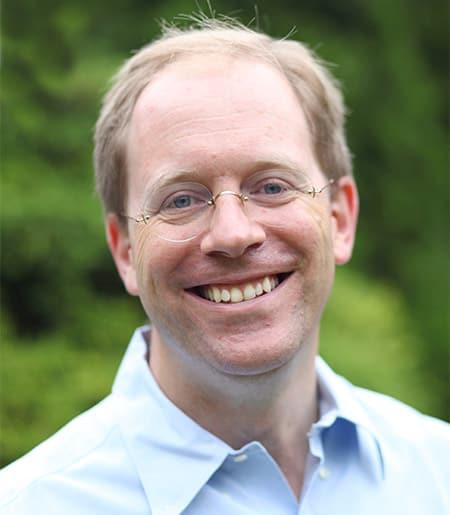
Jeffrey P. Bigham is an Associate Professor at the Human-Computer Interaction Institute within the School of Computer Science at Carnegie Mellon University . His research spans human-computer interaction , human-AI interaction , accessibility , dialog systems , NLP , and crowdsourcing . Current PhD Students: Hamza El Alaoui, Jessica Yin Huynh, Sara Kingsley, Peya Mowar, Yi-Hao Peng, Atieh Taheri PhD Graduates: Erin Brady, Yu Zhong, Ting-Hao Huang, Anhong Guo, Cole Gleason, Prakhar Gupta, Stephanie Valencia, Kundan Krishna, Jason Wu His work is funded by Apple , Bosch , DARPA , Google , Microsoft , the National Institute of Disability Rehabilitation Research , the National Science Foundation , and Yahoo! He also holds a CMU HCII Career Development Fellowship . Selected Awards: NSF CAREER Award 2019 Best Paper at ASSETS 2021 Best Paper Nomination at CHI 2024 Best Paper Nomination at CHI 2021 Best Paper Nomination at DIS 2021
Richard DUNCAN is a Professor in Conservation Biology at the University of Canberra's Science School and Department of Centre for Conservation and Ecology Genetics. His research focuses on the ecology of invasive species, particularly understanding how introduced species arrive, establish, and spread in new environments. Key areas include invasive weeds and pests, ecological community structure, and applying quantitative methods to address both fundamental and applied ecological questions. Education: PhD in Forest Ecology, University of Canterbury (1989, award date noted as 2024 in text) Research Interests: His work spans invasive species ecology, population dynamics, and restoration strategies. He employs diverse methods including field experiments, modeling, and genomics, with recent focus on grasslands and aquatic systems. Current projects address amphibian chytrid fungus, carp invasions, and rodent control. Articles Trends: Recent publications emphasize invasive species impacts on ecosystems, pathogen-driven niche contractions, and conservation tools like geospatial modeling and genomic simulations. Themes include species distribution modeling, pest management, and restoration ecology. Awards & Grants: Lead investigator on 35+ projects, including ARC Plant Biosecurity Training Centre and chytrid fungus mitigation efforts Associate Editor for Proceedings of the Royal Society B and Diversity and Distributions Advising: Accepting PhD students in invasive species ecology, with focus on using biological invasions to explore ecological theory and management applications. Labs/Teams: Collaborates widely on conservation genetics, aquatic invasions, and biosecurity, including work with the Biological Heritage Science Challenge and Indigenous Grasslands Trust.
Jeppe Lund Nielsen is a Professor in the Department of Chemistry and Life Sciences at the Faculty of Engineering and Science, Aalborg University, Denmark. His research lies at the intersection of microbial ecology, genomics, and environmental biotechnology, with a strong focus on sustainable solutions for wastewater treatment, anaerobic digestion, and environmental monitoring. His primary research interests include Microbial Ecology, Functional Ecology, Genomics, Molecular and Technical Microbiology, Anaerobic Digestion, Metagenomics, and eDNA Metabarcoding . He applies molecular tools to understand microbial community dynamics in engineered and natural systems, particularly in wastewater and marine environments. His work contributes to the UN Sustainable Development Goals related to clean water, sustainable cities, and climate action. The recent publication trends reflect a strong emphasis on environmental applications of microbiome science, including nitrogen cycling in wastewater, bioaerosol exposure in workers, eDNA-based biodiversity monitoring, and valorization of waste streams through biotechnology. His articles frequently appear in high-impact environmental and microbiological journals and demonstrate interdisciplinary collaboration across engineering, ecology, and public health. Among his notable scientific contributions are leadership roles in significant research projects such as the AAU Bubble Project (Power2Proteins), JAMBO seabed impact study, and investigations into biotechnological pesticides. He has also contributed to public discourse through media engagement on topics like pesticide regulation and environmental innovation. Professor Nielsen has supervised PhD students, including M. Eskeldsen, and is actively involved in grants and collaborative research across Europe. He is a key member of research teams focused on environmental microbiology, wastewater biotechnology, and marine impact assessments. His lab integrates molecular biology, bioinformatics, and environmental engineering to address pressing sustainability challenges.
Timothy Riley is a Professor in the Department of Mathematics at Cornell University, affiliated with the College of Arts and Sciences. His research focuses on geometric group theory, studying infinite discrete groups through geometric lenses such as Riemannian manifolds, graphs, and cell complexes. Key interests include curvature, geometric features of group presentations, and algorithmic complexity. He holds a D.Phil. from Oxford University (2002). Research spans geometric aspects of the word problem, hyperbolic groups, Dehn functions, and applications to cryptography and topology. His work integrates algebraic, topological, and computational perspectives. Notable collaborations include studies on hydra groups, Cayley graphs, and asymptotic cones. Publications emphasize geometric topology and group theory, with contributions to understanding filling invariants and geometric algorithmic properties. His office is 403 Malott Hall, and he maintains an active personal web page. No explicit awards are listed in the provided text, though he was part of news items related to teaching honors in 2024.
Amanda Giang serves as Assistant Professor at the University of British Columbia's Faculty of Applied Science, Department of Mechanical Engineering, holding a Canada Research Chair in Environmental Modelling for Policy. She maintains a joint appointment with the Institute for Resources, Environment and Sustainability (IRES). Her educational background includes a B.A.Sc. from the University of Toronto, followed by M.S. and Ph.D. degrees from MIT, with postdoctoral training at MIT and Harvard. Dr. Giang's research employs interdisciplinary approaches to develop modeling tools for environmental policy analysis, focusing on pollution assessment, environmental injustice, and the intersection of air quality, decarbonization, and equity. Her work emphasizes action-oriented partnerships with community organizations and government health/environment agencies. Current projects address freight transport decarbonization equity, cumulative impact assessment methodologies for overburdened communities, and holistic environmental impact evaluation in technology design. Her recent publications demonstrate expertise across environmental modeling, policy analysis, and justice frameworks, with significant contributions to understanding spatial inequities in environmental risk distribution and developing community-engaged research methodologies. UBC Killam Research Prize, 2023 Dr. Giang actively collaborates with community groups and government authorities through her LEAP (Learning, Environmental Assessment, and Policy) research group. Her work integrates technical modeling with real-world policy applications, particularly in urban environmental planning contexts where equity considerations are paramount. She has developed innovative frameworks for cumulative impact assessment and environmental justice analysis that directly inform regulatory decision-making processes. Her research laboratory focuses on developing open-source modeling tools for environmental policy analysis while maintaining strong community partnerships that ensure research addresses pressing local environmental justice concerns.
Joshua D. Rabinowitz is a Professor of Chemistry and the Lewis-Sigler Institute for Integrative Genomics at Princeton University, where he also serves as Director of the Ludwig Princeton Branch. His research focuses on achieving a quantitative, comprehensive understanding of cellular metabolism, with applications in both basic science and medical research. Dr. Rabinowitz's research interests span multiple areas of metabolism and systems biology: Quantitative analysis of metabolic networks and regulation Metabolomics and measurement of metabolite concentrations and fluxes Cancer cell metabolism and therapeutic targeting Metabolic regulation in microbes (E. coli, Saccharomyces cerevisiae) Biofuel production (focusing on Clostridium acetobutylicum) Metabolic impact of pathogen infection (viral infection of human cells) His laboratory has developed innovative methods for measuring cellular metabolites using state-of-the-art mass spectrometry technology and approaches for quantitating metabolic fluxes through isotope-labeling data interpretation. Analysis of recent publications reveals a strong focus on NAD+ metabolism, cancer metabolism, metabolic adaptations in disease states, and the intersection of metabolism with immunology and neuroscience, particularly in areas like T cell metabolism, Alzheimer's disease, and cardiac function. Dr. Rabinowitz has received recognition as a Highly Cited Researcher by Web of Science, indicating significant impact in his field. He advises several graduate students and has mentored numerous alumni, including Michel I. Nofal, Edmundo Leiva III, and Sean Hackett. His research is supported by multiple programs including NIH NHGRI Training Program and QCB Graduate Program. The Rabinowitz Lab operates at the intersection of chemistry, biology, and computational science, with all projects involving a mix of biological experiments, metabolomics, and computation to achieve their goal of a holistic understanding of cellular metabolism.
Christopher Kruegel is a Professor in the Department of Computer Science at the University of California, Santa Barbara (UCSB), where he conducts research in systems security. He is affiliated with the International Secure Systems Lab (iSecLab) and was a co-founder of Lastline, Inc., which was acquired by VMware in 2020. His work focuses on creating practical security solutions that address real-world problems through system building and experimental validation. Professor Kruegel's research spans multiple areas of computer security including malware analysis, web security, network security, and vulnerability analysis. His work often involves developing systems that analyze programs for malicious behavior, scanning web applications for vulnerabilities, and improving privacy on social networks. He has made significant contributions to firmware security, smart contract analysis, and mobile security through his extensive publication record. His 15 most recent publications (2022-2023) demonstrate a strong focus on practical security solutions across diverse domains including firmware security (Shimware, Fuzzware), blockchain and smart contract security (Confusum Contractum, NFT security), mobile security (TEEzz, Columbus), and vulnerability detection techniques (Actor, Toss a Fault to Your Witcher). His research shows consistent innovation in security tools and methodologies with several papers receiving distinguished awards. Fellow of the Institute of Electrical and Electronics Engineers Outstanding Graduate Mentor Award, UCSB Academic Senate Distinguished Artifact Award for Fuzzware paper Distinguished Paper Award for Ramblr paper Best Student Paper Award for Detecting Spammers On Social Networks Professor Kruegel has advised numerous graduate students and collaborated extensively with researchers at UCSB and beyond. His work has been funded by various research grants supporting his security research initiatives. He is actively involved in the International Secure Systems Lab, which focuses on practical security solutions for real-world problems.
Zackary Johnson , the Juli Plant Grainger Associate Professor of Biological Oceanography and Marine Biotechnology at Duke University, leads interdisciplinary research at the intersection of marine microbiology and biogeochemical innovation. Affiliated with the Nicholas School of the Environment and based at the Duke Marine Laboratory , his work spans microbial ecology, algal biotechnology, and climate mitigation strategies. Education: Ph.D. in Marine Science (Duke University, 2004), B.S. in Biology (MIT, 1994) Research Interests focus on marine microbial communities, particularly the model phytoplankton Prochlorococcus , algal cultivation for sustainable bioproducts, and the ecological impacts of ocean acidification. His lab investigates microbial interactions across diverse environments—from coastal estuaries to open-ocean gyres—and develops technologies for carbon-negative aquaculture systems. Publications highlight expertise in microbial biogeography, algal biofuels, and climate-resilient marine food webs. Recent work explores drone-based ocean color sensing, Gulf Stream eddy microbiomes, and the role of Labyrinthulomycetes protists in carbon export. Scientific Awards: Juli Plant Grainger Associate Professorship DOE and NSF-funded projects Grants include high-profile initiatives like the Marine Algae Industrialization Consortium (MAGIC) and REU Site program for coastal research training. His lab maintains a dedicated research site for studying microbial dynamics and sustainable algal cultivation.
Michalis Vazirgiannis is a Professor at LIX, École Polytechnique (France) leading the Data Science and Mining (DaSciM) group. With academic backgrounds in Physics (Athens University), AI (Heriot-Watt University), and Informatics (Athens University), he has conducted research at Fraunhofer, Max Planck MPI, and INRIA/FUTURS while teaching at institutions across Greece, France, China, and Spain. His research spans Machine/Deep Learning for Graphs (GNNs, graph kernels, embeddings) Text Mining & NLP (Graph-of-Words, biomedical text analysis) Combinatorial Optimization for pandemic forecasting and energy systems Event/Anomaly Detection in time series and sensory data Industrial collaborations with Airbus, Google, Tencent, and BNP . He has supervised 29 completed PhD theses, published over 250 papers, and received prestigious awards including Marie Curie and Tencent Rhino-Bird Fellowships. His team leads the ANR-HELAS Chair (2020-2025) focusing on heterogeneous data deep learning.
Dr. Robert J. Teather is an Associate Professor and the Director of the School of Information Technology at Carleton University in Ottawa, Canada. He previously served as an interim Director of the School of Information Technology during the 2022-23 academic year. His academic journey includes a PhD in Computer Science from York University (2013) and a postdoctoral fellowship at McMaster University (2015). Dr. Teather's educational background includes: PhD in Computer Science from York University (2013) Master's Thesis: "Comparing 2D and 3D Direct Manipulation Interfaces" from York University (2008), which was awarded the Joseph Liu Thesis Award Dr. Teather's research broadly falls under the field of human-computer interaction, with specialization in 3D user interfaces, virtual reality, and user interfaces for computer games. His work establishes methods for direct comparison of 2D and 3D interfaces for conceptually equivalent tasks, such as selection and manipulation interfaces. He investigates factors influencing human performance in VR, including stereo 3D graphics, haptic feedback, and head-tracking. His research also evaluates novel user interfaces like tilt control or touchscreens, and examines human performance with game input devices in complex tasks involving navigation, selection, and manipulation of objects in game environments. His research has been published extensively in top venues including IEEE VR, ACM SUI, and Graphics Interface. Among his notable scientific achievements are: NSERC Postgraduate Scholarship during his PhD studies Ontario Graduate Scholarship during his PhD studies Best Paper Honourable Mention at the ACM Symposium on Applied Perception 2020 Best Demo Award for SUI 2017 Joseph Liu Thesis Award (2008) Dr. Teather actively supervises graduate students at Carleton University, currently overseeing multiple PhD and Master's students in the areas of human-computer interaction and interactive digital media. His research is supported by NSERC and the Canada Foundation for Innovation, providing funding for his students and laboratory equipment. His students have produced research spanning VR as a persuasive tool to improve vaccine confidence, selection performance using smartphones in VR, and text entry methods in virtual reality environments. Dr. Teather leads a well-equipped CFI-supported lab focused on virtual and augmented reality research. His team works collaboratively on projects related to interactive virtual reality systems, computer game user interfaces, and input devices for 3D interaction. The lab environment fosters interdisciplinary research with opportunities for students to work on cutting-edge VR/AR technologies and contribute to the growing field of spatial computing.
Dr. Erica Garcia is a Senior Lecturer in Environmental Science at Charles Darwin University’s Faculty of Science and Technology, specializing in aquatic ecology. She leads research on river, wetland, and groundwater ecosystems, focusing on food web dynamics and biodiversity in changing environments. Her current projects include citizen science initiatives for groundwater security and wetland condition assessments. Dr. Garcia holds a PhD from Michigan State University (2006) and a B.A. from the University of California, Berkeley (1999). She teaches courses in ecology and resource management and collaborates on interdisciplinary projects addressing water sustainability in Northern Australia. Her research spans observational, experimental, and molecular methods to understand ecosystem processes. Education: PhD in Zoology/Ecology, Evolutionary Biology and Behavior, Michigan State University (2000–2006) Bachelor of Science in Integrative Biology, University of California, Berkeley (1995–1999) Research Interests: Dr. Garcia’s work emphasizes freshwater ecosystems, including food web interactions, groundwater ecology, and the impacts of human activities on riverine systems. She employs eDNA, isotopic analysis, and remote sensing to assess ecosystem health and biodiversity. Current projects investigate groundwater resources and citizen science approaches to environmental monitoring. Grants & Projects: Co-lead on the Northern Australian Community Groundwater Security Project (citizen science) Principal Investigator for the Adelaide River Aquatic Ecosystem Mapping project (2023–2024) Collaborator on the Water Security for Northern Australia Program (2023–2026) Labs/Teams: She is affiliated with the Research Institute for the Environment and Livelihoods at CDU and collaborates with international networks on global river ecology and climate change impacts.
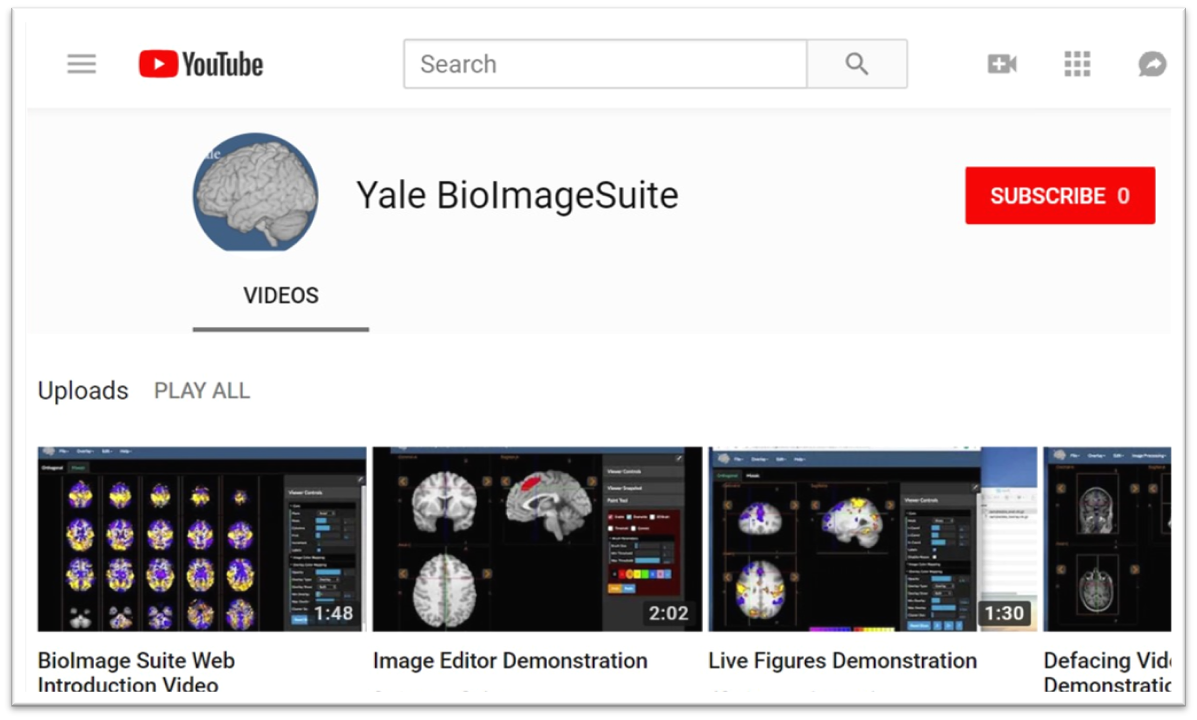
Xenophon Papademetris is a Professor of Biomedical Informatics & Data Science and Radiology & Biomedical Imaging at Yale School of Medicine. He serves as Associate Director of Biomedical Imaging Data Sciences at Yale Biomedical Imaging Institute and directs the Medical Software and Medical Artificial Intelligence Certificate Program. PhD in Electrical and Information Sciences from Yale University (2000) BA from Cambridge University (1994) Postdoctoral Fellowship at Yale University (2002) His research focuses on medical image analysis, machine learning, and biomedical software development. He has developed tools like BioImage Suite Web and contributed to standards committees at the Association for the Advancement of Medical Instrumentation (AAMI). His work spans modalities including MRI, CT, PET, and optical imaging. Recent publications emphasize neuroimaging analysis, explainable AI in healthcare, and multimodal data integration across species. He leads NIH-funded research under the BRAIN Initiative (R24 MH114805) and has authored a textbook on Medical Software published by Cambridge University Press. IEEE Senior Member Yale Brown-Coxe Postdoctoral Fellowship Harding Bliss Prize for Excellence in Engineering He directs the BioImage Suite Project, creating web-based image analysis tools using JavaScript and WebAssembly. His teaching includes both academic courses and a Coursera program on Medical Software with over 14,000 enrollments.
Michela Bertolotto is a Professor in the School of Computer Science at University College Dublin (UCD). Her research focuses on spatio-temporal data modeling, GIScience, and applications of geospatial technologies in fields like urban planning and health informatics. She leads a research group and has supervised 19 PhD and 8 MSc students. Her work includes innovations in LiDAR-based flood risk visualization, semantic web quality assurance, and open-source spatial data analysis. Bertolotto has held roles including College Lecturer at UCD (2000–2006) and postdoctoral research positions at the University of Maine and University of Genoa. Education: BSc and PhD in Computer Science from the University of Genoa (1993, 1998). Professional achievements include over 100 publications, 24 grants (e.g., Science Foundation Ireland-funded Urban ARK project), and editorial roles at journals like the International Journal of Geographical Information Science. Awards include the UCD President's Research Award (2001) and NATO Postdoc Fellowship (1998–1999). Research interests span map personalization, volunteered geographic information (VGI), and geospatial data quality. Her lab develops tools like the LAMSkyCam (low-cost sky imaging system) and dynamic flood risk viewers. She chairs international conferences and serves on program committees for GIScience events.
Norman Sadeh is a Professor in the School of Computer Science at Carnegie Mellon University (CMU), where he has made significant contributions to cybersecurity, privacy, and AI research. He has co-founded and co-directed several groundbreaking graduate programs at CMU, including the Privacy Engineering Program (2012-present), the Ph.D. Program in Societal Computing (2003-2013), and the MBA track in Technology Strategy and Product Management (2005-2017). Carnegie Mellon University, School of Computer Science Software and Societal Systems Department CyLab Security and Privacy Institute Manufacturing Futures Institute Dr. Sadeh received his Ph.D. in Computer Science at CMU with a major in Artificial Intelligence and a minor in Operations Research. He holds an M.Sc. in computer science from the University of Southern California and a BS/MS degree in electrical engineering and applied physics from the Free University of Brussels (Belgium) as 'Ingénieur Civil Physicien.' Professor Sadeh's research spans cybersecurity, online privacy, Human-AI Interaction, AI governance, mobile computing, the Internet of Things, user-oriented machine learning, and language technologies. He is particularly known for his pioneering work on AI-based privacy enhancing technologies, including privacy assistants, automated privacy compliance tools, and NLP-based privacy solutions. His work has influenced the design of privacy features at major technology companies including Apple, Google, and Facebook/Meta, as well as privacy policies at regulatory agencies like the Federal Trade Commission and the California Office of the Attorney General. Analysis of his recent publications shows a strong focus on practical privacy solutions, particularly in mobile and IoT contexts, with an emphasis on making privacy more usable and understandable for end users. His work bridges technical innovation with policy implications, addressing both the technological and human aspects of privacy protection. 2018 Outstanding Entrepreneur of the Year award from the Pittsburgh Venture Capital Association Test of time award by the AAAI Conference on Web and Social Media (ICWSM) Gartner Group's Magic Quadrant leader in Security Awareness Computer-Based Training for 4 consecutive years Deloitte's Technology Fast 500 recognition for 3 consecutive years Professor Sadeh has advised numerous students, including PhD candidates like Aerin (Shikhun) Zhang, whose dissertation focused on understanding diverse privacy attitudes. His research has been funded through various grants, including NSF SaTC projects, and has resulted in technologies that protect tens of millions of users worldwide. He also founded Wombat Security Technologies, which was acquired by Proofpoint in 2018 and whose technologies are used by over 75% of Fortune 100 companies. Professor Sadeh leads several research initiatives including the Privacy Engineering Program, the Usable Privacy Policy Project, the Personalized Privacy Assistant Project, and CMU's Privacy Infrastructure for the Internet of Things. His Mobile Commerce Lab and E-Supply Chain Management Lab have produced influential research that has been commercialized by major organizations including IBM, Raytheon, Boeing, and the U.S. Army.
Kathleen M. Carley is a full professor at Carnegie Mellon University's School of Computer Science with courtesy appointments in Engineering and Public Policy, Heinz School, and Electrical and Computer Engineering. As director of the Center for Computational Analysis of Social and Organizational Systems (CASOS) and the Center for Informed Democracy and Social-Cybersecurity (IDeaS) , she leads interdisciplinary research at the intersection of network science, cognitive modeling, and cybersecurity. Ph.D. in Sociology from Harvard University SB degrees in Economics and Political Science from MIT Her research focuses on Dynamic Network Analysis (DNA) and Social-Cybersecurity (SC) , developing tools like ORA (network analysis), AutoMap (semantic mining), Construct (influence simulation), and BotHunter (bot detection). She has over 400 publications and 15+ active research projects addressing disinformation, cognitive security, and organizational resilience. Recent work examines LLM-powered bots , multi-platform misinformation dynamics , and public health analytics . As an IEEE Fellow, she contributes to standards in computational social science while teaching courses on network analysis and complex socio-technical systems.