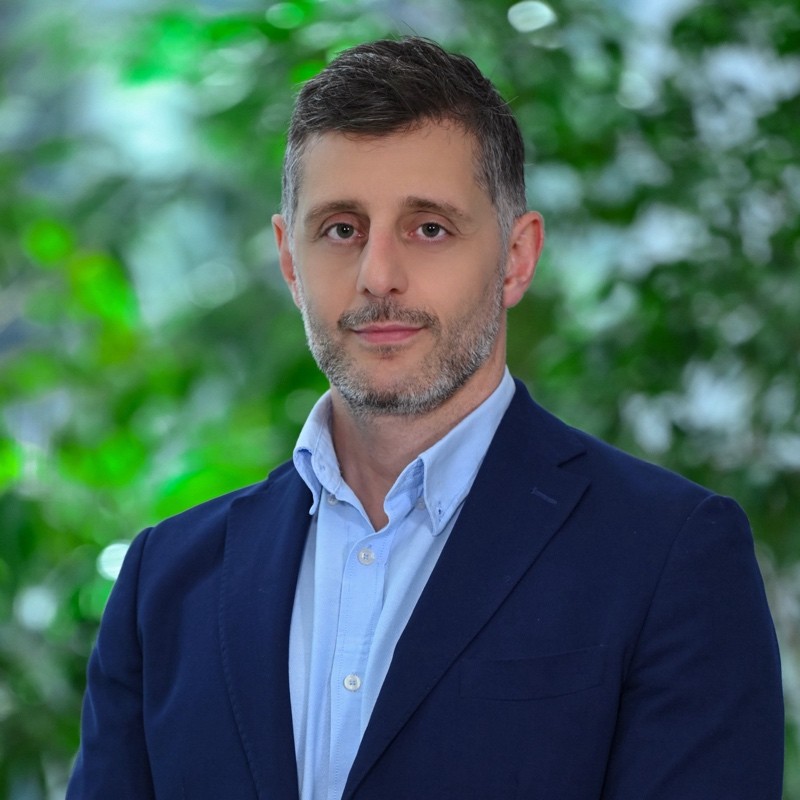
Soner Sonmezoglu is an Assistant Professor of Electrical and Computer Engineering at Northeastern University's College of Engineering. His research focuses on implantable and wearable medical devices enabled by advanced microelectronics and microfabrication for neurological, diagnostic, and therapeutic applications. He leads the Sonmezoglu Lab and has secured major grants including a $13M ARPA-H award for developing photoacoustic imaging systems for early lung cancer detection. Education: PhD in Electrical and Computer Engineering, UC Davis (2017) BSc and MSc in Electrical Engineering with a minor in Solid-State Physics, Middle East Technical University (2010-2012) Postdoctoral Researcher, UC Berkeley EECS (pre-2022) Research Interests: His work spans integrated circuits, micro/nano electromechanical systems (M/NEMS), neural interfaces, and medical device integration. Key projects include ultrasonic wireless neural interfaces and millimeter-scale oxygen sensors for deep-tissue monitoring. Current initiatives include the PAIL project for lung cancer diagnostics. Awards: UC Davis Graduate Division Fellowship Scientific and Technical Research Council of Turkey Graduate Fellowship Grants & Collaborations: Principal Investigator of ARPA-H's $13M PAIL initiative. Active in the Institute for NanoSystems Innovation, contributing to chip-level technology advancements. Labs/Teams: Directs the Sonmezoglu Lab at Northeastern, focusing on next-generation biomedical device innovation through interdisciplinary microsystems engineering.
Prof. Kwang W. Oh is a tenured Professor at the Department of Electrical Engineering and Department of Biomedical Engineering within the School of Engineering and Applied Sciences at University at Buffalo (SUNY at Buffalo) . He serves as the Director of Graduate Studies in Electrical Engineering and Director of SMALL (Sensors and MicroActuators Learning Lab) . His academic journey includes PhD and MS in Electrical and Computer Engineering from University of Cincinnati (2001, 1997) and BS in Physics from Chonbuk National University (1995). Prof. Oh's research expertise lies at the intersection of microfluidics , BioMEMS , and lab-on-a-chip technologies. His lab has pioneered vacuum-driven microfluidic devices , PDMS-based systems , droplet manipulation , and chemical-free fabrication techniques . His work enables point-of-care diagnostics , single cell analysis , and wearable medical sensors , with significant contributions to sample-to-answer nanosystems and world-to-chip interfacing . The scientific awards section highlights his excellence in teaching and research: SUNY Chancellor's Award for Excellence in Teaching (2020) Meyerson Award for Undergraduate Teaching (2019) Qualcomm Faculty Award (2019) Senior Teacher of the Year (2017) Royal Society of Chemistry's Emerging Investigators (2013) Samsung Electronics' CEO Honor (2003) His lab has produced numerous PhD and MS students including Dr. Anyang Wang (2020), Dr. Nikhila Nyayapathi (2020), Mr. Liam Christie (2021), and Dr. Domin Koh (2019). As a conference chair , he has organized symposia at NanoTech (2012-2026) and served as editorial board member for Sensors , Micromachines , and Biomedical Engineering Letters .
Yves Leterrier is a Senior Scientist and lecturer at École Polytechnique Fédérale de Lausanne (EPFL), where he has been a faculty member since 1993. He works in the Laboratory for Processing of Advanced Composites (LPAC) within the Institute of Materials at the School of Engineering. His academic career spans over three decades with significant contributions to sustainable materials science and polymer composite technologies. Senior Scientist, Laboratory for Processing of Advanced Composites (LPAC) Teaching roles in SMX and EDMX programs PhD program committee member for Materials Science and Engineering Author of over 300 technical articles including 145 peer-reviewed journal papers Leterrier's research focuses on sustainable materials and processes, particularly in polymer composites, multilayer and hybrid materials, photopolymerization and sol-gel processes, mechanics of thin films on polymers, and roll-to-roll process methods. His work bridges fundamental materials science with practical applications in flexible electronics, renewable energy, and sustainable packaging. He has pioneered techniques for creating bioinspired surfaces, diffusion-barrier coatings, and cost-effective manufacturing processes for advanced materials. His recent publications reveal a strong emphasis on water permeation monitoring in bioelectronic implants, fluorine-free superhydrophobic surfaces, and biobased composites using nanocellulose. His research shows a clear trajectory toward sustainable materials solutions with applications in medical devices, flexible electronics, and environmentally friendly packaging. The consistent theme across his work is the development of reliable, high-performance materials through innovative processing techniques and composite design. Leterrier actively contributes to the academic community through editorial roles, including serving on the editorial board of Applied Surface Science since 2012 and as Associate Editor for Frontiers in Materials since 2014. He coordinates EPFL's Minor on 'Engineering for Sustainability' and has been President of the EPFL Materials Science Library commission since 2000. His leadership extends to industry collaboration through multiple funded research projects. His current research portfolio includes significant projects such as BioPack (biobased packaging materials), FLEXCAN (flexible encapsulation of active implants), 3DP4PEACE (sustainable 3D printing), and DuPrintProtect (advanced manufacturing). Previously, he led projects including XinoCaps, UltraCeal, SUNLITE, and REFLEX, demonstrating consistent funding success across diverse materials science applications. He also serves on the board of the French Adhesion Society and has organized international symposia on materials and micro-technologies. Leterrier leads the Laboratory for Processing of Advanced Composites, where his team develops cutting-edge materials processing techniques. His work on photo-hyphenated methods, UV nanoimprint lithography, and electro-fragmentation analysis represents the laboratory's focus on innovative characterization and manufacturing approaches for advanced materials.
Dr. Seung Soon Jang is a Professor in the School of Materials Science and Engineering at Georgia Institute of Technology, joining in 2007. His research focuses on computational and theoretical approaches to design nanoscale systems, particularly in molecular electronics, fuel cells, and biotechnology. He holds fellowships from the American Chemical Society (ACS), American Physical Society (APS), American Society for Metals International (ASM Inter.), and Electrochemical Society (ECS). His research spans energy storage, environmental materials, and nanotechnology, with a strong emphasis on molecular simulations and DFT modeling. Education & Awards: Fellowships in ACS, APS, ASM Inter., and ECS. Research Interests: Biomolecular-solids, ceramics, nanomaterials, polymers, and energy/environmental applications. Dr. Jang advises three students and leads the CNBT Lab, exploring advanced materials for energy conversion and wearable technologies. His work integrates computational methods with experimental validation, addressing challenges in fuel cells, solar cells, and CO₂ reduction. Key achievements include developing durable electrocatalysts and novel membrane technologies.
Dr. Eric Meyers is an Assistant Professor in the Department of Bioengineering at the Erik Jonsson School of Engineering and Computer Science, University of Texas at Dallas. He holds a Ph.D. in Biomedical Engineering and dual Bachelor's/Master's degrees in Electrical Engineering from the same institution. His research focuses on closed-loop neurotechnology, neuromodulation, and bioelectronic medicine to enhance recovery from nervous system injuries. Key projects include developing wearable EMG sleeves for stroke rehabilitation and closed-loop neuromodulation systems to restore motor function. Education: B.S. (2012), M.S. (2018), Electrical Engineering; Ph.D. (2017), Biomedical Engineering – all from UTD His research interests span machine learning applications in neurorehabilitation, biomarker discovery for neurological conditions, and clinical translation of bioelectronic therapies. Recent work emphasizes wearable devices for real-time motor function assessment and neuromodulation-driven recovery strategies. Publications highlight advancements in EMG-based neural interfaces, closed-loop algorithms for stroke therapy, and innovative FES systems. His lab actively collaborates on projects funded by NIH and industry partnerships, with a focus on translating technologies to clinical settings.
Professor Sohini Kar-Narayan is a British-Indian materials scientist at the University of Cambridge, specializing in polymer-based materials for energy harvesting and biomedical applications. She serves as editor-in-chief of the journal APL Electronic Devices and leads innovative research on nanogenerators, microfluidic sensors, and bioelectronic interfaces. Education: Presidency University, Kolkata (undergraduate); Indian Institute of Science (PhD) Her research focuses on piezoelectric and triboelectric nanomaterials, with applications in self-powered wearable devices , orthopedic surgery sensors , and 4D-printed responsive systems . She develops scalable fabrication techniques like aerosol jet printing to bridge academic research and industrial innovation. The most recent publications highlight advancements in biopolymer-based energy harvesting , smart textiles , and microfluidic diagnostic tools , emphasizing interdisciplinary collaboration between materials science, biomedical engineering, and manufacturing technologies. Scientific Awards: Royal Society of Chemistry Peter Day Prize (2023), European Research Council Consolidator Grant (2023), Royal Academy of Engineering Fellowship (2024), Innovator of the Year (2024) Her work includes the development of the ArtioSense sensor for orthopedic surgery and collaborations with medical professionals to create workflow-compatible devices. She has received major funding from the European Research Council and leads a research group exploring sustainable energy solutions and bio-integrated electronics.
Dr. Changsheng Wu is a Professor at the National University of Singapore (NUS), leading the Lab for Intelligent Sensing, Harvesting and Actuation (LISHA). He holds a Bachelor's from NUS and a PhD from Georgia Tech, with postdoctoral research at Northwestern University. His work focuses on wireless wearables, bioelectronics, energy harvesting, and advanced manufacturing for sustainable solutions. Education: Bachelor in Engineering Science (First Class Honours), NUS PhD in Materials Science and Engineering, Georgia Institute of Technology Postdoctoral Research, Querrey Simpson Institute for Bioelectronics, Northwestern University Research Interests: Wireless bioelectronics for clinical health monitoring Energy harvesting via nanogenerators Soft skin-electronics interfaces using metastructures Programmable materials for adaptive systems Advanced manufacturing techniques for wearable devices Key Achievements: Over 50 publications and 5 patents Recipient of TechConnect 2018 Innovation Award and 56th R&D 100 Award Developed wireless implantable sensors for tissue monitoring and bioresorbable medical devices Teaching: MLE5220: Finite Element Method in Materials MLE5238: Bioelectronics Laboratory: His LISHA lab pioneers innovations in self-powered systems, wearable health monitoring, and biohybrid robots. Current projects include metamaterial-based sensors and sustainable energy conversion materials.
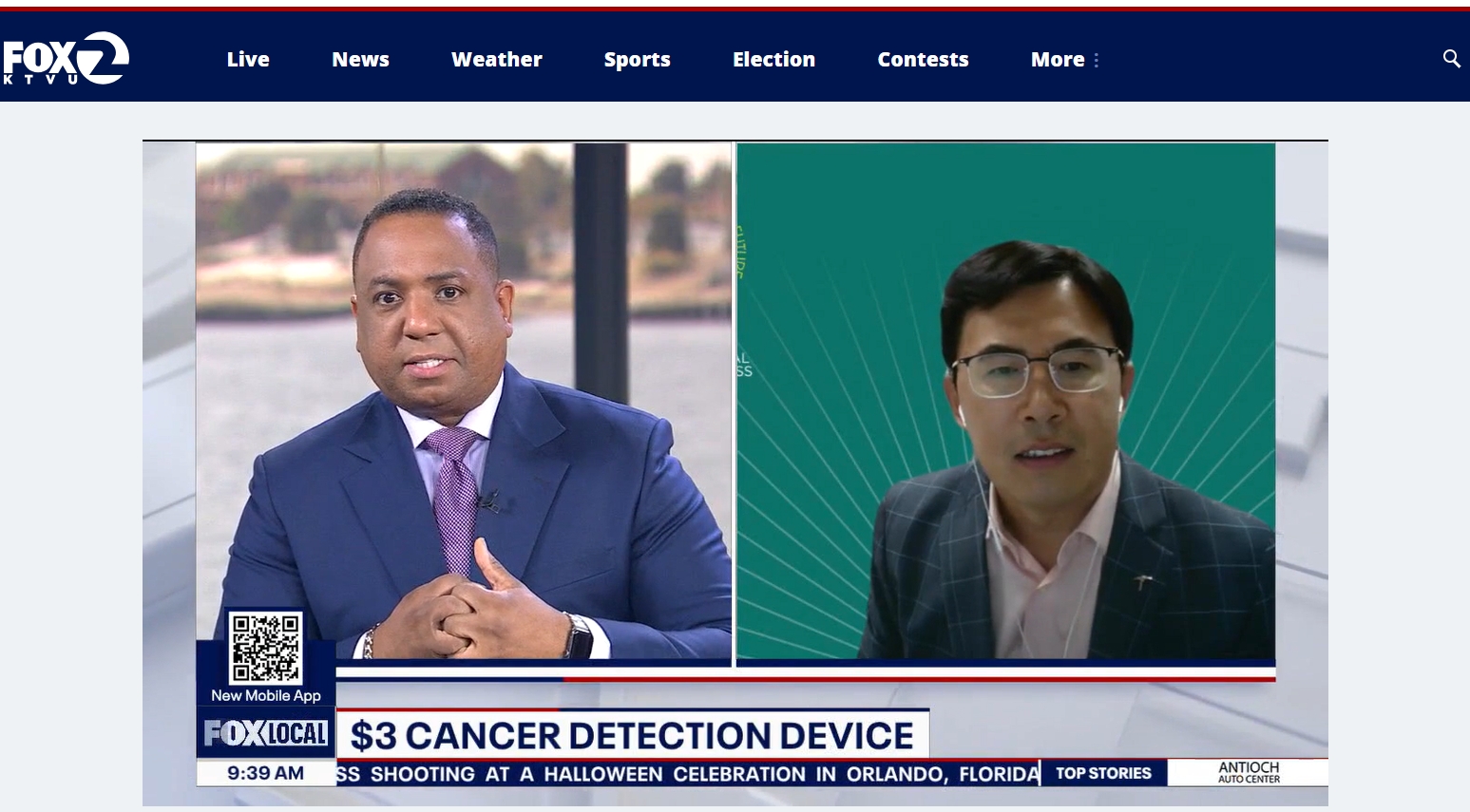
Dr. XiuJun Li is a Professor in the Department of Chemistry and Biochemistry at The University of Texas at El Paso (UTEP) within the College of Science. He leads the Li Microfluidic Lab-on-a-Chip & Nanotechnology Group, focusing on the development of cutting-edge, low-cost diagnostic technologies for applications in bioanalysis, biomedical engineering, forensic science, and environmental science. His work is highly interdisciplinary, bridging chemistry, engineering, and biology. Dr. Li's primary research interests lie in microfluidics, nanotechnology, lab-on-a-chip systems, and point-of-care diagnostics. His lab specializes in creating paper and polymer hybrid microfluidic devices for the ultrasensitive detection of cancer biomarkers, infectious diseases (such as SARS-CoV-2 and pertussis), and environmental toxins. A significant focus is on making these devices instrument-free and affordable, particularly for use in resource-limited settings and rural areas. His recent work on a $3 paper-based cancer detector has garnered significant media attention, including features in the New York Post and local TV stations. The trend in Dr. Li's recent publications reveals a strong emphasis on developing portable, visual, and quantitative diagnostic platforms. His research frequently involves the integration of nanomaterials for signal amplification, the use of microfluidic chips for controlled reactions, and innovative readout methods like bar-chart displays and smartphone-based detection, all aimed at creating practical tools for real-world healthcare challenges. Dr. Li has received substantial recognition for his contributions to science, including being named one of the World's Top 2% of Cited Researchers by Elsevier and a Top Scholar by ScholarGPS. He is an Editorial Board Member for Microsystems & Nanoengineering (Nature Publishing Group) and has been awarded a Travel Grant from GEM on the Road’s PFI Programming. He holds patents for his inventions in biosensing and photothermal detection. Dr. Li is a dedicated mentor and educator. He has advised numerous PhD and Master's students, many of whom have gone on to prestigious postdoctoral positions at institutions like Harvard, UPenn, and MD Anderson. He is also the Director of the Forensic Science program at UTEP, where he organizes outreach events to engage students. His lab is actively involved in research, with multiple postdoctoral fellows and graduate students currently working on projects related to cancer detection and infectious disease study.
Michael Daniele is an Associate Professor at North Carolina State University, jointly appointed in the Department of Electrical & Computer Engineering and the Joint Department of Biomedical Engineering . His research focuses on bioelectronics engineering, particularly in developing microsystems for monitoring, mimicking, and augmenting biological functions. He leads the @BiointerfaceLab , exploring wearable/implantable biosensors, microphysiological systems, and process analytical technologies for biomanufacturing. Education : Ph.D. in Materials Science & Engineering (Clemson University, 2012) Bachelor's in Materials Science & Engineering (Rutgers University, 2009) Research Highlights : Developing "injury-on-a-chip" models for coagulation studies Pioneering hydrogel microneedles for diagnostic devices Advancing light-controlled peptide ligands for protein purification Collaborating with Novartis on viral vector manufacturing Award Recognition : 2024 William F. Lane Outstanding Teaching Award 2019 NSF CAREER Award 2022 University Faculty Scholar Grants & Initiatives : Co-leader of the NC-Viral Vector Initiative (2023–present) NSF-funded projects in biosensor integration and biomanufacturing His work bridges engineering and medicine, with applications in gene therapy, wearable diagnostics, and precision agriculture.
Spyridon Pavlidis is an Associate Professor in the Department of Electrical and Computer Engineering at North Carolina State University, leading the Laboratory for Electronics in Advanced Devices and Systems (NCSU LEADS). He is affiliated with the ME Commons Hub (CLAWS), PowerAmerica, FREEDM, and ASSIST Research Centers. His research focuses on semiconductor devices, wide bandgap materials (GaN/AlN), and their applications in power electronics, sensing, and bioelectronics. Pavlidis holds a PhD from Georgia Tech (2016) and a Master's from Imperial College London (2010). Education: Ph.D. in Electrical and Computer Engineering, Georgia Institute of Technology (2016) M.Eng in Electrical and Electronic Engineering, Imperial College London (2010) His expertise spans power electronics packaging, microwave technologies, and biosensing. Recent work includes developing GaN and AlN-based devices for high-power and high-frequency applications. Pavlidis has received prestigious awards, including the 2022 NSF CAREER Award and the 2022 Bennett Faculty Fellowship. He actively contributes to IEEE committees and technical program reviews. His funded research includes defect-state analysis in GaN diodes and bioelectronic sensors for medical applications. Pavlidis collaborates across interdisciplinary teams, advancing next-generation semiconductor technologies and wearable biosensors.
Professor Chen Xiaodong is a Distinguished University Professor at Nanyang Technological University (NTU), Singapore, holding primary appointment in the School of Materials Science & Engineering with courtesy appointments in the Lee Kong Chian School of Medicine and School of Chemistry, Chemical Engineering and Biotechnology. He serves as Deputy Director of the Institute for Digital Molecular Analytics and Science (IDMxS) and Director of both the Innovative Centre for Flexible Devices (iFlex) and Max Planck-NTU Joint Lab for Artificial Senses. His research spans mechanomaterials science and engineering, flexible electronics, sense digitalization, cyber-human interfaces and systems, and carbon-negative technology. Professor Chen's work focuses on developing methods for controlling materials architecture at 1-100 nm scale to solve fundamental and applied problems in energy, environment, and healthcare. His group integrates expertise from materials science, chemistry, biology, physics, and engineering to create innovative solutions. His scientific contributions have been recognized through numerous prestigious awards including the Singapore President's Science Award, National Research Foundation Investigatorship and Fellowship, Friedrich Wilhelm Bessel Research Award, Dan Maydan Prize in Nanoscience and Nanotechnology, and election to multiple national academies including Singapore National Academy of Science, Academy of Engineering Singapore, and German National Academy of Sciences Leopoldina. Professor Chen serves as Editor-in-Chief of ACS Nano and sits on editorial boards of numerous prestigious journals including Advanced Materials, Chemical Reviews, and Matter. He has mentored numerous PhD students and research fellows who have gone on to faculty positions at institutions worldwide. His laboratory develops cutting-edge technologies in flexible electronics, bio-inspired materials, and nano-bio interfaces, with strong industry collaborations and translational research focus.
Dr. Charalampos (Babis) Pitsalidis is an Assistant Professor at the Department of Physics, Khalifa University, and a Visiting Scholar at the University of Cambridge. He directs the Laboratory of Biosystems and Bioelectronics on Chip (LAB-BBC), focusing on interdisciplinary research at the intersection of electronics and biology. Education: BSc in Physics (University of Crete, 2004), MSc in Nanosciences & Nanotechnologies (Aristotle University of Thessaloniki, 2010), PhD in Physics (Aristotle University of Thessaloniki, 2014) His research themes span bioelectronics, energy harvesting, and wearable technologies, with emphasis on triboelectric nanogenerators (TENGs) for biomedical applications. Projects include SENSE-MS (self-powered wearables for monitoring multiple sclerosis) and BioTENG (bio-derived materials for sustainable energy devices). Recent publications highlight advancements in biodegradable TENGs, injectable hydrogels, and multimodal imaging contrast agents. Awards include the Heraclitus II PhD Scholarship. Key affiliations: Khalifa University, University of Cambridge Labs: Director of LAB-BBC
Md Mobashir Hasan Shandhi is a tenure-track Assistant Professor at Arizona State University , jointly appointed in the School of Electrical, Computer and Energy Engineering and the Biodesign Institute Center for Bioelectronics and Biosensors . His work focuses on developing equitable digital health technologies—wearable sensors and AI/ML algorithms—for personalized care and remote monitoring of chronic and infectious diseases. Education PhD, Electrical and Computer Engineering, Georgia Institute of Technology, 2020 Postdoc, Biomedical Engineering, Duke University, 2021–2024 MS, Electrical and Computer Engineering, University of Utah, 2016 BSc, Electrical and Electronics Engineering, Bangladesh University of Engineering and Technology, 2011 Research Interests Dr. Shandhi’s lab designs low-cost, reliable wearable sensors and machine-learning models to enable remote monitoring of cardiovascular, respiratory, and infectious disease patients. His goal is to reduce healthcare disparities by translating these technologies into resource-limited settings. Scientific Awards & Grants American Heart Association Career Development Award Mayo Clinic–ASU Alliance Faculty Summer Residency Fellowship AHA Postdoctoral Fellowship Duke Heart Center & Translating Duke Health cardio-oncology grant NIH mHealth Training Institute Scholarship Best Paper, Runner-up Best Paper, First Place Research Awards Distinguished Poster Nominee Advising & Funding Dr. Shandhi is currently recruiting PhD students with backgrounds in electrical/biomedical engineering or computer science. He also welcomes postdocs and MS/undergraduate researchers to join the SHANDHI Lab. Interested candidates should email him directly with a CV and statement of interest. Labs & Teams He directs the SHANDHI Lab at ASU, where interdisciplinary teams of engineers, clinicians, and data scientists collaborate on translating wearable health technologies from bench to bedside.
Prof. Can Dincer is a Professor of Sensors and Wearables for Healthcare at the TUM School of Computation, Information and Technology, Technische Universität München (TUM). His research focuses on bioanalytical materials, wearable sensors, and AI-driven diagnostics for One-Health applications, integrating disposable sensor technology with data science. He holds a doctorate from the University of Freiburg (summa cum laude, 2016) and worked as a visiting scientist at Imperial College London before joining TUM in 2024. He is a member of the Munich Institute of Biomedical Engineering (MIBE). Key research interests include: Development of wearable biosensors for real-time health monitoring CRISPR-based diagnostics for nucleic acids and proteins AI integration for therapeutic drug monitoring in sepsis and other critical conditions Environmental health connections via point-of-need diagnostics Notable achievements include the 2021 Biosensors & Bioelectronics Best Paper Award and inclusion in Stanford's World's Top 2% Scientists since 2022. His work spans clinical applications, microfluidic platforms, and nanotechnology-based solutions for healthcare challenges. Publications highlight innovations like optogenetic bioassays (Science Advances, 2024), CRISPR-powered multiplexed biosensors, and wearable systems for continuous biomarker monitoring. His research bridges material science, electrical engineering, and biomedicine to create practical diagnostic tools. Prof. Dincer collaborates across disciplines, focusing on translating lab innovations into clinical and commercial applications through advanced sensor technologies.
Zhenqiang Ma is a Lynn H. Matthias Professor and Vilas Distinguished Achievement Professor in the Department of Electrical and Computer Engineering at the University of Wisconsin-Madison. His work bridges semiconductor physics, flexible electronics, and bioelectronics, with affiliations in Nuclear Engineering & Engineering Physics and Materials Science & Engineering. Education: PhD, M.S.E., and MS in Electrical Engineering from University of Michigan; BS and BE in Applied Physics and Electrical Engineering from Tsinghua University His research focuses on lattice-mismatched semiconductor heterostructures, flexible/stretchable electronics, neural interfaces, optoelectronic devices, and semiconductor processing. Articles highlight UV Micro-LEDs, heterojunction diodes, and stretchable microwave components. Scientific Awards: PECASE, Fellowships from AAAS, IEEE, and 5 other societies, Marquis Lifetime Achievement Award, WARF Innovation Award Finalist, and 8+ Best Paper Awards Ma has supervised 60+ scientists/postdocs/PhDs and collaborates with biomedical engineering and medical school experts on vision restoration scaffolds and neuroprosthetic electrodes.