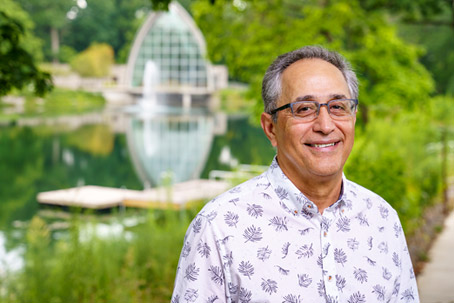
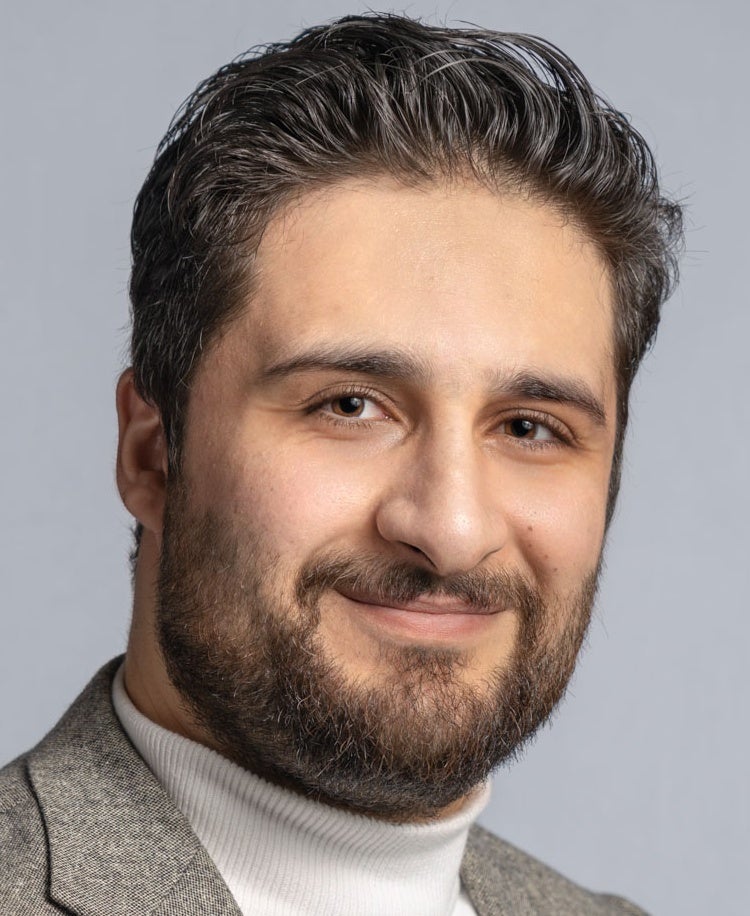
Stefan HendricksView profile
Researcher
Dr. Stefan Hendricks is a Senior Researcher at the Alfred-Wegener-Institut Helmholtz-Zentrum für Polar- und Meeresforschung (AWI) in Bremerhaven, Germany, working within the Department of Sea Ice Physics. Previously, he served in the Division of Climate Sciences at the same institution from February 2005 to June 2020. With a Doctor of Science degree in Geophysics from the University of Cologne (1997-2005), his career has focused on polar research, particularly sea ice physics and remote sensing applications. Dr. Hendricks' research interests center on sea ice thickness measurement and monitoring using satellite remote sensing techniques. His expertise spans near-surface geophysics, electromagnetics, applied geophysics, and Python programming , which he applies to Arctic and Antarctic sea ice studies. He has made significant contributions to understanding climate change impacts on polar regions through his work on sea ice dynamics, thermodynamics, and remote sensing methodologies. His recent publications reveal a strong emphasis on satellite altimetry applications for sea ice thickness retrieval, with particular focus on addressing limitations in traditional mapping approaches that neglect ice advection and deformation processes. The MOSAiC expedition has been central to his recent work, where he contributed to various aspects including airborne laser scanning of sea ice surfaces, radar altimetry studies, and analysis of sea ice deformation and snow-ice interactions. 331 publications with over 64,971 reads and 7,767 citations Extensive work with CryoSat-2 satellite data for sea ice monitoring Development of AWI CryoSat-2 Sea Ice Thickness data product Significant contributions to the MOSAiC expedition research As a Senior Researcher at AWI, Dr. Hendricks leads and contributes to numerous research projects focused on polar climate change. His work bridges observational science with practical applications for climate modeling and environmental monitoring. He collaborates extensively with international partners across multiple disciplines, contributing to our understanding of how sea ice changes impact global climate systems. His research group continues to develop innovative methods for sea ice observation using both satellite and in-situ techniques, with implications for climate prediction and polar environmental assessment.