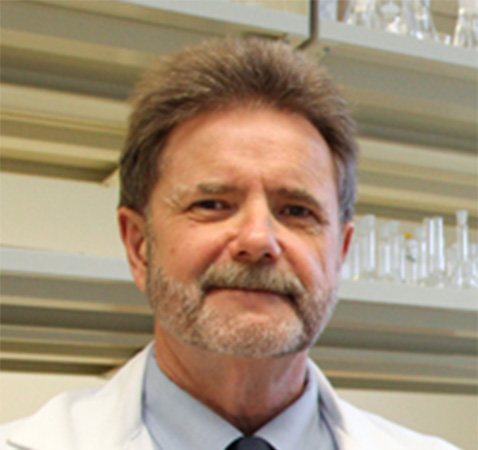
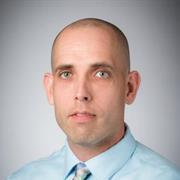
Robert Andrews is a Professor in the Department of Civil & Mineral Engineering at the University of Toronto, affiliated with the Faculty of Applied Science and Engineering. He is a core member of the Drinking Water Research Group (DWRG), a multi-university consortium established in 1998 focused on advancing drinking water treatment technologies. His research expertise includes Disinfection and advanced oxidation processes Inactivation of emerging pathogens Control of disinfection by-products Membrane filtration systems Water reuse and compliance strategies Andrews has held the NSERC Senior Industrial Research Chair in Drinking Water Research since 2007 and serves on advisory councils for organizations like Health Canada and the Ontario Ministry of Environment. In 2022, he received the Dr. Albert E Berry Medal for his contributions to environmental engineering. He collaborates with industry partners to address challenges such as pharmaceutical removal in water and alternative disinfectant applications. His work directly influences regulatory frameworks, including Ontario’s disinfection guidelines.
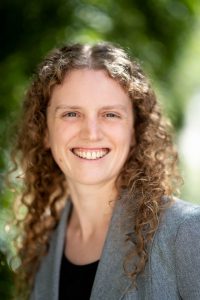
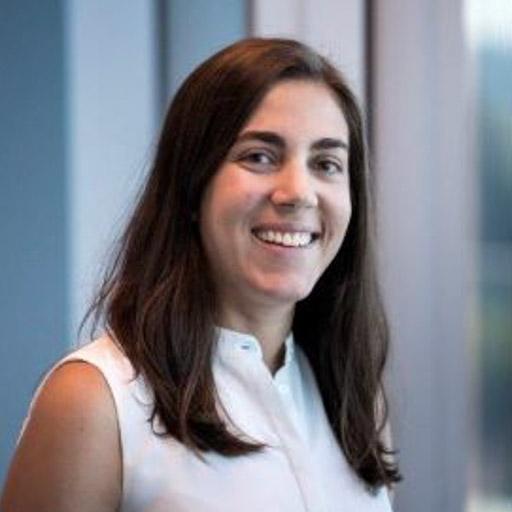
Dr. Rachel Scholes is an Assistant Professor in the Department of Civil Engineering at the University of British Columbia. Her research focuses on protecting human and environmental health through the study of contaminants in urban water systems, with an emphasis on optimizing contaminant removal in engineered and nature-based treatment systems. She holds a B.S. in Chemical Engineering from Northwestern University and M.S. and Ph.D. in Environmental Engineering from the University of California, Berkeley. Her research interests include environmental chemistry, trace contaminants, water reuse, nature-based treatment systems, and stormwater treatment. She teaches courses such as ENVE 301 (Environmental Engineering Intermediate Design Project) and CIVL 562 (Environmental Data Collection and Analysis). Her lab, Scholes Lab, actively investigates contaminant dynamics in constructed wetlands, bioretention systems, and subsurface treatment environments. Key research contributions include enhancing contaminant removal via Fe (III)-EDTA-amended wetlands, studying 6PPD-quinone dynamics in salmon streams, and optimizing pharmaceutical attenuation in benthic wetland biomats. Her work bridges fundamental environmental chemistry with applied engineering solutions for sustainable water management. Dr. Scholes' lab collaborates on projects funded by grants focused on urban water systems, green infrastructure, and contaminant fate. She advises students through the Scholes Lab (www.scholeslab.org), which emphasizes interdisciplinary approaches to environmental challenges.
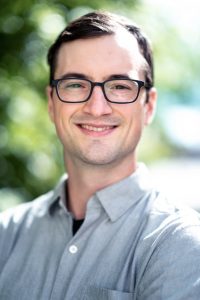
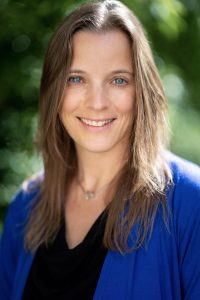
Dr. Ryan Ziels is an Associate Professor in the Department of Civil Engineering at the University of British Columbia's Faculty of Applied Science. His research focuses on sustainable biological wastewater treatment and resource recovery through advanced microbial biotechnologies, with affiliations to the BioProducts Institute and Clean Energy Research Centre. Education: PhD and MSE in Civil and Environmental Engineering, University of Washington BS in Environmental Resources Engineering, Humboldt State University Research Focus: Ziels pioneers microbial ecology studies in engineered waste treatment systems, employing multi-omics approaches to optimize anaerobic digestion for biomethane production and biological nutrient removal. His work targets recovery of water, nutrients, and bioenergy while enhancing human and environmental health through microbial community engineering. Publication Trends: Recent publications (2022-2025) reveal intensified focus on metaproteomics for syntrophic metabolism characterization, high-throughput sequencing for microbial community analysis, and wastewater-based epidemiology for pathogen surveillance. His research increasingly integrates ethical frameworks for public health applications while advancing fundamental understanding of microbial processes in anaerobic systems. Academic Engagement: Ziels teaches core courses including Fundamentals of Environmental Engineering (CIVL 204), Environmental Lab Analysis (CIVL 407), and Environmental Biotechnology (CIVL 569). He supervises graduate students in Civil Engineering and Genome Science and Technology programs through UBC's Graduate and Postdoctoral Studies, directing the EMBERr Lab for microbiome engineering research.
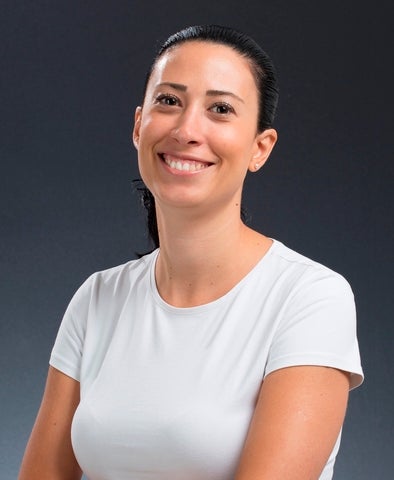
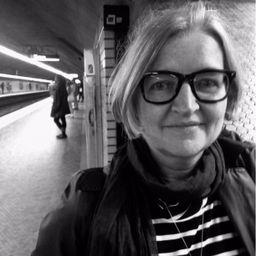
Sibel Alumur Alev is an Associate Professor and Associate Chair of Graduate Studies at the University of Waterloo. Her research focuses on logistics network design, hub location optimization, and sustainable transportation systems. She actively contributes to the fields of operations research and supply chain management, with a strong emphasis on addressing uncertainty in network design and strategic infrastructure planning. Her work spans applications in autonomous mobility systems, electric vehicle charging infrastructure, healthcare logistics, and pandemic response. She has published extensively on hub-and-spoke network models, reverse logistics for environmental sustainability, and multi-period resource allocation strategies. Notable areas of interest include the integration of stochastic and robust optimization methodologies into real-world logistics challenges. Dr. Alev’s research also bridges academic and industrial needs, addressing practical problems such as optimal testing center locations during pandemics and strategic freight hub expansions. Her contributions have been featured in peer-reviewed journals and conference proceedings, reflecting her commitment to advancing both theoretical and applied aspects of logistics and operations research.
David Latulippe is a Professor in the Department of Chemical Engineering at McMaster University. He joined McMaster in 2012 after postdoctoral work at Cornell University and a PhD at Penn State University, focusing on membrane filtration for DNA purification. His industrial experience includes roles at ZENON Environmental (now GE Water) in hollow-fiber membrane design for water treatment. Research interests include Membrane science and technology Bioprocessing of therapeutic viruses Microscale systems for biological applications Environmental engineering solutions for water treatment Current projects involve collaborations with industry partners like Ceapro and Aevitas, and the development of a biomanufacturing automation lab with Sartorius. Recent publications highlight advancements in Nanofiltration and microfiltration for viral vectors Conductive membranes for electrochemical applications Microfluidic systems for DNA analysis Environmental monitoring of biocides and microplastics Scientific recognition includes the Young Membrane Scientist Award (2014). Teaching activities focus on Fluid Mechanics (CHEMENG 2O04) and Industrial Separation Processes (CHEMENG 4M03).
Evan Davies is a Professor in the Civil and Environmental Engineering Department at the University of Alberta's Faculty of Engineering. He has been a Full Professor since July 2021, following his promotion from Associate Professor (2015-2021) and Assistant Professor (2009-2015) positions at the same institution. Education: Ph.D. (Civil and Environmental Engineering), The University of Western Ontario, London, Ontario (2003-2007) M.E.S. (Environment and Resource Studies), The University of Waterloo, Waterloo, Ontario with field research in China and India (2001-2003) B.A.Sc. (Systems Design Engineering), The University of Waterloo, Waterloo, Ontario, including a year-long exchange at Technical University of Hamburg-Harburg, Germany (1995-2001) Evan Davies' primary research focuses on water resources planning and management, systems thinking and modeling, and sustainable development. His work develops and applies hydrological, water use, and water quality models to understand complex feedbacks among water availability, use, and quality within their social, economic, and environmental contexts. His research spans municipal to global spatial scales and daily to decadal time scales, aiming to provide decision-makers with tools to compare structural, management, and policy alternatives for sustainable water planning. His recent projects include global and regional-scale modeling of water security and the water-energy-food nexus, irrigation reservoir management, municipal water demand projections, flood risk management, and chloramine dissipation in stormwater pipes. Recent research trends show a strong focus on: Integrated assessment modeling of water-energy-food systems Climate change impacts on water resources Machine learning applications in hydrology Water security under decarbonization scenarios Flood risk assessment and management Sustainable urban water systems Scientific Awards: Faculty of Engineering Graduate Teaching Award, University of Alberta (2020-2021) Faculty of Engineering Undergraduate Teaching Award, University of Alberta (2018-2019) Doctoral Fellowship (CGS), Natural Sciences and Engineering Research Council (2005-2007) University of Western Ontario Graduate Tuition Scholarship (2005-2007) Ontario Graduate Scholarship in Science and Technology (2004-2005) Masters/Doctoral Fellowship (PGS A/B), Natural Sciences and Engineering Research Council (2002-2004) Davies has supervised numerous graduate students working on projects related to water resources planning and management. His research has been supported by various grants, including funding from the Natural Sciences and Engineering Research Council. He collaborates extensively with researchers at the Joint Global Change Research Institute (JGCRI) in College Park, MD, and with government agencies and industry partners on water management projects across Canada, particularly in Alberta's Bow River basin. Davies leads a research group focused on water resources systems modeling, which employs system dynamics, optimization techniques, and machine learning approaches to address complex water management challenges. His team collaborates with decision-makers and stakeholders to ensure research outcomes are directly applicable to real-world water management problems.
Rebecca Dziedzic is an Assistant Professor in the Department of Building, Civil, and Environmental Engineering at Concordia University. Her research focuses on asset management, water system sustainability, and infrastructure resilience. She holds a PhD in Civil and Environmental Engineering from the University of Toronto. Dr. Dziedzic's work integrates machine learning, data science, and policy analysis to address challenges in urban infrastructure systems. Her research explores topics such as water distribution network optimization, climate change adaptation in infrastructure, and circular economy strategies for construction. Recent projects include predicting water main breaks using multivariate models, developing frameworks for energy-efficient pump operation, and assessing carbon footprints in industrial facilities. Dr. Dziedzic supervises graduate students in Civil Engineering (MASc/PhD) and maintains an active research group through the UrbanLinks initiative. Her work has been published in over 30 peer-reviewed articles, with a strong focus on smart city technologies, disaster risk reduction, and sustainable infrastructure design.
Dr. Sara Beck is an Assistant Professor in the Department of Civil Engineering at the University of British Columbia. She leads the Beck Lab, focusing on water disinfection, UV LED technology, and environmental microbiology to address global water challenges. Her work bridges fundamental science and engineering applications, emphasizing sustainable solutions for public health and water quality. Education: Ph.D. in Environmental Engineering (2015, University of Colorado Boulder), M.S. in Environmental Engineering (Georgia Tech), B.S./B.A. in Aerospace Engineering/Studio Art (CU Boulder). Prior to academia, she worked as a NASA flight controller supporting Space Shuttle and ISS programs. Research Interests: UV disinfection mechanisms, water reuse, applied environmental microbiology, decentralized systems, and microplastic degradation. Key projects include UV LED applications for point-of-use disinfection, biofilm dynamics in filtration systems, and fecal contamination impacts on child health in low-resource settings. Awards: AEESP Outstanding Dissertation (2016), NSERC Discovery Accelerator (2021), Fulbright Scholar (2015), NASA Astronaut Finalist (2017). Lab members include PhD candidates Patrick Mirindi and Thusitha Rathnayake, and collaborators across global institutions. Grants: NSERC funding for UV LED research, WHO collaborations on surface disinfection protocols. Active research spans microbial communities in membranes, viral load quantification, and optimizing BWRO energy efficiency. Labs/Teams: Beck Lab @ UBC collaborates with interdisciplinary experts in engineering, microbiology, and policy to advance water treatment solutions. Current projects address microplastic prevalence in BC freshwater and surface disinfection standardization for healthcare settings.
Susan Ross is an Associate Professor at Carleton University, cross-appointed with the Azrieli School of Architecture & Urbanism. Her work focuses on Sustainable Heritage Conservation , particularly in Modern and Industrial Heritage , Urban Parks , and Climate Change Adaptation in heritage contexts. B.Sc. (Architecture), B. Architecture (McGill), M.Sc. Planning – Conservation of the Built Environment (Montreal) Key research themes: Heritage values and waste Building pathology and materials re-use Historic urban water landscapes Her 15 most recent publications (2020-2024) examine material discards, landfill reclamation, and policy frameworks for industrial heritage reuse. She has received the Heritage Ottawa Gordon Cullingham research grant and regularly participates in international climate adaptation discussions. Active in Waste Heritage Research initiatives Develops student-led case studies through courses like CDNS 5403
Yuxiang Chen is an Associate Professor in the Department of Civil and Environmental Engineering at the University of Alberta. His research focuses on high-performance buildings, net-zero energy systems, and sustainable construction practices. He integrates advanced modeling techniques, renewable energy solutions, and intelligent design strategies to optimize building performance in cold climates. PhD, Building Engineering (2013), Concordia University MASc, Building Engineering (2008), Concordia University BEng, Building Engineering (2006), Concordia University Dr. Chen’s work emphasizes modular construction, thermal energy storage, and data-driven modeling for building systems. He explores the use of robotics in construction, thermal resistance of masonry walls, and energy-efficient community greenhouses tailored for cold regions. His recent publications highlight trends in building thermal dynamics, with a focus on resistor-capacitor (RC) models, hybrid heating systems, and snow accumulation impacts on solar panels. He also contributes to cold-climate energy management and smart home integration.
Dr. Oliver T. Iorhemen is an Assistant Professor in the Department of Environmental Engineering at the University of Northern British Columbia (UNBC), where he has been contributing since August 1, 2021. He is actively engaged in research, teaching, and graduate supervision in the field of environmental and wastewater engineering. His educational background includes a PhD in Civil Engineering (Environmental Engineering specialization) from the University of Calgary, an MSc in Environmental Engineering and Project Management from the University of Leeds, UK, and a B.Eng in Water Resources and Environmental Engineering from Ahmadu Bello University, Nigeria. Dr. Iorhemen's research focuses on biological wastewater treatment , resource recovery from wastewater and biosolids , nutrient removal , removal of emerging contaminants , and rural water supply and sanitation . His work emphasizes sustainable technologies such as aerobic granular sludge (AGS), biofiltration, and constructed wetlands, especially in cold climates. He leads a dynamic research team involving multiple MASc students and interns. The trends in his recent publications reflect a strong emphasis on AGS technology , resource recovery (e.g., xanthan, curdlan, amino acids), hybrid treatment systems , and data-driven modeling of bioreactors. His work bridges fundamental microbiology with practical engineering applications, aiming at scalable and resilient water treatment solutions. Dr. Iorhemen teaches courses including ENGR 210 (Material and Energy Balances), ENGR 358 (Water and Wastewater Systems), ENVE 310 (Environmental Engineering Processes), and ENGR 498/798 (Advanced Treatment Processes). He has also taught graduate-level biological processes at the University of Calgary. He actively supervises graduate students and has led collaborative projects with municipalities and industry. His research team includes current MASc students working on oily wastewater, resource recovery from AGS, biofilters for rural water, and constructed wetlands in cold climates. Past undergraduate and intern researchers have contributed to AGS bioreactor development and nutrient removal studies.
Corinne Wallace is an Adjunct Assistant Professor in the Department of Civil Engineering at McMaster University , with research expertise at the intersection of water security, climate change, public health, and gender equity. Her work spans both technical engineering analysis and community-engaged studies, particularly focusing on marginalized populations in Canada, East Africa, and South America. Dr. Wallace's research interests include: Water-Health Nexus Climate Change Impacts on Disease Gender Equity in Water Access Indigenous Water Governance Mosquito-Borne Disease Modeling Rainwater Harvesting Systems Her publication trends show increasing focus on climate-health interactions (2025), gender-water linkages (2024), and machine learning applications for water quality analysis (2025). She employs mixed-methods approaches and works closely with First Nations communities and international development organizations. Dr. Wallace utilizes art-science communication strategies like the Virtual Water Gallery to transform water and climate knowledge dissemination. Her recent work explores EDI (Equity, Diversity, Inclusion) implementation in large research networks and conceptual frameworks for climate-water equity.
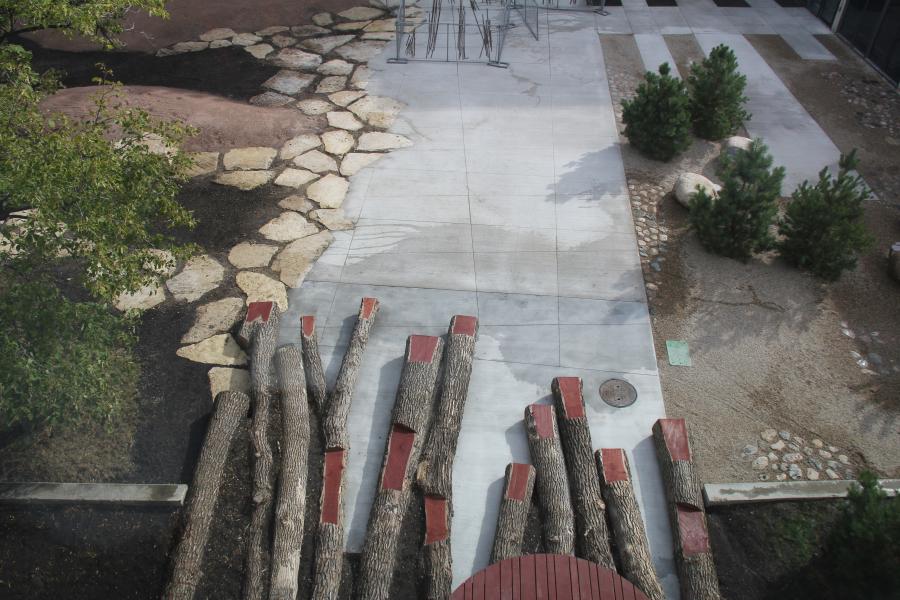
Professor Dietmar Straub is a leading landscape architect and educator at the University of Manitoba's Faculty of Architecture. He holds the rank of Professor in the Department of Landscape Architecture, specializing in sustainable design, ecological rehabilitation, and community-engaged scholarship. His work bridges academia and practice, emphasizing improvisation, recycling, and interdisciplinary collaboration. Education : Diplom-Ingenieur (Master’s equivalent) in Landscape Architecture, Technical University of Munich Certification in Vocational Education and Training (pedagogy/educational psychology) Landscape Gardener Journeyman’s Certificate Research & Practice : Straub’s research, often conducted through 'Research by Design,' focuses on gardens as experimental spaces, traumatized landscapes, and water management in prairie contexts. Key projects include the award-winning Chenshan Botanic Garden (Shanghai) and the Science Courtyard at the University of Manitoba, which integrates native plantings, geological storytelling, and biodiversity. Teaching : He teaches design studios and site planning, emphasizing hands-on learning through projects like tree-pit construction and community planting initiatives. His approach narrows the gap between theory and practice, fostering student engagement with material processes and ecological systems. Awards : Over three dozen national/international awards highlight his contributions to sustainable design, including the 2024 LILA Award for the Science Courtyard and the 2023 Indigenous Initiatives Fund grant for the Shared Path project with Lake Manitoba First Nation. Community Work : Straub collaborates with underserved communities (e.g., Folly Forest in Winnipeg) to create spaces that blend ecological resilience with cultural relevance. His practice often involves pro bono work, prioritizing social impact over commercial gain.
Émilie Bédard is an Associate Professor at the Department of Civil, Geological and Mining Engineering at Polytechnique Montréal. She serves as a member of the CentrEau and CREDEAU water treatment research centers, with associate membership at the CHU Sainte-Justine Research Center . Her career spans environmental engineering, microbiology, and water quality research. Doctorate from École Polytechnique de Montréal (2015) Combined Master-PhD in Civil Engineering Bachelor in Chemical Engineering with environmental concentration Dr. Bédard's research focuses on water quality in building systems , particularly studying Legionella pneumophila and Pseudomonas aeruginosa transmission through cooling towers, plumbing systems, and wastewater. She investigates antimicrobial resistance genes in urban water systems and explores rainwater harvesting sustainability. Recent publications demonstrate expertise in bioaerosol generation from water systems, antimicrobial resistance dynamics, and energy-water nexus challenges. Her work combines fluid dynamics , molecular microbiology , and environmental engineering to address public health risks. Supervises 5 PhD students and 2 research masters students Co-directed 4 thesis projects Previously mentored 6 completed graduate theses Her team collaborates with media outlets like ICI Première Montréal for public science communication, addressing topics like antibiotic resistance and climate change and rainwater harvesting practices.
Susan Ross is an Associate Professor in the School of Indigenous and Canadian Studies at Carleton University, with a cross-appointment to the Azrieli School of Architecture and Urbanism. As a licensed architect in Quebec (OAQ), she bridges academic scholarship with professional practice in heritage conservation and sustainability. School of Indigenous and Canadian Studies, Carleton University Azrieli School of Architecture and Urbanism (cross-appointment) Co-chair, National Roundtable for Heritage Education Active member: Heritage Ottawa, National Trust for Canada, ICOMOS Canada, Association for Critical Heritage Studies, TICCIH, Docomomo Ross's research focuses on sustainable heritage conservation, examining intersections between heritage and waste, modern and industrial heritage, urban parks and cultural landscapes, and climate change adaptation for cultural heritage. Her work spans theoretical frameworks and practical applications, connecting historical preservation with contemporary environmental challenges. She explores how historical infrastructure landscapes can inform sustainable urban development and how building materials can be repurposed in meaningful ways. Her publication record reveals a consistent trajectory toward understanding heritage within circular economy frameworks. Early work focused on specific case studies of modern heritage conservation, while recent publications increasingly address climate adaptation, waste management, and educational approaches to heritage sustainability. Her research shows a growing emphasis on community engagement, social programming around material reuse, and policy implications for heritage conservation in the climate crisis era. Inducted in the College of Fellows of the Association for Preservation Technology (2013) for leadership in raising awareness about heritage conservation and sustainability Ross has significant professional experience that informs her academic work, having served as a senior conservation architect in the federal government where she played a lead role in revising the Standards and Guidelines for the Conservation of Historic Places in Canada. Her architectural practice has included diverse project types from museums and hospitals to power stations and housing. She actively participates in advisory committees and serves as an expert witness in environmental reviews, demonstrating the real-world impact of her expertise. Her Waste Heritage Research initiative serves as a focal point for her interdisciplinary work, bringing together academic research, policy development, and community engagement around the intersections of heritage conservation and waste management. This work connects with Carleton's broader sustainability initiatives, including partnerships with the Climate Heritage Network.