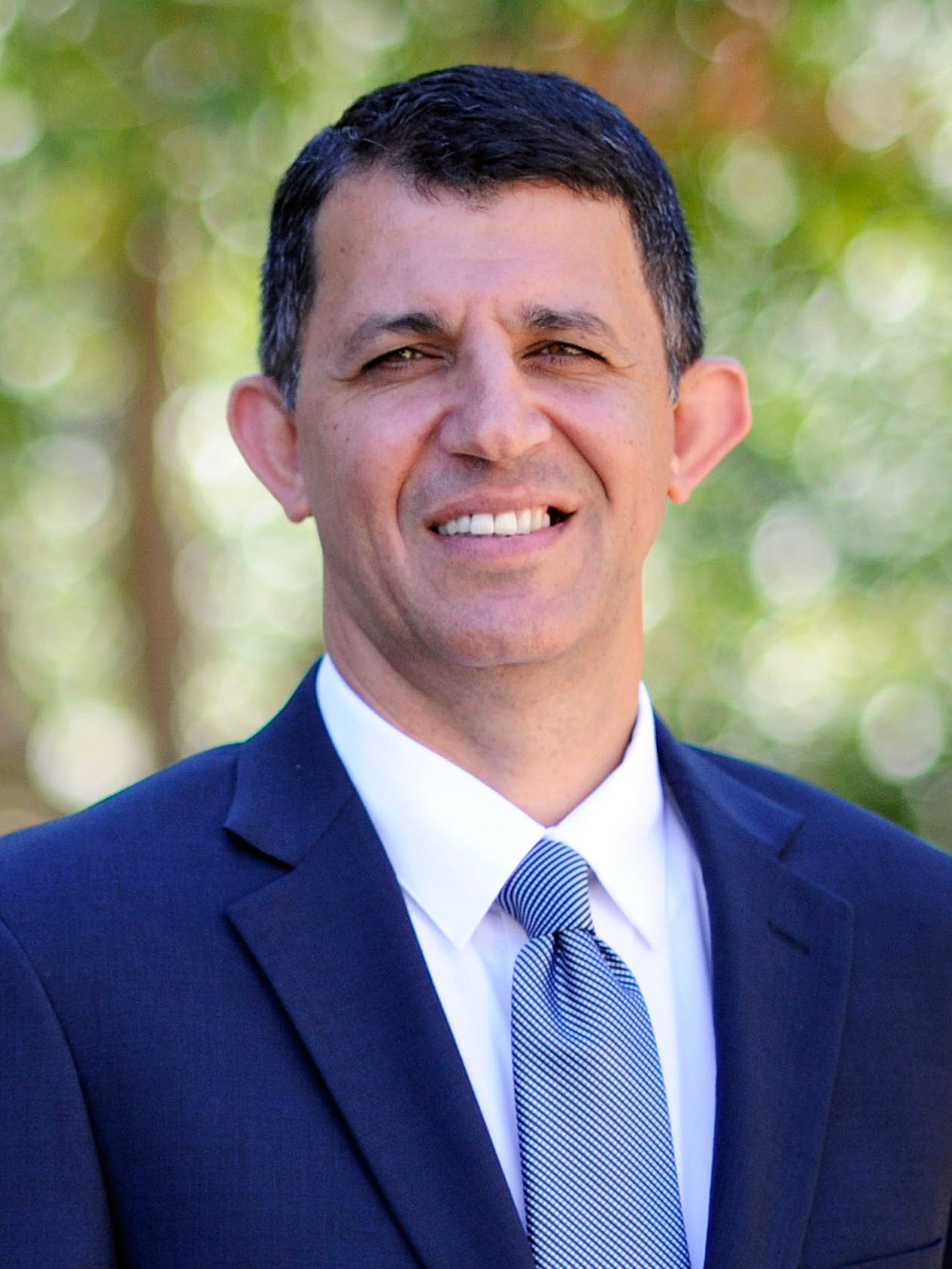
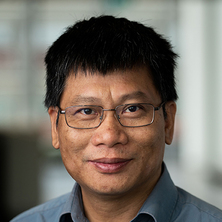
Adrien Desjardins is a Professor at the University of British Columbia, jointly appointed in the Department of Mechanical Engineering and Department of Electrical and Computer Engineering within the Faculty of Applied Science. He joined UBC in 2024 after serving as a Full Professor at University College London from 2019-2024, following 13 years on faculty there. His educational background includes a B.Sc. from UBC (2001) and a Ph.D. from MIT and Harvard University (2007). Dr. Desjardins' research program focuses on interdisciplinary development of imaging and sensing modalities and autonomous robotics with marine and biomedical applications. His work integrates photonics, ultrasound, machine learning, and robotics to create innovative diagnostic tools and sensing systems, particularly in optical coherence tomography, diffuse optical spectroscopy, and photoacoustic imaging. His publication record reveals an evolution from foundational neuroimaging work (2001) toward increasingly sophisticated optical systems culminating in breakthroughs like ultrasensitive optical microresonators for ultrasound sensing (2017), demonstrating consistent innovation in biomedical optics with growing emphasis on machine learning integration and real-world applications. His scientific contributions have been recognized through prestigious awards: Research Chair from the Royal Academy of Engineering Healthcare Technologies Challenge Award from EPSRC Starting grants from ERC, EPSRC, and Royal Society World Economic Forum Young Scientist (2015) UCL Provost Teaching Prize (2013) Dr. Desjardins actively mentors graduate students and secures major research funding through competitive grants, with current openings for January/September 2025 intakes. His program involves close industry collaboration indicating strong translational focus, though specific lab names aren't mentioned. The interdisciplinary nature of his work suggests teams spanning engineering, computer science, and medical disciplines working on next-generation imaging systems for healthcare and marine exploration.
Dr. Aslı Özen is an Associate Professor in the Faculty of Health Sciences at Final International University . Her academic focus lies in human nutrition, functional foods, and dietary behavior analysis. Doctoral Degree : Human Nutrition, Universitat de les Illes Balears (2012) Master's Degree : Food Engineering, Istanbul Technical University (2006) Bachelor's Degree : Food Engineering, Istanbul Technical University (2003) Her research explores functional food consumption, beverage hydration patterns, and dietary shifts influenced by global events like the COVID-19 pandemic , with cross-cultural studies comparing European and international populations. Her work emphasizes Mediterranean diet adherence and the structural properties of food products. Key publication trends focus on nutritional epidemiology , public health interventions , and food science applications , particularly in fermented dairy products and sustainable gastronomy tourism.
Akram N. Alshawabkeh is the George A. Snell Professor of Engineering and University Distinguished Professor at Northeastern University's College of Engineering, where he also serves as Senior Vice Provost and Director of the PROTECT Superfund Research Center. He holds a PhD in Civil and Environmental Engineering from Louisiana State University (1994), an MS from Jordan University of Science & Technology (1990), and a BE from Yarmouk University (1988). His research focuses on geoenvironmental engineering, soil and groundwater remediation, and electrochemical processes. Alshawabkeh has led major research initiatives, including the PROTECT Superfund Research Center (since 2010) and the CRECE Children's Environmental Health Center (since 2015). He has over 100 peer-reviewed publications and has advised numerous PhD, MS, and undergraduate students. His honors include the ASCE Thomas A. Middlebrooks Award (2014), Fulbright Scholar (2005-2006), and National Science Foundation CAREER Award (2001). His service roles include Chair of the Superfund Research Program Conference (2015), Technical Program Co-Chair for GeoCongress 2008, and editorial board memberships in journals like Journal of Geotechnical and Geoenvironmental Engineering . He has also held leadership positions in professional societies, including Fellow status in the American Society of Civil Engineers (ASCE). Alshawabkeh's work emphasizes interdisciplinary collaboration, addressing environmental health challenges in Puerto Rico and beyond. His research integrates engineering, toxicology, epidemiology, and social science to tackle issues like preterm birth linked to environmental contaminants and karst aquifer remediation.
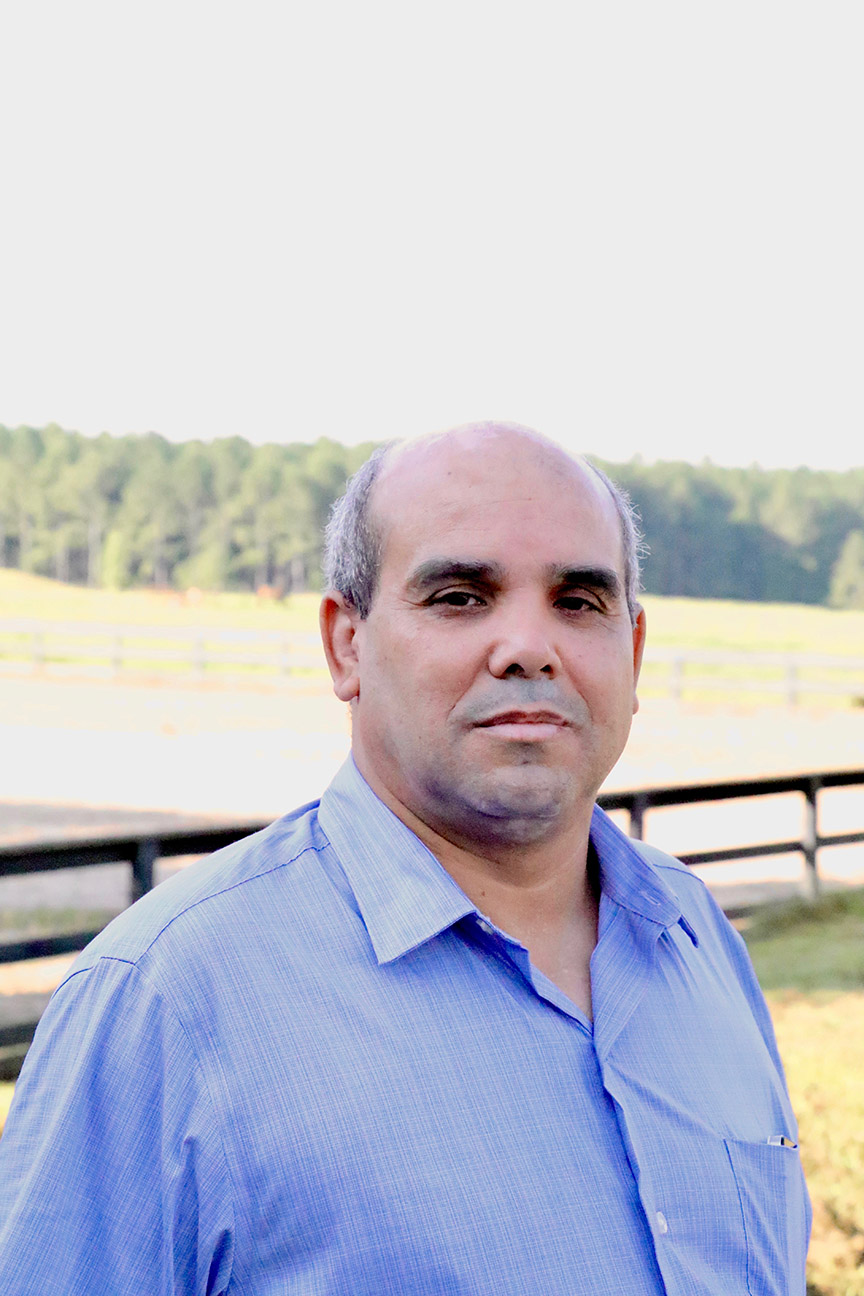
Romdhane Rekaya serves as a Professor in the Department of Animal and Dairy Science within the College of Agricultural & Environmental Sciences at the University of Georgia. He also holds courtesy faculty positions in the Department of Statistics and is an associate faculty member with the Institute of Bioinformatics at UGA. His research program focuses on developing statistical and computational tools for analyzing large genetic and genomic datasets with applications in livestock, poultry, and human health. Dr. Rekaya's educational background includes: Agriculture Engineer from the High Institute of Agriculture, Tunisia Master of Science from the International Center for Advanced Studies in Mediterranean Agriculture of Zaragoza, Spain Ph.D. from the Polytechnic University of Madrid, Spain Dr. Rekaya's research interests span quantitative genetics, genomics, biostatistics, and bioinformatics. His work centers on developing statistical and computational methodologies for analyzing big genetic and genomic data sets with practical applications in livestock, poultry, and human health. His research has been particularly focused on addressing critical challenges in animal agriculture including horn fly resistance in beef cattle, water utilization efficiency in poultry, and greenhouse gas emissions in dairy production. His methodological approaches often integrate machine learning, Bayesian statistics, and genomic technologies to solve complex biological problems. Dr. Rekaya's publication record demonstrates a consistent focus on statistical methodology development for genetic analysis, with recent work increasingly emphasizing practical applications of genomic technologies in animal agriculture. His research spans both theoretical statistical development and practical implementation in livestock improvement programs, with particular emphasis on innovative approaches to traditional breeding challenges. Among his professional recognitions: Student Career Success Influencer Award 2024 Mini-Sabbatical Award Student Career Success Influencer Award 2022 Carnegie fellowship Carnegie African Diaspora Fellow Faculty with significant positive impact of at least one graduate student Gamma Sigma Delta outstanding Research Achievements Award Dr. Rekaya has successfully mentored numerous graduate students including PhD candidates Amanda Warner, Mahsa Zare, Koushik Das, and Evan Hartono, along with undergraduate researchers. His research has been consistently supported by major funding agencies including USDA NIFA, USDA ARS, Georgia Agricultural Commodity Commission for Beef, National Academy of Sciences, and industry partners including Tyson Foods and Cobb-Vantress. Current projects include developing genetic solutions to the horn fly problem in beef cattle, improving water utilization efficiency in poultry, and examining associations between greenhouse gas emissions and feed efficiency in dairy cattle. Dr. Rekaya leads an active research laboratory that collaborates with multiple departments and institutions. His lab focuses on applying advanced statistical and computational methods to solve pressing problems in animal agriculture, with particular emphasis on integrating genomic information into practical breeding programs. The lab maintains strong industry connections and international collaborations, particularly with researchers in Africa through the African Animal Breeding Network.
Jacqui Webster is a Professor of Public Health at the University of Technology Sydney (UTS), leading the WHO Collaborating Centre on Nursing, Midwifery and Health Development. She serves as the Secretariat for the South Pacific Chief Nursing and Midwifery Officers Alliance (SPCNMOA) and continues collaborating with The George Institute for Global Health on salt reduction research. Key Grants: NHMRC Investigator Grant (Leadership 2), NHMRC IDEAS Grant, Global Alliance for Chronic Diseases grants Collaborations: Fiji National University, Deakin University, University of Sydney, UNSW, Northwestern University Her research focuses on reducing cardio-metabolic diseases through food/water security programs and salt reduction policies. Recent articles analyze potassium-enriched salt adoption barriers, global water sodium standards, ultra-processed food impacts in Fiji, and pandemic-related dietary shifts in Australia. She authored the public health-themed book Two Bugs on Bikes (Hembury Books 2025) based on her cycling journey across Europe and Africa. At UTS, she mentors early-career researchers and supports strategic operations for the WHO Collaborating Centre.
Daniel Vallero is an Adjunct Professor in the Department of Civil and Environmental Engineering at Duke University . He holds a Ph.D. from Duke (2000) , an M.S. from the University of Kansas (1996) , and a B.A. from Southern Illinois University (1974) . His career spans environmental engineering, exposure assessment, and climate change adaptation, with affiliations including North Carolina Central University (2012-2013) as Associate Professor. Education B.A., Southern Illinois University, 1974 M.S., University of Kansas, 1996 Ph.D., Duke University, 2000 Key Research Areas Environmental systems science Air pollution modeling and control Hazardous waste bioremediation Climate change governance Exposure-based chemical prioritization Biogeochemical cycling under climate stress Publication Trends Focus on PFAS exposure pathways , climate adaptation strategies , and pollutant fate in ecosystems Recent work includes high-throughput exposure models and environmental justice in global warming Scientific Awards Federal Honor Awards (2025) from the U.S. EPA Jeffrey B. Taub Award (1999) at Duke University Notable Contributions Authored Air Pollution Calculations and Environmental Systems Science Developed exposure prioritization tools like Ex Priori Post-9/11 environmental contamination studies in New York City
Brenda M. Davy is a Professor in the Department of Human Nutrition, Foods and Exercise at Virginia Tech. Her work focuses on obesity prevention, dietary intake assessment, and the role of beverages in health. She holds a PhD in Human Nutrition from Colorado State University (2001), an MS in Exercise Physiology (Virginia Tech, 1992), and a BS in Human Nutrition (Virginia Tech, 1989). Her research investigates diet, physical activity, and beverage consumption's impact on cardiovascular health, type 2 diabetes risk, and cognitive function. Notable projects include studies on ultra-processed foods' effects and hydration's role in metabolism. Dr. Davy has received prestigious awards, including Fellowships from The Obesity Society (2013) and the American College of Sports Medicine (2007), and the Excellence in Outcomes Research Award (2019). Her work bridges clinical practice and population health, with a focus on translating research into actionable public health strategies. Education: PhD, Human Nutrition (Colorado State University 2001) Experience: Over 30 years in academia and clinical nutrition roles, including leadership in clinical trials and research coordination. Key Research: Behavioral interventions, dietary biomarkers, and longitudinal studies on food intake. Her recent studies emphasize ultra-processed foods' metabolic consequences and hydration's cognitive benefits in aging populations. Collaborative projects include validating dietary assessment tools and exploring exercise timing's effects on cardiometabolic outcomes.
Juan Solomon serves as an Associate Professor in the Department of Agriculture, Veterinary and Rangeland Sciences at the University of Nevada, Reno. His research lab operates from Building FA, Room 226d (Mail Stop 202), with direct contact via (775) 784-6888 or juansolomon@unr.edu. Education: B.S. in Agriculture, University of Guyana (2000) Graduate Diploma in Education-Science, University of Guyana (2005) M.S. in Agriculture, Mississippi State University (2010) Ph.D. in Agriculture, Mississippi State University (2013) Research Focus: Dr. Solomon's work centers on grassland ecology and sustainable pastoral systems for ruminant livestock, with emphasis on grazing management, forage quality evaluation, and drought-tolerant crop development. His research program investigates water use efficiency in semiarid forage systems, nutrient cycling dynamics, and climate-resilient crop screening—particularly for native and improved forages in arid western environments. Field studies often integrate ecosystem service valuation with practical livestock production metrics. Publication Trends: Recent work (2023-2025) demonstrates concentrated expertise in alternative forage systems, with 15 high-impact studies examining teff double-cropping, industrial hemp varietals, and cover crop nutrient cycling in Nevada's semiarid landscapes. Key methodological approaches include deficit irrigation analysis, nitrogen optimization trials, and biomass decomposition modeling—all targeting resource-efficient agricultural solutions for water-limited regions.
Professor Loc Do is a dentist and oral epidemiologist specializing in social and clinical oral epidemiology. He holds a PhD from the University of Adelaide and currently serves as Director of Research at the School of Dentistry, University of Queensland. His research focuses on child and adult oral health disparities, fluoride efficacy, and water fluoridation policies. He has led major studies like the National Child Oral Health Study (2012–14) and the National Study of Adult Oral Health (2017–19). Education: BDS (Dentistry), MScDent, PhD (Oral Epidemiology). Research Interests: Oral epidemiology, dental fluorosis, socioeconomic inequalities in oral health, fluoride risk-benefit analysis, and complex systems science in dental research. His work frequently addresses public health interventions and policy implications. Awards: 2022 IADR Distinguished Scientist H Trendley Dean Award, 2023 IADR Abrey Sheiham Award for Distinguished Research in Dental Public Health. Grants and Projects: Principal Investigator for NHMRC/MRFF-funded studies on water fluoridation, child oral health inequities, and aged care oral health. Current projects include the Queensland Child Oral Health Study (2020–2024) and the SMILE Birth Cohort Study (2013–22). Advisement: Supervises PhD and Master’s students in areas like oral health policy, fluoride safety, and aged care interventions. Notable supervision includes studies on water fluoridation’s social impact and oral health in residential care facilities. Labs/Teams: Leads research teams in the School of Dentistry and collaborates with the Centre of Research Excellence on Achieving the Tobacco Endgame. Active in multidisciplinary projects addressing global oral health challenges.
Dr. Peggy Reynolds is a professor at the University of California San Francisco, specializing in environmental epidemiology and cancer risk factors. As a co-director of the Integrated Health Sciences Facility Core (IHSFC) within UCSF's Environmental Research and Translation for Health (EaRTH) Center, she supports environmental health research across disciplines. Her work bridges geographic information systems (GIS), biomarkers, and community health assessments. Education: BA in Psychology (UC Santa Cruz, 1968), MPH in Behavioral Science (UC Berkeley, 1978), PhD in Epidemiology (UC Berkeley, 1983) Reynolds leads the California Teachers Study, a landmark prospective cohort study examining environmental, occupational, and lifestyle factors related to cancer and chronic diseases. Her research spans PFAS exposure, wildfire smoke impacts, occupational chemical risks, and sleep-wake patterns as cancer risk modifiers. Recent publications highlight her focus on environmental contaminants (PFAS, brominated flame retardants), wildfire-related health risks, and epigenetic effects of pollution. Her work emphasizes climate justice, drinking water safety, and community health disparities, particularly in disadvantaged populations. Reynolds has secured over $20M in research funding from NIH, NCI, and California Breast Cancer Research Program, including grants for maternal/child cancer risks, sleep-cancer mechanisms, and innovative infrastructure for environmental health research.
Professor Dinos Arcoumanis FREng is a distinguished academic at City, University of London, where he has served as Professor since 2000. He previously held academic positions at Imperial College London from 1988-2000, progressing from Lecturer to Reader and ultimately to Professor of Internal Combustion Engines. At City University, he has held significant leadership roles including Head of the Aeronautical, Civil and Mechanical Engineering Department, Dean of the School of Engineering & Mathematical Sciences, Pro-Vice-Chancellor for Research and International Links, and Deputy Vice-Chancellor (Research & International) until August 2014. He remains actively involved in research and academic leadership, currently serving as Director of the International Institute of Cavitation Research and Coordinator of the World Cities World Class (WC2) University Network. Professor Arcoumanis holds undergraduate and graduate degrees in Physics, Engineering and Mechanical Engineering from the Aristotelian University of Thessaloniki, Greece (1973), the University of California at Irvine, USA (1980), and the Imperial College of Science, Technology and Medicine, London (1984), respectively. His primary research focuses on internal combustion engines, with specific expertise in combustion, exhaust emissions, and engine lubrication. Professor Arcoumanis has pioneered the application of laser diagnostics and computational fluid dynamics to study internal combustion engines, with particular interest in automotive fuels including renewable and alternative fuels. His work bridges fundamental fluid mechanics with practical engine applications, addressing critical environmental engineering challenges in the transportation sector. His recent research has expanded into cavitation phenomena, fuel cell technology, and the development of sustainable propulsion systems for future transportation needs. Professor Arcoumanis's extensive publication record demonstrates a clear evolution in research focus, beginning with fundamental studies of diesel engine combustion and progressing toward advanced fuel injection systems, alternative fuels, and environmental sustainability. His work consistently bridges theoretical fluid mechanics with practical engine applications, with recent emphasis on cavitation phenomena in fuel systems and the integration of renewable energy technologies with traditional combustion systems. The interdisciplinary nature of his research connects mechanical engineering principles with environmental science, materials science, and energy systems engineering. Professor Arcoumanis has received numerous prestigious awards and honors throughout his career: 1991 Dugald Clerk Prize of IMechE 1995 and 1998 Arch T. Colwell Merit Award of the Society of Automotive Engineers Elected Fellow of the Royal Academy of Engineering (FREng) in 2001 Honorary doctorate from St. Petersburg State Polytechnic University of Russia (2009) Professor Arcoumanis has made significant contributions to academic leadership and professional service. He founded the International Journal of Engine Research (JER) in 1999 and serves as its Editor for Europe. He has coordinated the World Cities World Class (WC2) University Network since 2010, which brings together international institutions in major cities to address research challenges in transport, global health, business, and cultural industries. He has also served as a consultant to Brussels (DG17) and Bechtel Ltd. on the Auto-oil II European Programme (1998-2000), and was appointed Ambassador-at-Large of the Hellenic Republic for Energy Policy and New Technologies in September 2012. His research has been supported by various funding bodies including the Lloyd's Register Educational Trust, which funds the International Institute of Cavitation Research that he directs. Professor Arcoumanis leads the International Institute of Cavitation Research, a partnership between City University London, Loughborough University, and Delft University of the Netherlands. He has established collaborative research teams focused on engine combustion, fuel injection systems, and alternative propulsion technologies. His research group has developed advanced experimental facilities for studying fuel spray dynamics, combustion processes, and cavitation phenomena in engine systems. These teams regularly collaborate with automotive industry partners and international research institutions to address cutting-edge challenges in engine technology and sustainable transportation.
Anisha I. Patel is a Professor at Stanford University School of Medicine, holding appointments in Pediatrics and Epidemiology and Population Health. She directs the Partnerships for Research in Child Health Lab and serves as Associate Dean of Research and Co-Director of the Office of Child Health Equity. Her work addresses health inequities through community-engaged research, focusing on chronic disease prevention in underserved populations. Undergraduate, Medical, and Public Health degrees from University of North Carolina, Chapel Hill (UNC-CH) Completed Clinical Scholars Program at UCLA and Health Policy Studies at UCSF Dr. Patel's research examines how community partnerships can improve child health outcomes through policy interventions related to school nutrition, drinking water access, and obesity prevention. She has led initiatives like Agua4All, which provided filtered water stations in schools, and evaluated universal free school meal policies. Her studies often involve randomized trials in schools and childcare centers. Recent publications analyze institutional barriers to community-engaged research, newborn temperature norms, and policy impacts of universal school meals. She has received national recognition for her work, including awards from the American Academy of Pediatrics and the National Heart Lung and Blood Institute. Outstanding Achievement Award, American Academy of Pediatrics (2025) Sidney S. Chipman Award, UNC-CH (2025) K24 Midcareer Investigator Award, NHLBI (2025) ELAM Program Fellow (2025) As a mentor, Dr. Patel supervises postdoctoral fellows and junior faculty in community-engaged research. Her projects have been funded by NIH, RWJF, and W.K. Kellogg Foundation. She also practices clinical pediatrics at Gardner Packard Children’s Health Center. Key collaborations include Stanford Maternal and Child Health Research Institute, Office of Community-Engaged Research, and partnerships with California and national school nutrition programs.
Matt Vijayan is a Professor in the Department of Biological Sciences at the University of Calgary, holding the NSERC Canada Research Chair (CRC I) in Environmental Physiology and Toxicology, and serving as Associate Head (Research). His research focuses on cellular and molecular mechanisms of stress tolerance, particularly corticosteroid regulation and environmental toxicant impacts on fish physiology. Education: B.F.Sc. (Fisheries Science, Tamil Nadu Agricultural University, 1982), M.F.Sc. (Fish Production, University of Agricultural Sciences, India, 1984), Ph.D. (Animal Physiology, University of Guelph, 1990), and postdoctoral studies at the University of Ottawa (1993). Research interests include stress signaling pathways, endocrine disruption by contaminants, and developmental programming. Current projects explore maternal stress effects, exosome-mediated intercellular communication, and long-term impacts of pollutants like bisphenol A and venlafaxine on fish growth and behavior. His work employs genomic/proteomic approaches, CRISPR-Cas9 knockout models in zebrafish, and field studies with Alberta native fish species. He teaches courses on energy flow in biological systems and animal physiology. Key contributions include identifying non-genomic cortisol signaling mechanisms, characterizing stress axis gene knockouts, and developing behavioral biosensors for environmental contaminants.
Associate Professor Nicolas Bordenave is a cross-appointed member at the School of Nutrition Sciences, University of Ottawa, focusing on molecular interactions between macronutrients and phytonutrients in food systems. His research explores how these interactions affect glycemic response and phenolic bioavailability in cereal, fruit, and vegetable-based systems. Education: Ph.D. in Food Science (specific institution not mentioned in text) Prior Roles: Research positions at PepsiCo (Chicago, UK) and postdoctoral training at Purdue University's Whistler Center Professional Involvement: Board member of Feeding Tomorrow (IFT Foundation), contributor to Radio Canada's Moteur de recherche program His research spans starch/phenolic interactions , nutritional functionality , and biodegradable packaging materials , with applications in metabolic health and food formulation . Recent publications highlight trends in beta-glucan viscosity , starch digestibility , and phytonutrient delivery . Scientific contributions include methodological advancements in glycemic response assessment and chitosan-based packaging . Key collaborations include work with researchers at Purdue, PepsiCo, and industry partners. His lab investigates macronutrient-phytonutrient interactions , nutritional biochemistry , and functional food design . Current projects align with improving metabolic health through optimized food structures.
Pierre Sagaut is a Professor at Aix-Marseille Université , leading research in the Instabilities, Turbulence and Couplings team. He serves as Editor-in-Chief of the Journal "Computers and Fluids" and holds editorial roles at Journal of Computational Physics , Journal of Turbulence , and Journal of Scientific Computing . His academic leadership extends to roles in the Scientific Council of the AFM (President) and ERCOFTAC (Vice-President). Research Interests focus on Lattice Boltzmann Method (LBM) for compressible/turbulent flows Aerodynamics, aeroacoustics, and aerothermics Uncertainty quantification and data assimilation Immersed boundary techniques for complex geometries Scientific Awards include the 2024 CNRS Bronze Medal Senior Member, Institut Universitaire de France Article Trends highlight LBM applications in nuclear reactor safety, urban pollutant dispersion, helicopter intake dynamics, and transonic flows. Recent works address mass leakage correction, hybrid RANS/LES turbulence modeling, and quantum-inspired lattice gas algorithms. Grants & Collaborations involve partnerships with CNRS, ERCOFTAC, and AFM, focusing on computational fluid dynamics and turbulence modeling.