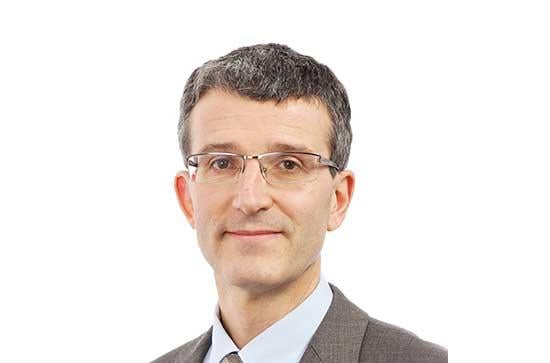
John Cotter is a Full Professor of Finance and Chair in Quantitative Finance at University College Dublin's Smurfit School of Business. He holds a PhD from Queen's University Belfast and prior academic roles include Associate Professor (2006-2012) and Senior Lecturer (2004-2006). His research focuses on volatility modeling, risk management, and asset pricing with applications in equity, real estate, and derivative markets. Cotter directs the Centre for Financial Markets and the Financial Mathematics Computation Cluster (FMC2), a multi-university research initiative funded by Science Foundation Ireland. Education: BComm and MEconSc from University College Cork, PhD in Finance from Queen's University Belfast. Research interests span asset pricing, volatility modeling, risk management, and financial market integration. His work has been published in top journals like Journal of Banking and Finance and Journal of International Money and Finance . He has secured grants including the ADAPT Phase 2 project (2021-2026). Cotter advises the European Securities Markets Authority (ESMA) and has consulted for numerous organizations globally. Notable awards include the UCD Outstanding Educator Teaching Award and UCD School of Business Research Contribution Award. He serves as Associate Editor for three journals and has supervised numerous PhD students through FMC2.
Conor Ryan is a Professor in the Department of Computer Science & Information Systems at the University of Limerick. He is a Science Foundation Ireland-funded Investigator since 2002 and a member of multiple research centres including Lero – the Irish Software Research Centre and the Limerick Digital Cancer Research Centre. His research focuses on Genetic Programming, Grammatical Evolution, and their applications in domains like healthcare analytics, digital circuit design, and financial modeling. He has authored over 250 publications, with recent work emphasizing automated feature selection in medical diagnostics, neural architecture search, and blockchain ecosystems. Teaching includes courses on Foundations of Computer Science and Computer Games Programming. Research interests span evolutionary computation, machine learning, and interdisciplinary applications. Collaborations involve global institutions, reflecting his work's impact across computer science, engineering, and healthcare. His research has addressed challenges in breast cancer diagnosis via genetic algorithms, cryptocurrency volatility prediction using random forests, and automated generation of digital circuits. Ongoing projects explore interpretability in AI, energy-efficient computing, and sustainable transport systems through predictive analytics. Professional memberships include roles in the Centre for Research Training in Foundations of Data Science and the Data-Driven Computer Engineering Research Centre, underscoring his commitment to interdisciplinary innovation.
Ciarán Mac an Bhaird is an Associate Professor of Business and Management at Dublin City University (DCU), within the Fiontar & Scoil na Gaeilge department. He holds a PhD from Trinity College Dublin, a B.Comm and LL.B from NUI Galway, and an M.Sc. in Finance from DCU. His academic role includes teaching and supervising PhD students focusing on enterprise policy, high-growth firm financing, and entrepreneurship education. Research interests span resourcing small firms, capital structure, alternative finance, and public policy for SMEs. He authored Resourcing Small and Medium Sized Enterprises (Springer-Verlag, 2010), launched by the Irish Minister for Enterprise. His work has been published in journals like Small Business Economics and Venture Capital . He chairs the Entrepreneurial Finance track at the Institute of Small Business and Entrepreneurship Conference and serves as an associate editor for Research in International Business and Finance . Current PhD advisees include Simon Bridge, Nouf Alnasser, Batoul Batoulbanjar, and Sean O Reilly. Professional activities include contributions to policy reports for Enterprise Ireland and the Irish League of Credit Unions, and participation in the U.S. State Department’s International Visitor Leadership Programme.
Professor Enda Cummins is a faculty member at University College Dublin (UCD), serving as Professor and Deputy Head of the School of Biosystems and Food Engineering. He also holds roles as Head of Teaching and Learning and Visiting Professor at KU Leuven, Belgium. His research focuses on risk assessment, predictive modeling, food safety, and environmental contamination, with an emphasis on chemicals (e.g., acrylamide, nanoparticles) and pathogens (E. coli, Salmonella). He leads a multidisciplinary team and coordinates the EU-funded H2020 ITN project PROTECT, addressing climate change impacts on food safety. Education: BAgrSc, MEngSc, PhD from UCD. Teaching emphasizes problem-based learning and integrates research innovations. He developed the EU-funded Erasmus+ Predictive Modelling and Risk Assessment program and coordinates the MEngSc in Food Engineering. Grants include projects on antimicrobial resistance, nanoparticle toxicity, and urease inhibitor efficacy. Over 100 peer-reviewed publications and 123 conference papers highlight his work on risk assessment, food safety, and environmental modeling.
Dr. Ali Nazarpour is an Assistant Professor in Management at the School of Business, Maynooth University. He holds a PhD in Operations and Supply Chain Management from University College Dublin’s Smurfit School of Business, along with a BSc in Industrial Engineering and an MSc in Business Administration from Iran University of Science and Technology. Prior to his academic career, he spent nine years in industry roles, including Sales Supervisor, Marketing and Sales Planning Chief, and Inventory Management Project Manager in the automotive sector, alongside teaching and research activities. His work bridges industry experience with academic rigor, focusing on supply chain optimization, mass customization strategies, and AI integration in business processes. Education: PhD in Operations and Supply Chain Management (Smurfit School of Business, UCD) MSc in Business Administration (Iran University of Science and Technology) BSc in Industrial Engineering (Iran University of Science and Technology) Research Interests: Artificial Intelligence applications in supply chain and logistics Mass customization feasibility across industries and countries Third-party logistics selection methodologies Project management and risk mitigation strategies Global logistics frameworks Industry 4.0 technologies for operational efficiency His publications and conference contributions between 2014 and 2021 highlight trends in leveraging AI for supply chain decision-making, analyzing mass customization challenges, and exploring cross-country operational dynamics. Despite no explicit scientific awards listed, his active participation in conferences like INFORMS, POMS, and EurOMA underscores his academic engagement. In advising and teaching, he focuses on Contemporary Issues in Management, Operations and Supply Chain Management metrics, and Project Risk Management. His industry experience enriches classroom discussions and research projects. He is based in the TSI Building (Room 253) and reachable via ali.nazarpour@mu.ie or phone (01) 474 7516.
Illia Kovalenko is an Assistant Professor in the Department of Accounting & Finance at the University of Limerick. His research focuses on financial modeling, econometrics, and industry analysis, with a particular emphasis on exchange-traded funds and risk premium evaluation. Recent Work : Published a 2023 study in the Journal of Empirical Finance on financial modeling approaches for ETF selection. His work intersects disciplines like volatility analysis, transaction costs, and price dynamics within finance.
Professor Francesco Pilla is a Full Professor of Smart and Sustainable Cities at University College Dublin's School of Architecture, Planning and Environmental Policy, where he also serves as Co-Director of the Spatial Dynamics Lab. Previously, he held positions as MSc Director (2018-2019) and Undergraduate Director for the School of Architecture. With over 15 years of experience in GIS modeling and spatial data analysis, Professor Pilla's work bridges technology, urban planning, and community engagement to create more sustainable cities. Professor Pilla's research focuses on developing geospatial analysis tools and environmental pollution models (air, noise, water) using GIS platforms to facilitate interoperability between research teams and end users. His approach integrates environmental pollution models with pervasive and community sensing applications for calibration and validation. A key innovation in his work is the integration of co-design principles through Living Labs in urban planning and citizen science initiatives to improve city life from an environmental perspective. His recent publications reveal a strong focus on urban sustainability challenges, with significant contributions to air quality monitoring, sustainable transportation, climate adaptation, and citizen science methodologies. His work increasingly incorporates advanced AI techniques, including large language models and machine learning algorithms, to analyze urban systems and develop data-driven solutions for complex environmental problems. The research demonstrates a clear trend toward integrating diverse data sources and developing practical tools for urban governance and planning. Haagen-Smit Prize (2024) - Recognizing outstanding papers published in Atmospheric Environment Best eMobility Project - Electric Vehicle Awards 2024 All Ireland community & council awards - Best Community Transport Initiative 2024 Academic research award: tipping point for action from Financial Times (2023) Professor Pilla leads numerous significant research projects including iSCAPE (H2020-SC5) as Coordinator, OPERANDUM (Principal Investigator for UCD) focusing on flood risk reduction with nature-based solutions, WeCount (Principal Investigator for UCD), and Connecting Nature (Principal Investigator for UCD). He has also secured funding through SFI Investigator grants for 'Scalable, Privacy-Enhanced Analytics for sharing mobility systems' and several Environmental Protection Agency projects. His collaborative work extends to partnerships with MIT through Fulbright/EPA TechImpact awards and IBM through Faculty Awards. At the Spatial Dynamics Lab, Professor Pilla oversees research that combines geospatial analysis, environmental monitoring, and community engagement. His innovative 'Bike Library' initiative, which has expanded to multiple schools in Dublin, exemplifies his commitment to translating research into practical community solutions. The lab's work integrates advanced sensing technologies, GIS platforms, and citizen science to address urban environmental challenges through collaborative approaches.
David Cuberes is a Professor in the Department of Economics at Maynooth University's Faculty of Social Sciences. His research spans urban economics, economic history, and economic growth, focusing on city development, gender inequality impacts, and demographic transitions. Based in Rhetoric House, Room 1, Floor Top, he teaches and conducts research while maintaining a personal website. His research explores: Urbanization processes across countries Conflicts' effects on population dynamics Household location determinants Aggregate impacts of gender disparities Democracy-growth volatility links Demographic transition mechanisms Recent publications address labor market gender gaps in Malaysia, New England growth patterns, and entrepreneurship disparities. He has previously worked at Clemson University, Royal Holloway, Universidad de Alicante, University of Sheffield, and Clark University. Professional collaborations include the World Bank, IMF, and Inter-American Development Bank. His academic journey began with undergraduate studies at Universitat Pompeu Fabra, followed by a Master's in Economics and Finance at CEMFI and a PhD in Economics at the University of Chicago.
James Ryan serves as an Assistant Professor in the Department of Accounting & Finance at the University of Limerick. His research focuses on empirical finance with international scope, particularly examining capital markets, derivatives, inflation dynamics, and model selection techniques across UK, Chinese, Hong Kong, and European financial contexts. Education: Bachelor of Business Studies (BBS), awarded 1990 Ryan's scholarly work centers on econometric analysis of financial phenomena, including corporate leverage adjustments, stock return predictability in emerging markets, and derivatives usage determinants. His methodological approach frequently employs the Tobit model to address model instability and selection challenges, while maintaining strong connections to practical investment and corporate finance applications. The recurring emphasis on macro-finance linkages—particularly inflation's impact on market timing—demonstrates his integrated perspective on economic forces and financial decision-making. Analysis of his publication trajectory reveals consistent methodological rigor in empirical finance research, with increasing focus on international comparative studies since 2014. His work demonstrates particular expertise in adapting econometric frameworks to volatile markets, while maintaining relevance for institutional investors and corporate treasury operations across diverse regulatory environments. Scientific Awards: No scientific awards or honors were documented in the provided materials. Regarding academic supervision and research funding, the available information does not indicate any graduate students supervised or competitive research grants secured. His professional activities appear concentrated within departmental teaching responsibilities and peer-reviewed journal publications, with documented expertise in Wealth Management, International Corporate Finance, Banking, and Portfolio Management instruction.
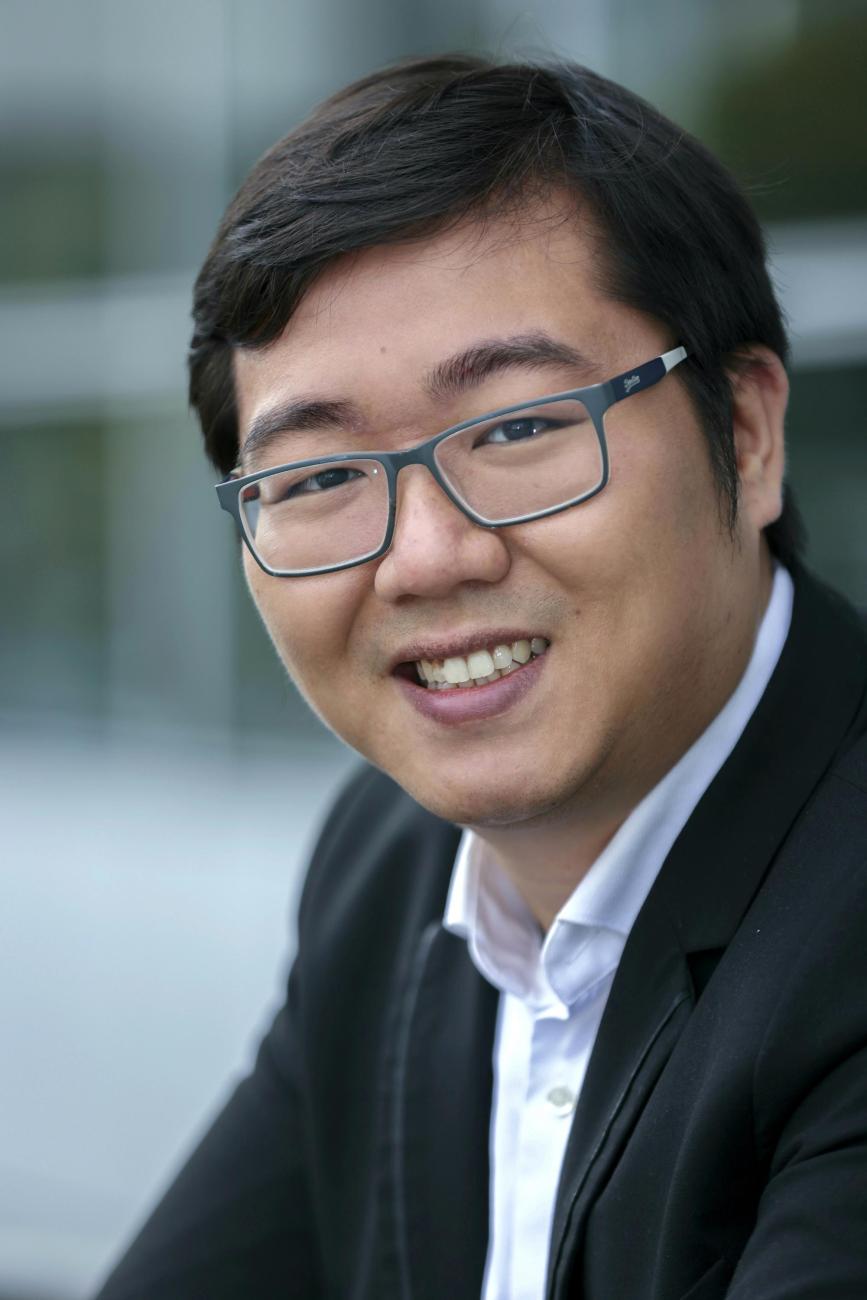
Dr. Tai Tan Mai is an Assistant Professor at Dublin City University's School of Computing. He holds a PhD from DCU funded by the Irish Research Council and an MSc in Business Information Systems from University College Cork (2016) where he graduated as top-performing student. His research integrates data mining, learning analytics, and complex systems theory with applications in educational technology and business process management. Research interests focus on: Educational data mining and learning analytics Cryptocurrency market analysis using graph-based methods AI applications in education and societal risk assessment Complex systems approaches to programming education Prior to academia, he developed Business Process Management solutions for Vietnam's banking/financial sector.
Dr. Fabrice Rousseau is an Associate Professor at Maynooth University's School of Business , affiliated with the Department of Economics, Finance, and Accounting . He served as Head of the Department from January 2015 to July 2020 and currently holds the role of Deputy Head of School for Career, Industry, Alumni, and International Relations. His work focuses on Finance with specializations in Market Microstructure, Behavioral Finance, IPOs, and Banking. PhD in Finance , Universitat Autonoma de Barcelona (1999) MA in Economics , Universitat Autonoma de Barcelona Maitrise en Econometrie , University of Toulouse 1 Research interests include: Behavioural Finance High Frequency Trading Initial Public Offerings (IPOs) Regulation Banking Market Microstructure Recent publications explore strategic market making, heterogeneous beliefs, irrational intermediation, and IPO design. His work has appeared in journals like Finance , Economic Modelling , and Journal of Mathematical Finance , with book chapters and conference presentations internationally. Awards : Best Paper Award from Finance , French Finance Association (2015)
Dr. Yuansheng Hu is an Assistant Professor in the School of Civil Engineering at University College Dublin (UCD), Ireland, specializing in Water and Environmental Engineering. He joined UCD in July 2023 after holding academic positions at Atlantic Technological University Sligo (2022–2023) and Beijing University of Civil Engineering and Architecture (2012–2017). His research focuses on biological wastewater treatment, biosolids valorisation, microalgae biotechnology, and constructed wetlands. Dr. Hu also serves as a module coordinator for courses including Geotechnics, Environmental Engineering Fundamentals, and Design and Communications. His academic journey includes a DPhil from UCD and a postdoctoral role at the National University of Ireland, Galway (2016–2022). He is proficient in English and Mandarin, with expertise in peer review and technical communication. Research highlights include advancing anaerobic digestion processes, nitrogen removal technologies, and sustainable wastewater management solutions. His work bridges environmental engineering with biotechnology, emphasizing practical applications for pollution control and resource recovery. Research Interests: Autotrophic nitrogen removal, anaerobic treatment, microalgae-based biofuels, and low-impact development via constructed wetlands. Teaching: Coordinates modules in geotechnical engineering, environmental fundamentals, and design methodologies. Affiliations: UCD School of Civil Engineering, with prior roles at institutions in Ireland and China. Publications span 20+ years, addressing topics like microplastic contamination, microbial degradation pathways, and innovative wastewater treatment systems. His contributions aim to address global environmental challenges through interdisciplinary research and education.
Professor Thia Hennessy serves as Head of the College of Business and Law at University College Cork (UCC), where she also holds a Professorship in Agri-Food Economics. Previously Dean of Cork University Business School, she leads academic strategy while maintaining an active research profile focused on agricultural economics. Her office is located in Room 3.02A of the O'Rahilly Building at UCC. Professor Hennessy's research centers on agri-food economics with particular expertise in farm income analysis, sustainability indicators, and agricultural policy evaluation. Her work bridges academic rigor and policy relevance, frequently engaging with European Parliament and OECD bodies. She employs quantitative methods to examine risk management, climate change adaptation, and digital transformation in farming systems, with strong emphasis on empirical analysis of Irish agricultural data. Her publication record demonstrates consistent output in high-impact journals including Journal of Agricultural Economics, Food Policy, and Agricultural Finance Review. Recent work analyzes the intersection of economic performance and environmental sustainability in dairy production, farm-level risk management strategies, and the effectiveness of agricultural extension programs. Her research often features collaborative work with multidisciplinary teams across European institutions. Honorary Doctorate from University of Reading (2019) Outstanding Young Researcher by British Agricultural Economics Society (2012) Teagasc Staff Excellence in Research (2013) Professor Hennessy maintains active connections with policy bodies including the National Consultative Committee on Agricultural Policy (since 2006) and previously served on the National Competitiveness Council (2004-2009) and Animal Health Ireland board (2008-2012). She regularly contributes expert commentary to media outlets and serves as Associate Editor of the International Journal of Agricultural Management since 2013.
Nikolay Solovyev is a Lecturer in Analytical Chemistry at the Department of Life Sciences, ATU Sligo. He holds a PhD in Natural Sciences from Saint Petersburg State University (2012), focusing on Zeeman modulation polarization spectrometry for toxic element analysis in blood. His research spans metallomics, metabolomics, and neurodegenerative diseases, with a strong emphasis on mass spectrometry techniques (e.g., ICP-MS, GD-TOFMS). Key areas include amyotrophic lateral sclerosis (ALS), Alzheimer’s disease, and cancer biomarkers. His work contributes to UN Sustainable Development Goals related to health and innovation. Recent studies explore metallome-metabolome interactions in ALS, isotope ratios in disease models, and cultural heritage analysis using proteomics. He has published over 55 peer-reviewed articles, with 22 h-index and 1,496 citations. Solovyev collaborates internationally and supervises PhD students in analytical and biomedical research. His lab develops novel membrane materials and advanced spectrometry methods for environmental and biomedical applications. Notable achievements include pioneering methods for direct quantification of high-ionization elements in solids and elucidating selenium’s role in neural barriers. His research bridges analytical chemistry with clinical and environmental challenges, emphasizing trace element speciation and toxicology.
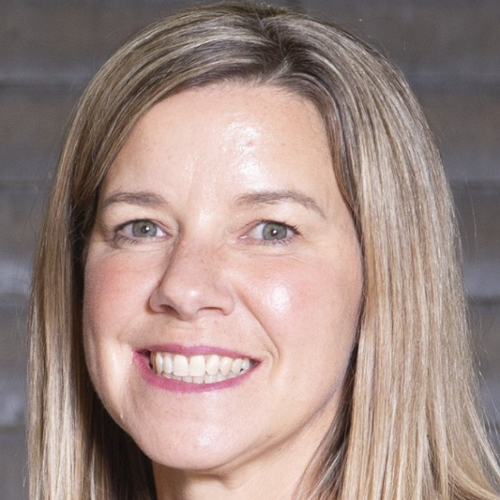
Dr. Maria Stamenova is a researcher in the School of Physics and CRANN Institute at Trinity College Dublin, where she leads computational research in spintronics. Her work focuses on developing atomic-scale simulation methods for novel magnetic tunnel junctions using antiferromagnetic and ferrimagnetic materials, with applications in energy-efficient memory and THz communication technologies. Her research lies at the intersection of condensed matter physics, materials science, and quantum computing. She specializes in ab initio spin transport calculations and atomistic simulations, leveraging the SMEAGOL code—a quantum transport platform developed at Trinity College Dublin. Her work bridges first-principles electronic structure theory with non-equilibrium Green’s function methods to model spin-transfer torques and tunnelling magnetoresistance in non-collinear magnetic systems. Dr. Stamenova leads the ATMOST project, a research initiative aimed at optimizing magnetic devices for next-generation spintronic applications. She is actively involved in supervising PhD students and collaborates with leading theoretical and experimental groups in the field. Her research contributes to the advancement of ultra-fast, low-power computing components and emerging THz-range technologies. She is affiliated with the Computational Spintronic Group at Trinity, which focuses on predictive modeling of nanoscale magnetic phenomena. The group utilizes high-performance computing to simulate quantum transport in crystalline magnetic heterostructures, aiming to guide experimental efforts in fabricating improved spintronic devices.






/prod01/channel_3/media/tcd/physics/images/maria-slide-1.jpg)